Lantana camara

കൊങ്ങിണി

  • Scientific name : Lantana camara
  • English name : common lantana
  • Malayalam : കൊങ്ങിണി, അരിപ്പൂ
  • Habit : shrub
  • Habitat : scrubs to semi evergreen forests
  • Family = Verbanaceae
  • Flowering = Throughout the year.
  • Native = South America

Description

പൂന്തോട്ടങ്ങളെ മോടിപിടിപ്പിക്കാൻ വെച്ചുപിടിപ്പിക്കുന്ന ഈ ചെടി അതിന്റെ സ്വദേശത്തുനിന്ന് ലോകമെമ്പാടും 60ഓളം രാജ്യങ്ങളിലേക്ക് പരക്കുകയും അധിനിവേശ സ്പീഷീസായി മാറുകയും ചെയ്തിട്ടുണ്ട്. ഡച്ചുകാർ അമേരിക്കയിൽ നിന്ന് ഇതിനെ യൂറോപ്പിലേക്ക് കൊണ്ടുവന്ന് നട്ടുവളർത്തുകയും ഏഷ്യയിലേക്കും ഓഷ്യാനിയയിലേക്കും എത്തിക്കുകയും ചെയ്തു. ഇവിടങ്ങളിൽ ഈ ചെടി പ്രാദേശിക പരിസ്ഥിതിക്ക് അപകടകരമായ വിധത്തിൽ പടർന്നുപിടിക്കുകയും ചെയ്തു

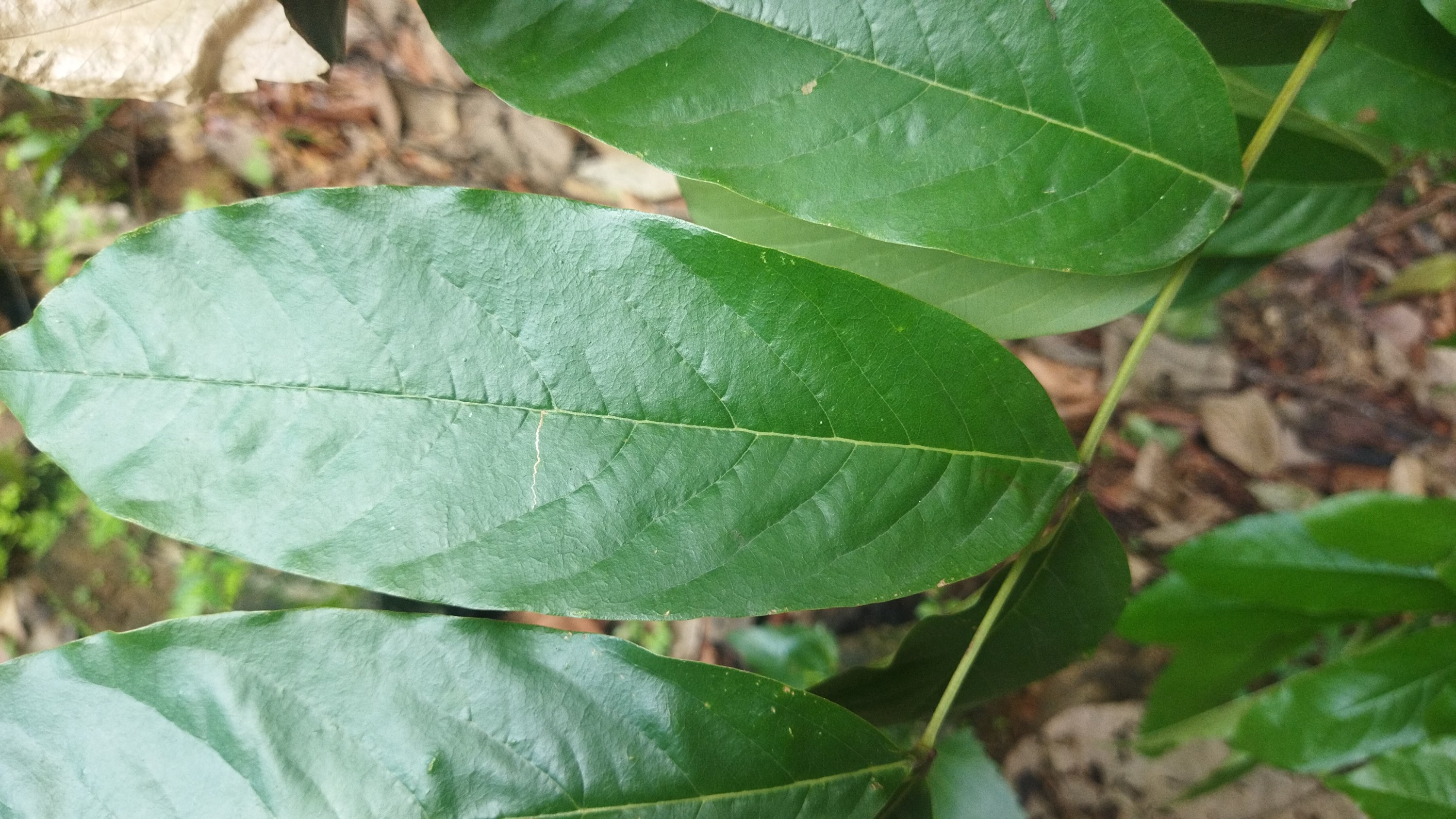
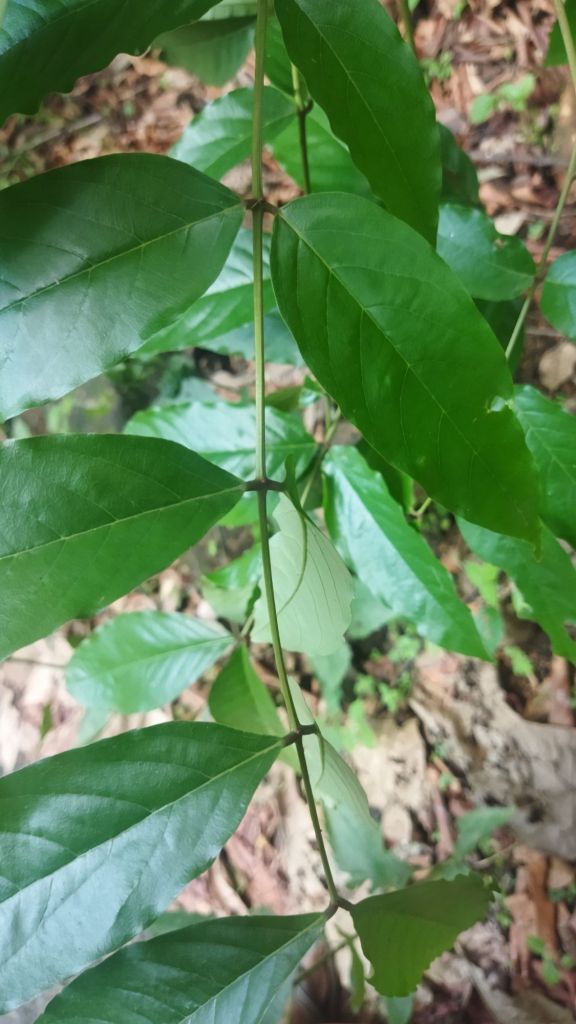
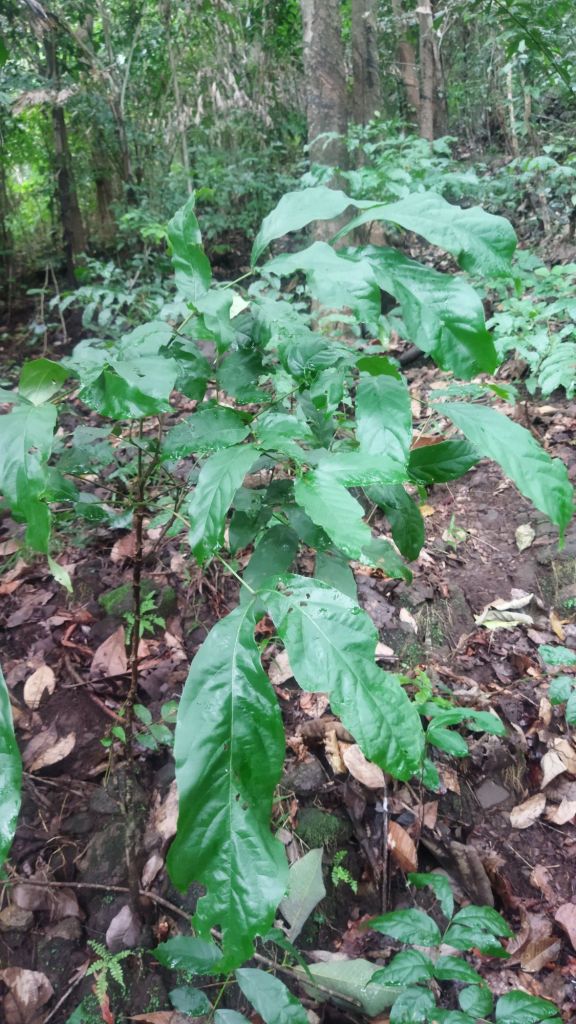
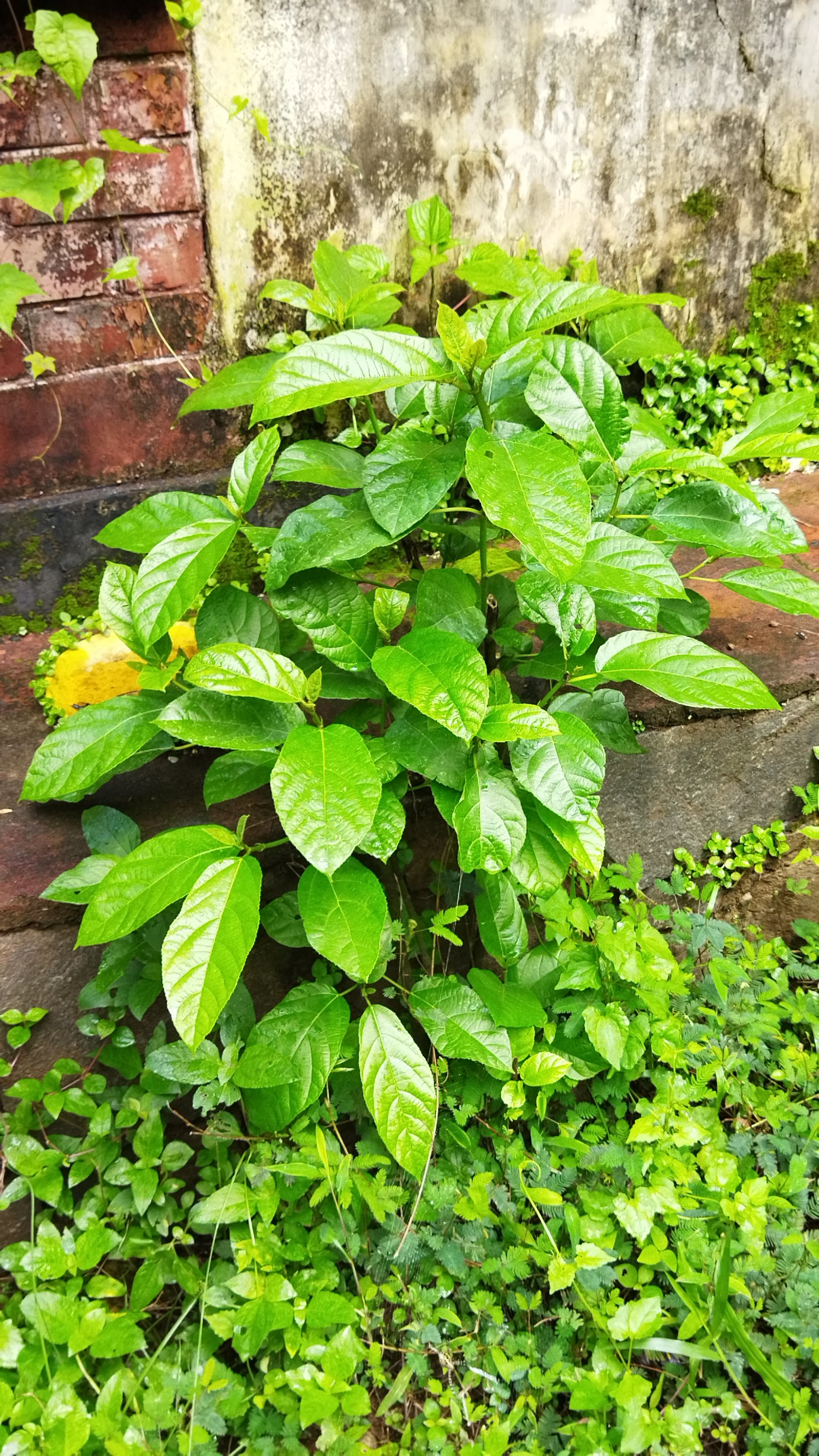
          2 മീറ്റർ വരെ ഉയരത്തിൽ വളരുന്ന ബഹുവർഷി  സസ്യമാണ് അരിപ്പൂച്ചെടി. പലപ്പോഴും കുറ്റിച്ചെടിയുടെയും വള്ളിയുടേയും സ്വഭാവം കാണിക്കും. നേർത്തതും ബലമുള്ളതുമായ തണ്ടുകൾ. ഇലകൾ സമുഖം. പരുപരുത്ത ഇലകൾ, പല്ലുകൾ നിറഞ്ഞത്.നാലിതളുള്ള അനേകം പൂവുകൾ ഒരുമിച്ച് ചേർന്നതാണ് ഇതിന്റെ പൂവ്. ചുവപ്പ് മഞ്ഞ, വെള്ള, പിങ്ക്, ഓറഞ്ച് എന്നിങ്ങനെ പലനിറത്തിൽ പൂക്കൾ കാണാം.ലഘുപത്രങ്ങൾ സമ്മുഖമായി വിന്യസിച്ചിരിക്കുന്നു.ഉരുണ്ട ഫലങ്ങൾ മൂപ്പെത്തുമ്പോൾ പച്ചയിൽ നിന്ന് കടും പർപ്പിൾ നിറമാകുന്നു. കായികപ്രജനനവും ലൈംഗികപ്രജനവും നടക്കുന്നു. പാകമായ കായകൾ കിളികളും മറ്റു ജീവികളും ഭക്ഷിക്കുകയും ദൂരപ്രദേശങ്ങളിൽ എത്തിച്ച് വ്യാപനത്തിന് സഹായിക്കുകയും ചെയ്യുന്നു.

Taxonomy

  • Plantae
  •       Trachiophites
  •              Angiosperms
  •                      Eudicots
  •                             Verbenaceae
  •                                      Lantana
  •                                             Lantana camara

Range

Native to:
Aruba, Bahamas, Belize, Brazil North, Brazil West-Central, Cayman Is., Colombia, Costa Rica, Cuba, Dominican Republic, Ecuador, El Salvador, Guatemala, Guyana, Haiti, Honduras, Jamaica, Leeward Is., Mexico Central, Mexico Gulf, Mexico Northeast, Mexico Northwest, Mexico Southeast, Mexico Southwest, Netherlands Antilles, Nicaragua, Panamá, Puerto Rico, Southwest Caribbean, Trinidad-Tobago, Venezuela, Venezuelan Antilles, Windward Is.

Introduced into:
Assam, Bangladesh, Bermuda, Caroline Is., Cook Is., Fiji, Galápagos, Gilbert Is., Guinea, Hawaii, India, Italy, Kenya, Marianas, Marshall Is., Nansei-shoto, Nauru, Niue, Ogasawara-shoto, Phoenix Is., Queensland, Sri Lanka, Tonga, Tuamotu, Zaïre

Usege

രോഗാണു നാശകവും, കുമിൾനാശകവും, കീടനാശകവുമായ ഗുണങ്ങൾ അരിപ്പൂച്ചെടിക്ക് ഉള്ളതായി ഇന്ത്യയിൽ നടന്ന പഠനങ്ങൾ കണ്ടെത്തിയിട്ടുണ്ട്.[37] പാരമ്പര്യ ചികിത്സയിൽ കാൻസർ, ത്വഗ്രോഗങ്ങൾ, കുഷ്ഠം, പേവിഷബാധ, ചിക്കൻപോക്സ്, മീസിൽസ്, ആസ്ത്മ, അൾസർ എന്നിവ ചികിത്സിക്കാൻ ഇത് ഉപയോഗിക്കുന്നു.പൂന്തോട്ടങ്ങളിൽ അലങ്കാരമായി ഇത് ഉപയോഗിക്കുന്നു.

Links

ചിത്രങ്ങൾ

പുലിക്കുരുമ്പയിൽ നിന്നും.
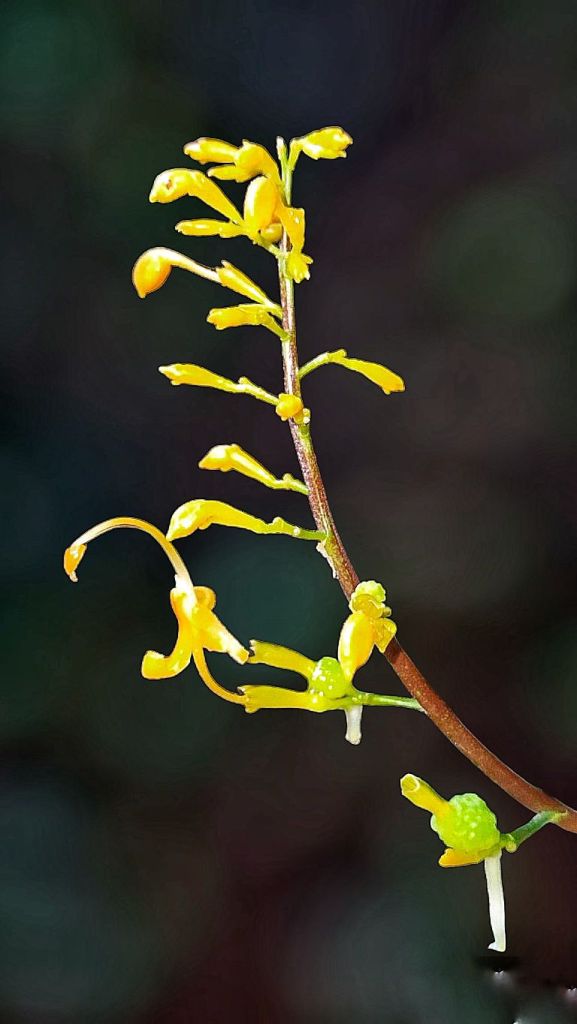
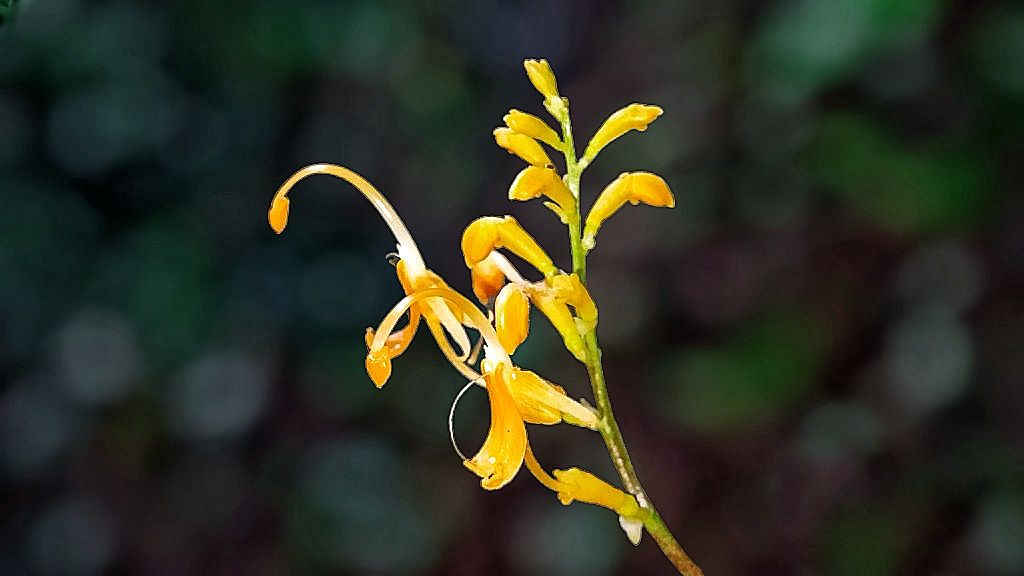
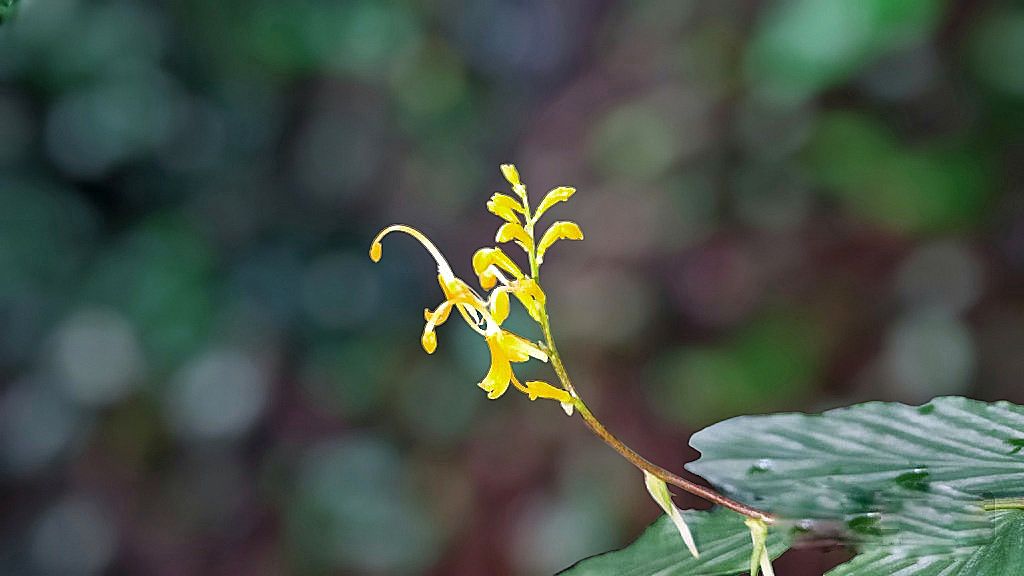
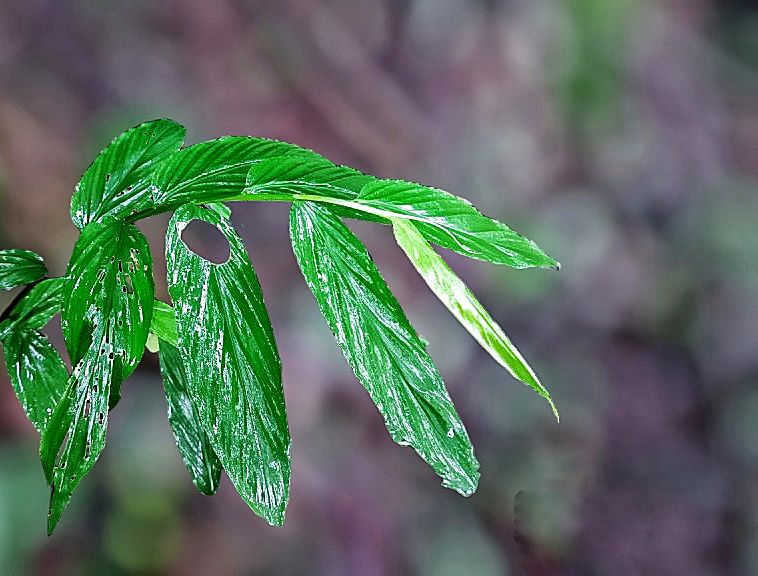
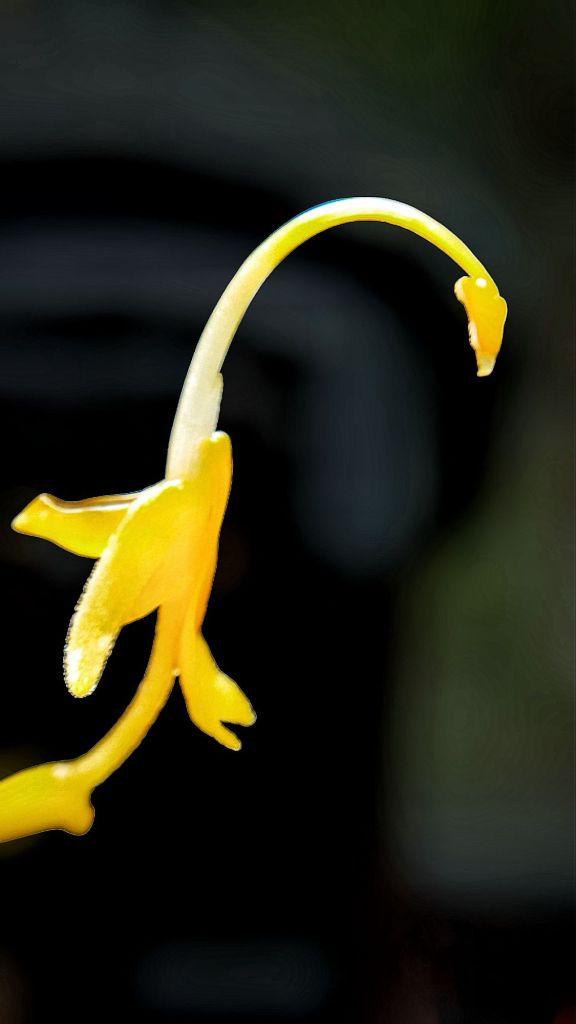
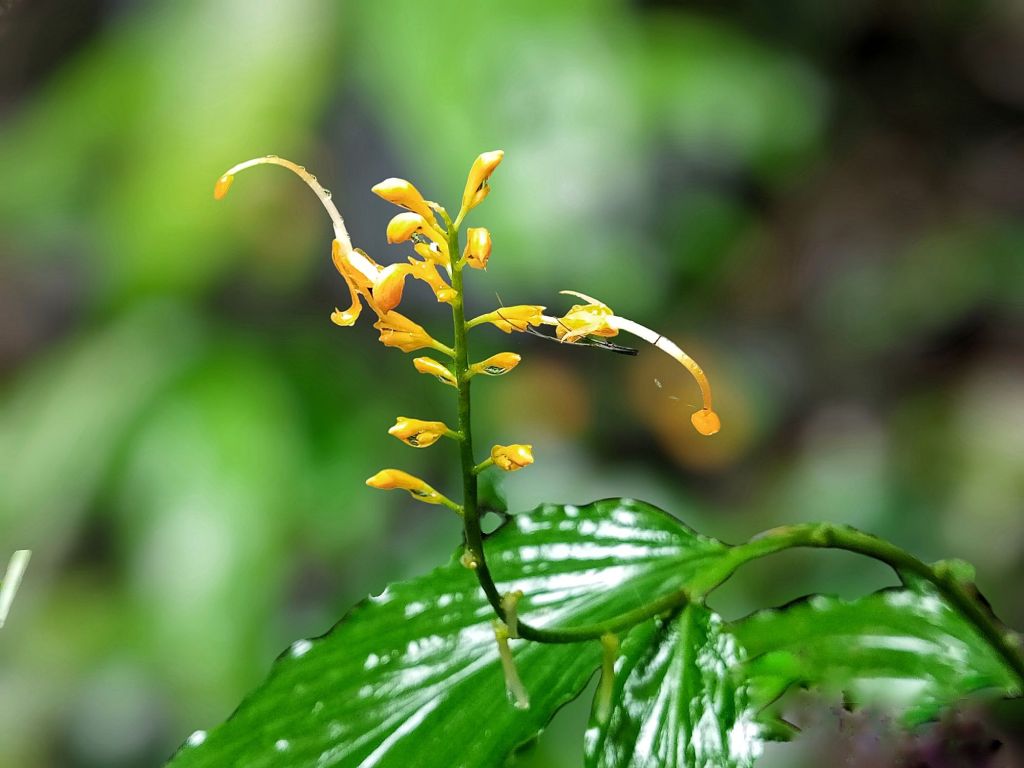
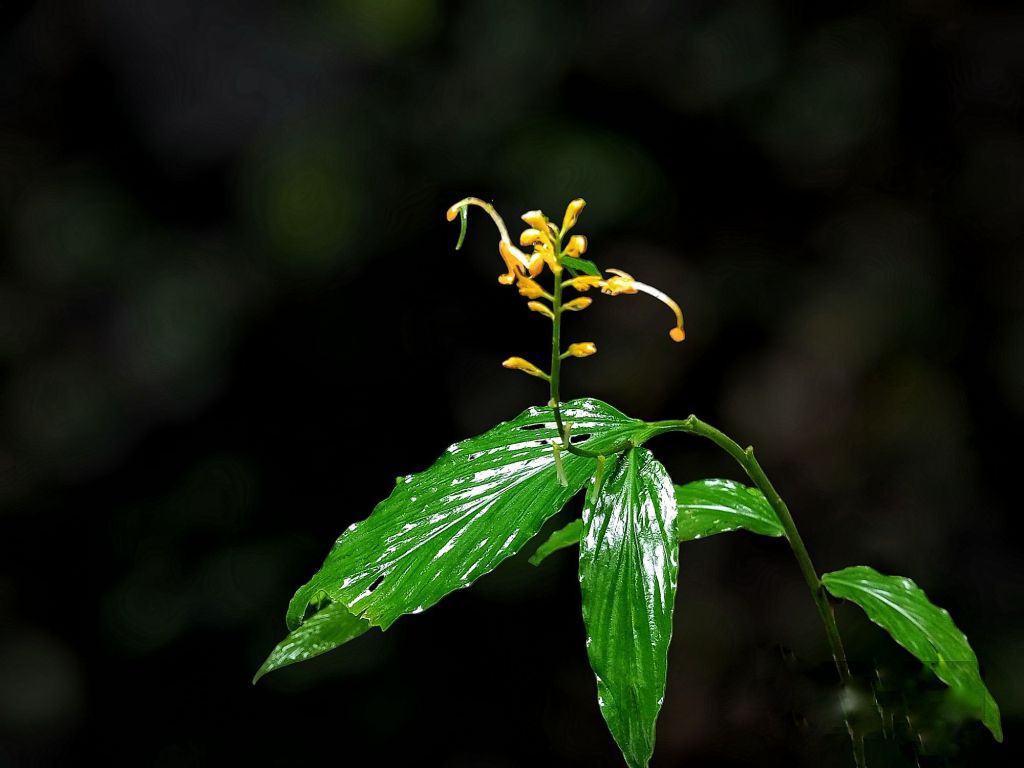
Globba sessiliflora

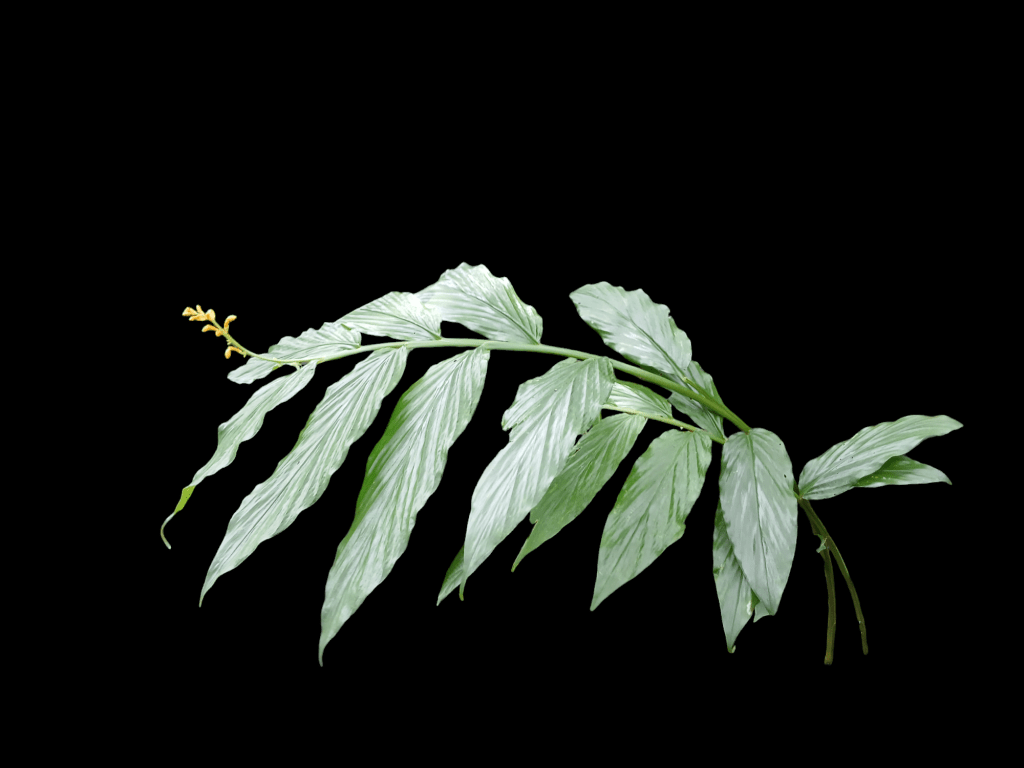
  • Scientific name = Globba sessiliflora
  • English name    = Stalkless Swan Flower
  • Malayalam : കോൽചണ്ണ
  • Family : Zingiberaceae
  • Habit : Herb
  • Habitat : rainforest
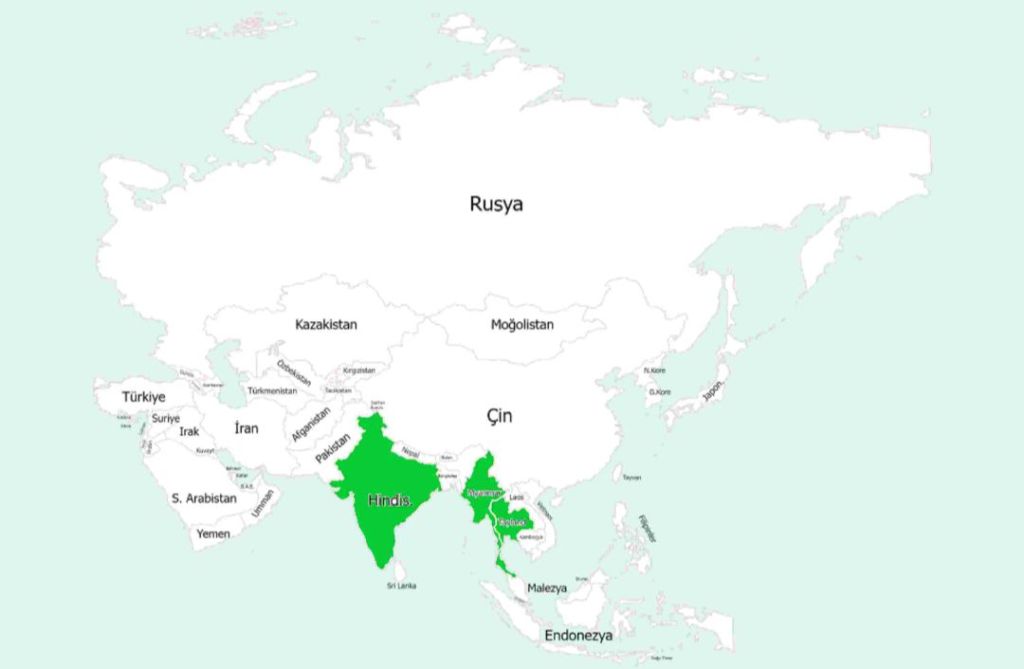
  • Native: India, Myanmar, Thailand
  • Flowering = July – August

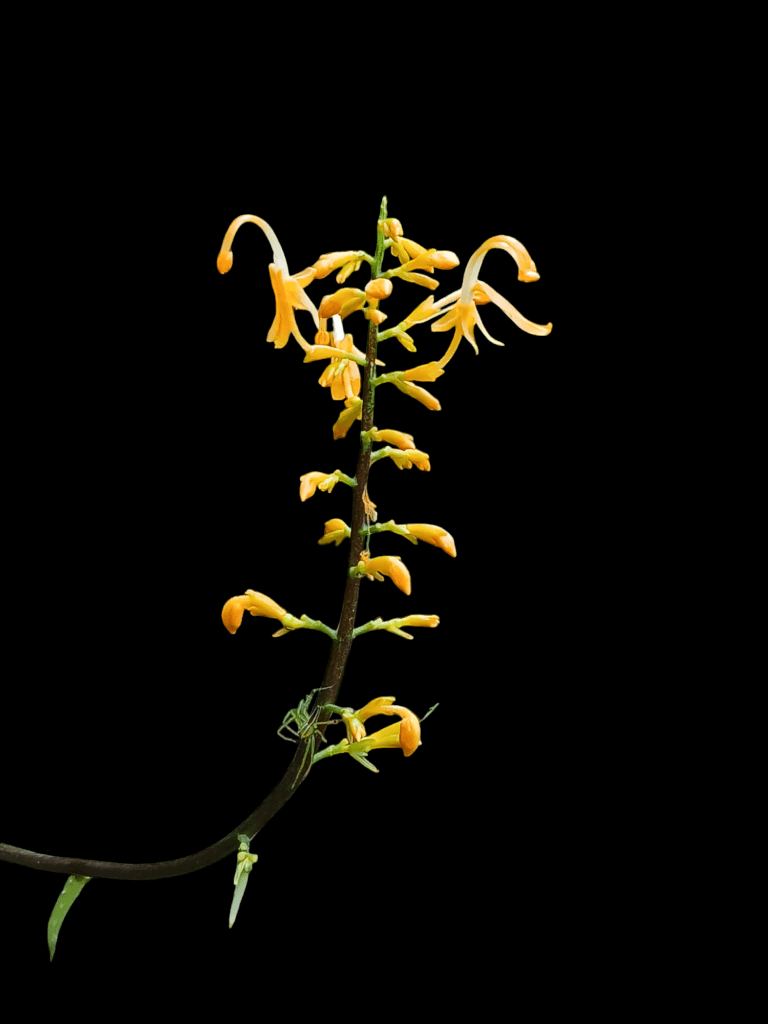
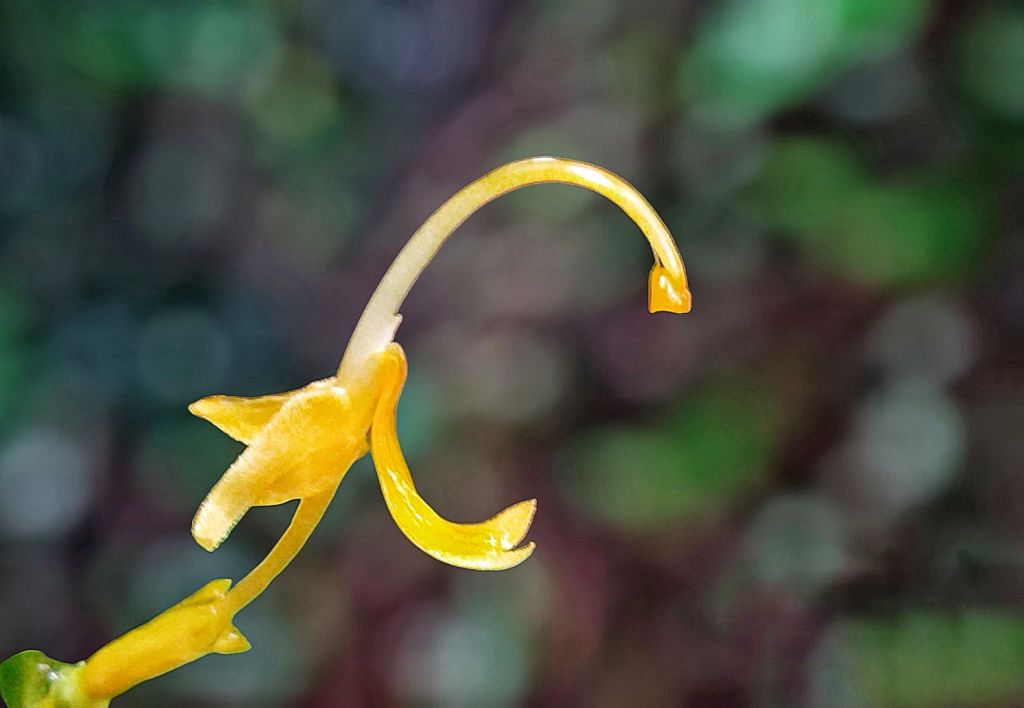
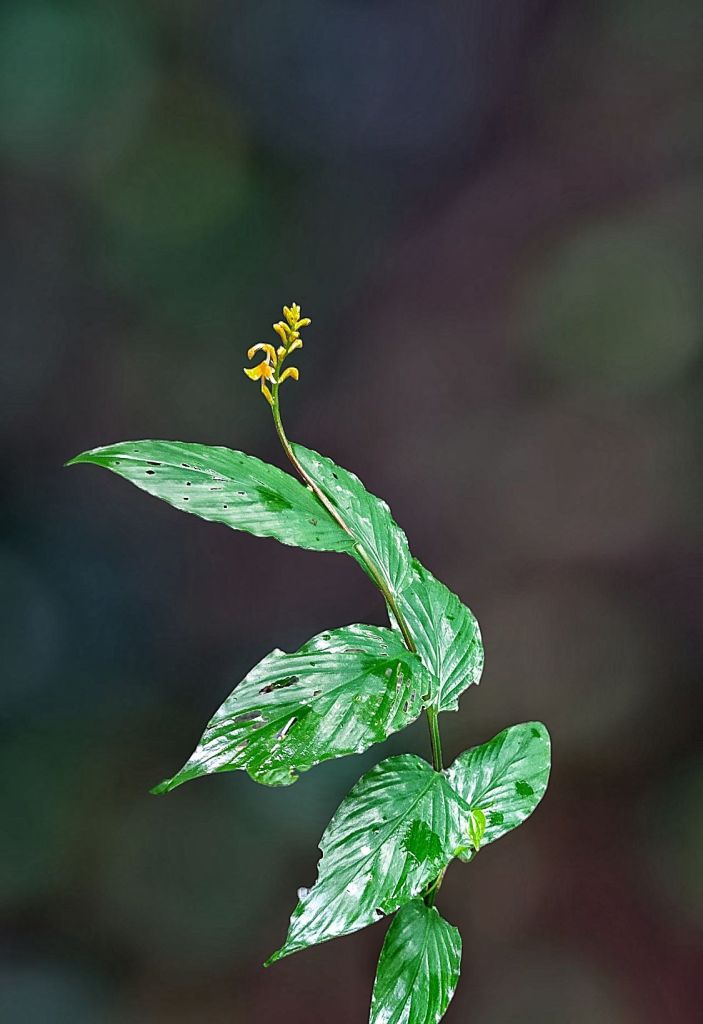
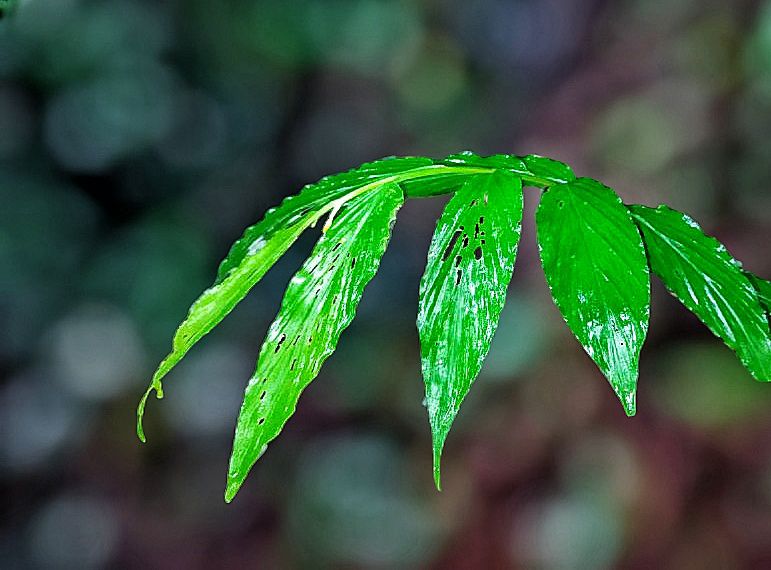
       ഇന്ത്യയിലെയും മ്യാന്മാറിലെയും ചോല മൂടിയ അരുവികൾക്കരികിലും പറമ്പുകളിലും മഴക്കാലത്ത് മാത്രം വളരുന്ന ഇഞ്ചികുടുംബത്തിൽ പെട്ട സസ്യമാണ് ഇത്. സുഗന്ധമുള്ള കിഴങ്ങുകൾ കാണപ്പെടുന്നു. തണ്ടുകൾ ഇല്ലാത്ത ഇതിന്റെ ഇല ഞെട്ടുകൾ ചേർന്ന് വ്യാജതണ്ട് രൂപപെട്ടിരിക്കുന്നു. ഏകാന്തരമായ ഇലകൾ ദീർഘവൃത്താകാരമാണ്. അഗ്രം മുനയുള്ളത്. തണ്ടിലൊ ഇലയിലോ രോമങ്ങൾ കാണപ്പെടുന്നില്ല. ചെടിയുടെ ആഗ്രഭാഗത്ത് നിന്നും പൂങ്കുല ഉണ്ടാവുന്നു. പൂക്കൾക്ക് മഞ്ഞ നിറം.

Taxonomy

Kingdom:     Plantae
Clade:           Tracheophytes
Clade:           Angiosperms
Clade:           Monocots
Clade:           Commelinids
Order:          Zingiberales
Family:        Zingiberaceae
Subfamily:  Zingiberoideae
Tribe:           Globbeae
Genus:         Globba

India, Myanmar, Thailand

https://www.flowersofindia.net/catalog/slides/Stalkless%20Swan%20Flower.html

https://indiabiodiversity.org/species/show/243829

https://powo.science.kew.org/taxon/urn:lsid:ipni.org:names:796784-1

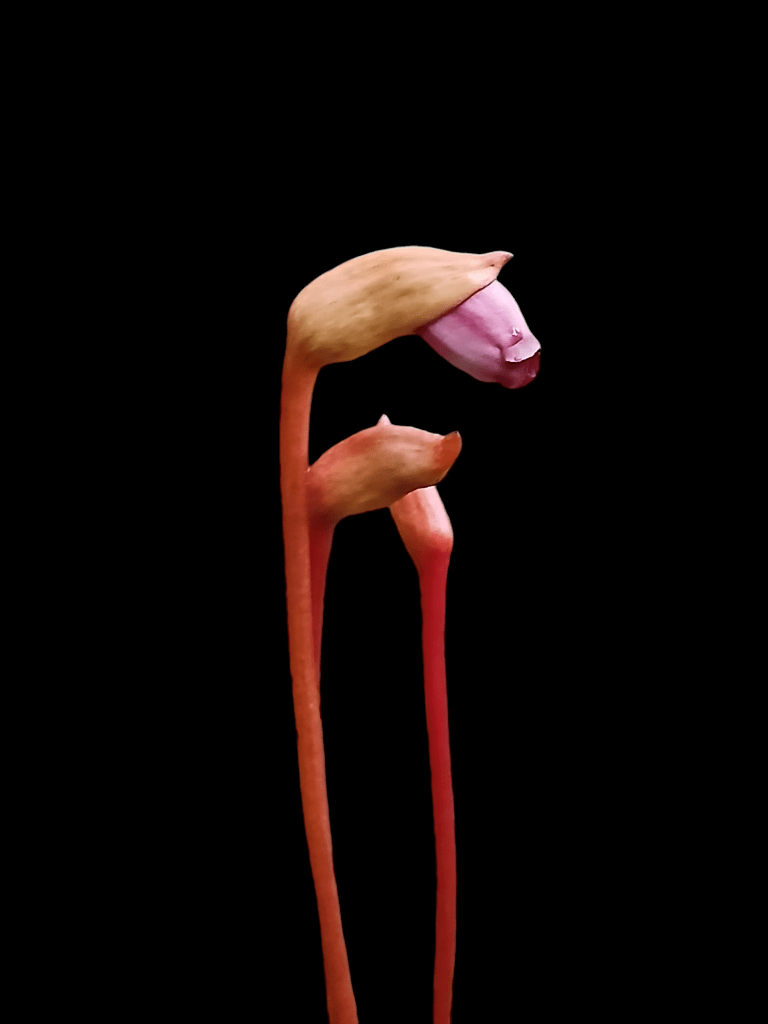
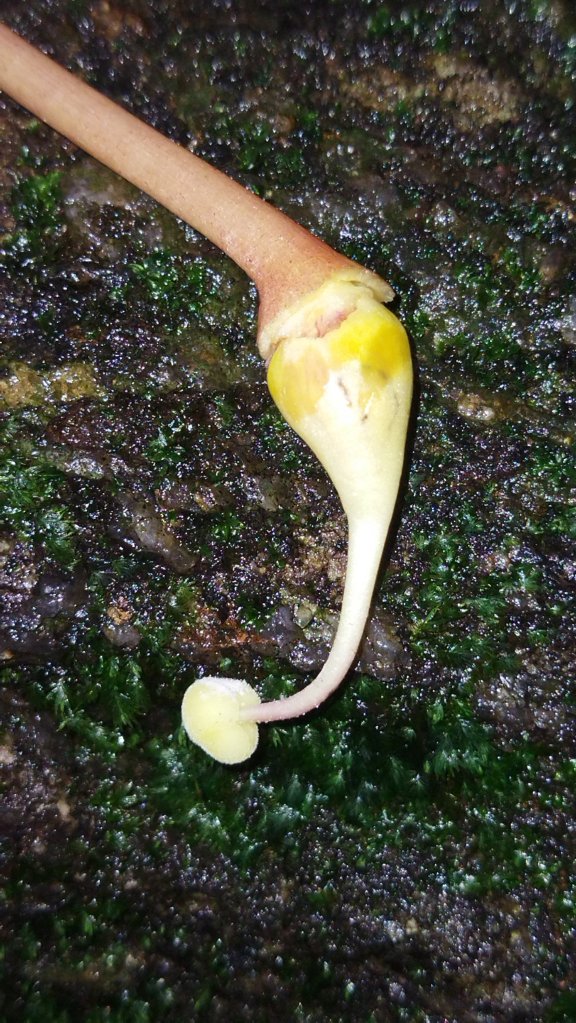
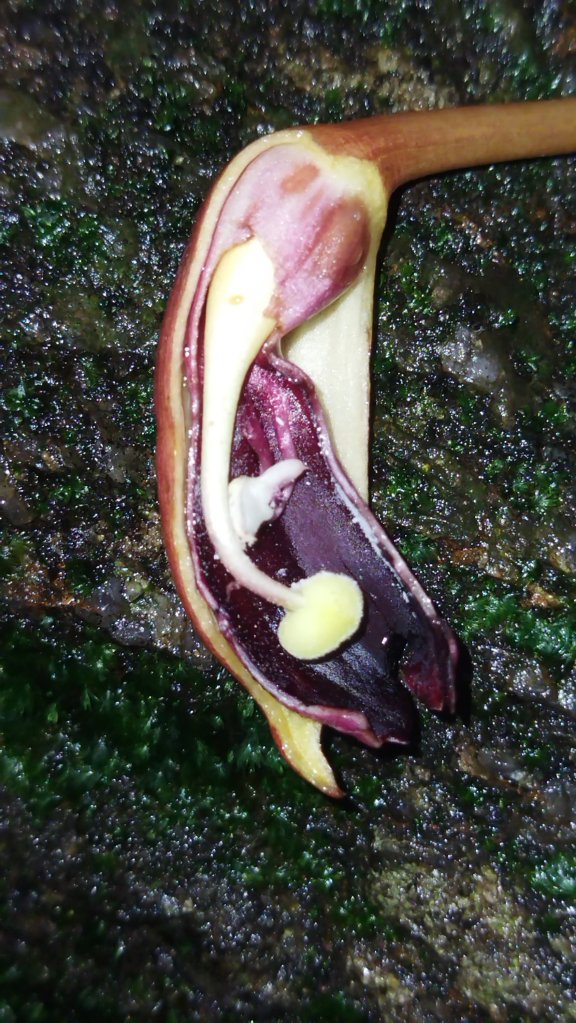
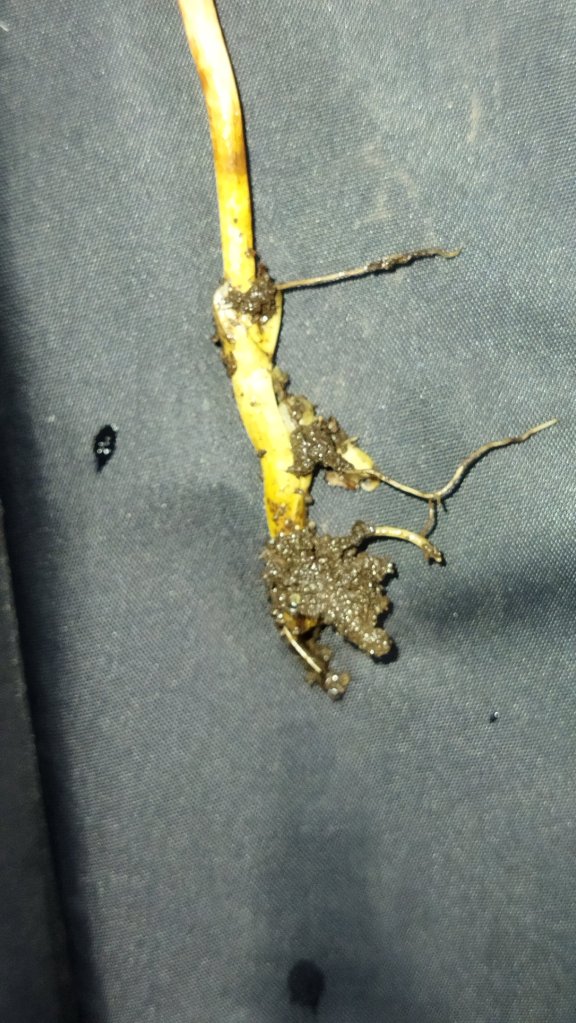
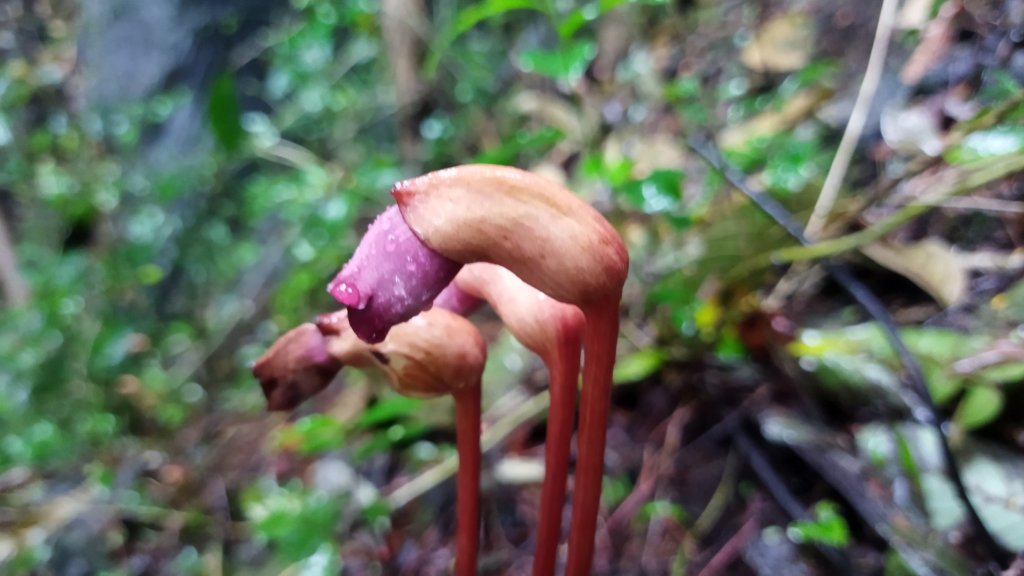
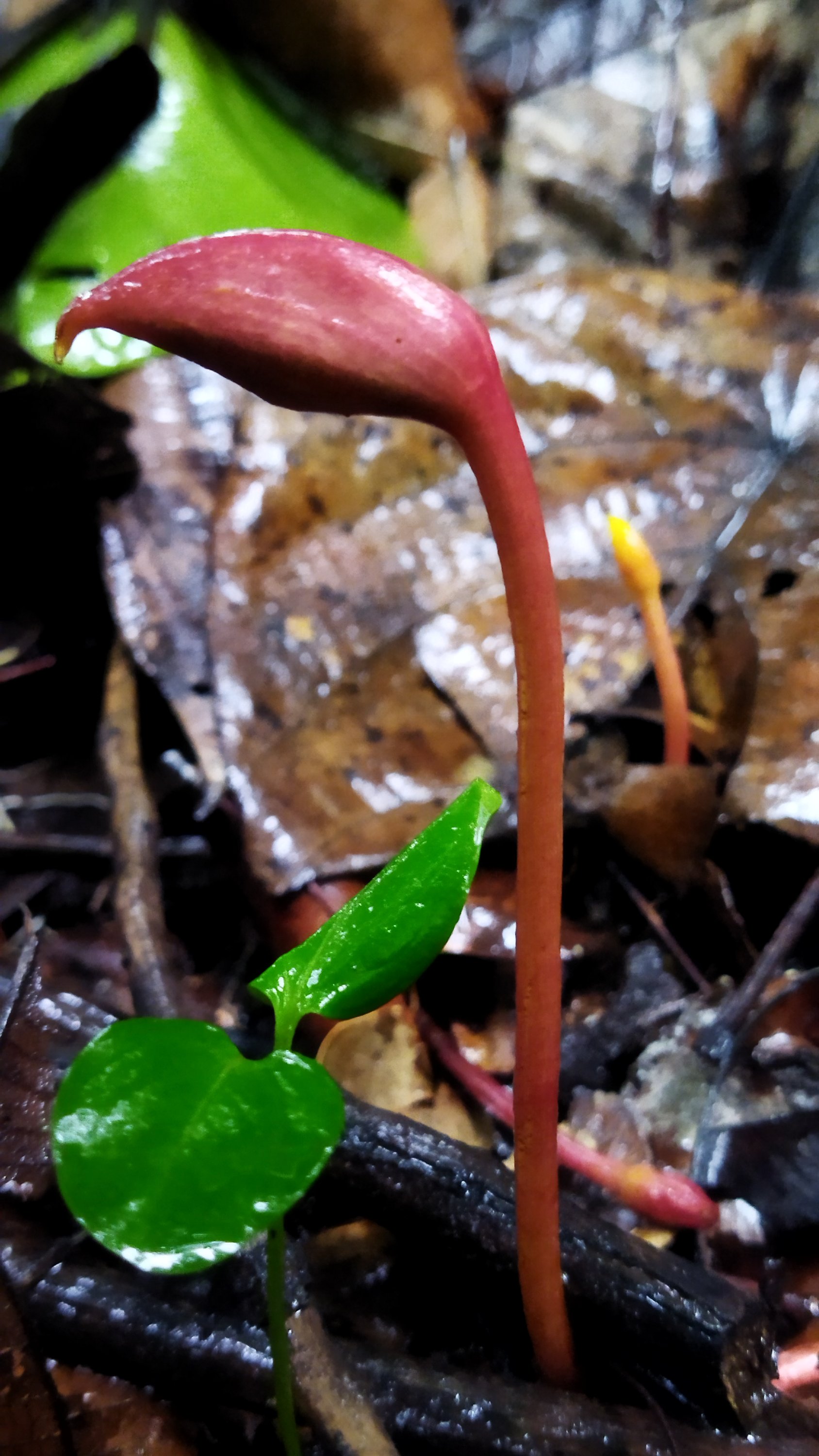
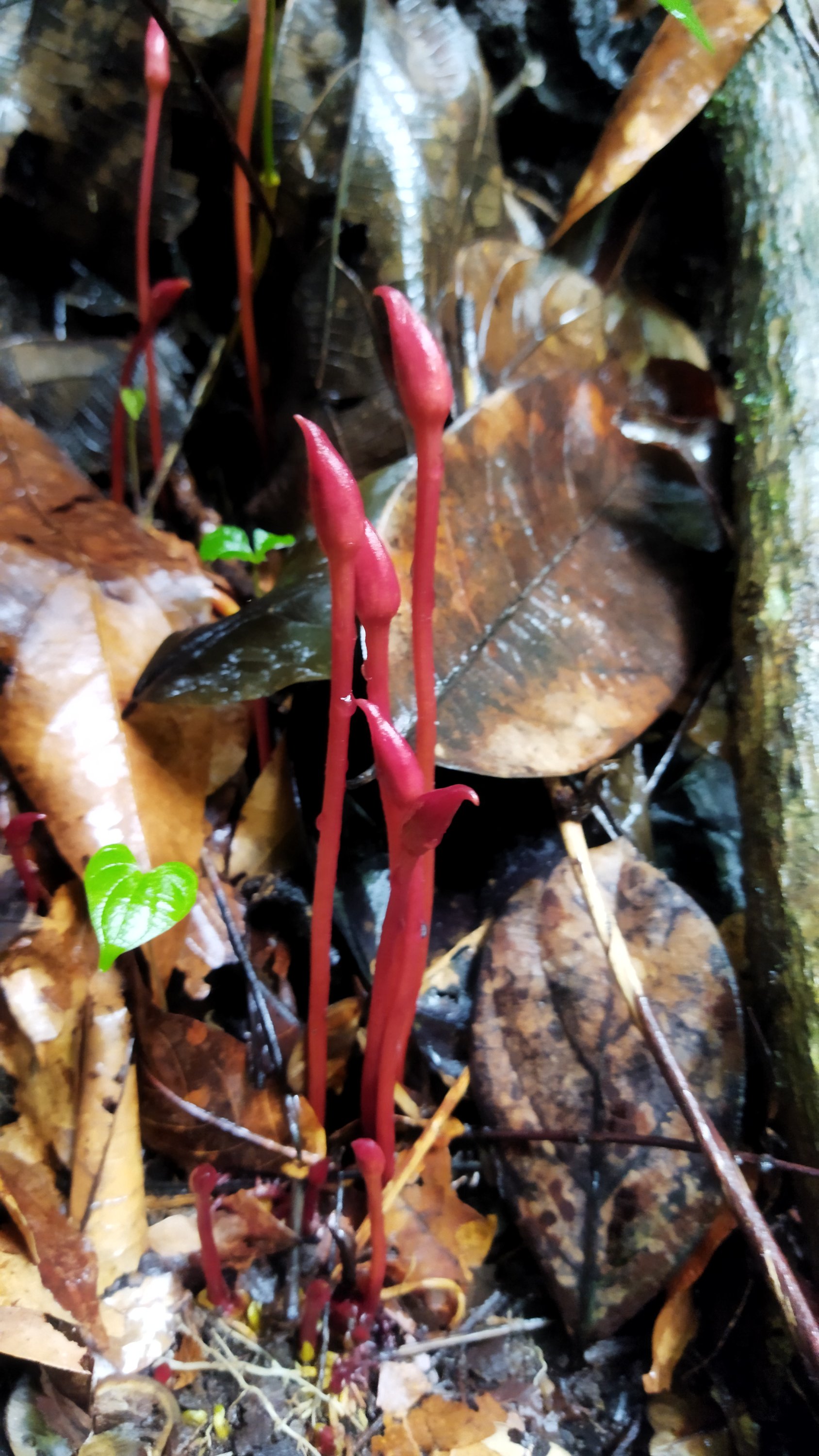
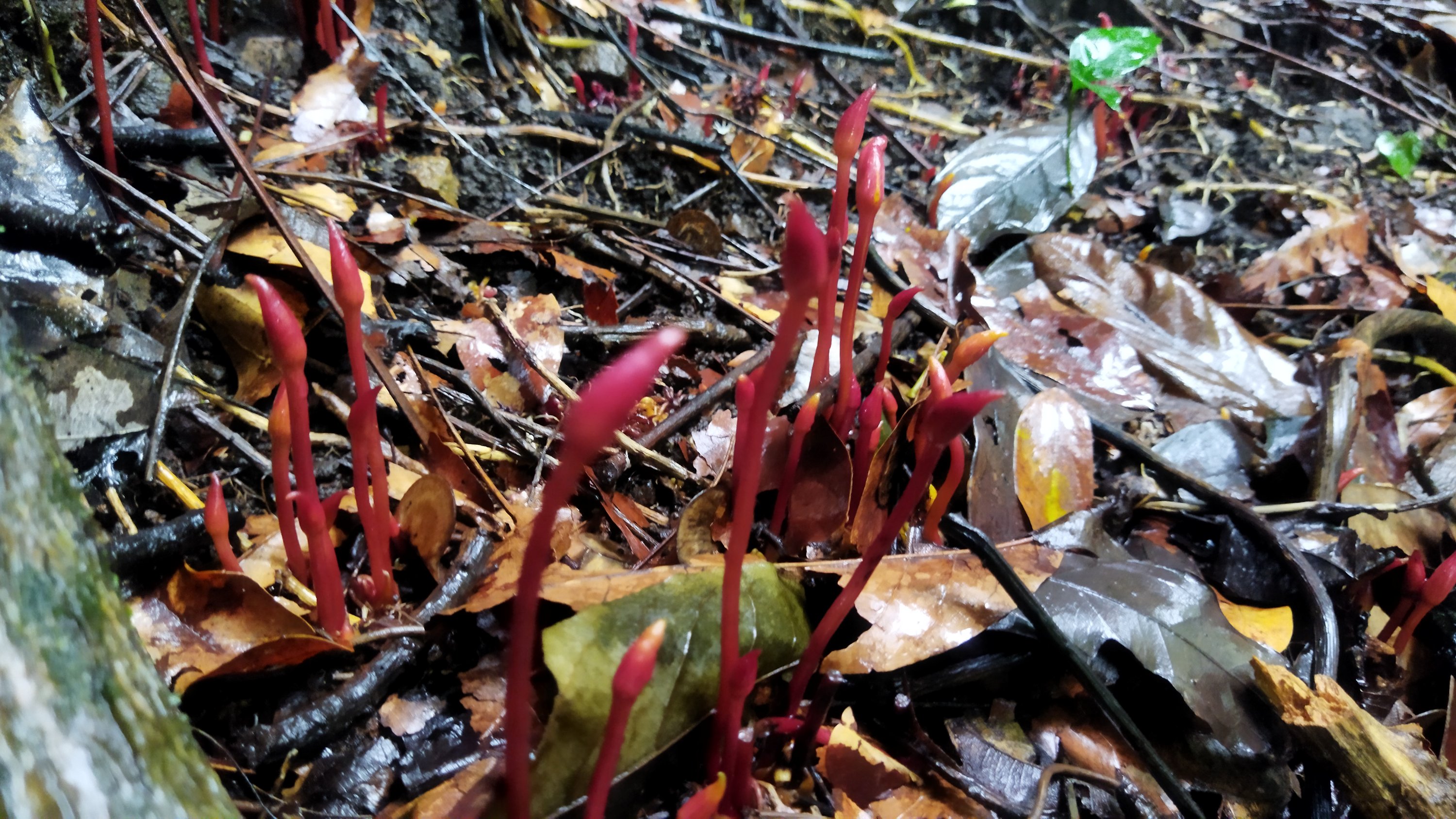
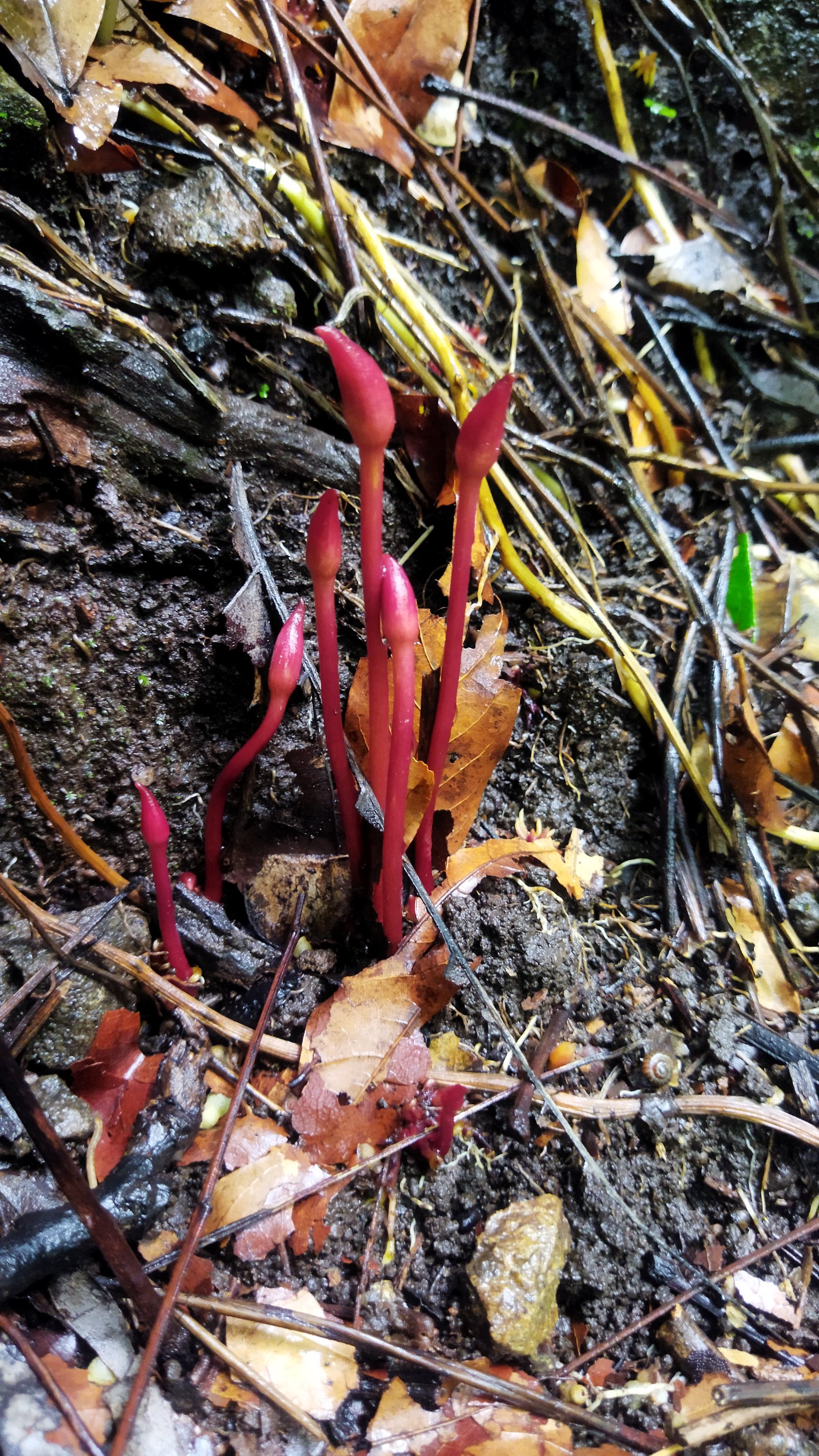
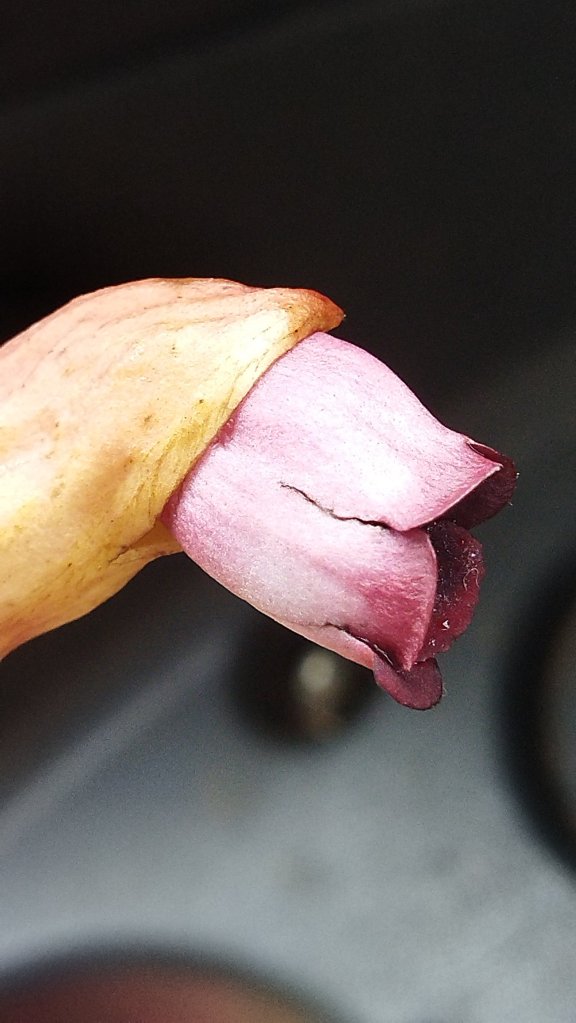
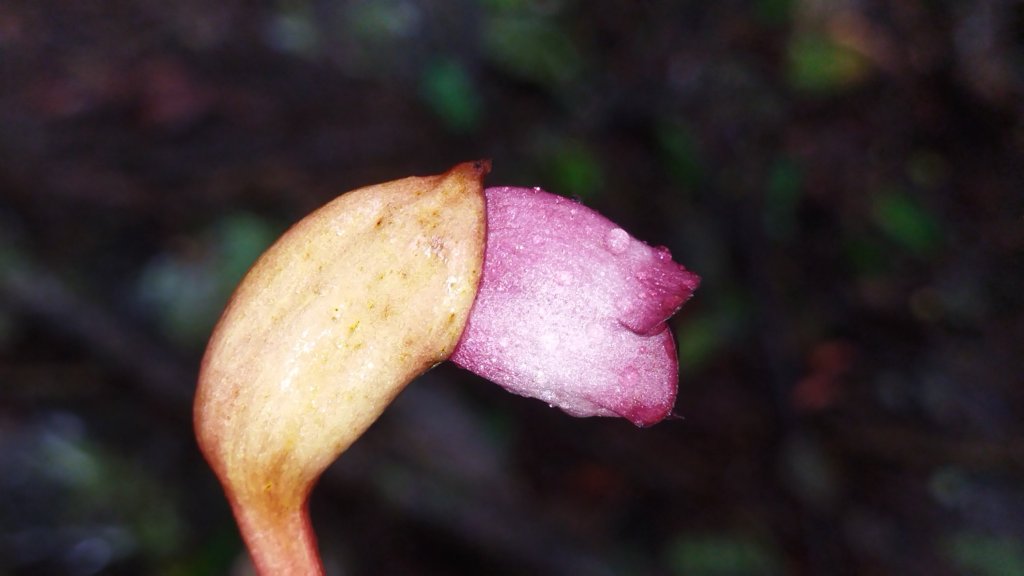
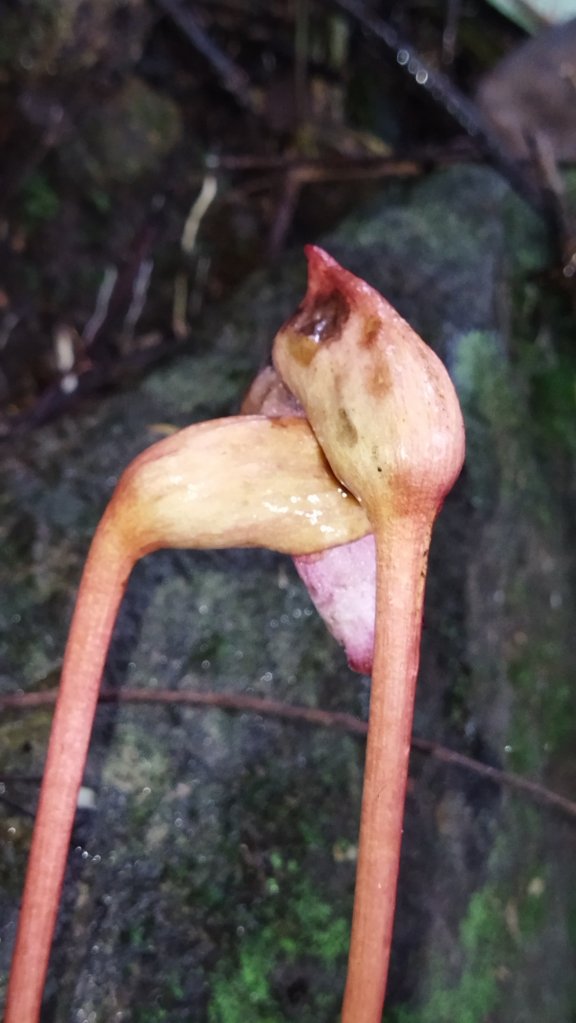
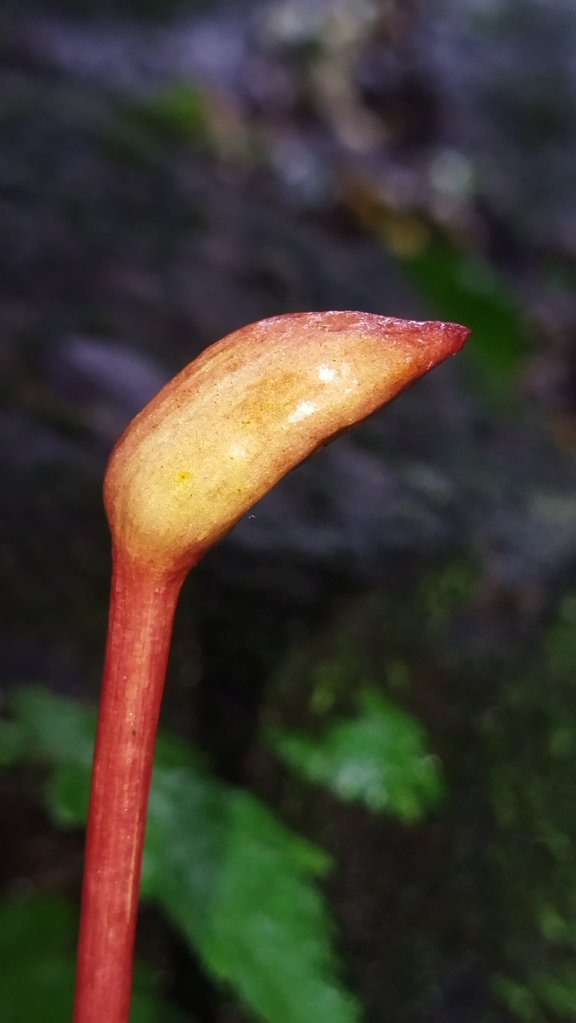
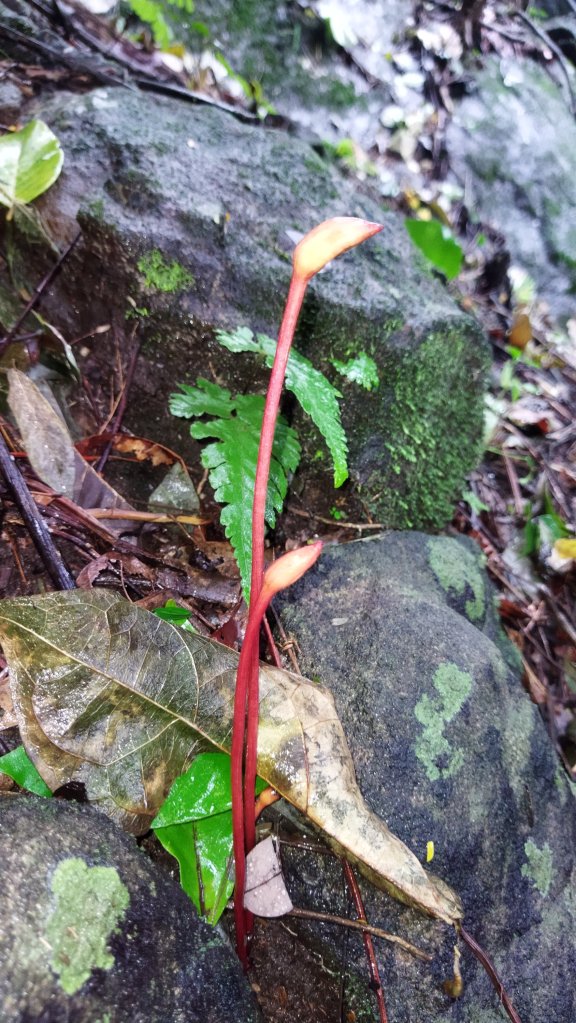
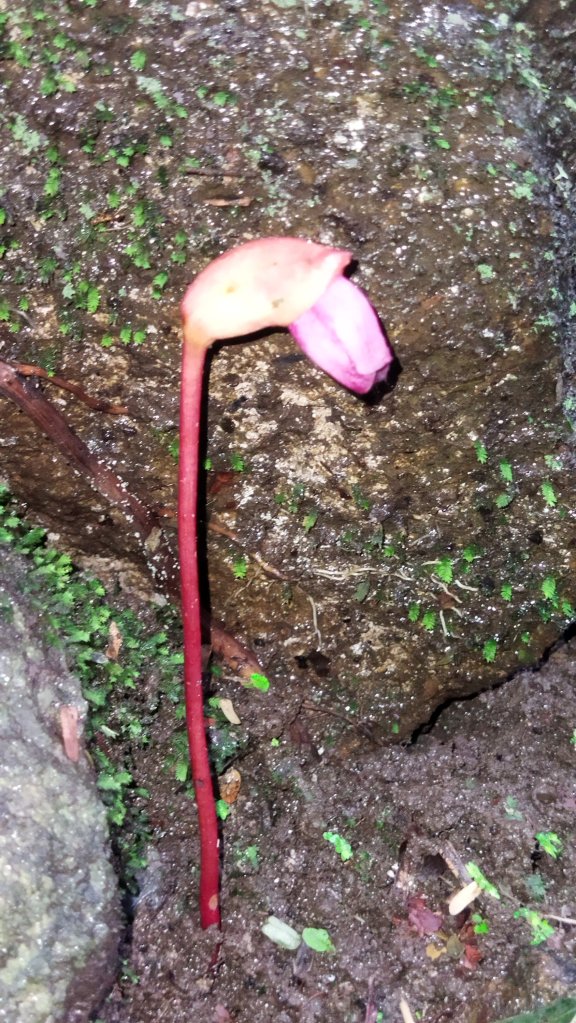
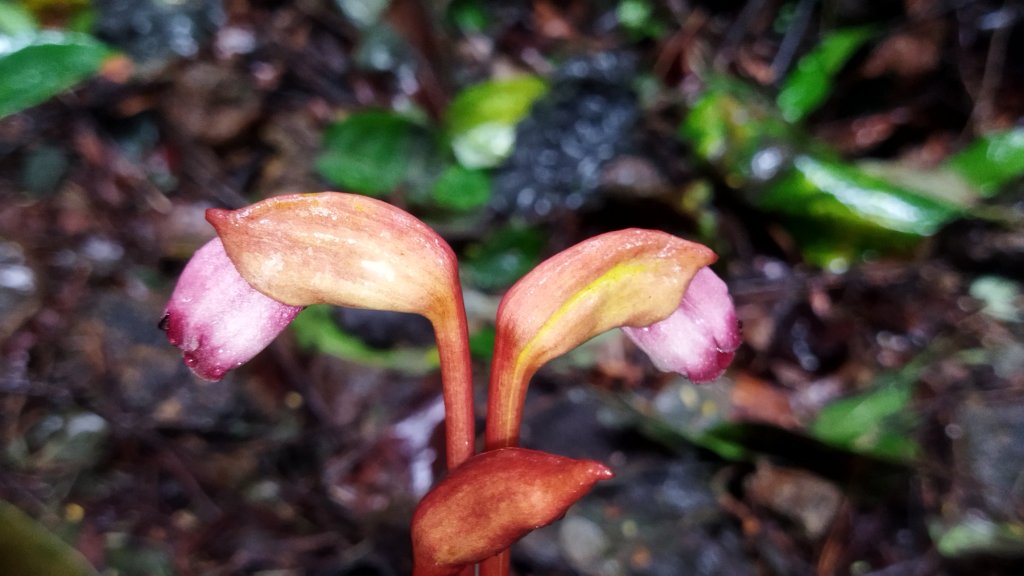
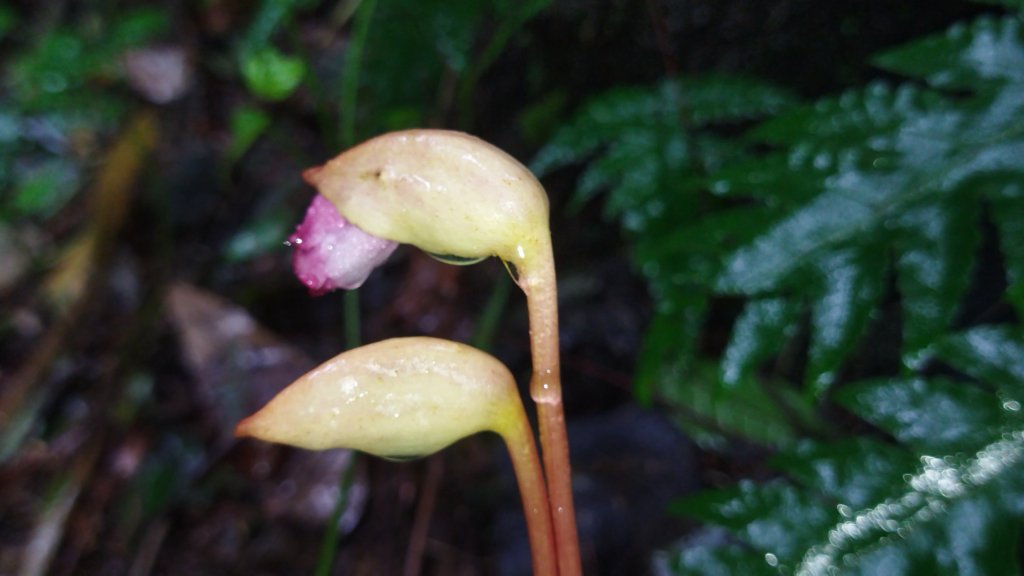
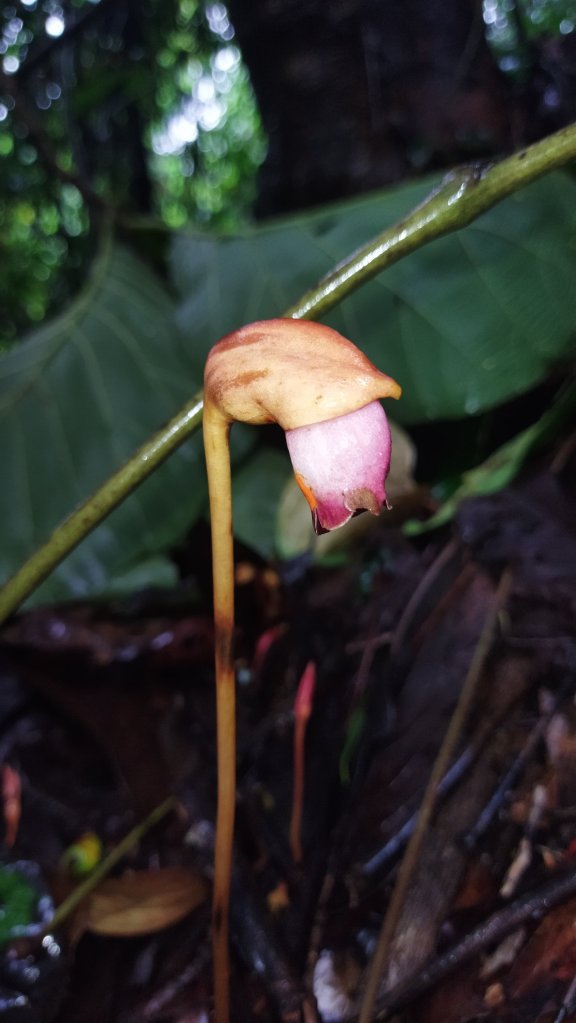
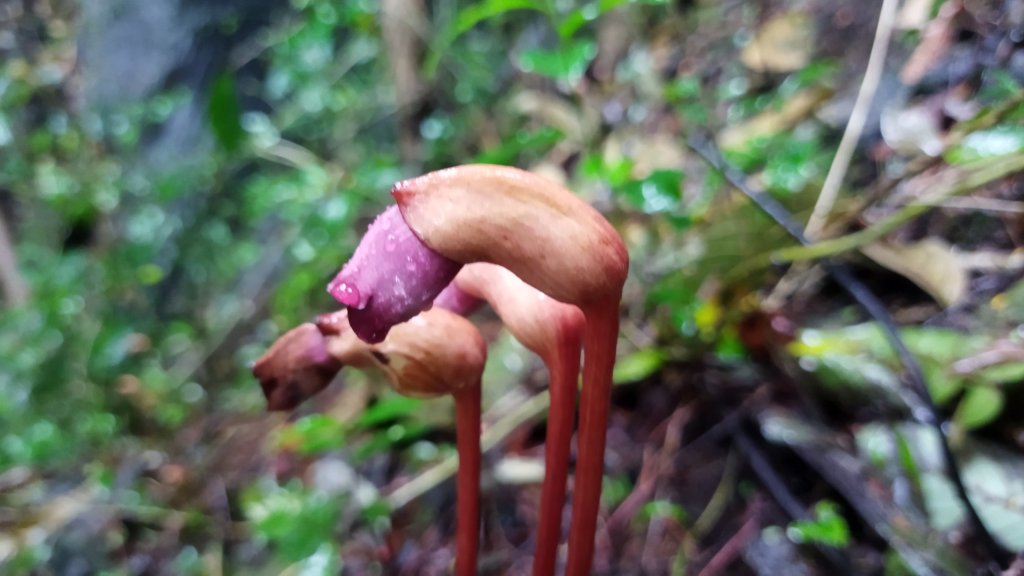
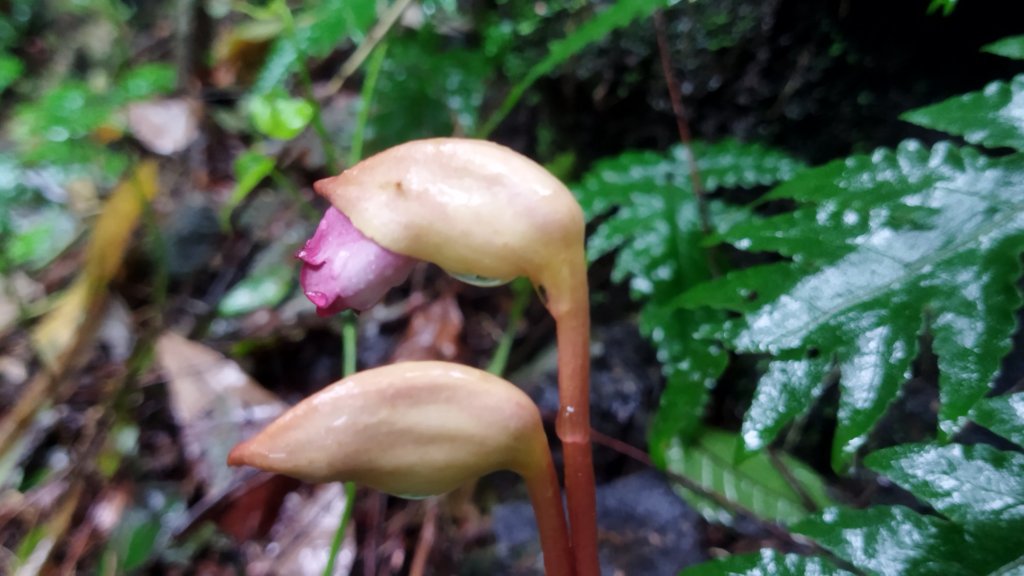
ചെങ്കുമിൾ (Orobanchaceae)

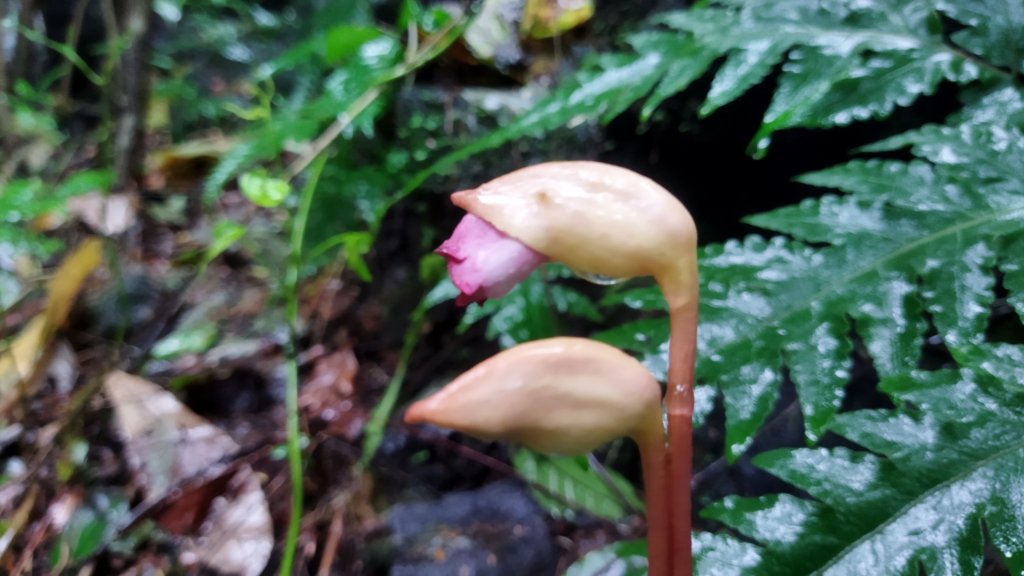
Scientific name : Aeginetia indica

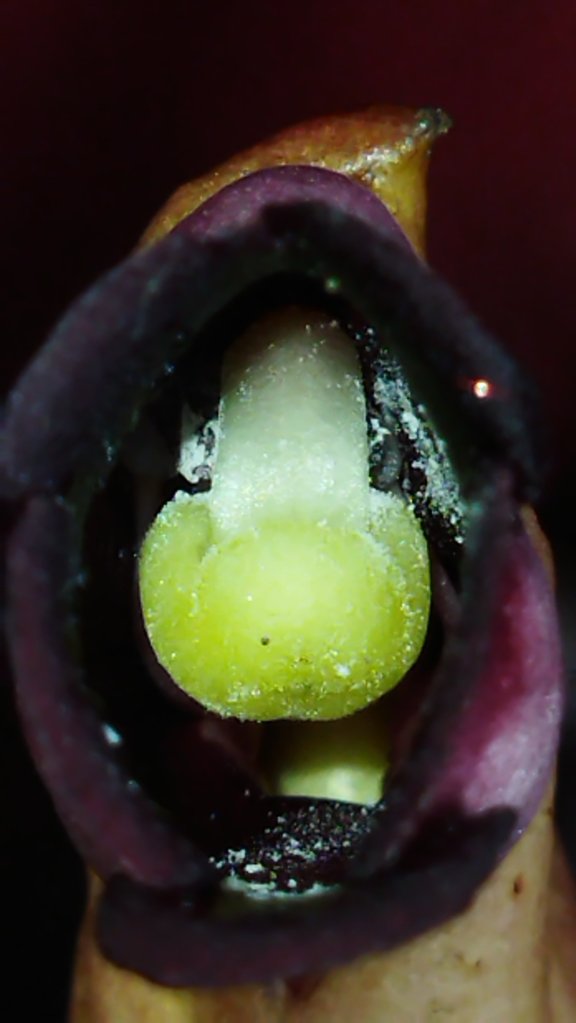
ഏഷ്യയിലെയും ന്യൂ ഗിനിയയിലെയും അർദ്ധനിത്യഹരിത വനങ്ങളിലും ഇലപൊഴിയുംകാടുകളിലും കാണപ്പെടുന്നു.Haustorial roots ഉപയോഗിച്ച് മറ്റു ചെടികളുടെ വേരുകളിൽ നിന്നും ഭക്ഷണം മോഷ്ടിക്കുന്ന പരാന്നഭോജിയാണ് ഇത്. കാട്ടുകാച്ചിൽ ഇത് കൂടുതലായി ആക്രമിക്കുന്ന ചെടിയാണ്. ഇതിന്റെ മാണത്തിൽ നിന്നും ഒരു തണ്ട് ഉയർന്നു വരികയും അതിൽ ഒരു പൂവ് ഉണ്ടാവുകയും ചെയ്യുന്നു.

  • Plant type : herb
  • Root type : Haustorial root
  • Inflorescence : simple
  • Kingdom : plantae
  • Clade : eudicots
  • Family : Orobanchaceae
  • Genus : Aeginetia
  • Species : A. indica

English name : forest ghost flower

Stigma
Overy
പൂവിന്റെ ഛേദം
വേര്

ചെങ്കുമിളിന്റെ കൂടുതൽ ചിത്രങ്ങൾ

ഇരുപൂൾ

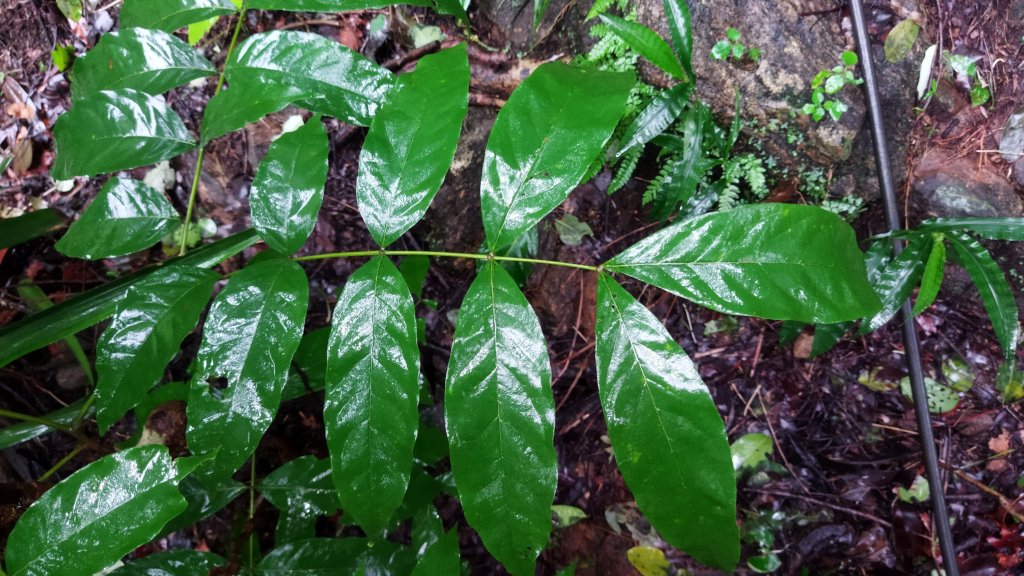
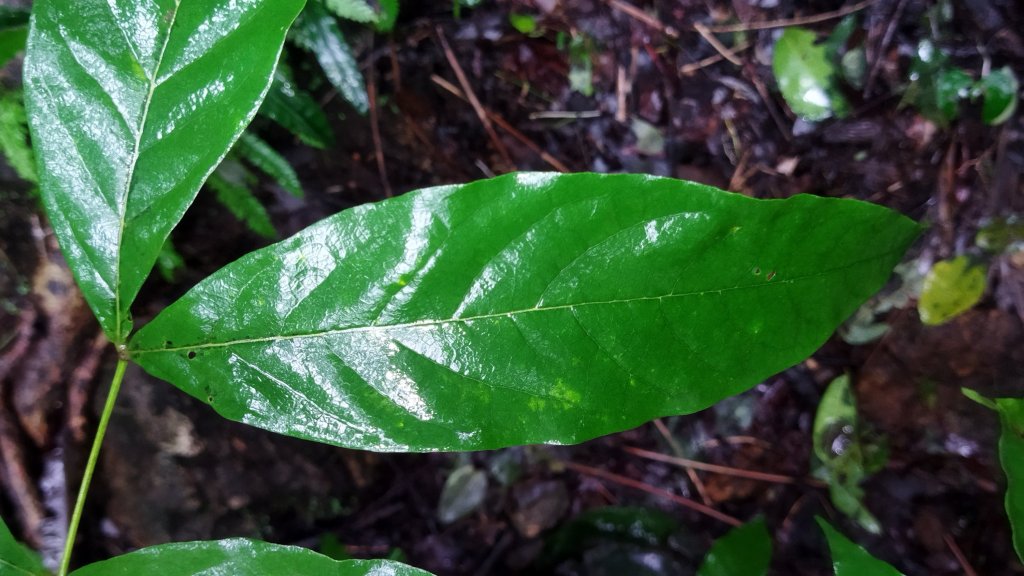
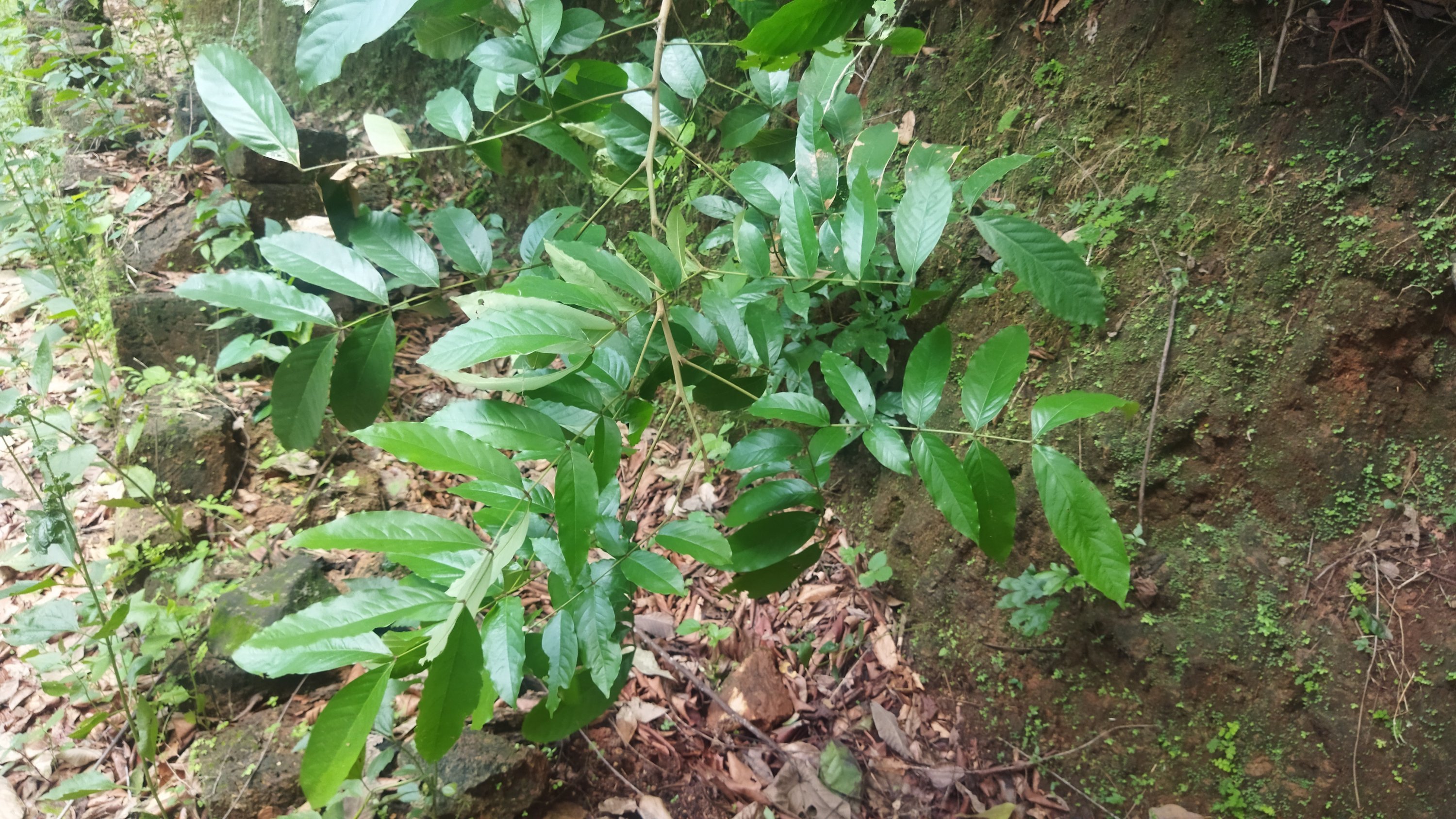
  • Scientific name = Xylia xylocarpa
  • English name = Iron wood
  • Malayalam = ഇരുപൂൾ
  • Habit = Tree
  • Habitat = Moist deciduous forests, also in the plains
  • Family = Fabaceae
  • Native = Indo-Malayan biosphere

കടുപ്പമേറിയ തടിയോട് കൂടിയ ഒരു വൻമരമാണ് ഇരുപൂൾ.കനമുള്ള മരത്തിന്റെ തൊലിക്കു കറുപ്പു കലർന്ന ചുവപ്പു നിറമാണ്. വൃക്ഷത്തിനു പ്രായം വർദ്ധിക്കുമ്പോൾ തൊലി ഉണങ്ങി അടർന്നു വീഴുന്നു. 4 മുതൽ 10 വരെ ഇലകൾ സമ്മുഖമായി വിന്യസിച്ചിരിക്കുന്നു.വേനലിലാണ് പൂക്കാലം ആരഭിക്കുന്നത്. ചെറിയ പൂക്കൾക്ക് ഇളം മഞ്ഞ നിറമാണ്. ഇവയുടെ കായയ്ക്ക് 10-15 സെന്റീമീറ്റർ നീളമുണ്ടാകും. മൂപ്പെത്തിയ കായയ്ക്ക് ഇളം കറുപ്പു നിറമാണ്. മരത്തിൽ നിന്നും മൂപ്പെത്തിയ ഫലം പൊട്ടിയാണ് വിത്ത് വിതരണം ചെയ്യപ്പെടുന്നത്. വിത്തുകൾ വൃക്ഷത്തിൽ നിന്നും കായ പൊട്ടി തെറിക്കുന്നു.എല്ലാവിധ ഫർണിച്ചർ ആവശ്യങ്ങൾക്കും തടി ഉപയോഗിക്കുന്നു.വൃക്ഷത്തിന്റെ വിത്തിൽ നിന്നും സംസ്കരിച്ചെടുക്കുന്ന എണ്ണ വാതരോഗത്തിനും കുഷ്ഠത്തിനും പ്രതിവിധിയായി ഉപയോഗിക്കുന്നു. തൊലി അതിസാരത്തിനും ഛർദ്ദിക്കും ഉപയോഗിക്കാറുണ്ട്. തടിയുടെ കാതൽ വാറ്റിയെടുക്കുന്ന എണ്ണ കുഷ്ഠരോഗ ചികിത്സക്കായി ഉപയോഗിക്കുന്നു.
  • Kingdom : plantae
  • Clade : Eudicots
  • Family : Fabaceae
  • Genus : xylia
  • Species : X.xylocarpa

Photos : Robins Thomas

Pinnately compound leaf
Leaf lamina

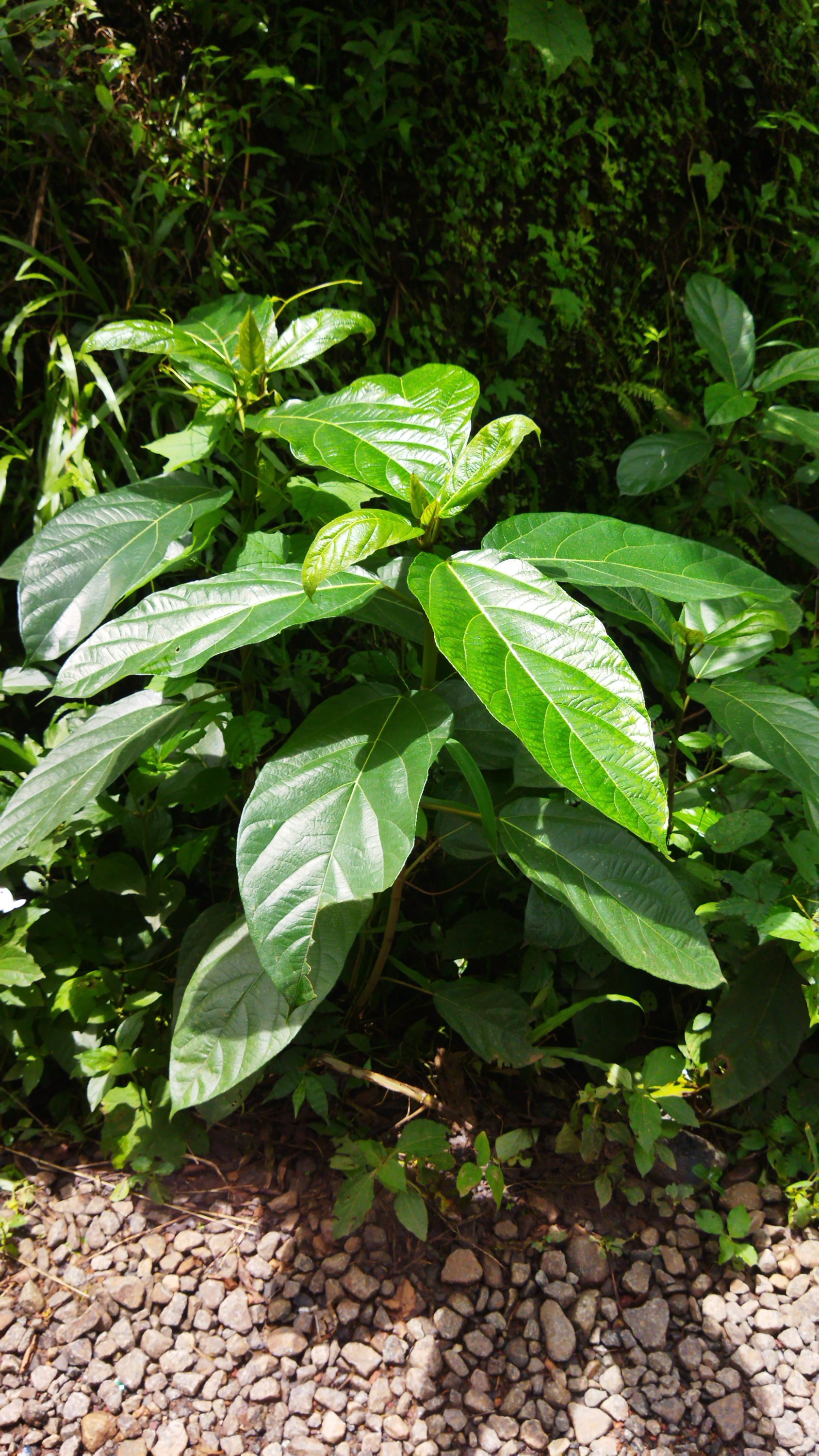
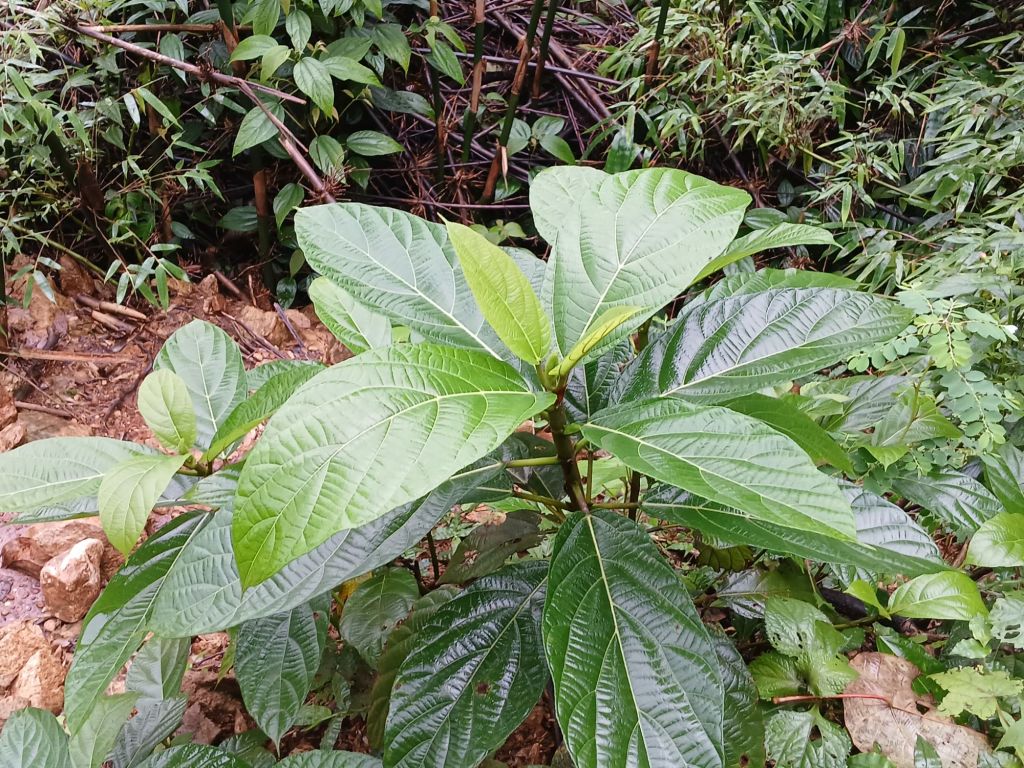
Ficus hispida

എരുമനാക്ക്

Ficus hispida, commonly known as the hairy fig or rough fig, is a tropical tree species belonging to the Moraceae family. This unique tree is widely distributed across South and Southeast Asia, including India, Sri Lanka, Malaysia, and Indonesia. It is known for its distinctive hairy leaves, figs that grow directly on the trunk, and numerous medicinal properties.

Scientific classification

Kingdom: Plantae
Clade: Tracheophytes
Clade: Angiosperms
Clade: Eudicots
Clade: Rosids
Order: Rosales
Family: Moraceae
Genus: Ficus
Subgenus: F. subg. Sycomorus
Species: F. hispida

Morphology

Ficus hispida, commonly known as the hairy fig or rough fig, has unique morphological features that distinguish it from other fig species. Below is a detailed description of its morphological characteristics:

1. Habit (Growth Form)

Ficus hispida is a small to medium-sized deciduous tree or large shrub.

It typically grows between 3 to 10 meters in height.

The tree often has multiple branches with a spreading canopy.

It may develop aerial roots in moist environments.


2. Bark

The bark is light brown to grayish in color.

It has a rough, somewhat cracked texture.

The inner bark contains a milky latex, which is common in fig species.


3. Leaves

The leaves are simple, opposite, and have a rough, hairy texture.

Shape: Elliptical to ovate, with a pointed tip.

Size: 10–25 cm in length and 5–10 cm in width.

The upper surface is rough and hairy, while the underside has dense hairs.

The leaf margin is entire (smooth-edged) or slightly wavy.

Prominent veins with a yellowish midrib.


4. Inflorescence and Flowers

Ficus hispida follows a unique cauliflorous habit, meaning its flowers and fruits grow directly on the trunk and branches.

The flowers are minute and enclosed within the fig structure (syconium).

The plant has separate male and female trees (dioecious nature).

Pollination is carried out by fig wasps, which enter the fig through a small opening.


5. Fruits (Figs)

The fruits, called figs (syconia), are round to oval.

Size: About 2–4 cm in diameter.

Color: Green when young, turning yellow, orange, or reddish-brown upon ripening.

Texture: Rough and hairy.

The figs are borne in clusters directly on the trunk and branches, making them easily accessible to animals.


6. Roots

The tree develops a fibrous root system, which helps it anchor in riverbanks and moist soils.

In humid environments, it may develop aerial roots that help in nutrient absorption and stability.

Range

Native to:
Andaman Is., Assam, Bangladesh, Borneo, Cambodia, China South-Central, China Southeast, East Himalaya, Hainan, India, Jawa, Laos, Lesser Sunda Is., Malaya, Maluku, Myanmar, Nepal, New Guinea, Nicobar Is., Northern Territory, Queensland, Sri Lanka, Sulawesi, Sumatera, Thailand, Vietnam, West Himalaya, Western Australia

Images

ഉപ്പിളിയൻ

വിതരണം

സൗത്ത് ഇന്ത്യ

രൂപവിവരണം

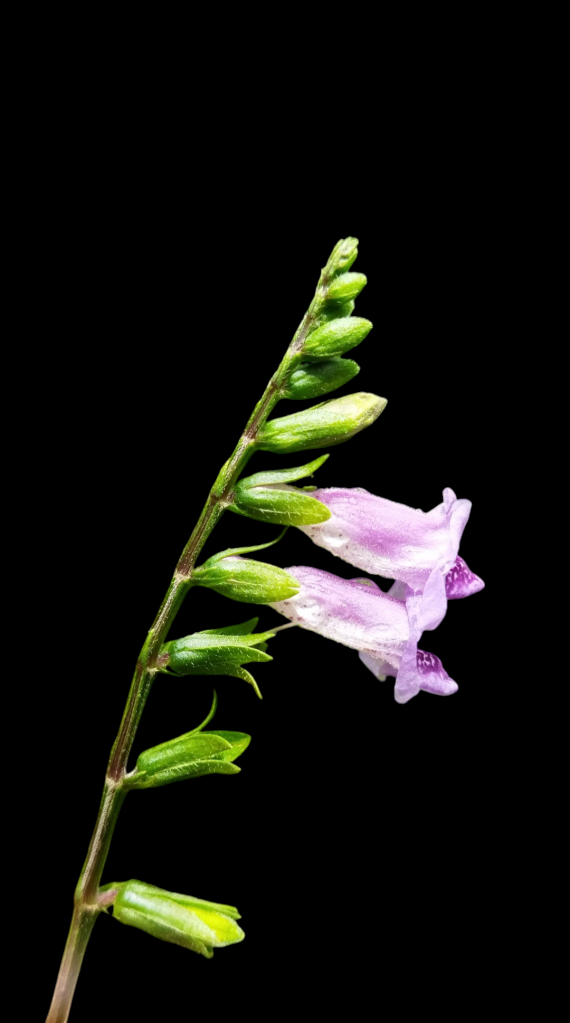
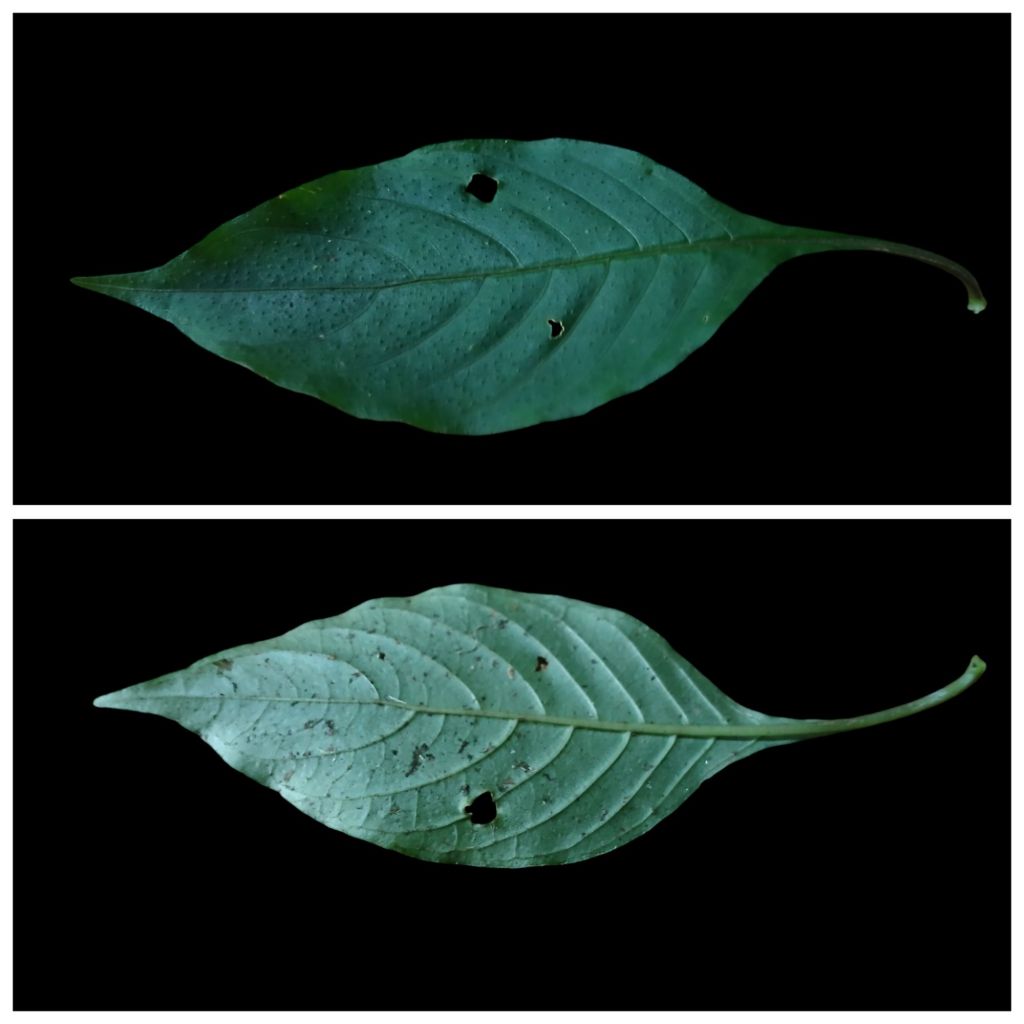
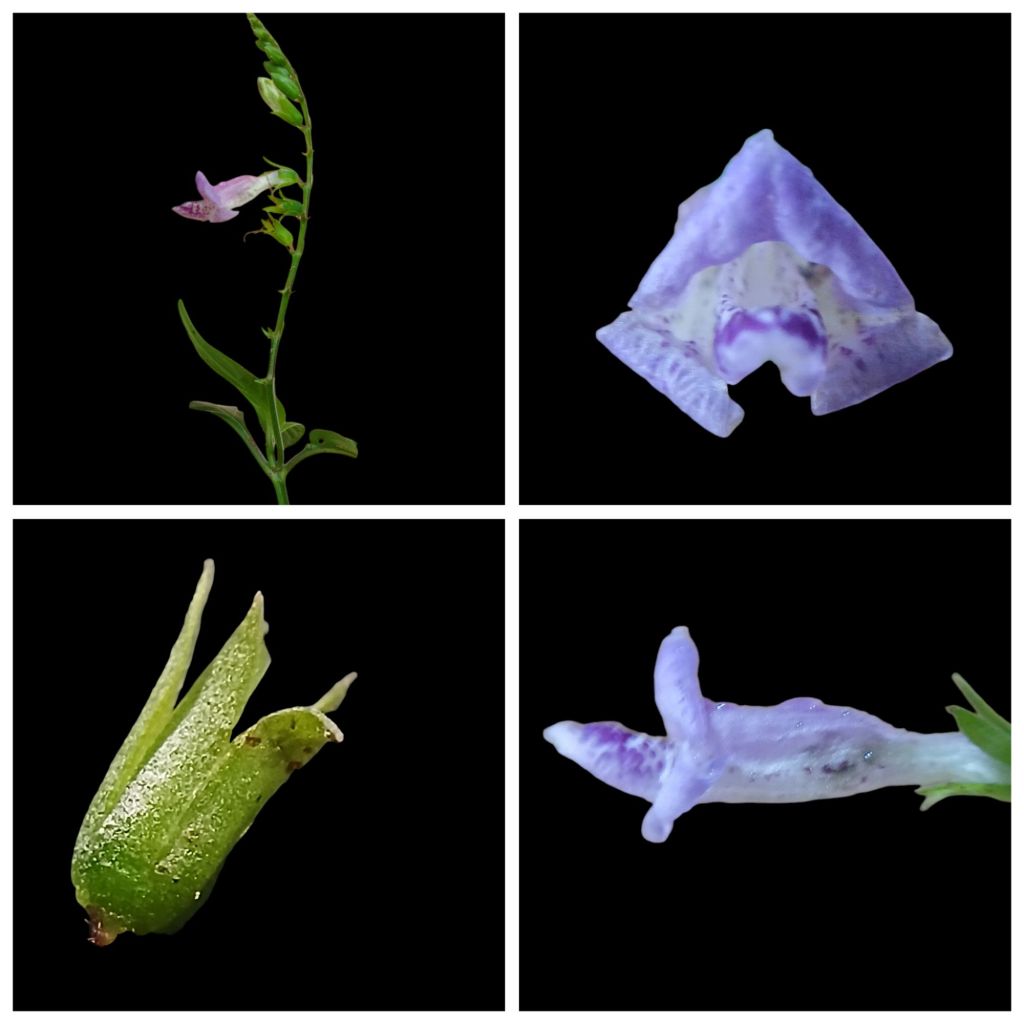
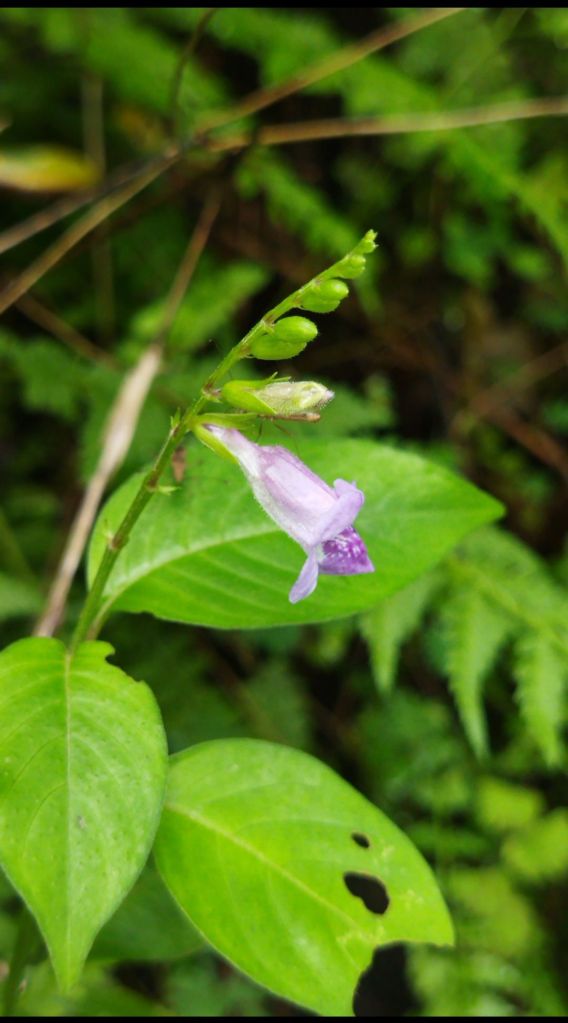
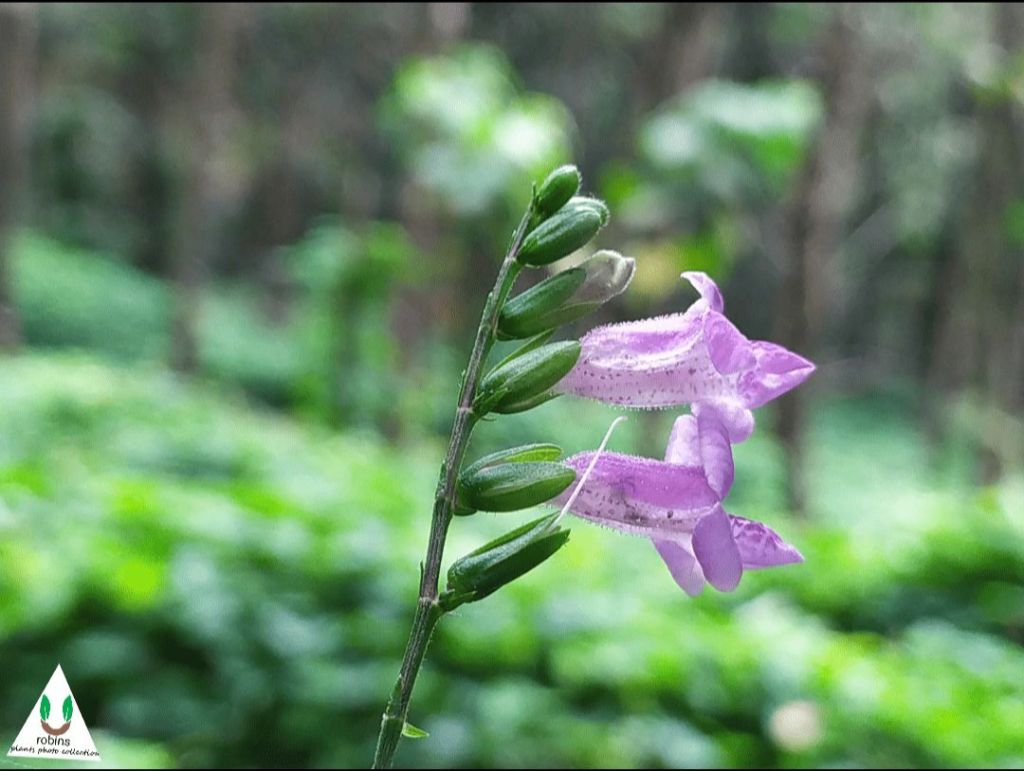
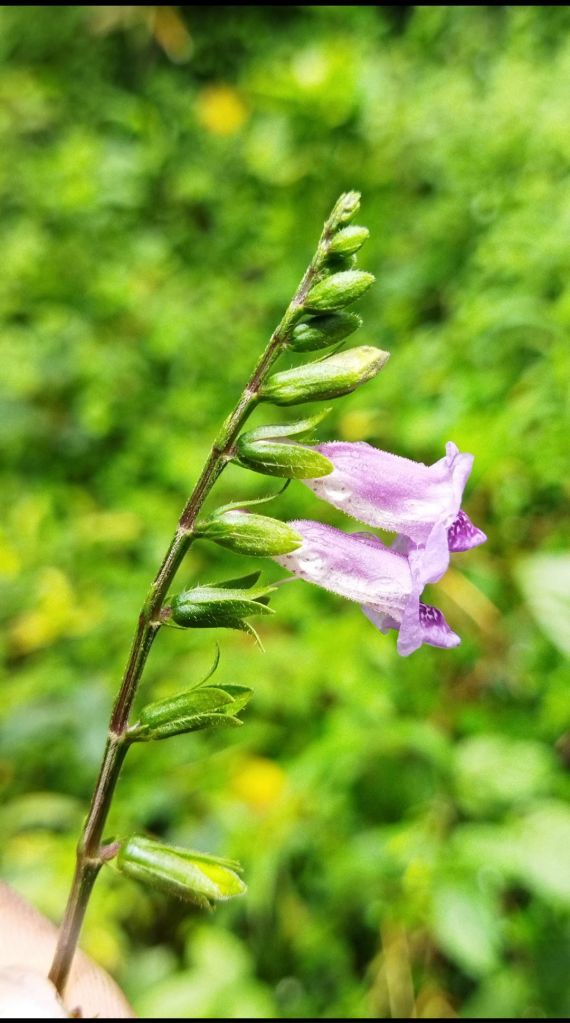
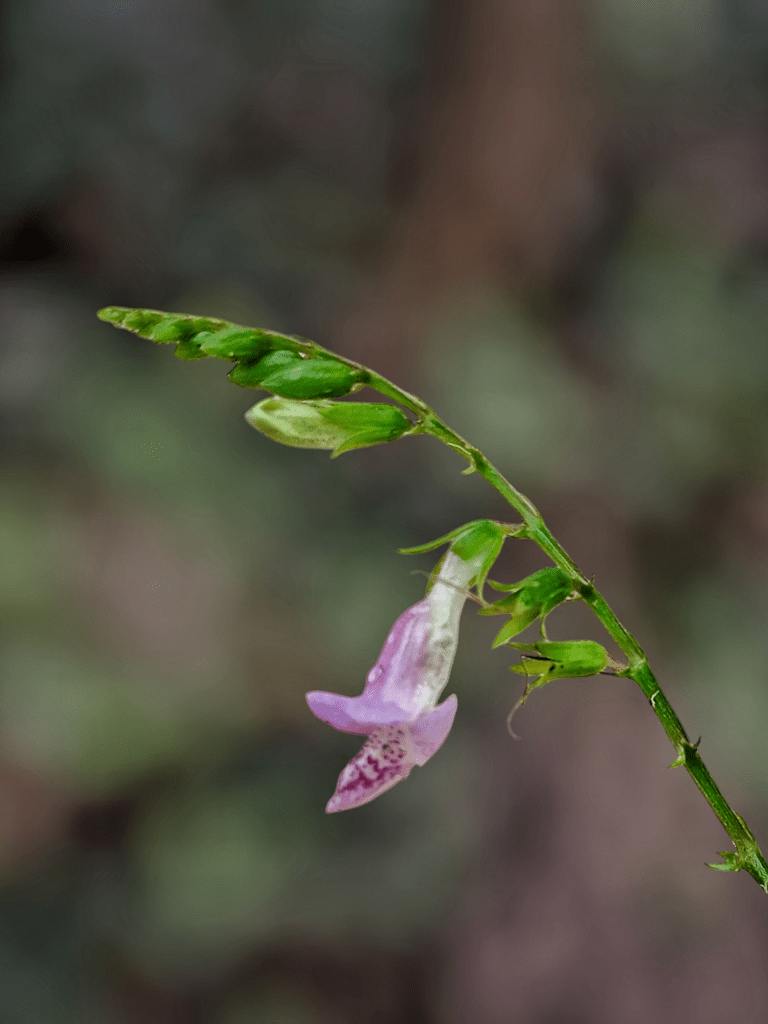
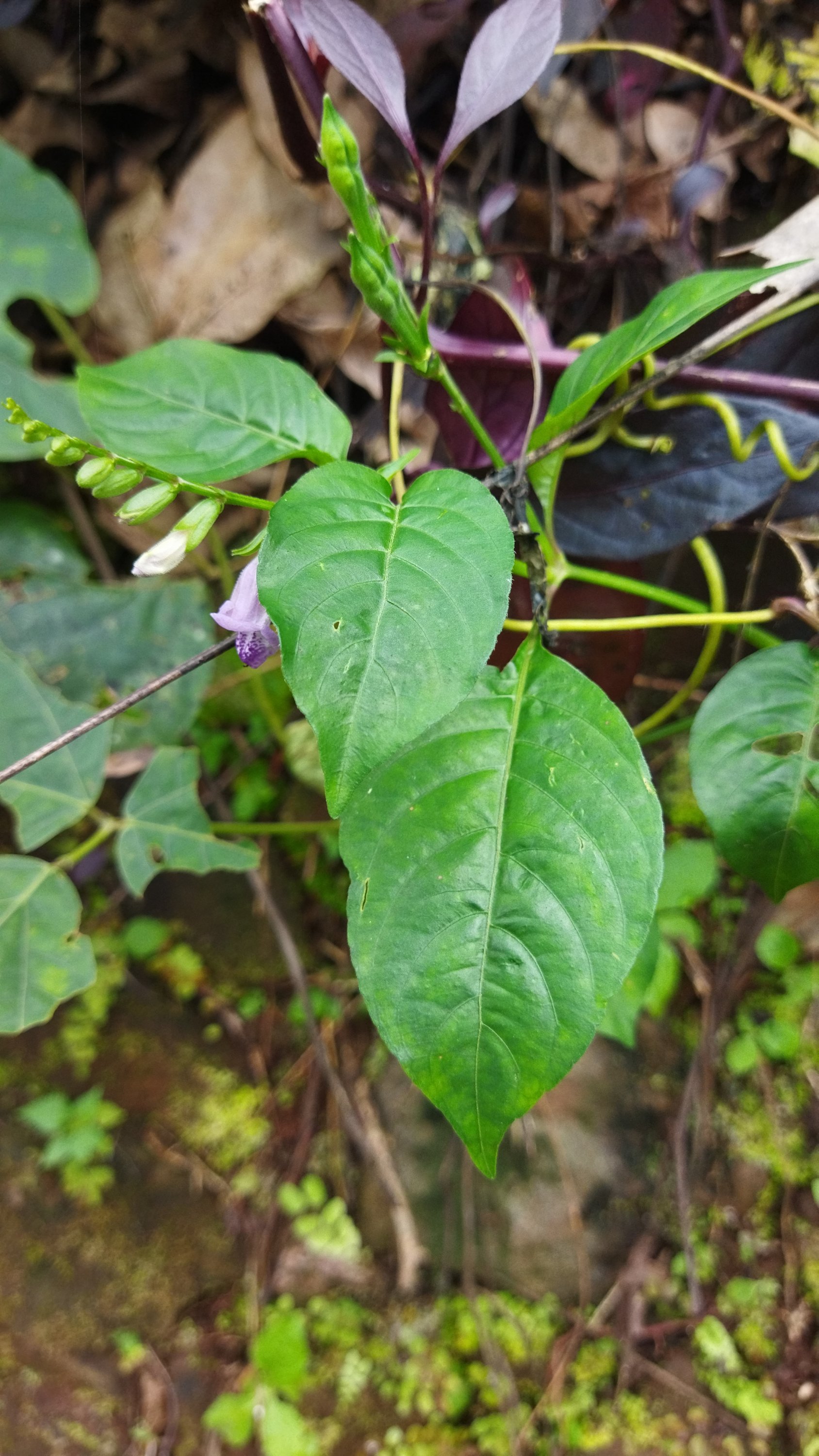
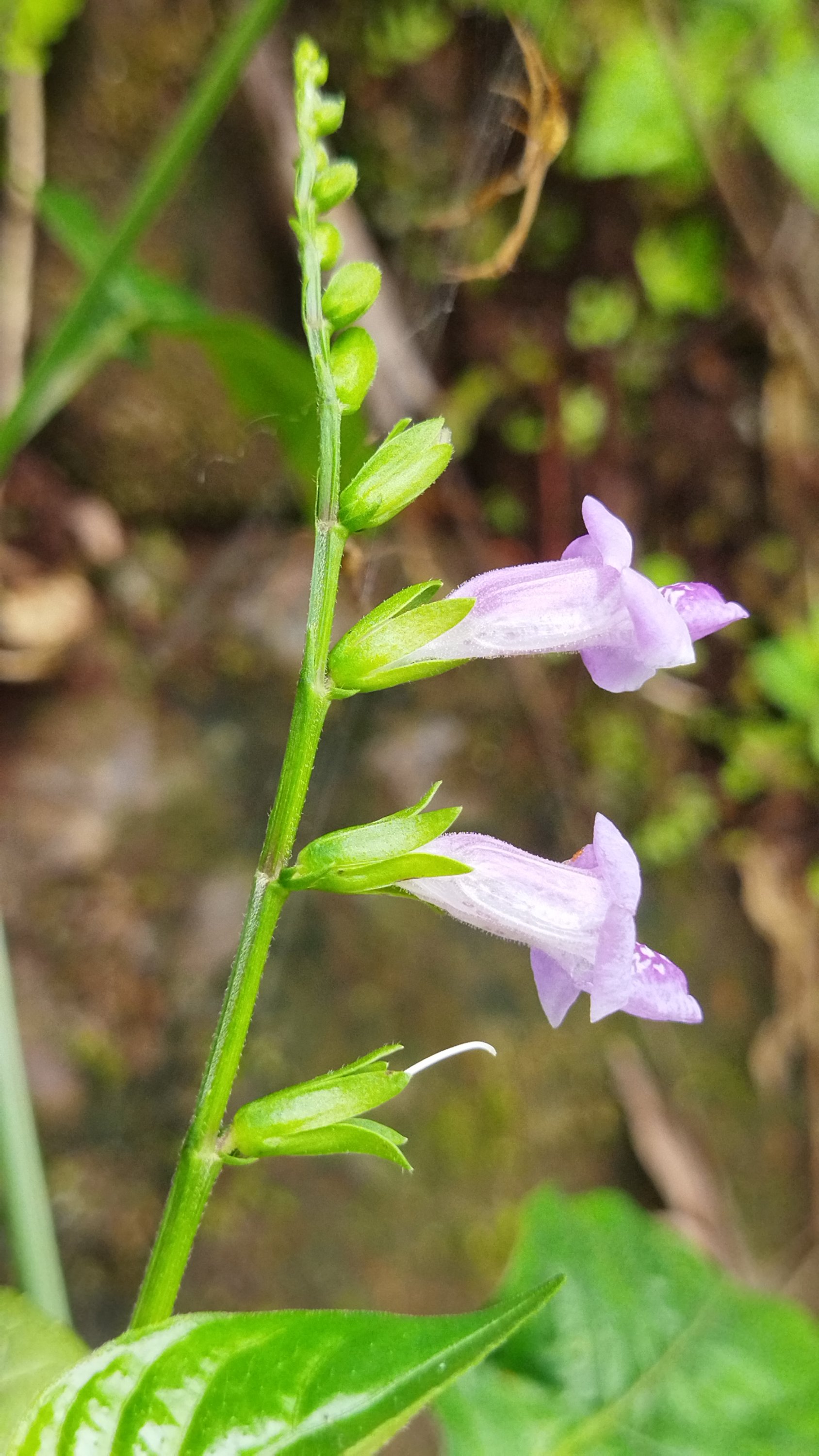
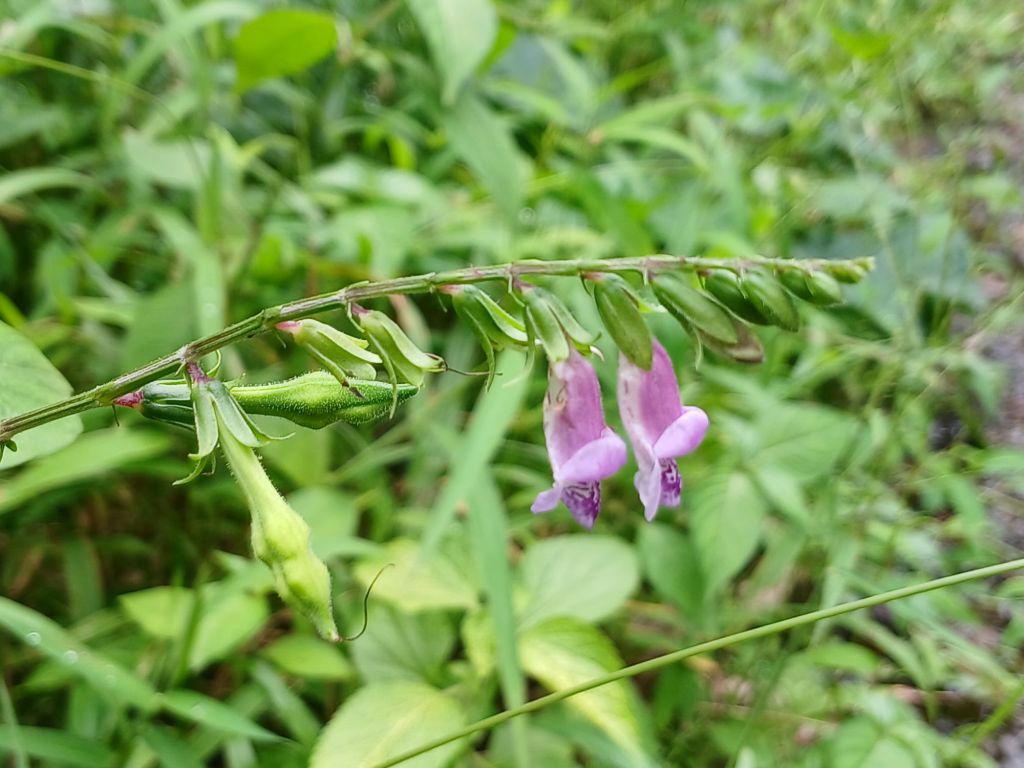
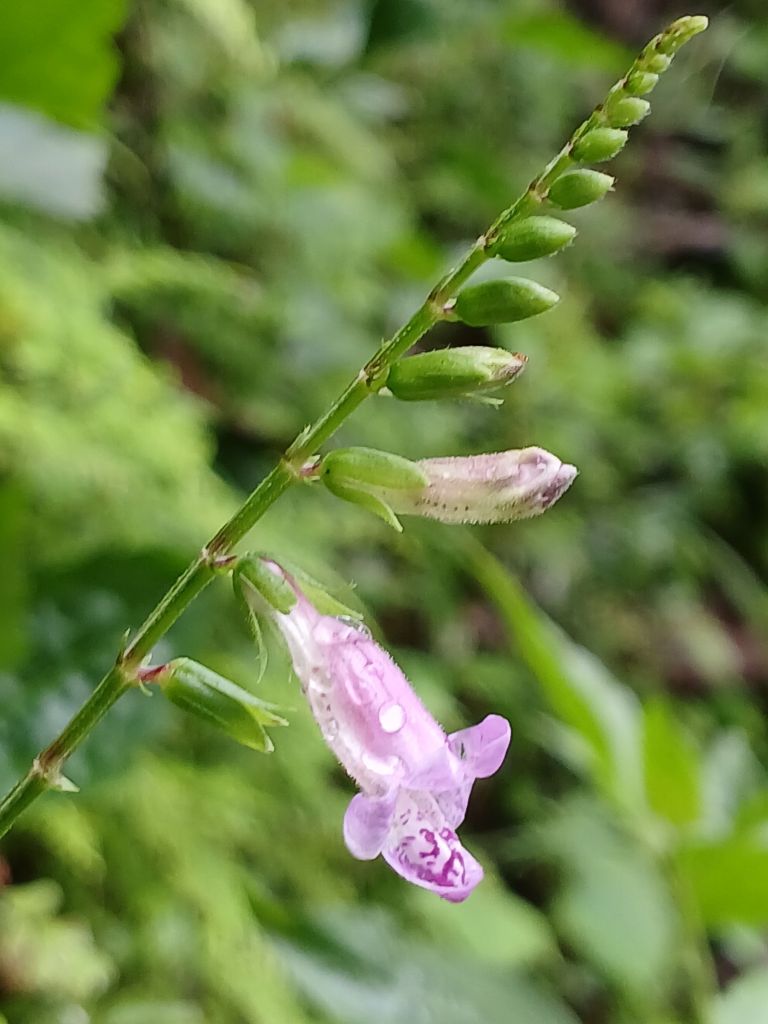
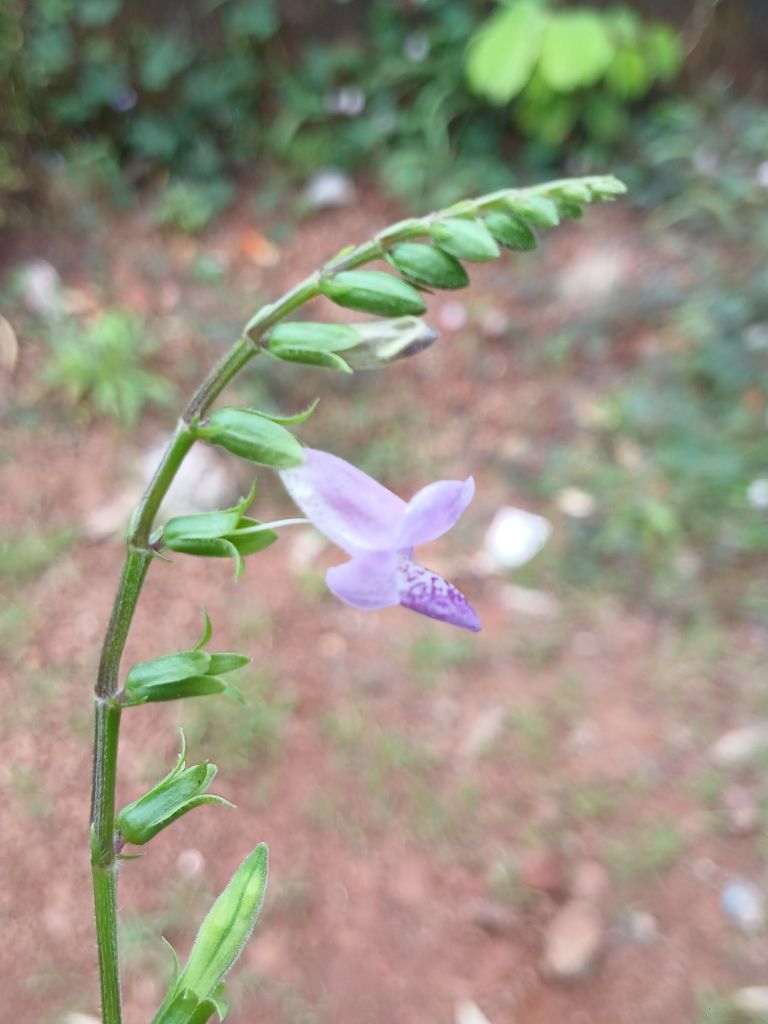
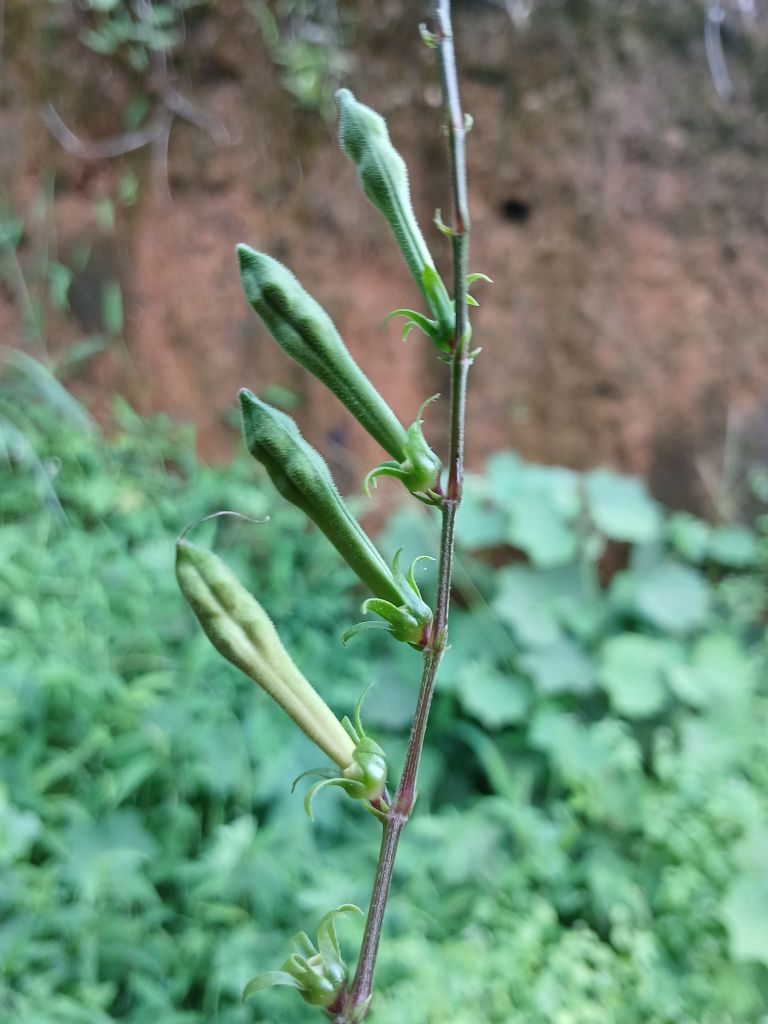
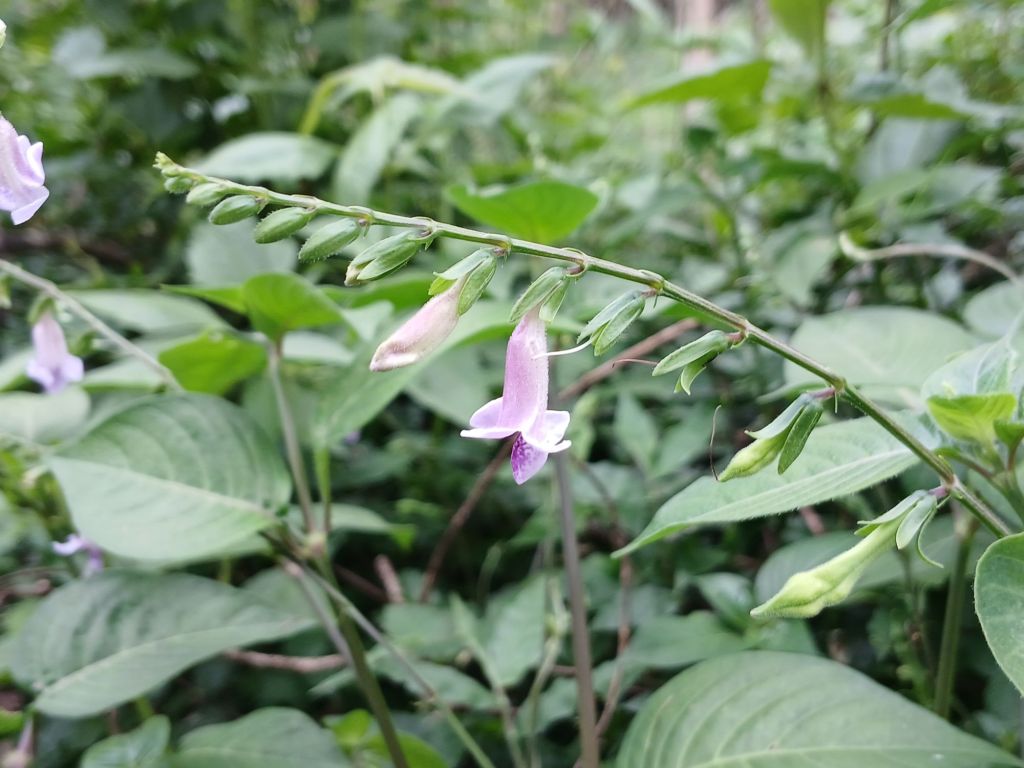
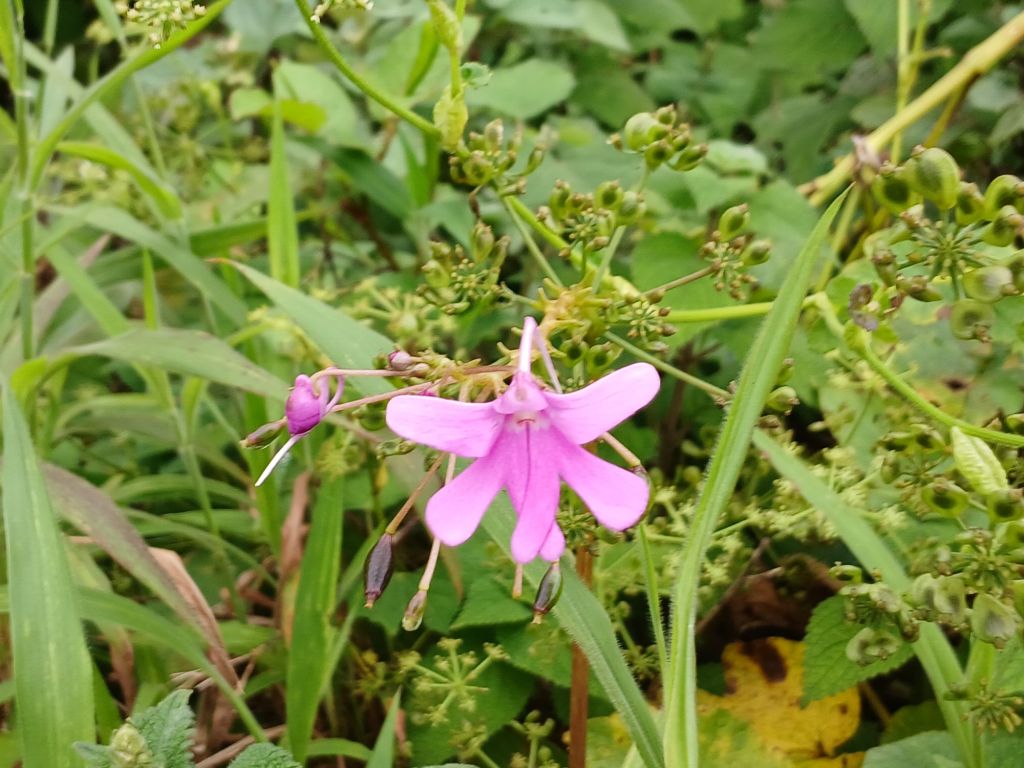
ഒരു മീറ്റർ വരെ ഉയരം വയ്ക്കുന്ന ബഹുവർഷ കുറ്റിച്ചെടി.ഉപ്പുതെളി, ഉപ്പിളി, മയിത്താൾ, മൈത്താൾ എന്നീ പേരുകളിലും ഇത് അറിയപ്പെടുന്നുണ്ട്.ഇലകൾ സമുഖം.പൂക്കൾ പർപ്പിൾ വയലറ്റ് നിറങ്ങൾ.പൂക്കൾ ബെൽ ആകൃതിയിൽ അഞ്ചു ദളങ്ങൾ.നാല് കേസരങ്ങൾ.ഓഗസ്റ്റ് നവംബർ മാസങ്ങളാണ് പൂക്കാലം.
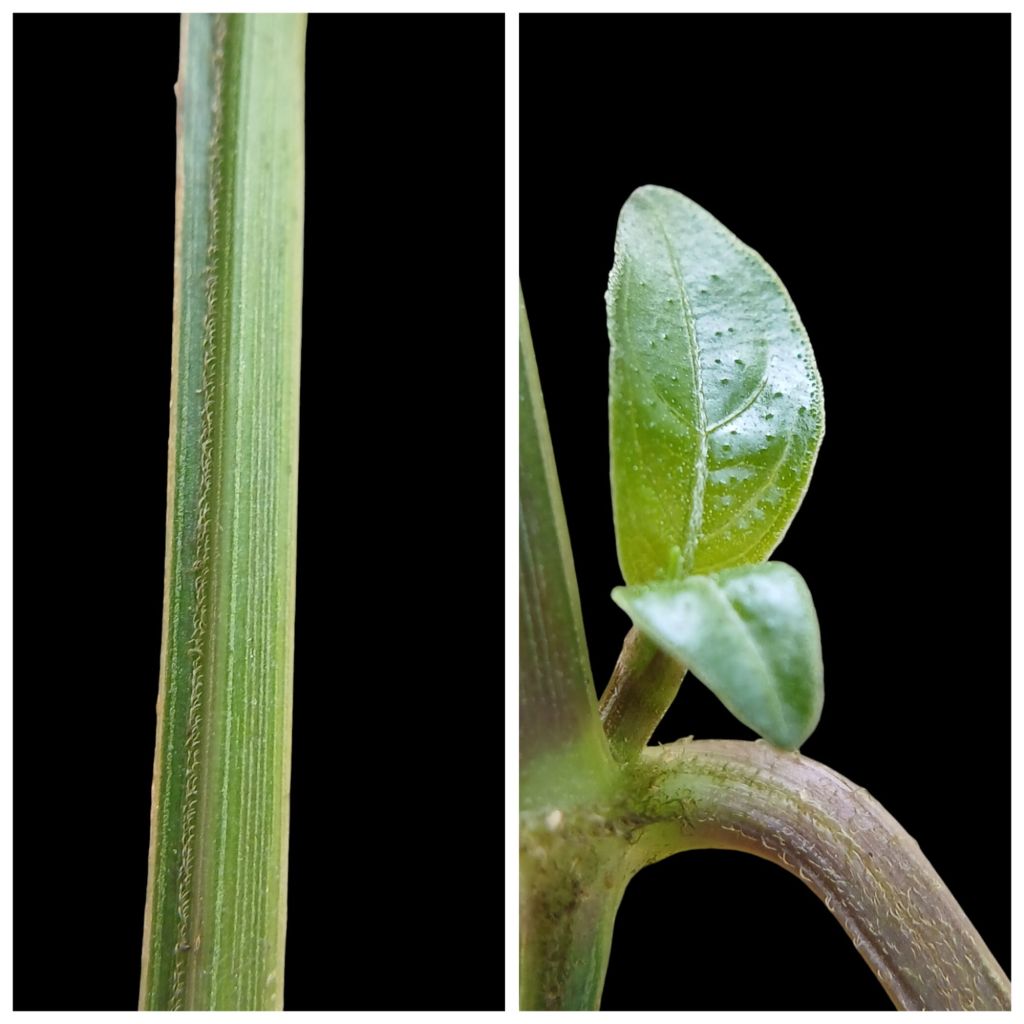
ബലവും മിനുസ്സവുമുള്ള തണ്ടുകൾ, ഓരോ നോഡും മുഴച്ചിരിക്കും, Stipul ഉണ്ട്.
ഇല ദീർഘവൃത്തം നീളമുള്ള ഇലഞെട്ട്
പൂക്കൾ കുലയായി ഉണ്ടാവുന്നു, അഞ്ച് വിദളങ്ങൾ, കാലിക്സ് പച്ച, മൂന്ന് ദളങ്ങൾ നീലനിറം
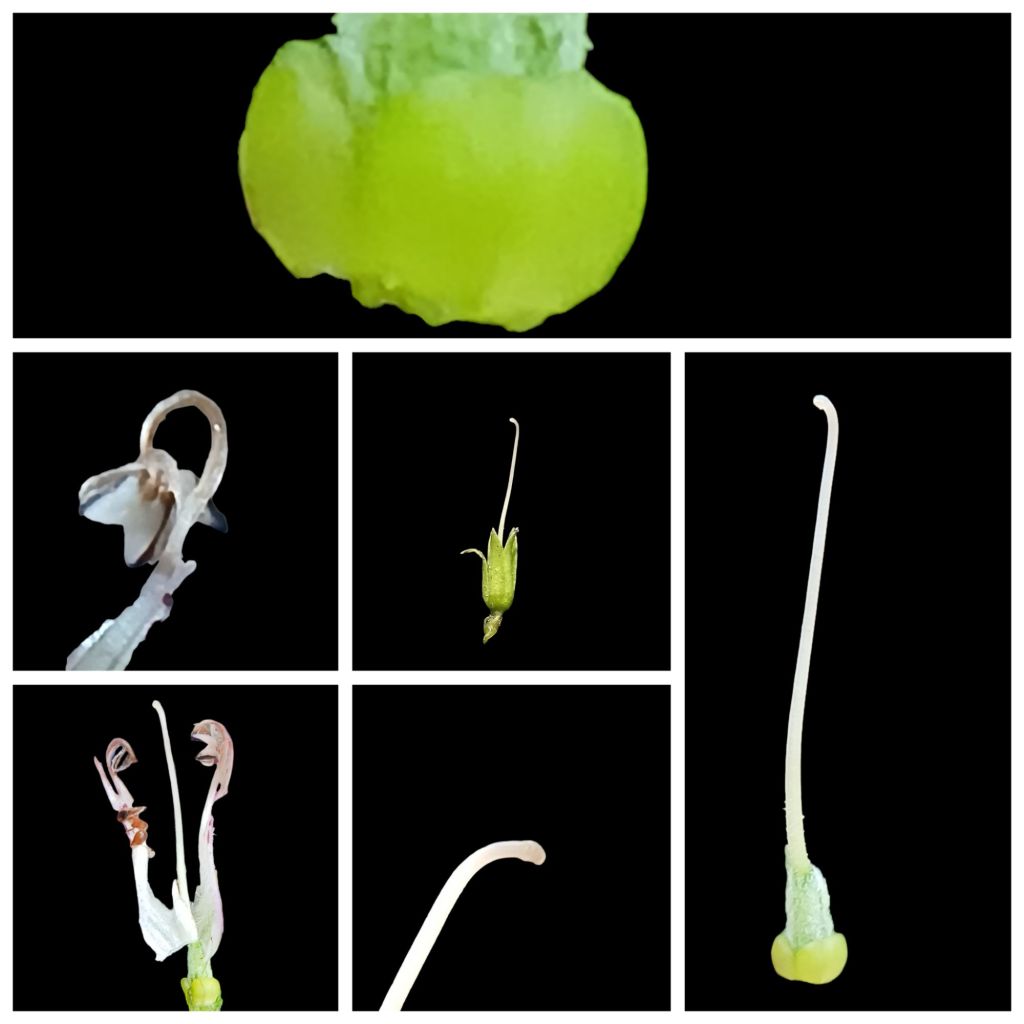
നാല് കേസരങ്ങൾ, രണ്ട് ജോഡിയായി നിൽക്കുന്നു. കേസരങ്ങൾ പൂർണ്ണമായും പൂവിനുള്ളിലാണ്, സ്റ്റൈൽ മെലിഞ്ഞത്, ഒരു സ്റ്റിഗ്മ, ഓവറി മേജർ ആണ്.

ഉപയോഗം

നാട്ടുവൈദ്യങ്ങളിൽ വ്യാപകമായി ഉപയോഗിച്ചിരുന്ന ഈ ചെടി പണ്ട് ഉപ്പു ശുദ്ധീകരിക്കാൻ ഉപയോഗിച്ചിരുന്നു. മാലിന്യമുള്ള ഉപ്പ് തിളയ്ക്കുന്ന വെള്ളത്തിലേക്ക് ഇട്ട ശേഷം ഉപ്പിളിയന്റെ തണ്ട് ചതച്ച് ചേർത്ത് വീണ്ടും തിളപ്പിക്കുന്നു. കുറെക്കഴിയുമ്പോൾ മാലിന്യങ്ങളും ചെടിയുടെ ഭാഗങ്ങളും പതഞ്ഞ് മുകളിലെത്തുന്നു. ഇത് മാറ്റുമ്പോൾ ശുദ്ധമായ ഉപ്പുജലം ലഭിക്കുന്നു.(അവലംബം വിക്കിപീഡിയ)

Scientific name : Asystasia dalzelliana

ശാസ്ത്രീയ വർഗ്ഗീകരണം

Kingdom:       Plantae
Clade:             Angiosperms
Clade :            Eudicots
Clade :            Asterids
Order:            Lamiales
Family:          Acanthaceae
Genus:           Asystasia
Species:         A. dalzelliana

Photos : Robins Thomas

Location : pulikurumba

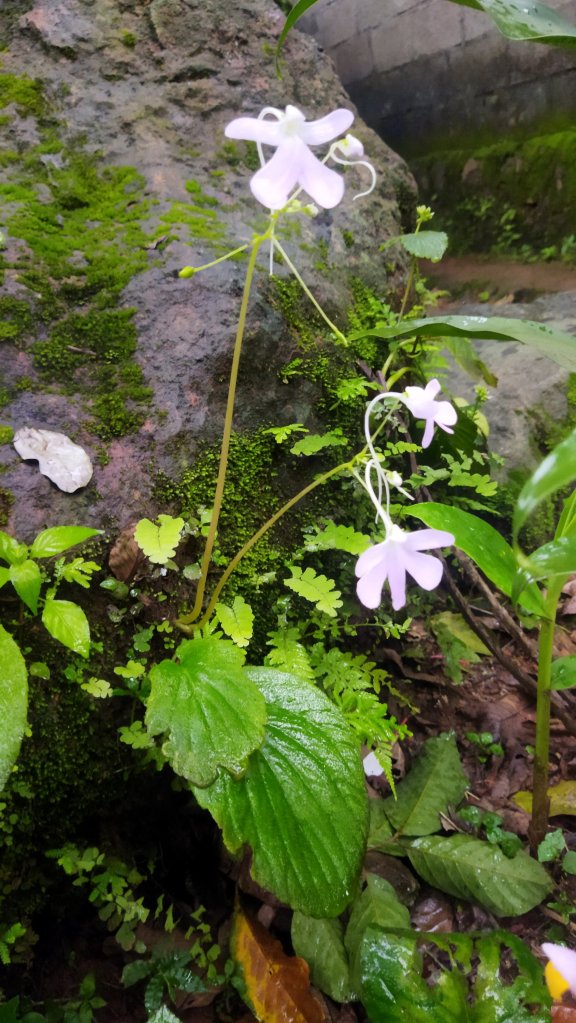
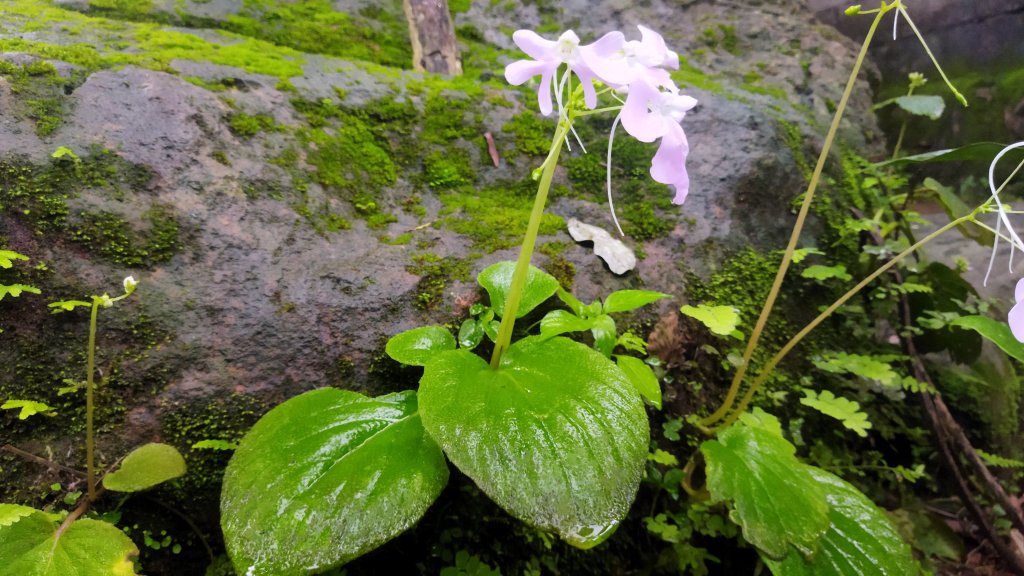
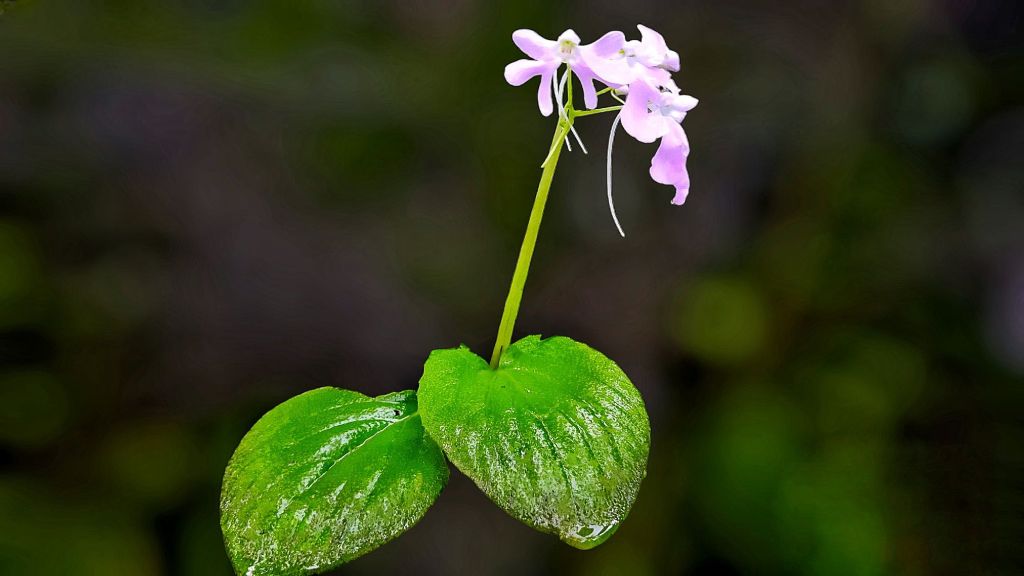
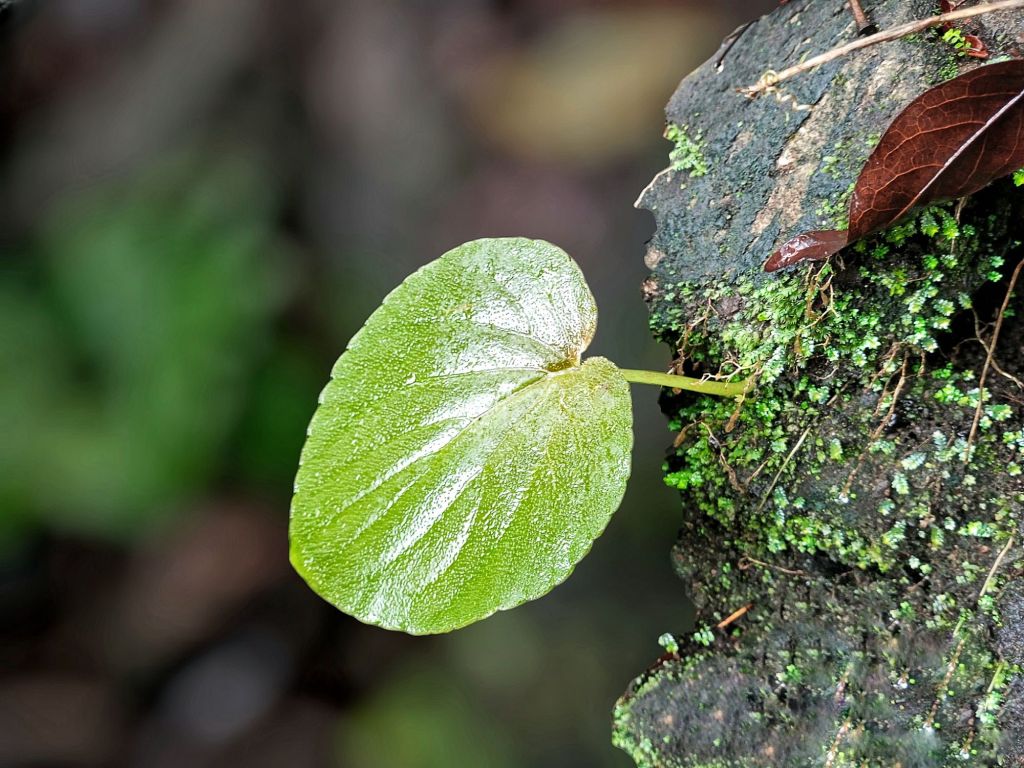
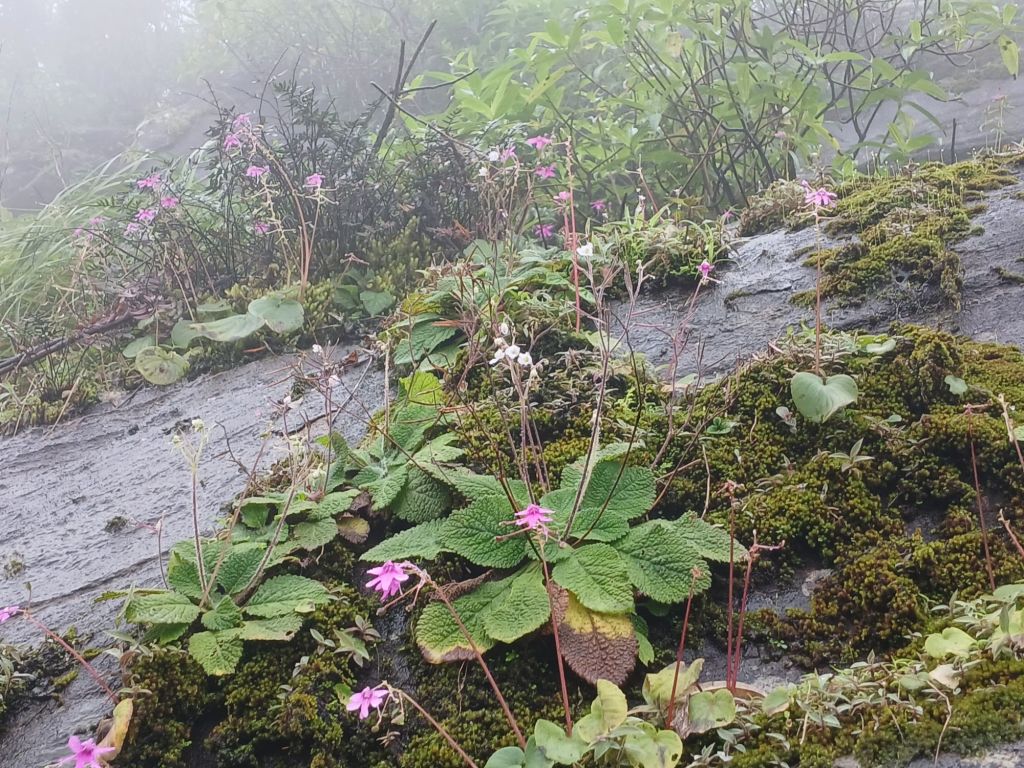
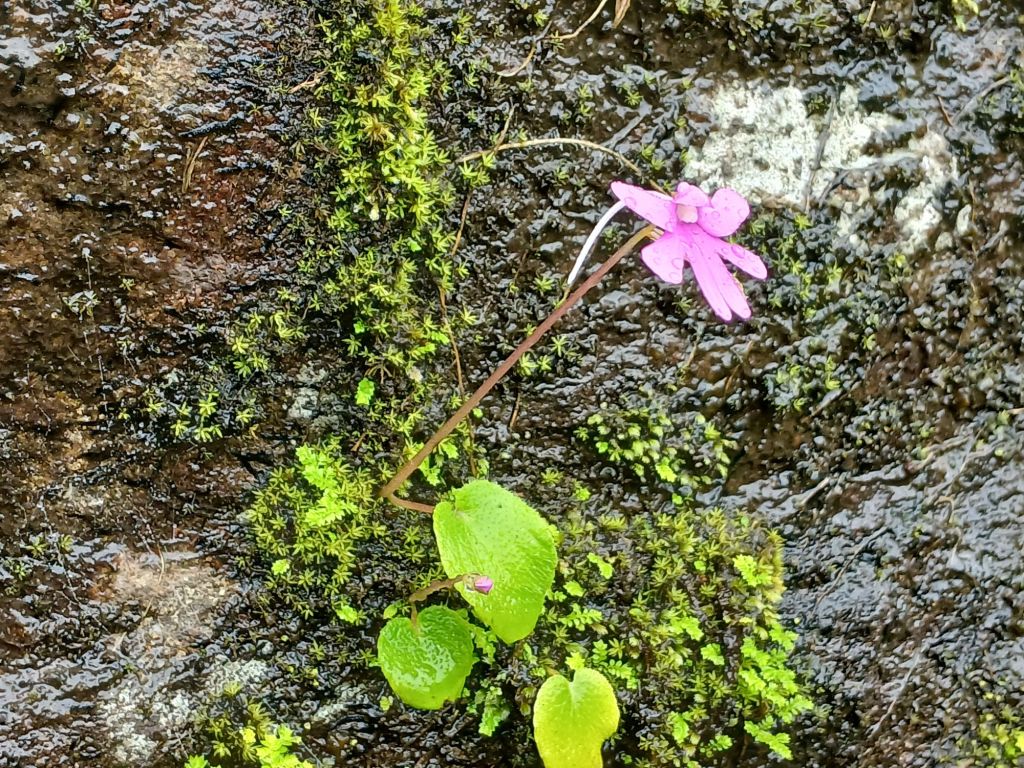
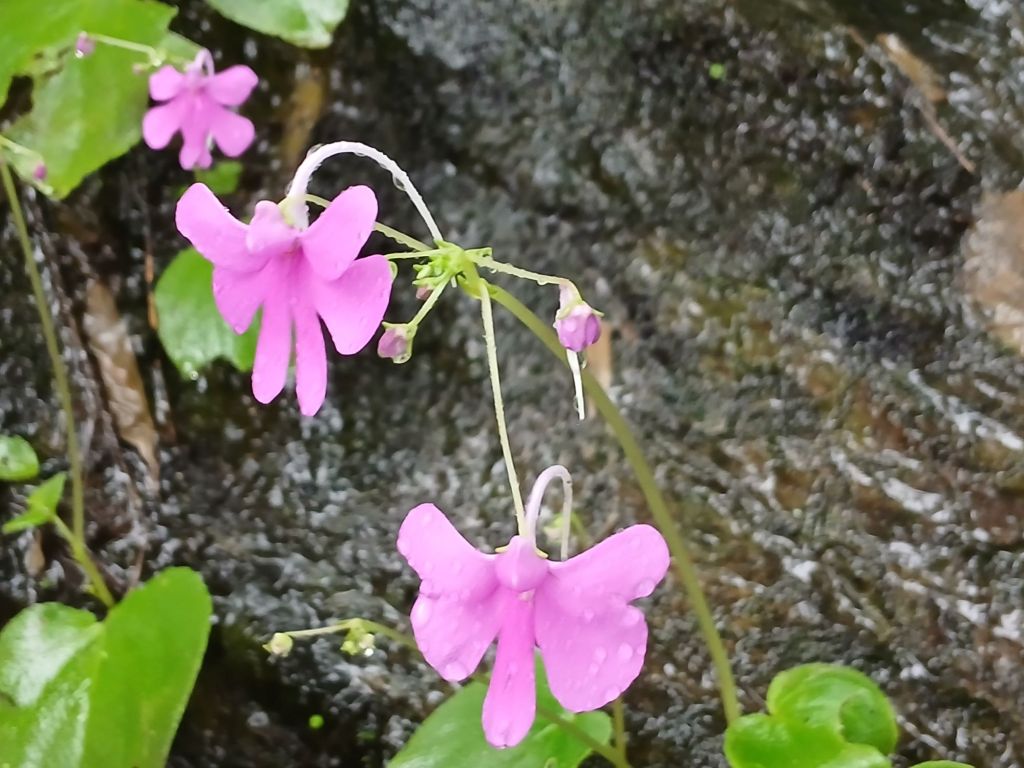
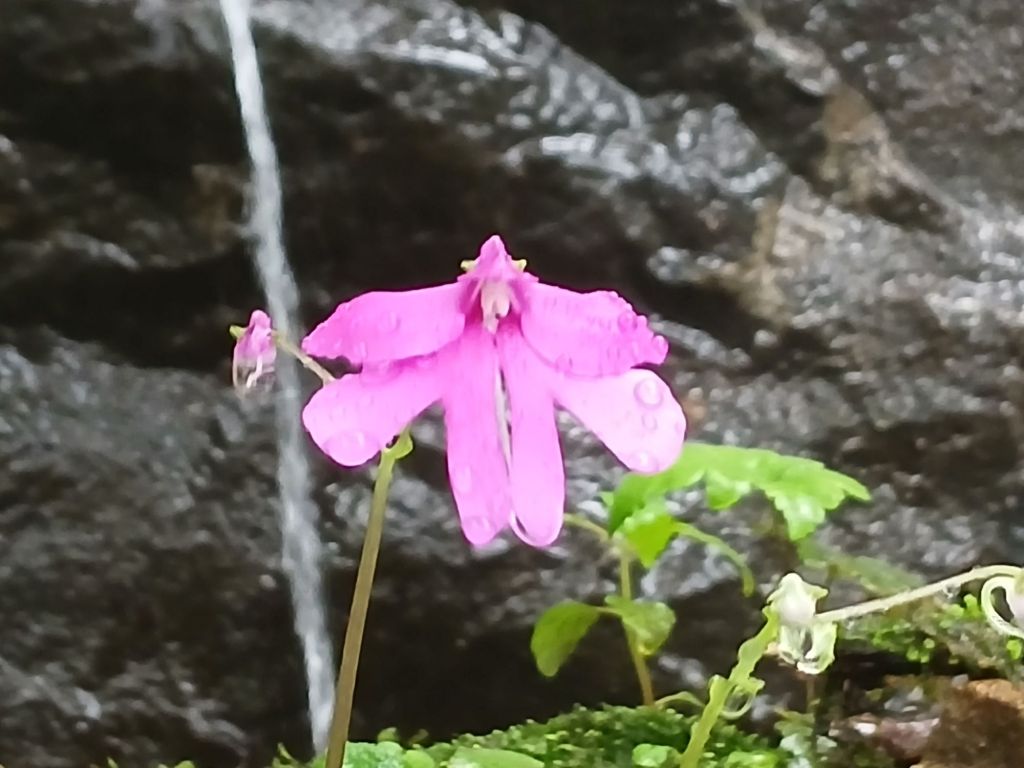
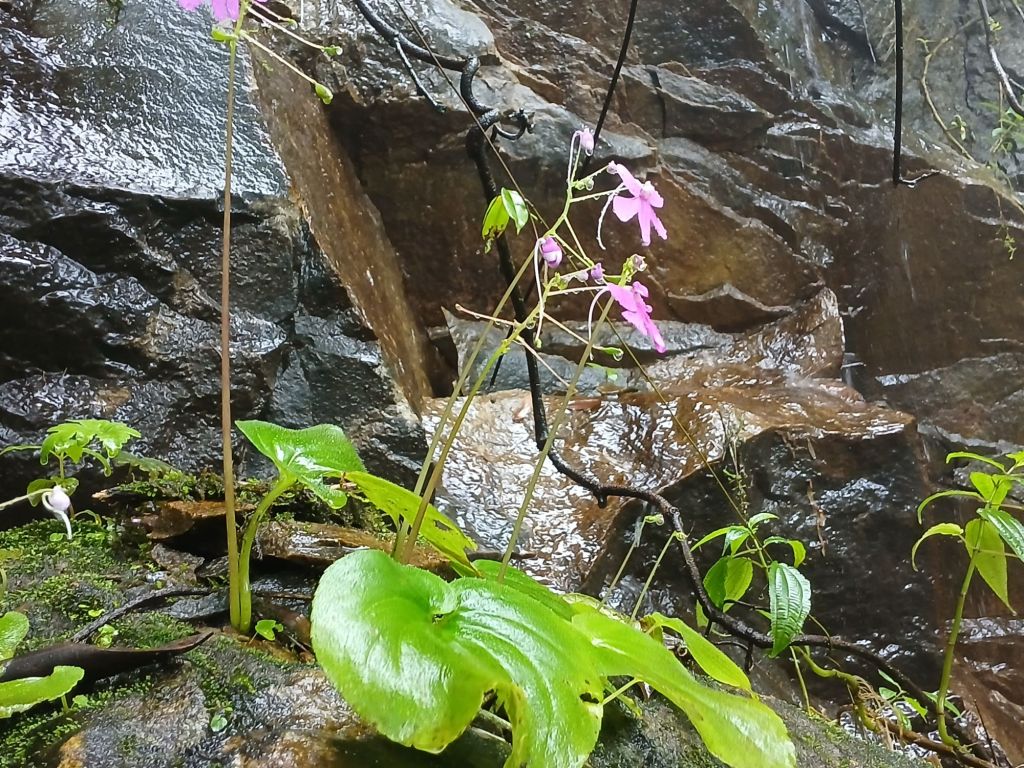
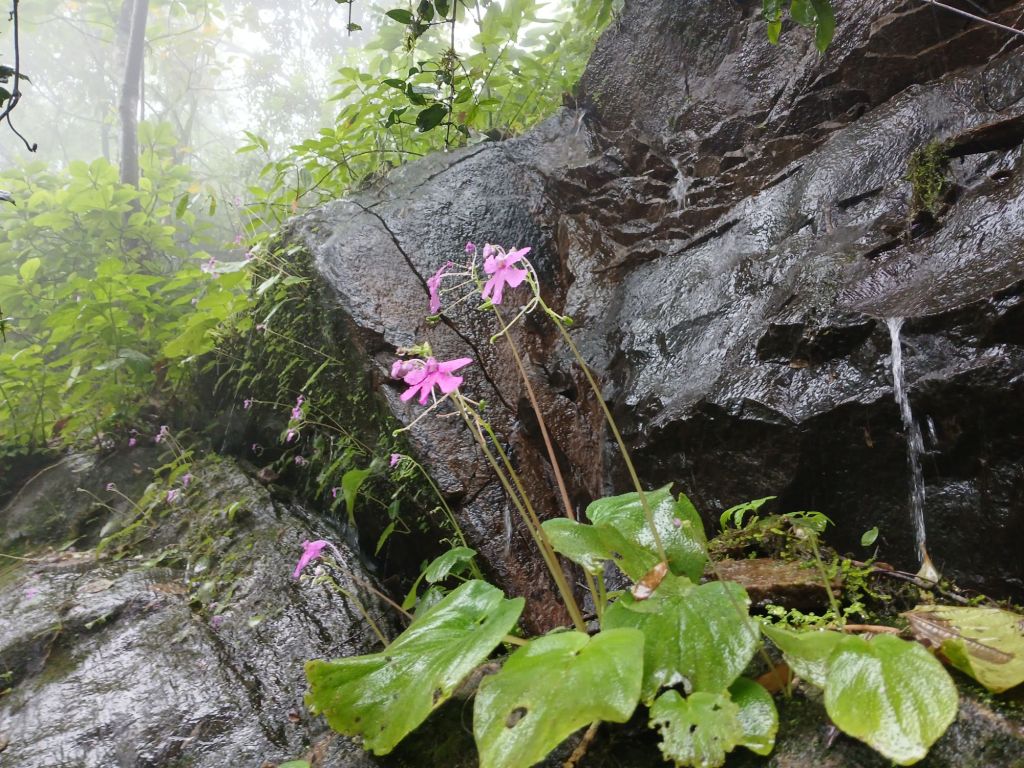
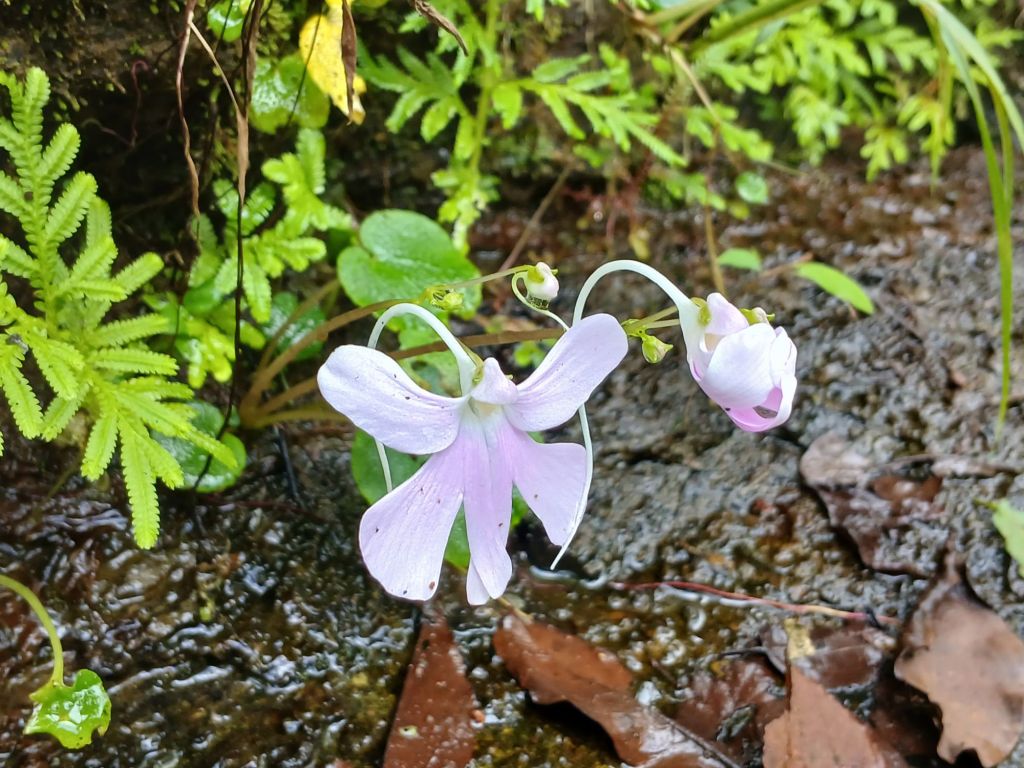
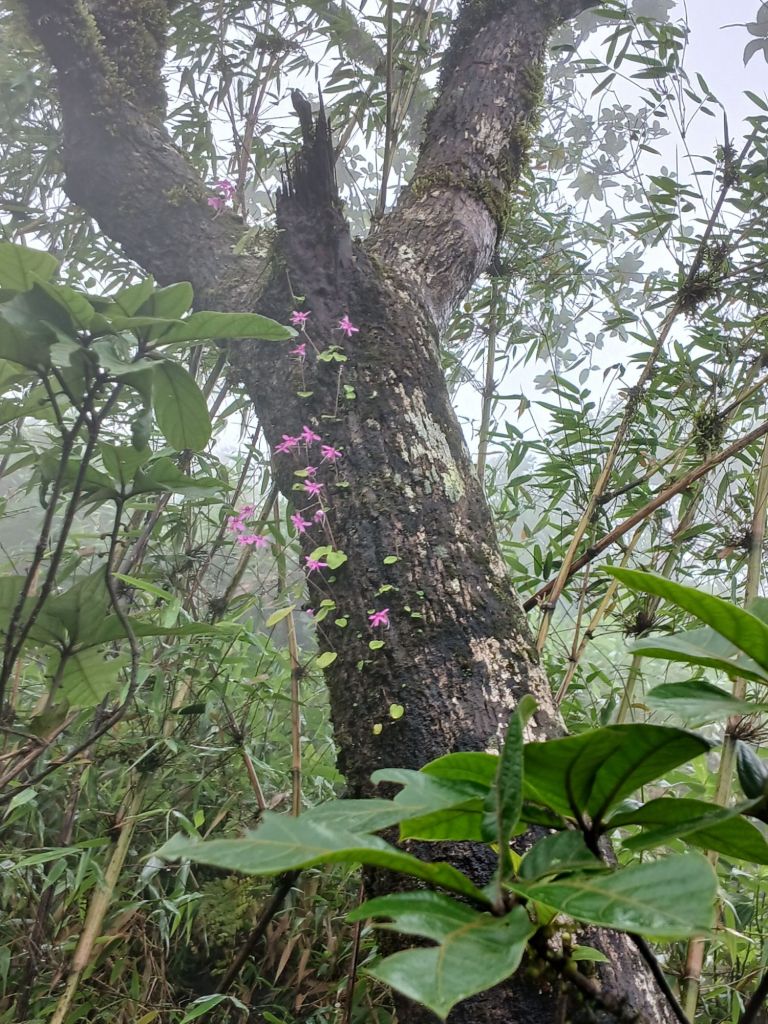
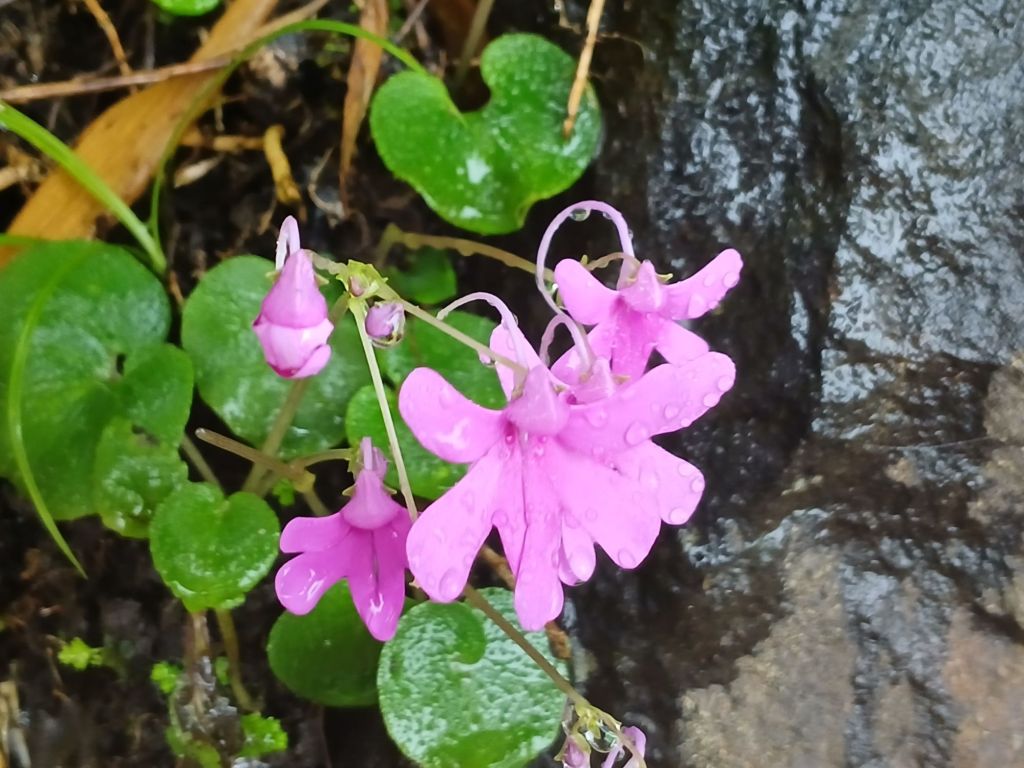
കൽബോൾസം

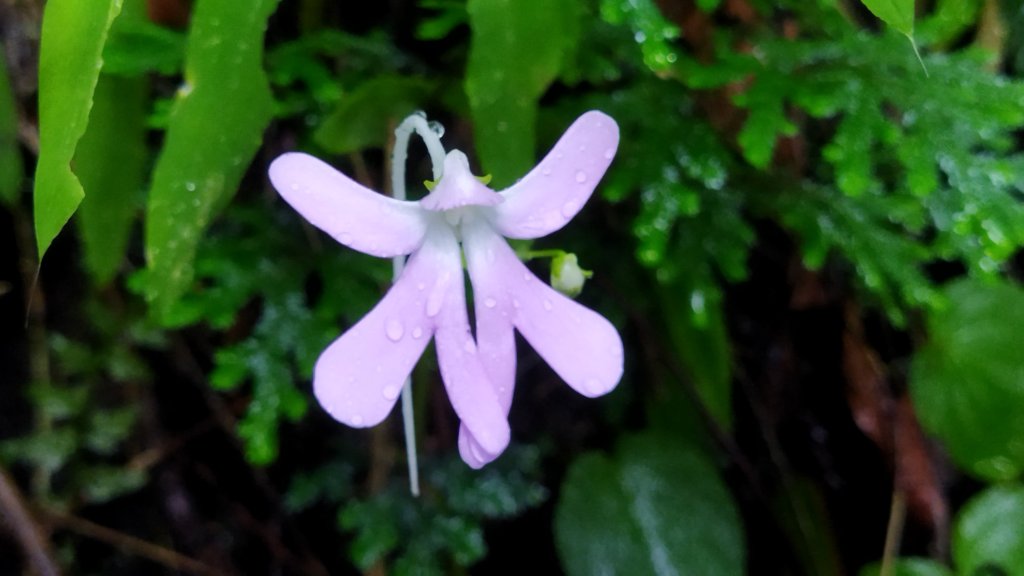
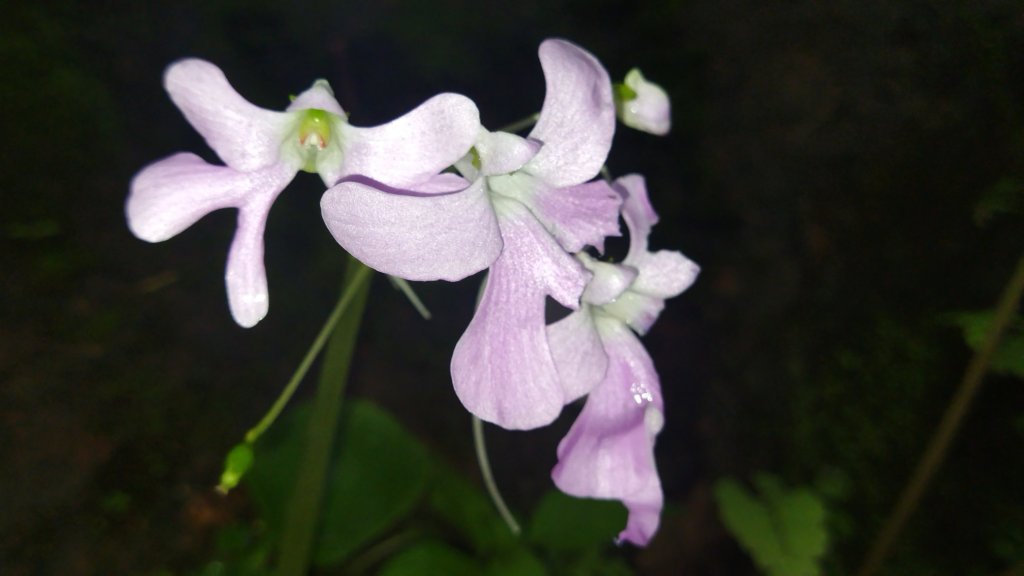
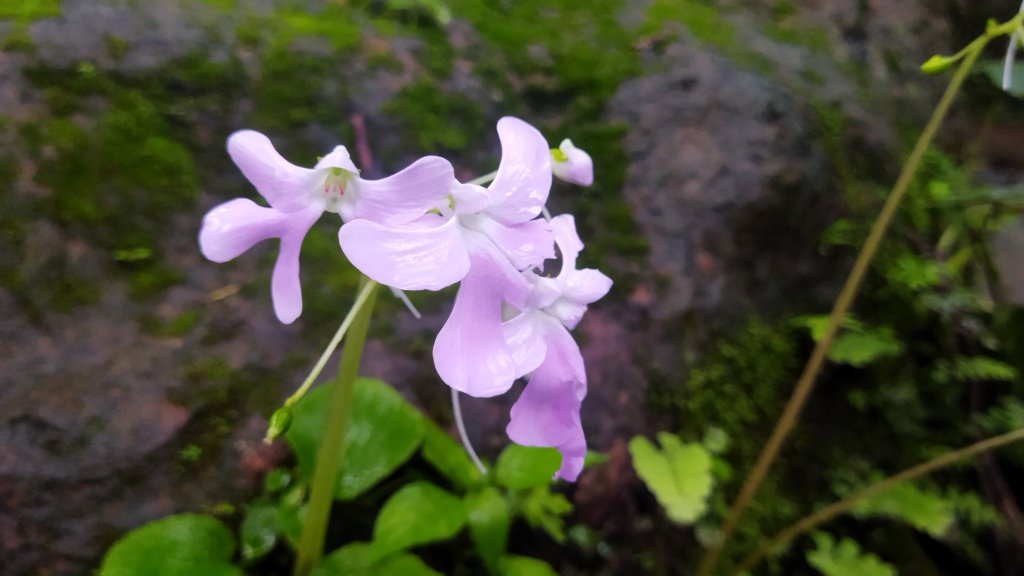
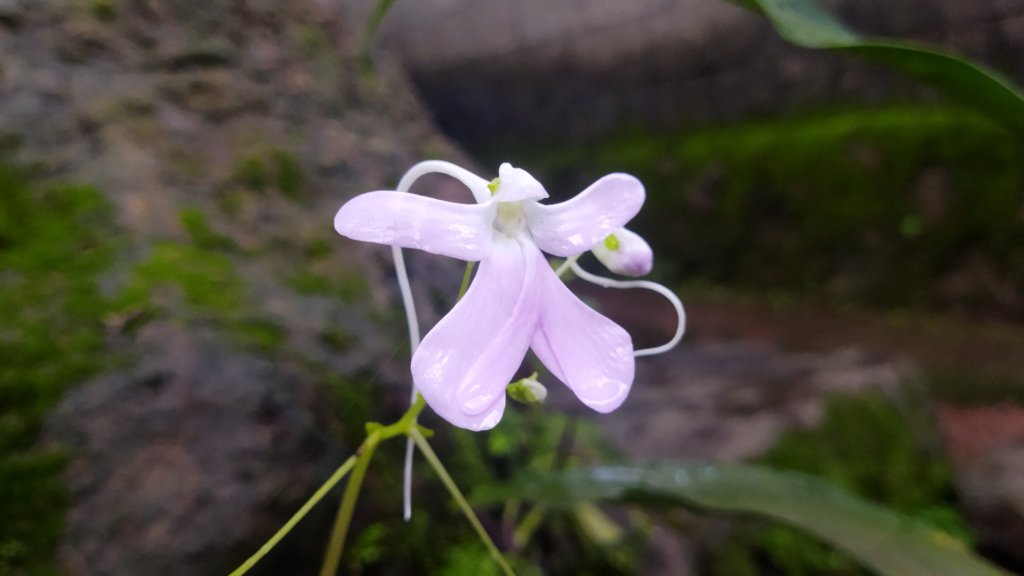
  • Scientific name = impatiens scapiflora
  • English name    = Leafless-Stem Balsam
  • Malayalam        =കൽബാൾസം
  • Habit                  = Herb
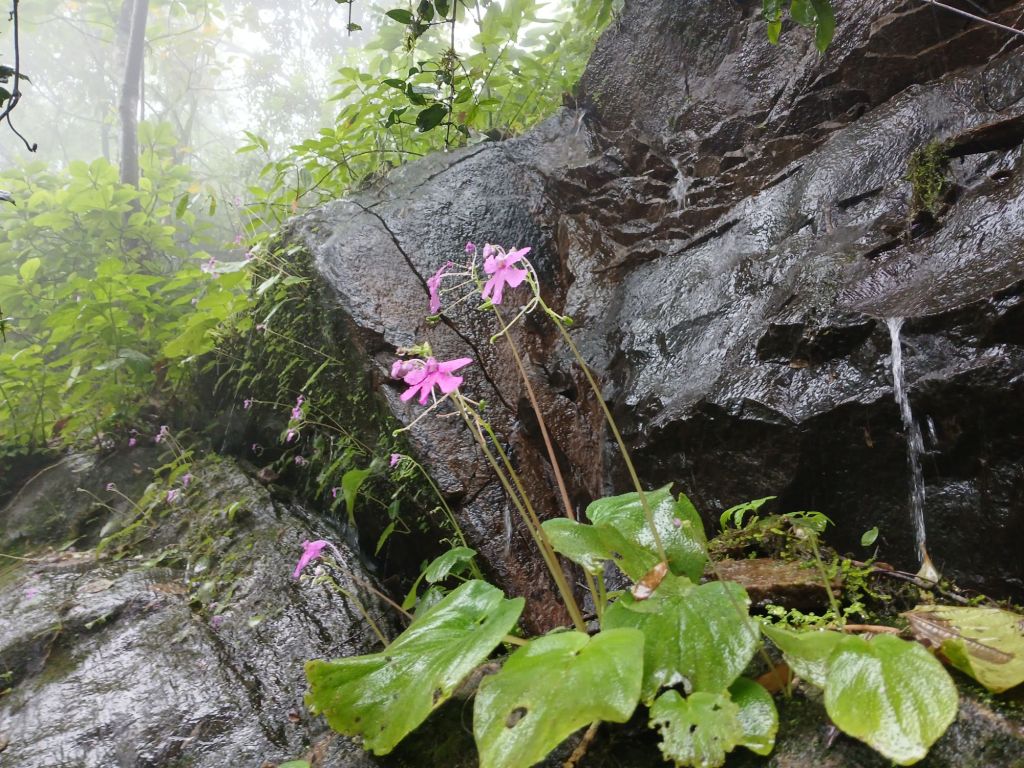
  • Habitat              = wet rocks
  • Native                = Western ghats
  • Family               = Balsaminaceae

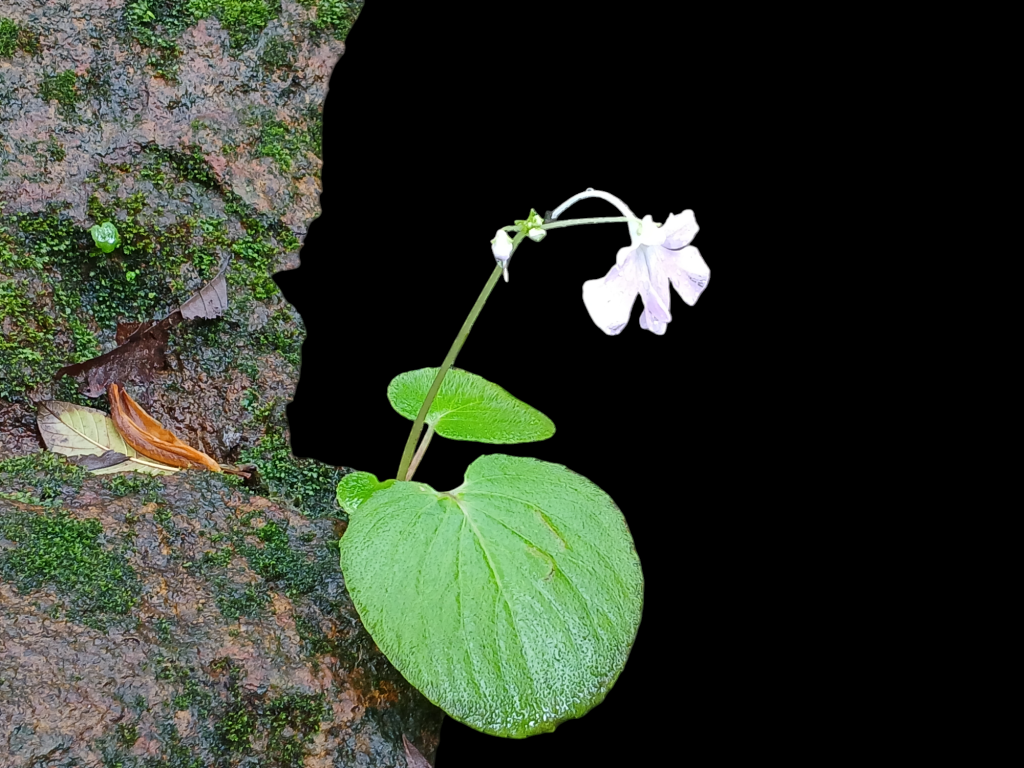
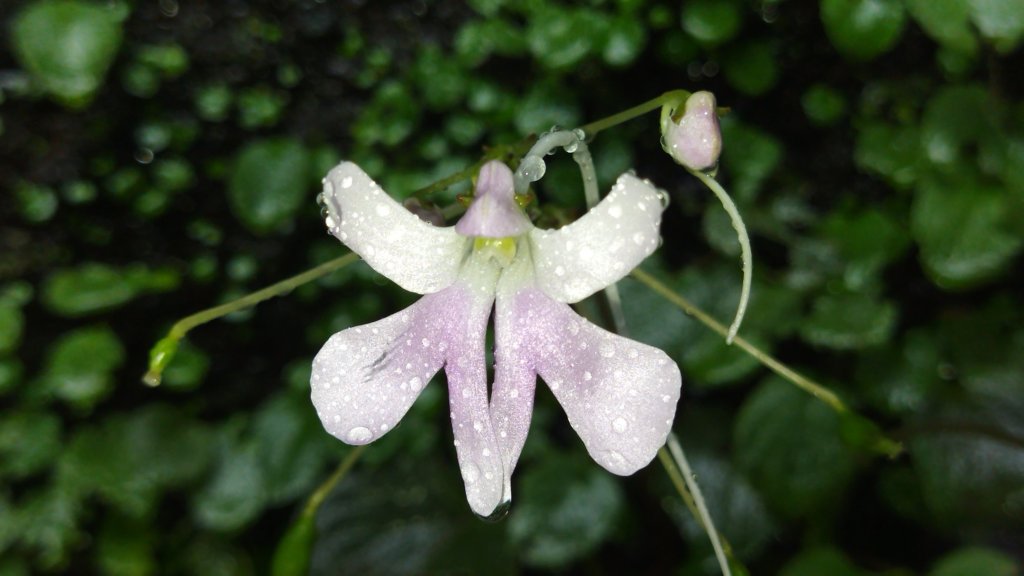
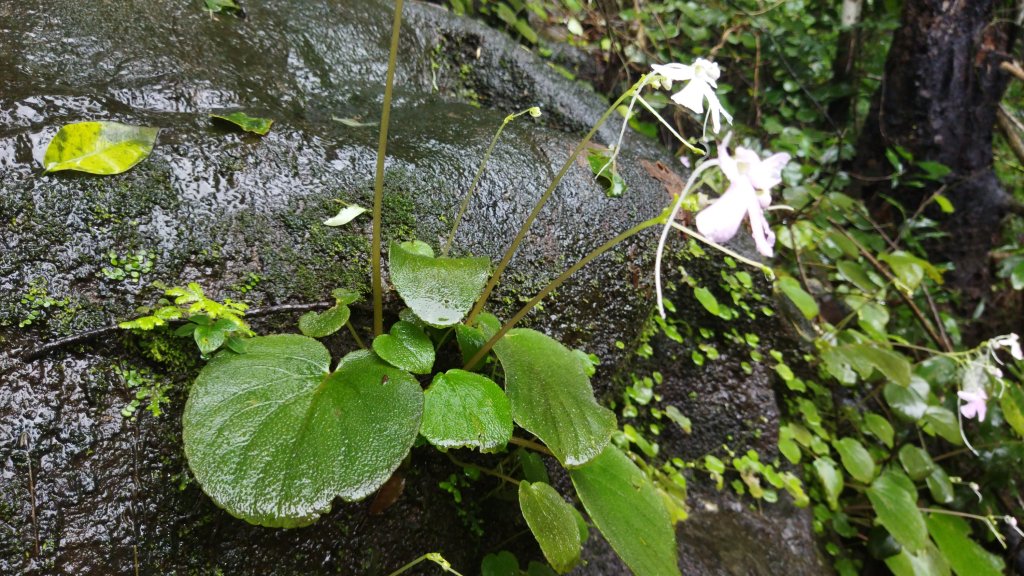
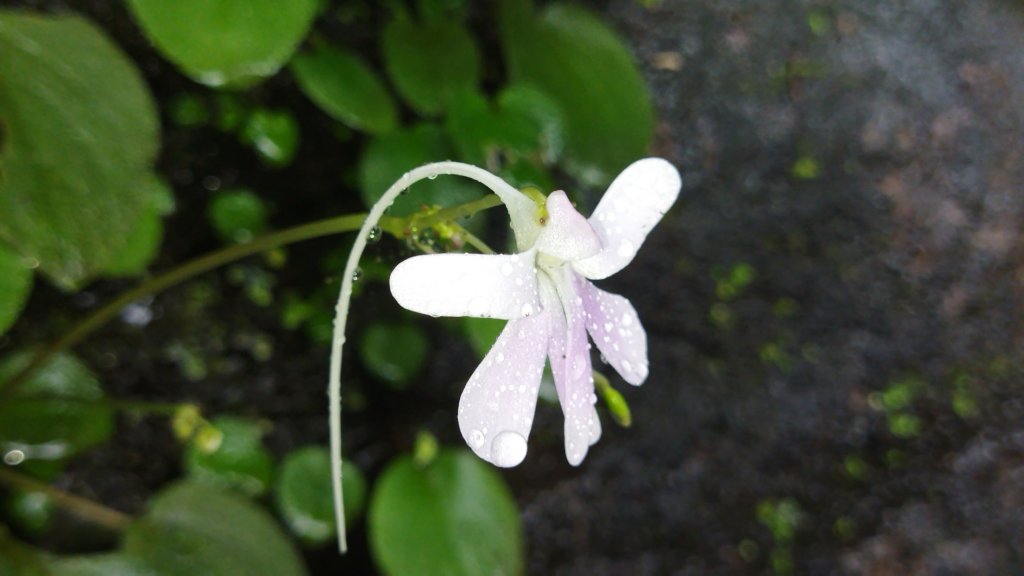
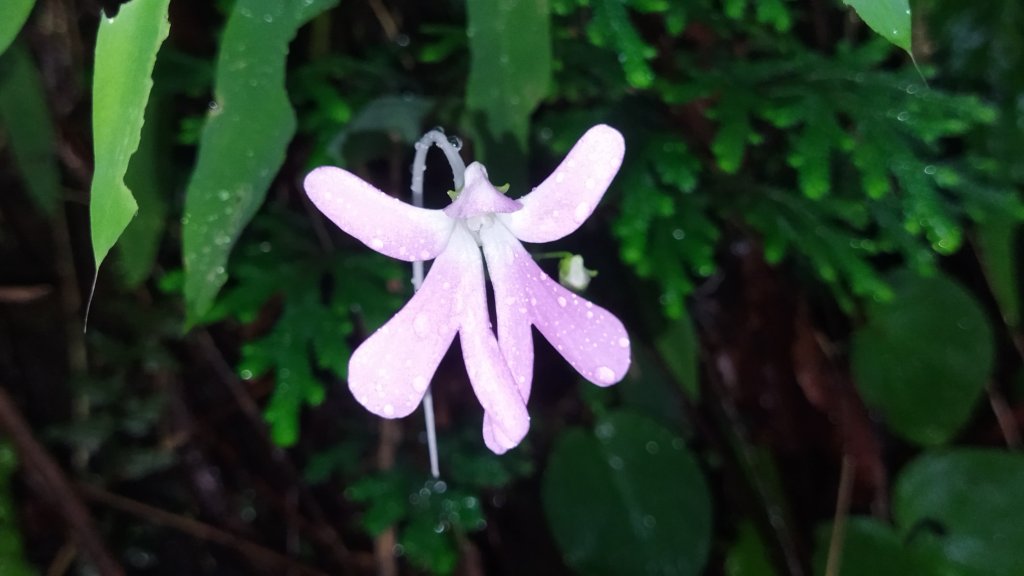
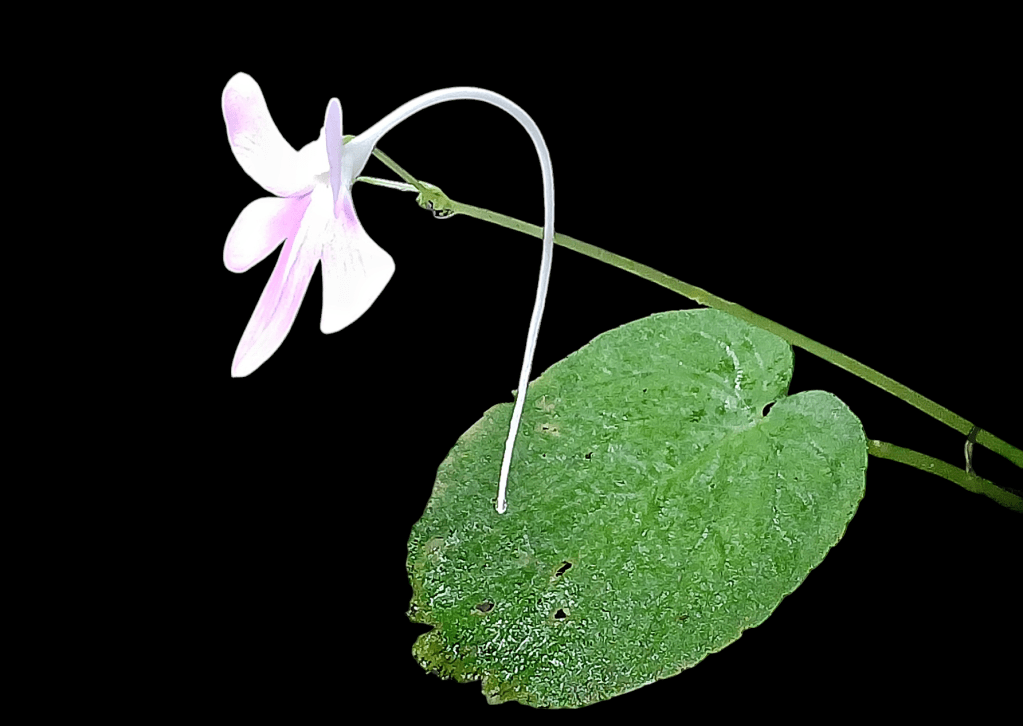
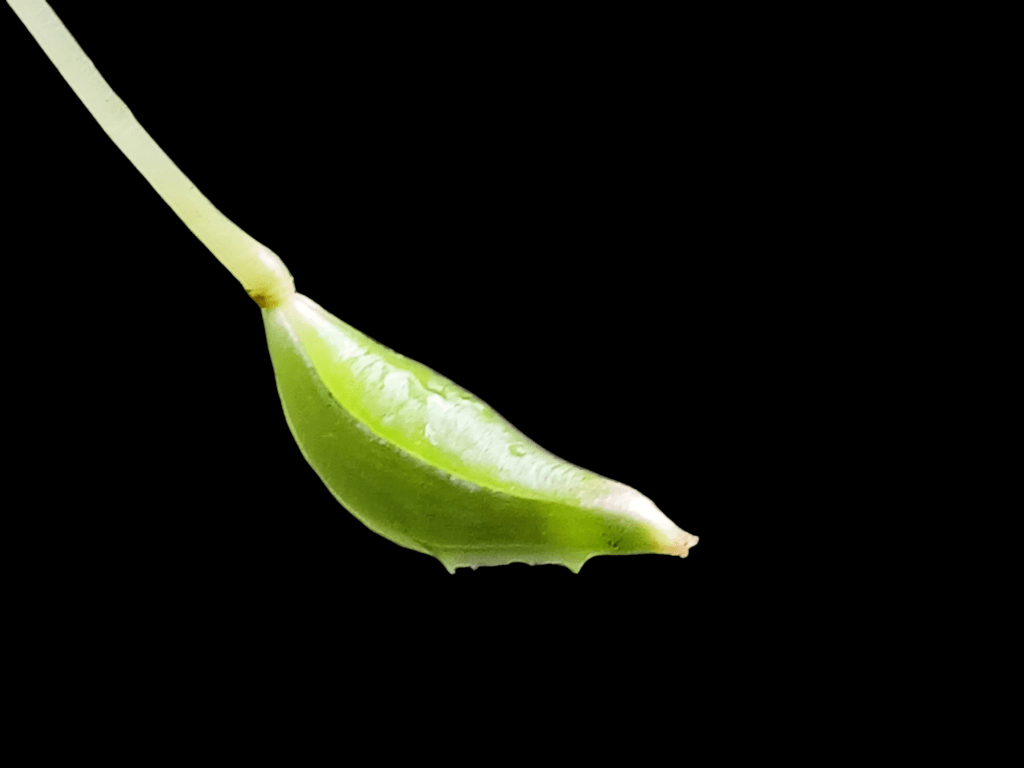
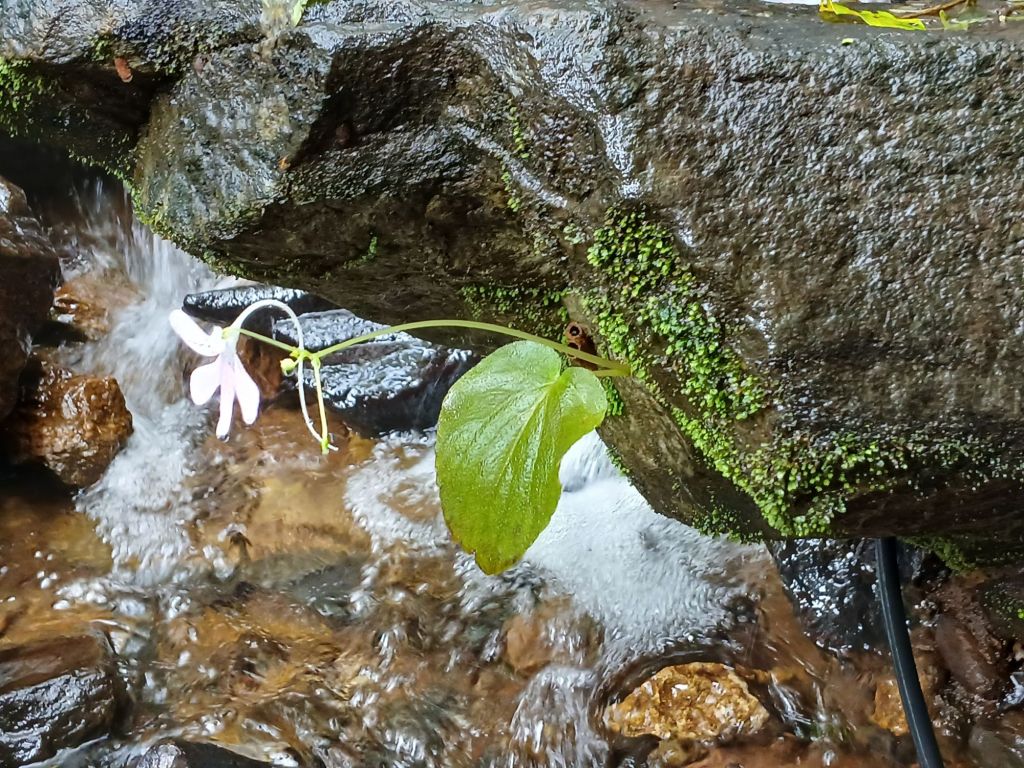
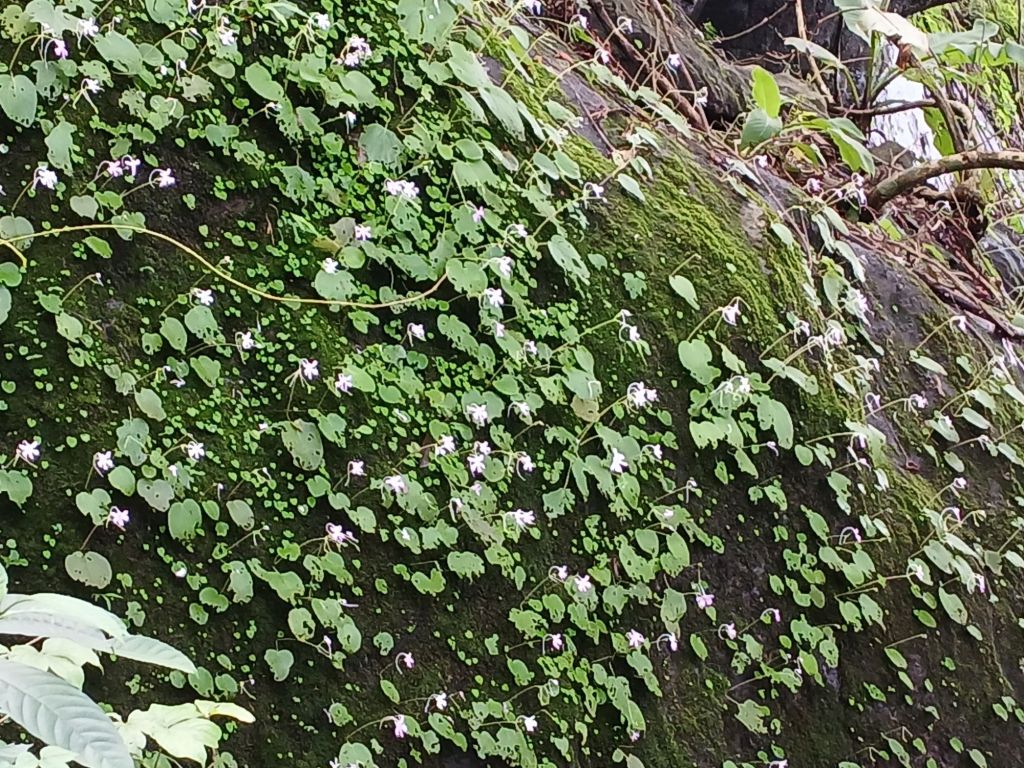
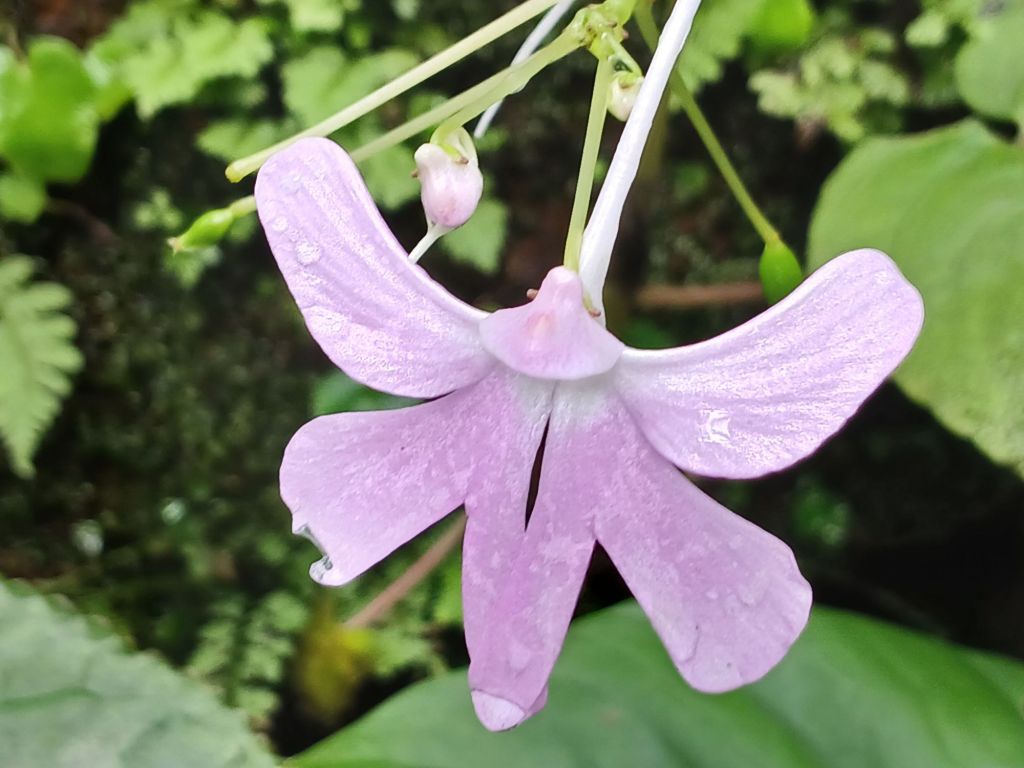
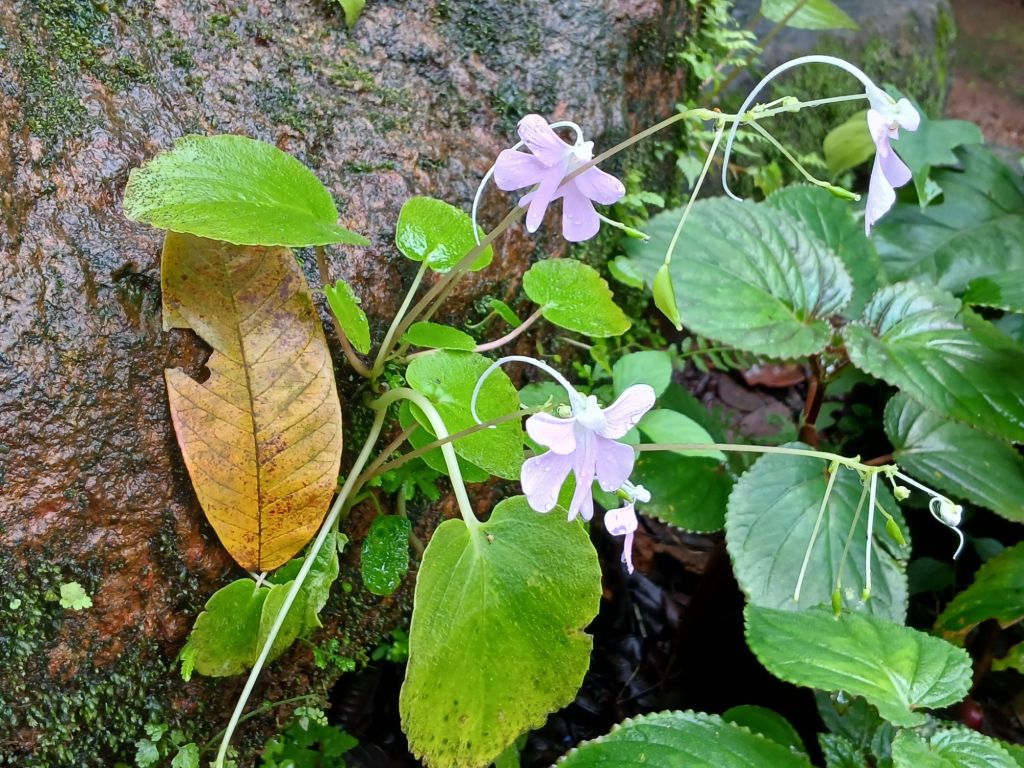
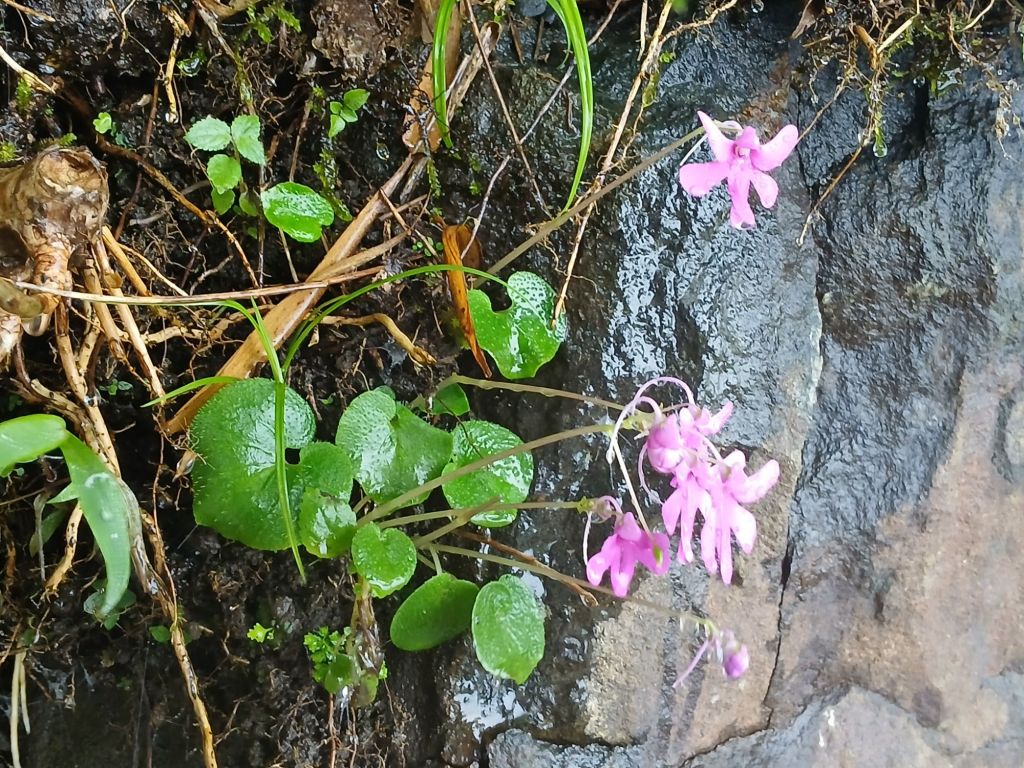
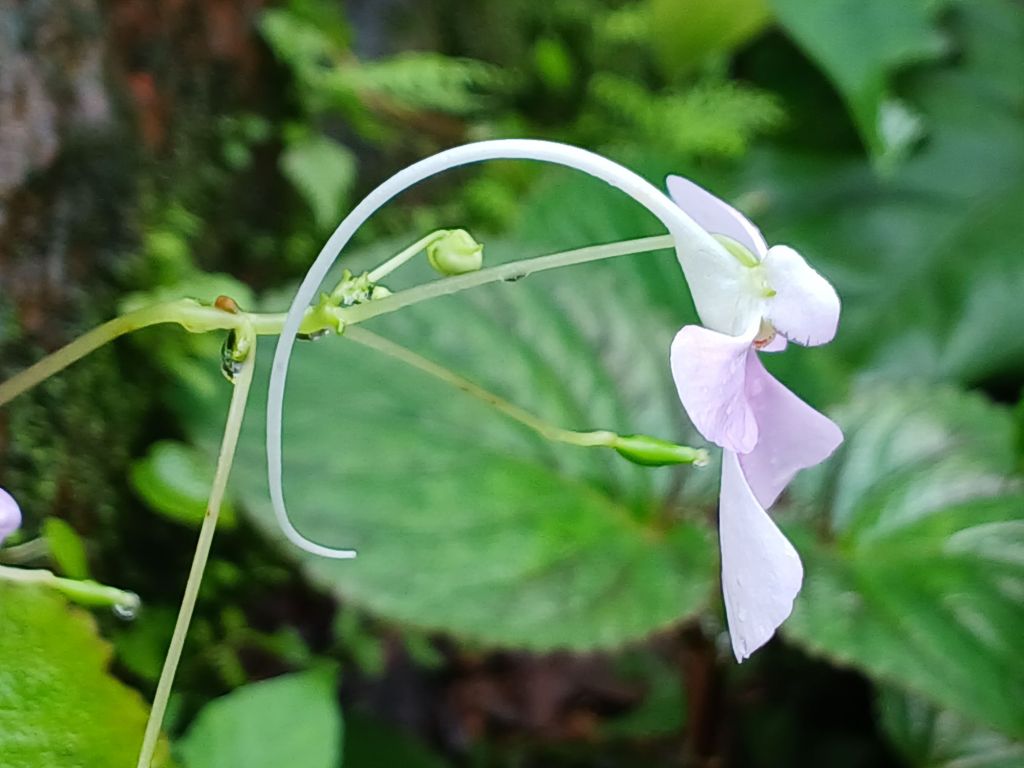
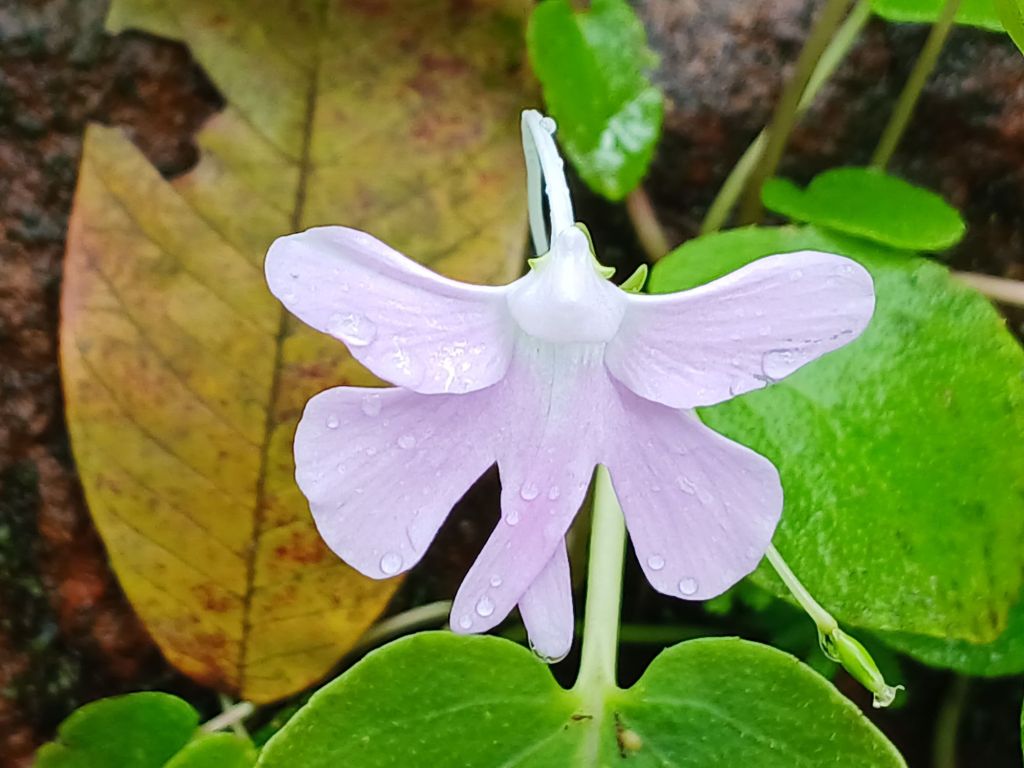
    പശ്ചിമഘട്ടത്തിലെ നനവാർന്ന പാറക്കെട്ടുകളിൽ വളരുന്ന ചെറു സസ്യം. ഇത് പൂർണ്ണമായും എപ്പിഫൈറ്റിക് ആണ്. ഇതിന്റെ വേരുകൾ പാറകളിൽ പറ്റിപ്പിടിച്ചു വളരാൻ അനുയോജ്യമാണ്. ഇതിന് കിഴങ്ങുപോലെയുള്ള ഒരു ഭാഗം കാണാം. തണ്ട് ഇല്ല രണ്ടോ മൂന്നോ ഇലകൾ ഉണ്ടാവും. ഇലകൾ ദീർഘവൃത്തം, വൃത്തം, ഹൃദയകാരം എന്നിങ്ങനെ പല രൂപത്തിൽ കാണപ്പെടും. പച്ചയും മറൂണും കളറുകളിൽ ഇല കാണപ്പെടും. ഇലയിൽ നിറയെ രോമങ്ങളുണ്ട്. ഇലയും ഇലഞെട്ടും ഫ്ലഷി ആണ്. പൂങ്കുലക്ക് 10 സെ മി നീളമുണ്ടാവും. ഒരേ സമയം ഒന്നിലധികം പൂക്കൾ വിരിയും. പൂക്കൾ ഒന്നിലധികം ദിവസം നിലനിൽക്കും. വെളുപ്പ് മുതൽ കടുംപിങ്ക് വരെ പല കളർ വേരിയേഷനിൽ പൂക്കൾ കാണാം. ബ്രാക്റ്റുകൾ കാണപ്പെടുന്നില്ല. കാലിക്സ് ഒറ്റ ലോബ് ആണ്. പൂവിന് നാല് ദളങ്ങൾ കാണപ്പെടുന്നു. രണ്ടെണ്ണം വശങ്ങളിലേക്കും രണ്ടെണ്ണം താഴേക്കും. ബാൽസം ചെടികൾക്ക് പൊതുവെയുള്ള പൂവിന്റെ വാല് ഇതിനും കാണാം. ആൻഡേഷ്യവും ഗൈനേഷ്യവും കാലിക്സിനാൽ മൂടിയിരിക്കുന്നു. കായ് കാപ്സ്യൂൾ ആണ്. ചെറിയ കറുത്ത വിത്തുകൾ പൊട്ടിത്തെറിച്ചു ചുറ്റും വ്യാപിക്കുന്നു.
  • Kingdom : plantae
  • Clade : Eudicots
  • Family : Balsaminaceae
  • Genus : impatiens
  • Species : I. Scapiflora

Range

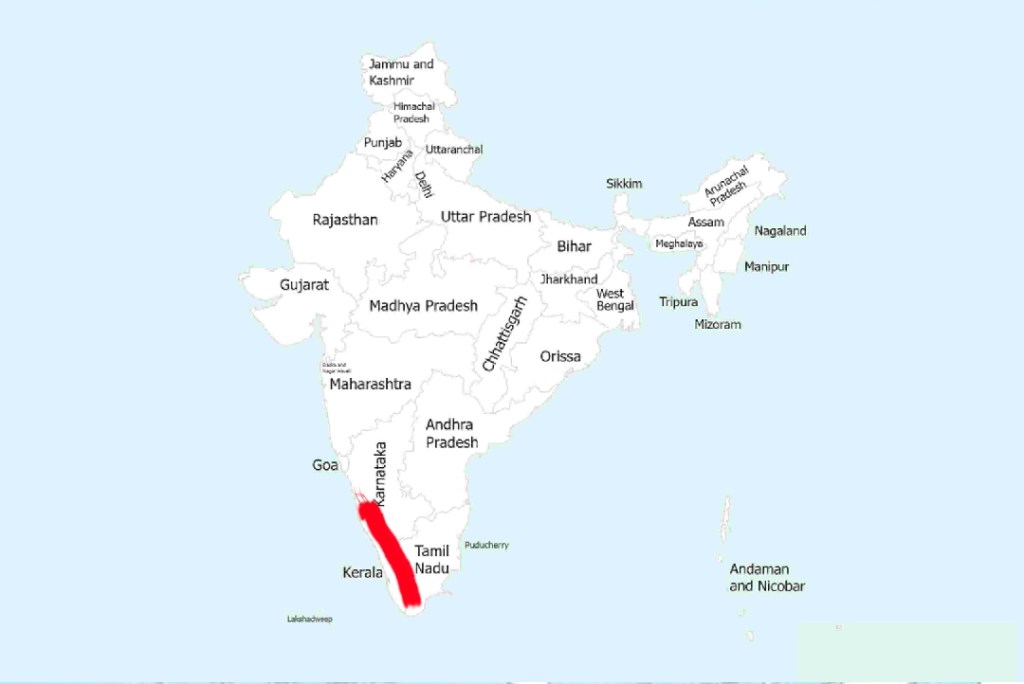
Endemic of Western ghats

കയ്യോന്നി

വിതരണം

ഇന്ത്യയിൽ ജലം സുലഭമായി ലഭിക്കുന്നയിടങ്ങളിൽ മിക്കയിടത്തും കണ്ടു വരുന്നു. ബംഗ്ലാദേശ്, ശ്രീലങ്ക തുടങ്ങിയ മിക്ക ഏഷ്യൻ രാജ്യങ്ങളിലും ലാറ്റിൻ അമേരിക്കൻ രാജ്യങ്ങളിലും ഇത് വളർന്നുവരുന്നു

രൂപവിവരണം

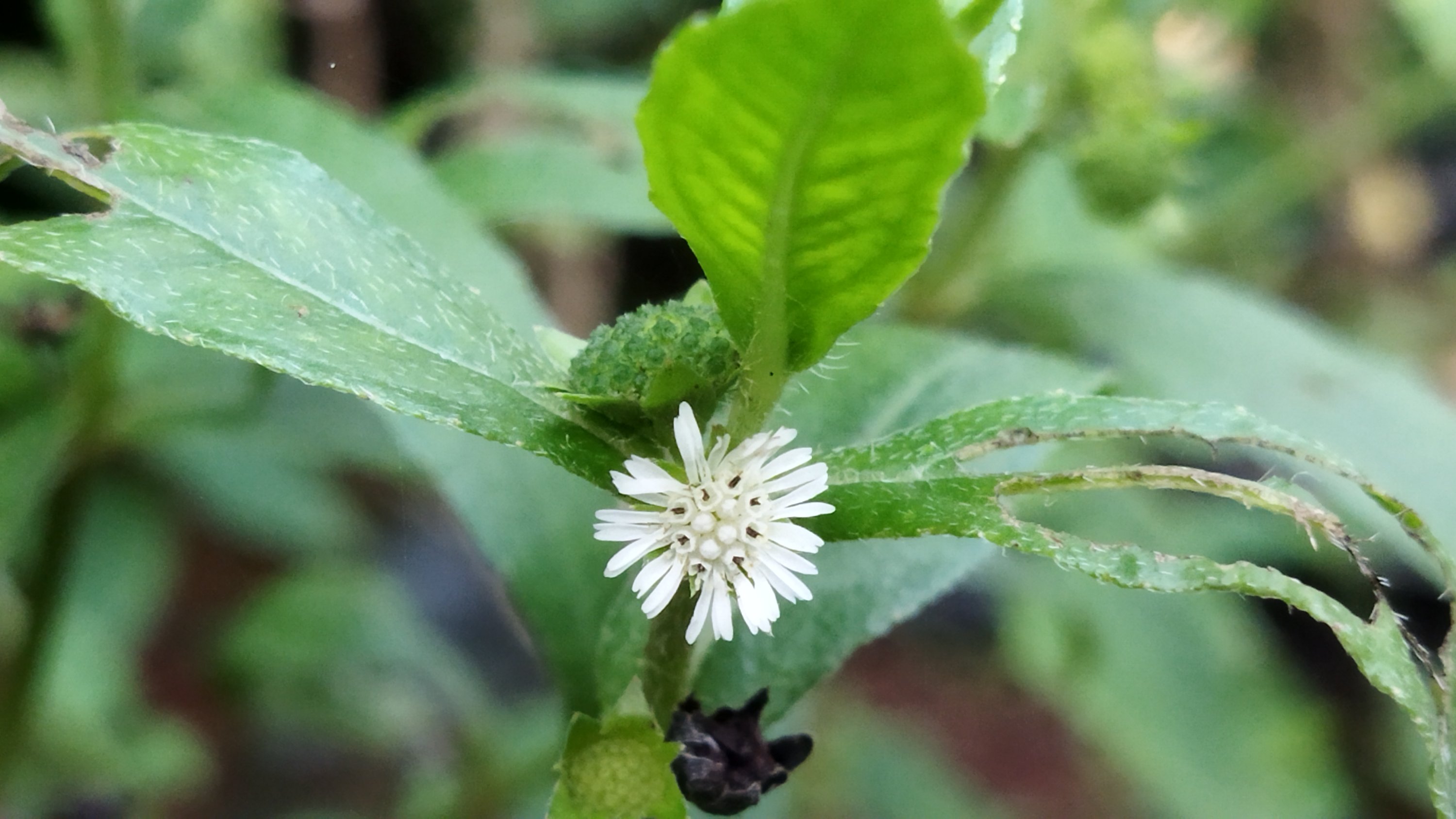
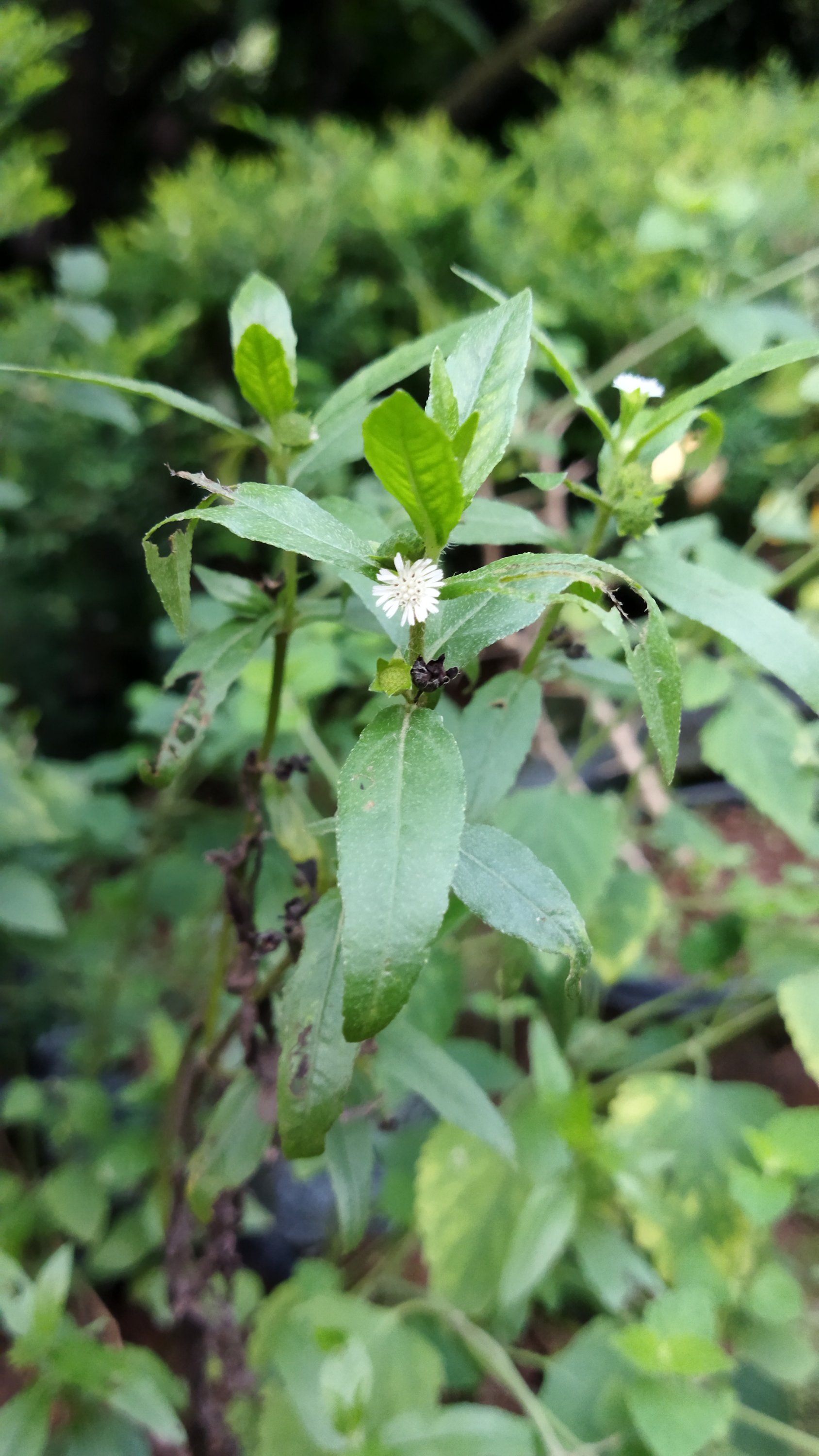
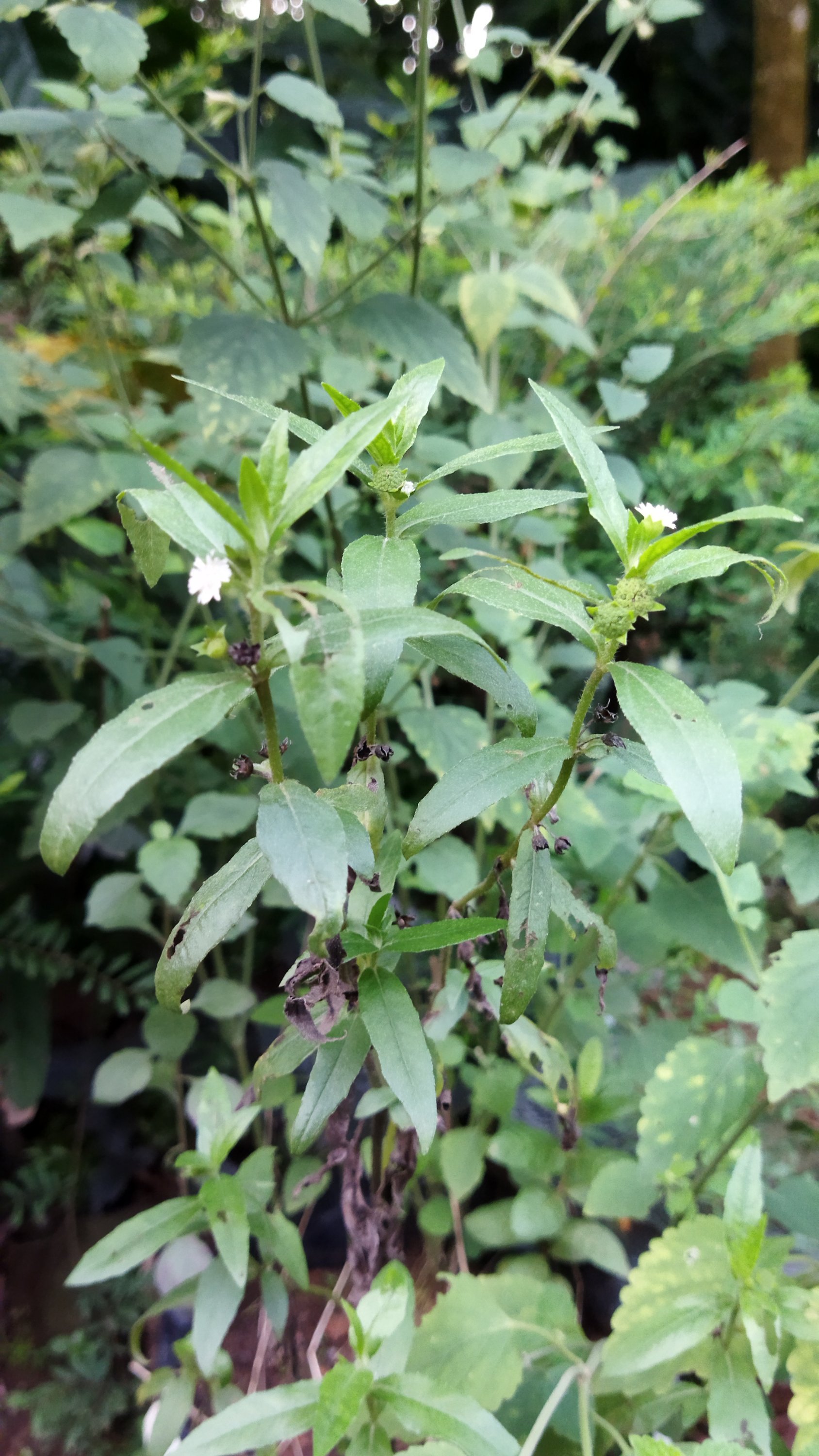
പുഷ്പത്തിന്റെ നിറഭേദം അനുസരിച്ച് വെള്ള മഞ്ഞ, നീല എന്നിങ്ങനെ മൂന്നിനങ്ങൾ ഉണ്ട്.70 സെ.മീ. വരെ ഉയരത്തിൽ വളരുന്ന ഈ ചെടിയുറ്റെ തണ്ട് വളരെ മൃദുവും വെളുത്ത നനുത്ത രോമങ്ങൾ നിറഞ്ഞതുമാണ്ഇലകൾ സമ്മുഖവും അറ്റം കൂർത്തതുമാണ്.

ഉപയോഗം

ആയുർവേദ ശാസ്ത്രശാഖയിൽ തലവേദനക്കും മുടുകൊഴിച്ചിലിനും ഇതിന്റെ നീർ ഉപയോഗിക്കുന്നു, വിഖ്യാതമായ ചരക സംഹിതയിലും അഷ്ടാംഗ ഹൃദയത്തിലും ഇതിനെക്കുറിച്ച് പ്രതിപാദിച്ചിട്ടുണ്ട്. നീർ ഇടിച്ചു പിഴിഞ്ഞ് എടുത്ത ശേഷം ഇല അരച്ചത് കൽക്കമാക്കി ചേർത്ത് എള്ളെണ്ണയിൽ വിധി പ്രകാരം കാച്ചി എടുക്കുകയാണ് ചെയ്യുന്നത്. ഈ എണ്ണ തലയിൽ പുരട്ടുന്നത് മുടിവളരാൻ സഹായിക്കും എന്ന് വിവിധ ഗ്രന്ഥങ്ങളിൽ പ്രതിപാദിച്ചിരിക്കുന്നു.

ഉദരകൃമിയുള്ളവർക്ക് കയ്യോന്നി നീർ ആവണക്കെണ്ണയിൽ ഇടവിട്ട ദിവസങ്ങളിൽ കുടിക്കുന്നത് വിധിച്ചിട്ടുണ്ട്. സമൂലകഷായം കരളിനെ ഉത്തേജിപ്പിക്കാനായി ഉപയോഗിച്ചുവരുന്നു. ചെടി സമൂലം അരച്ച് ദേഹത്ത് പൂശുന്നത് വേദന സംഹാരിയായി പ്രവർത്തിക്കുന്നു. വ്രണങ്ങളിലും ഇലയുടെ നീർ ഉപയോഗിക്കുന്നത് നല്ലതാണ്.പ്രസവരക്ഷക്ക് പാലുമായി തുല്യ അളവിൽ ചേർത്ത് നൽകുന്നത് വൈദ്യ മനോരമയിൽ വിവരിച്ചിരിക്കുന്നു.(അവലംബം വിക്കിപീഡിയ)

Scientific name : Eclipta prostrata

English name : false daisy

ശാസ്ത്രീയ വർഗ്ഗീകരണം

Kingdom: Plantae
Clade: Tracheophytes
Clade: Angiosperms
Clade: Eudicots
Clade: Asterids
Order: Asterales
Family: Asteraceae
Genus: Eclipta
Species: E. prostrata

Photos : Robins Thomas Photo location : native plants garden

ഏഴിലംപാല

വിതരണം

ഇന്ത്യ, തെക്കുകിഴക്കൻ ഏഷ്യ

രൂപവിവരണം

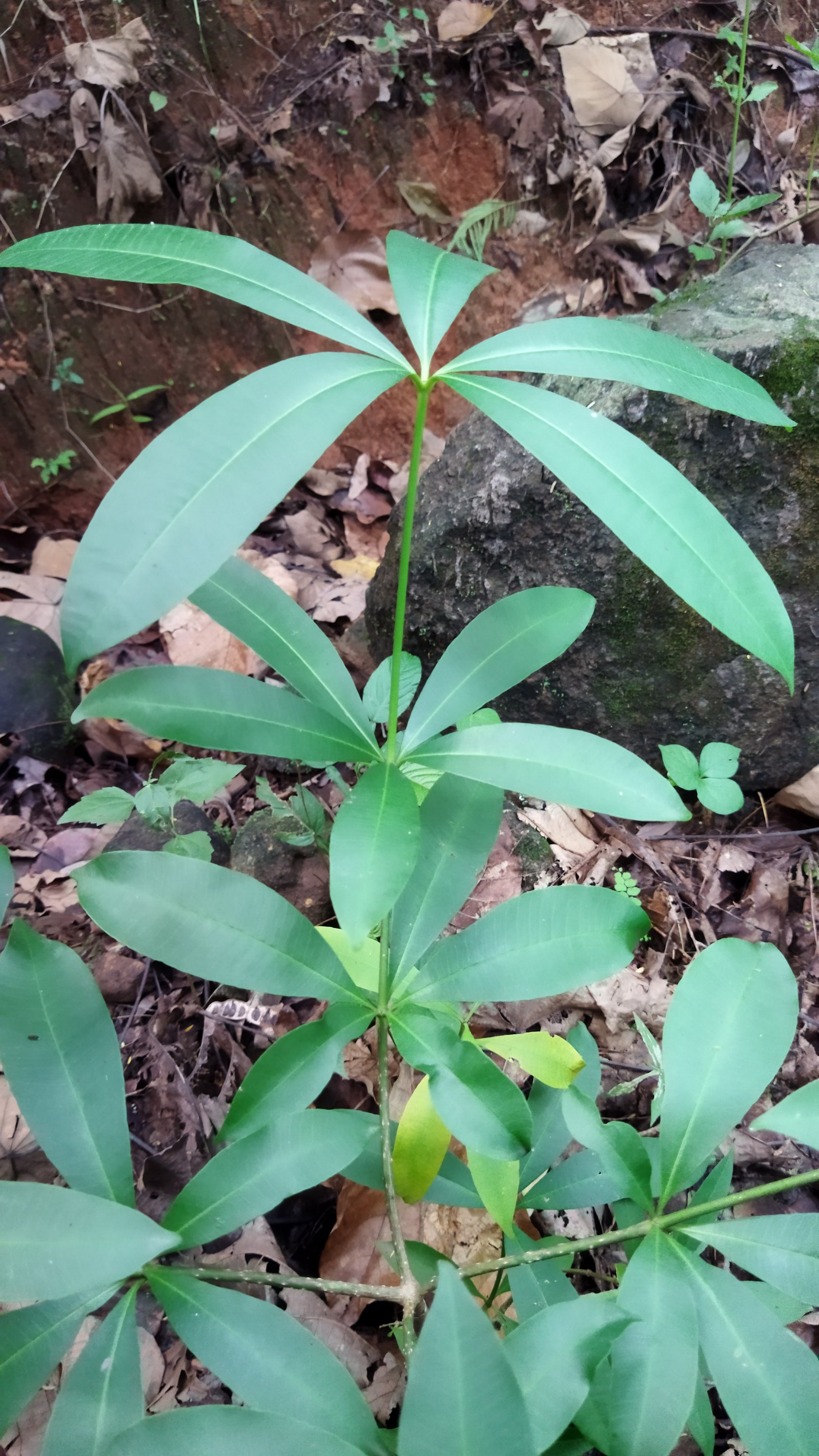
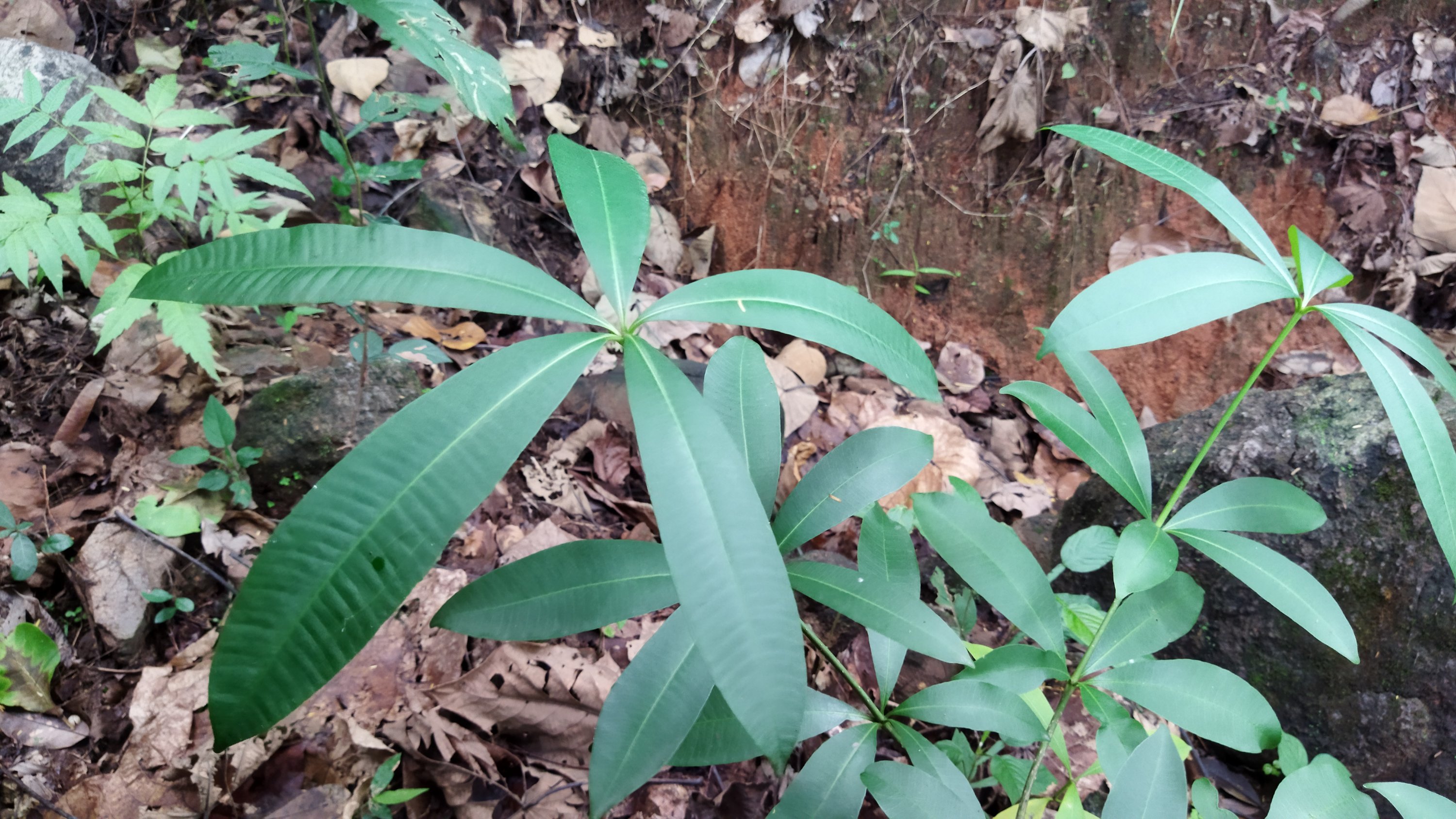
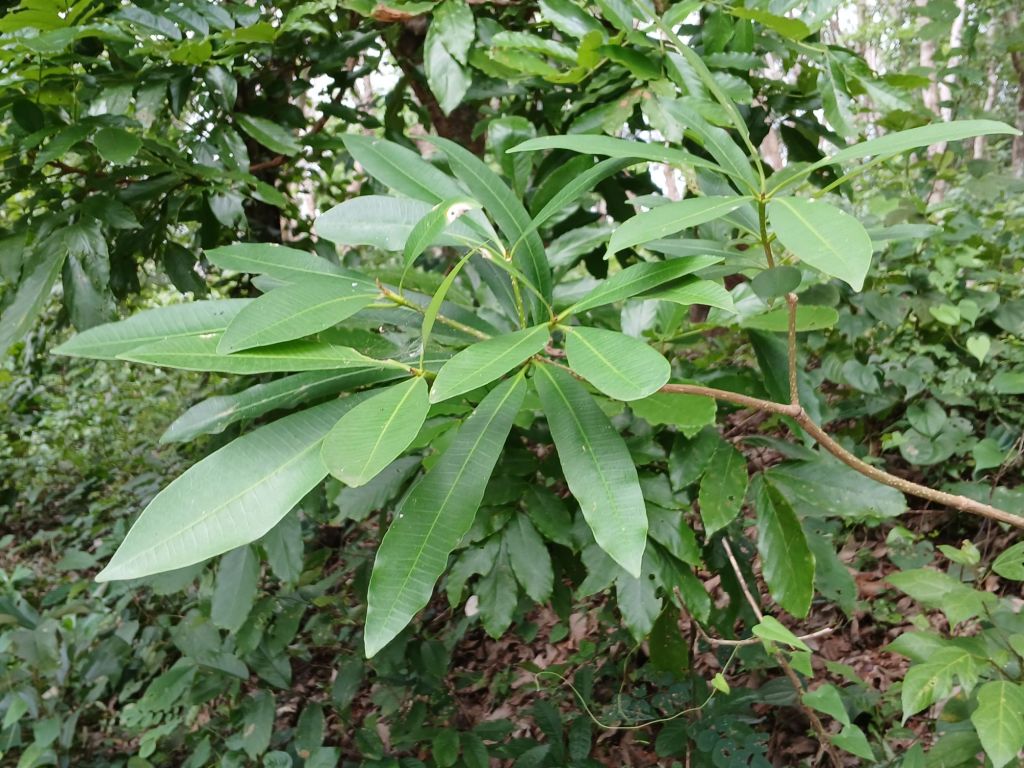
30 മീറ്ററോളം ഉയരം വയ്ക്കുന്ന വന്മരം.നീളമുള്ള ഇലകൾ. ഒരു തണ്ടിൽ ഒരു പോയിന്റിൽ നിന്നും ചുറ്റിനുമായി ആറോ എഴോ ഇലകൾ കാണും.

ഉപയോഗം

മരത്തിന്റെ ഉണങ്ങിയ തൊലി മലേറിയ ബാധിച്ചവരുടെ പനി ക്രമമായി കുറക്കാൻ ഉപയോഗിക്കുന്നു. ഇതു് ത്വക് രോഗങ്ങൾക്കു് മരുന്നായും ഉപയോഗിക്കുന്നു. അമൃതാരിഷ്ടം, മഹാ തിക്തക ഘൃതം, മഹൽ പഞ്ചഗവ്യ ഘൃതം എന്നിവയിലെ ഒരു ഘടകമാണ്‌. ത്രിദോഷഘ്നമാണ്‌. മലമ്പനിയ്ക്ക് ക്വയിനയ്ക്ക് പകരമായി ഉപയോഗിക്കാം, എന്നാൽ ക്വയിനയുടെ ദോഷങ്ങളുമില്ല. ഇലയും തൊലിയും കൊണ്ടുള്ള കഷായവും ചൂർണ്ണവും ദഹനശക്തി കൂട്ടാനും രക്ത ശുദ്ധിയ്ക്കും മലബന്ധത്തിനും ഉദര ശൂലകൾക്കും നല്ലതാണ്‌. പൂവ് പൊടിച്ച് മൂക്കിൽ വലിച്ചാൽ തലവേദന മാറും. പല്ലിൽ ദ്വാരം വീണുള്ള വേദനയ്ക്ക് ഇല പൊട്ടിച്ചാൽ വരുന്ന പാല്‌ ദ്വാരത്തിൽ ഒഴിച്ചാൽ മതി. വില്യം ബോറിക്. എം.ഡി.യുടെ ഹോമിയൊപ്പതിൿ മെറ്റീരിയ മെഡിക്കയിൽ ഏഴിലം പാലയെ പറ്റി പ്രതിപാദിച്ചിട്ടുണ്ട്.(അവലംബം വിക്കിപീഡിയ)

Scientific name : Alstonia scholaris

English name : devil’s tree

ശാസ്ത്രീയ വർഗ്ഗീകരണം

Kingdom: Plantae
Clade: Tracheophytes
Clade: Angiosperms
Clade: Eudicots
Clade: Asterids
Order: Gentianales
Family: Apocynaceae
Genus: Alstonia
Species: A. scholaris

Photos : native plants