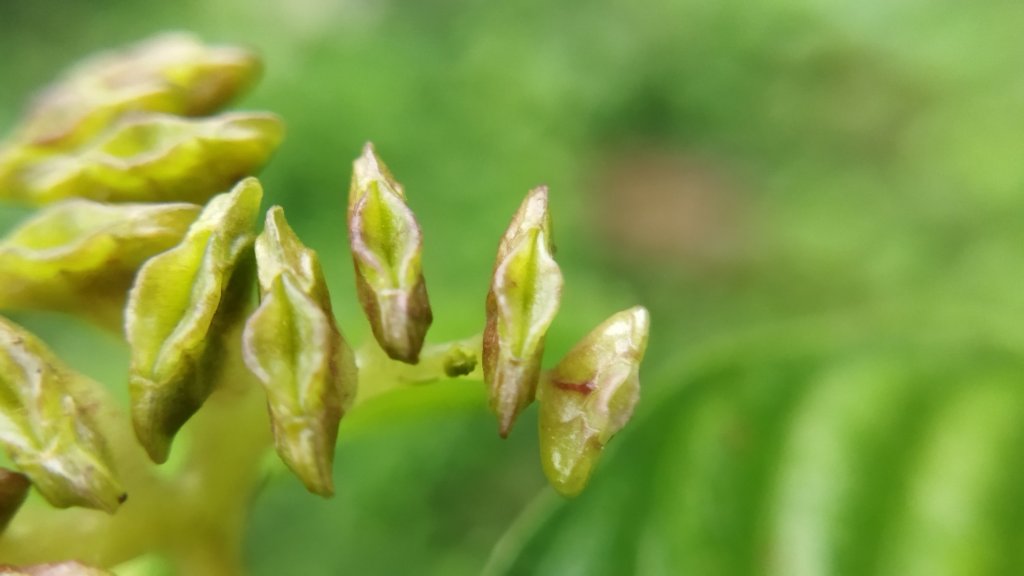
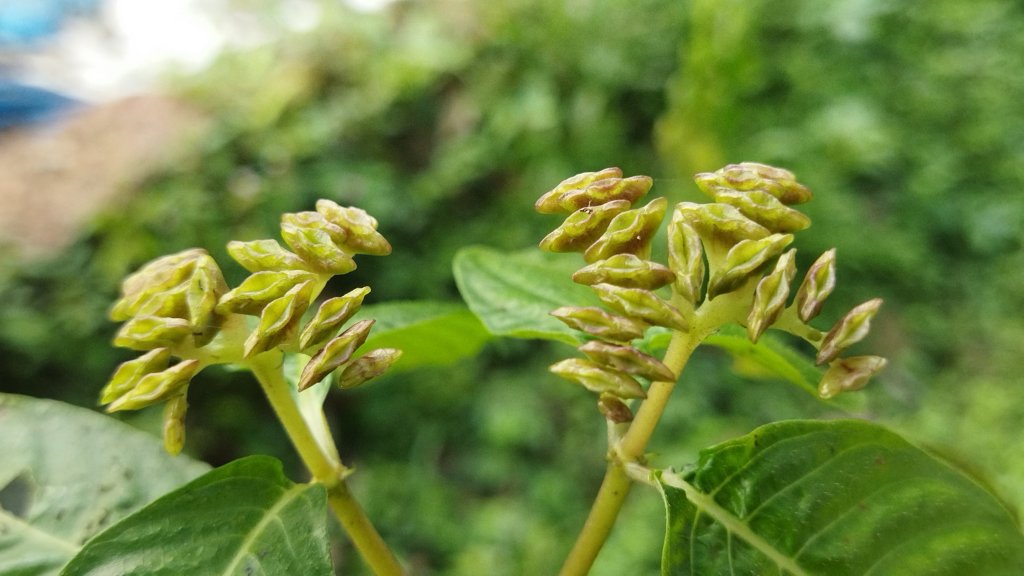
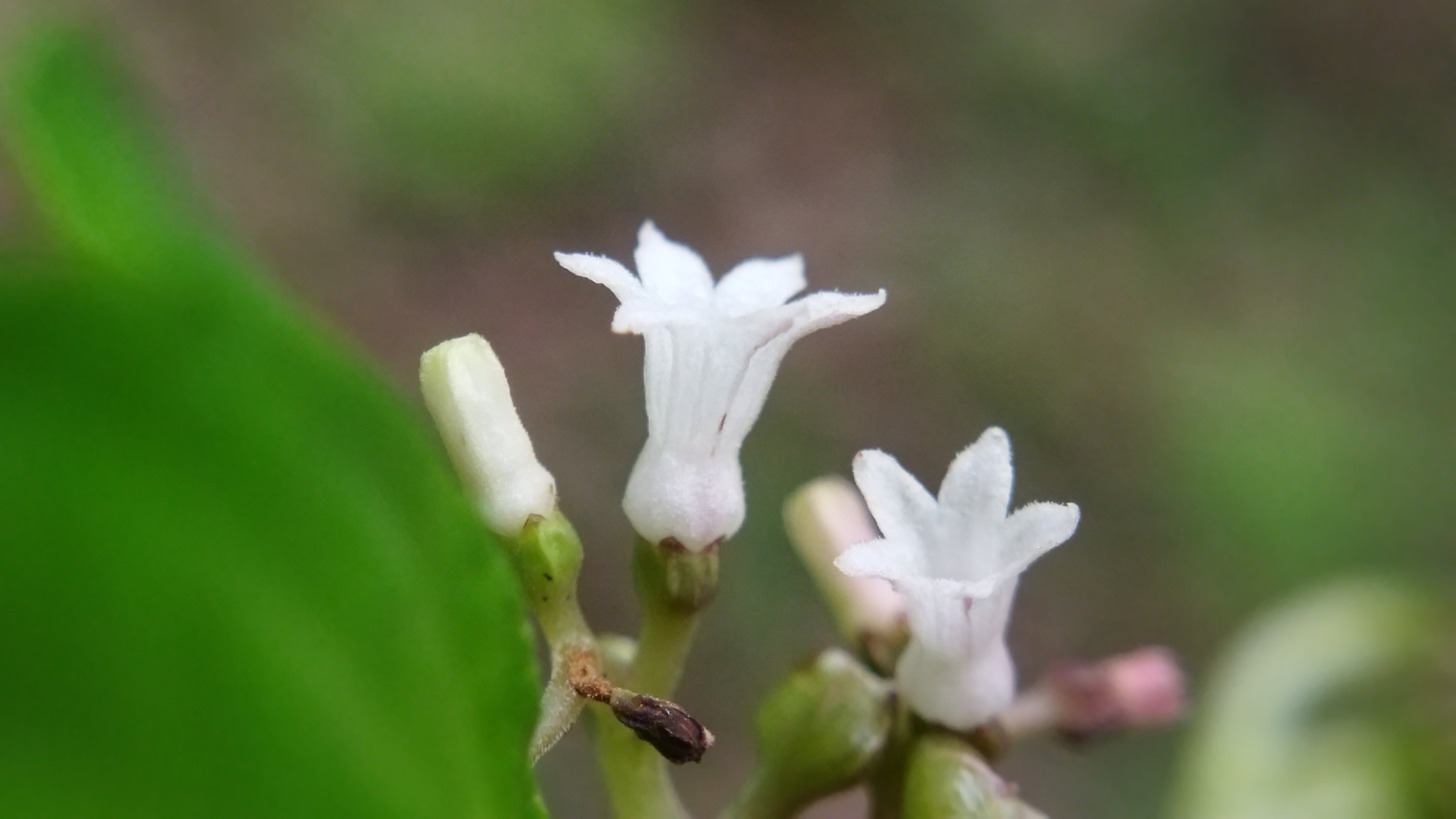
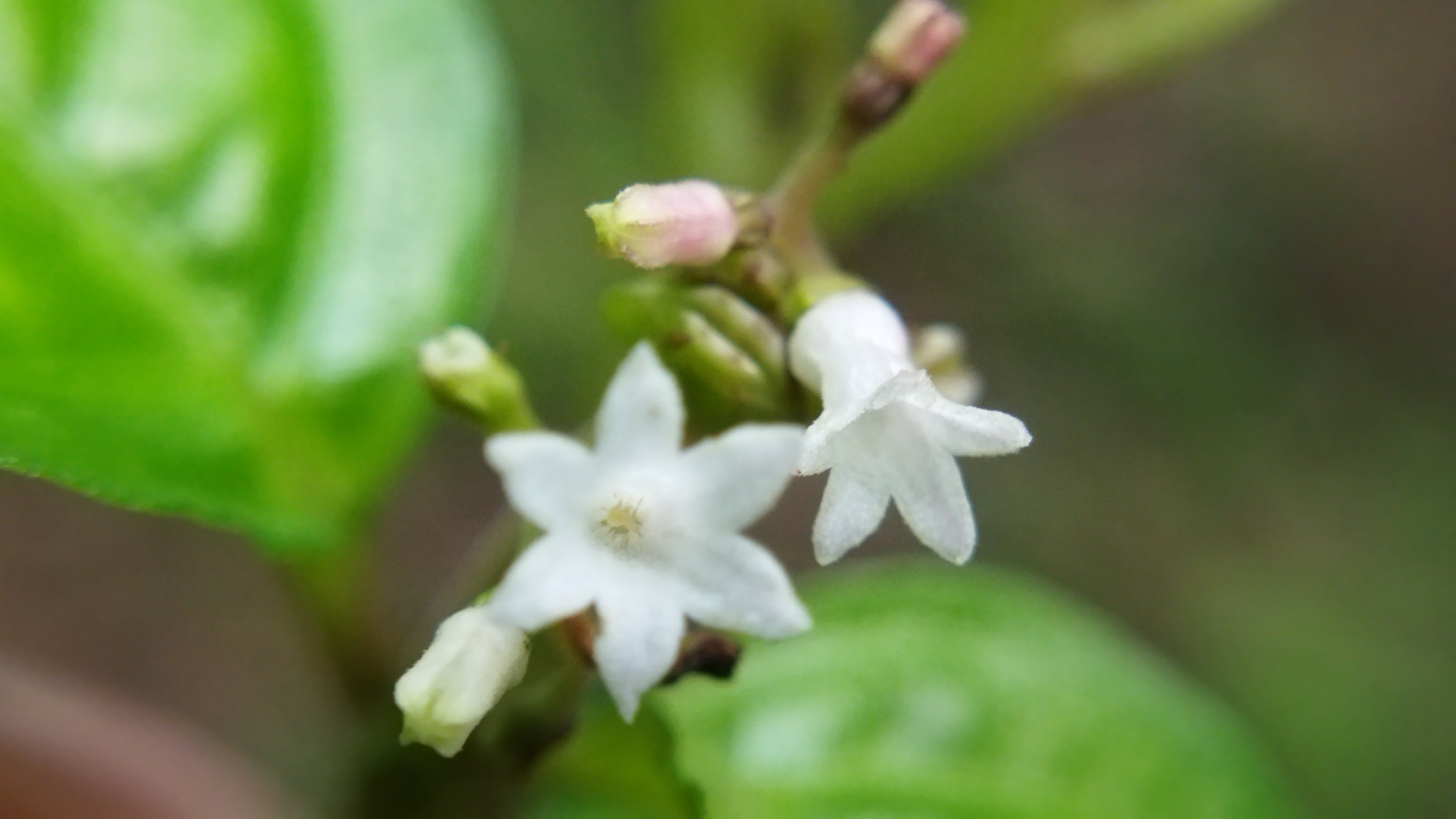
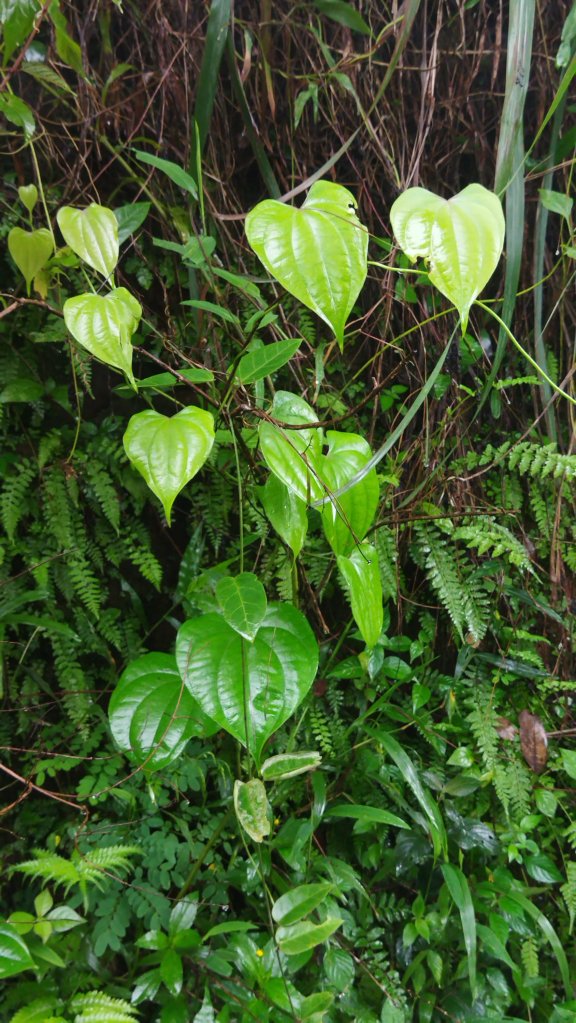
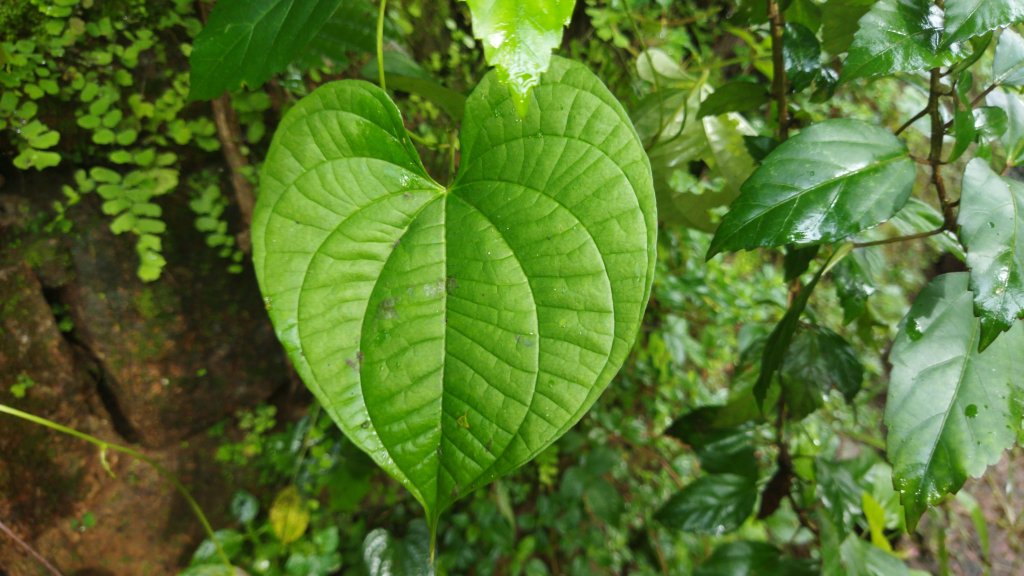
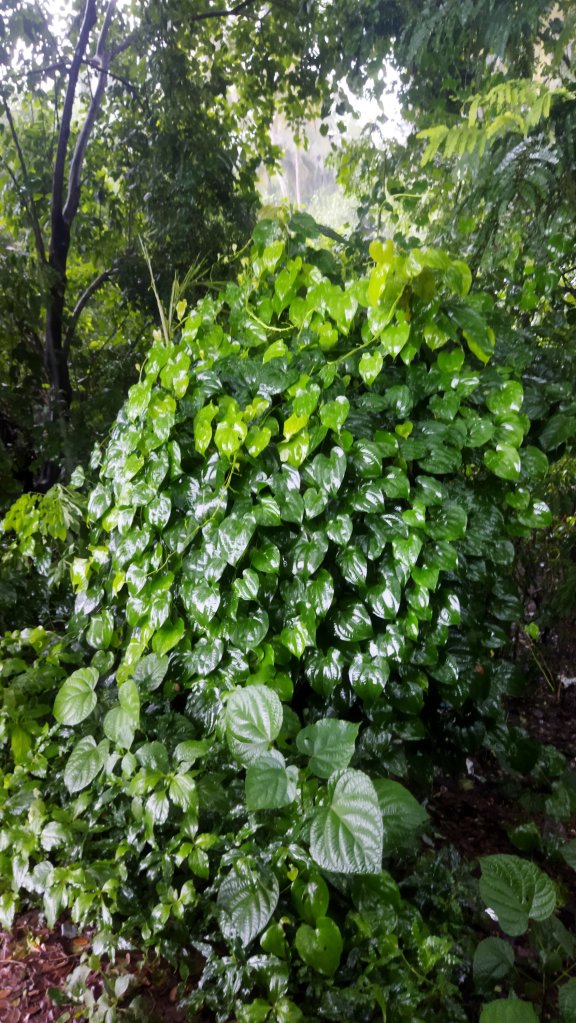
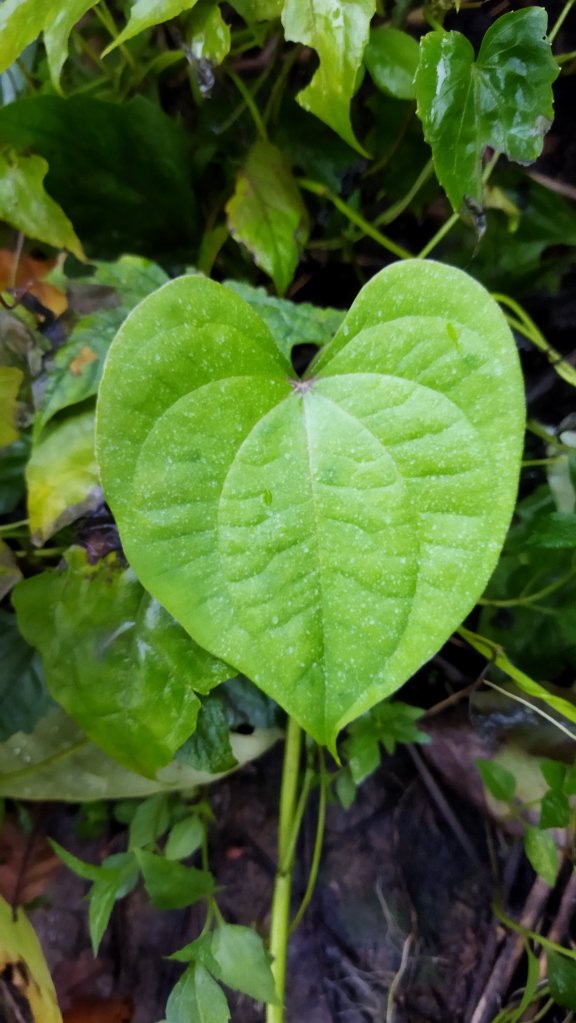
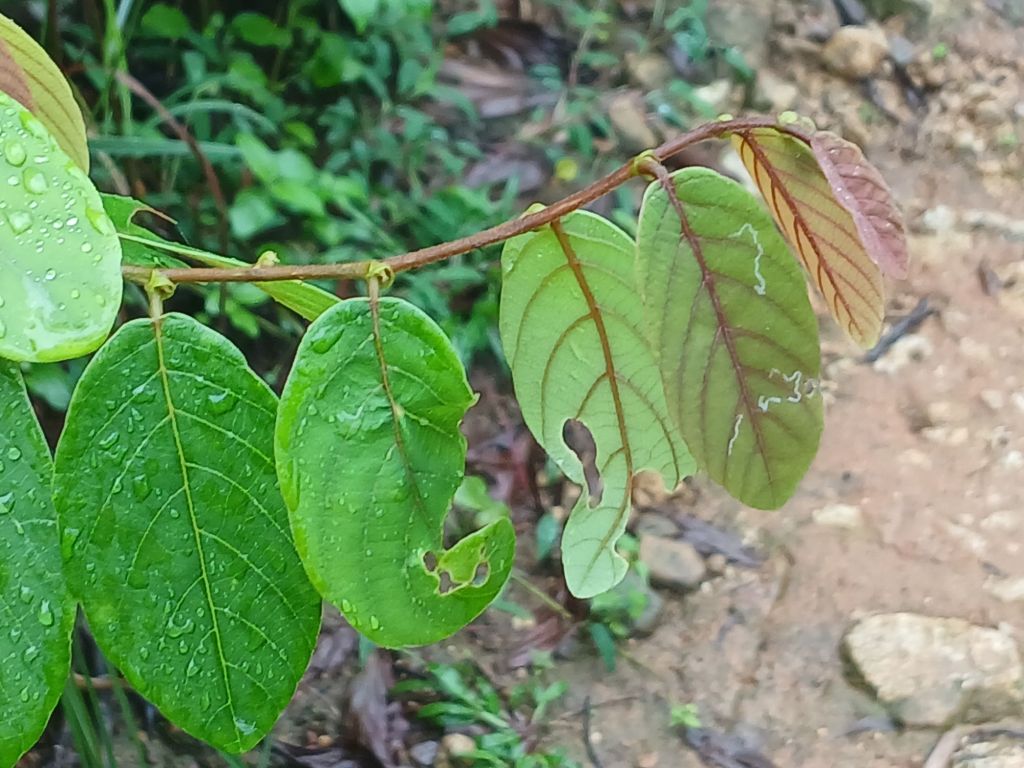
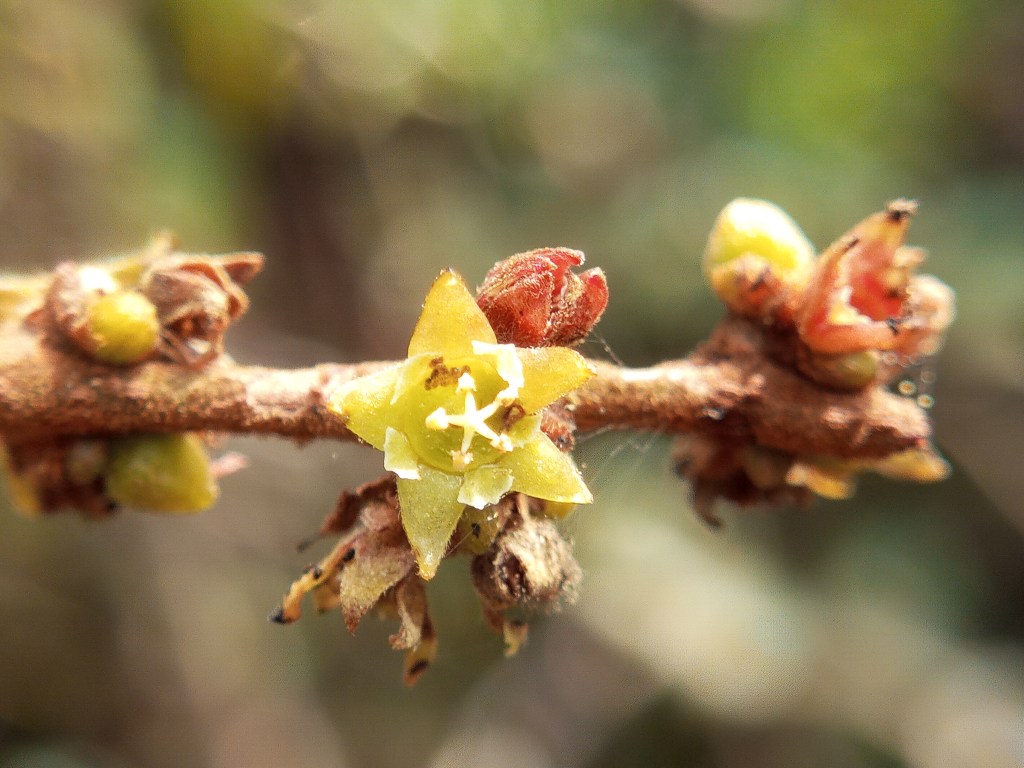
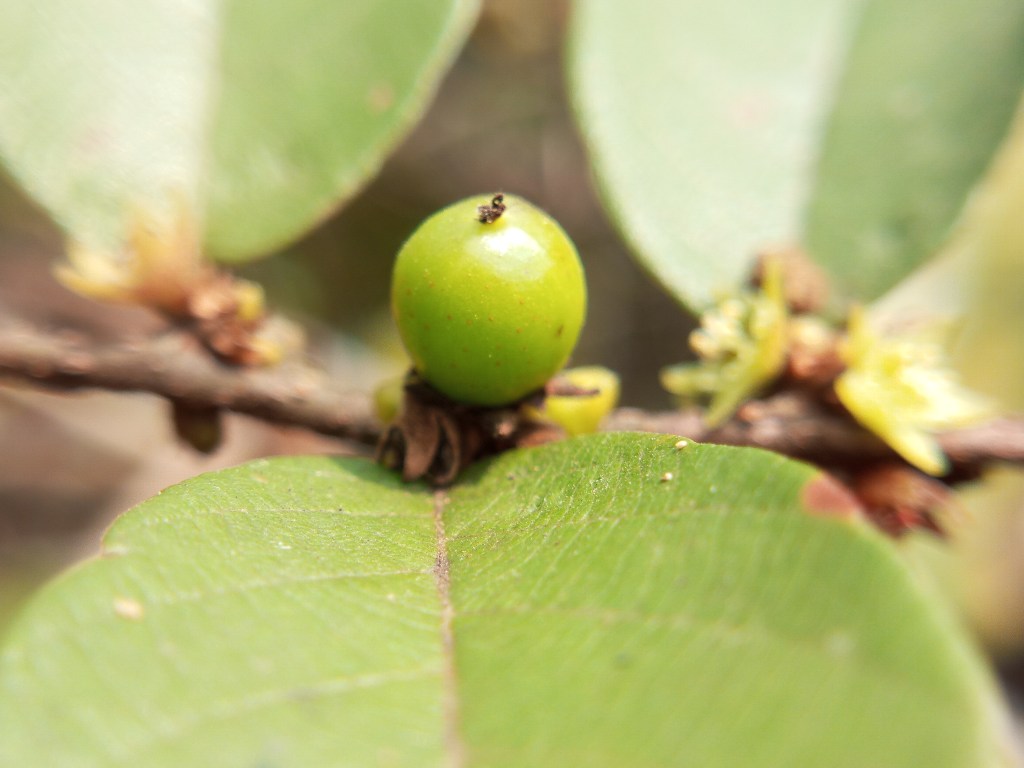
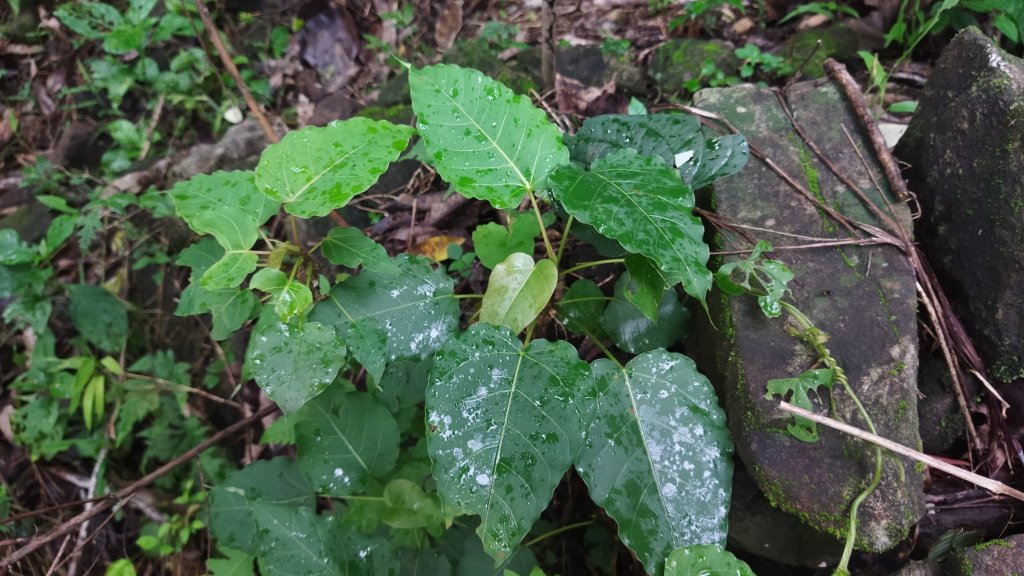
Abrus pulchellus

കാട്ടുകുന്നി

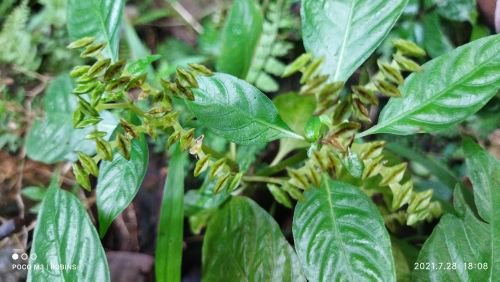
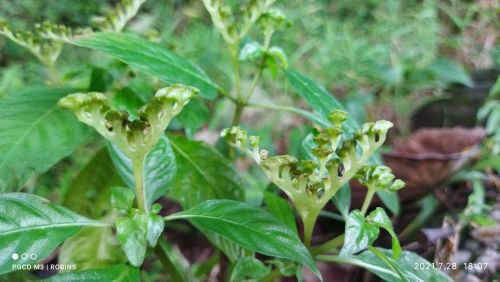
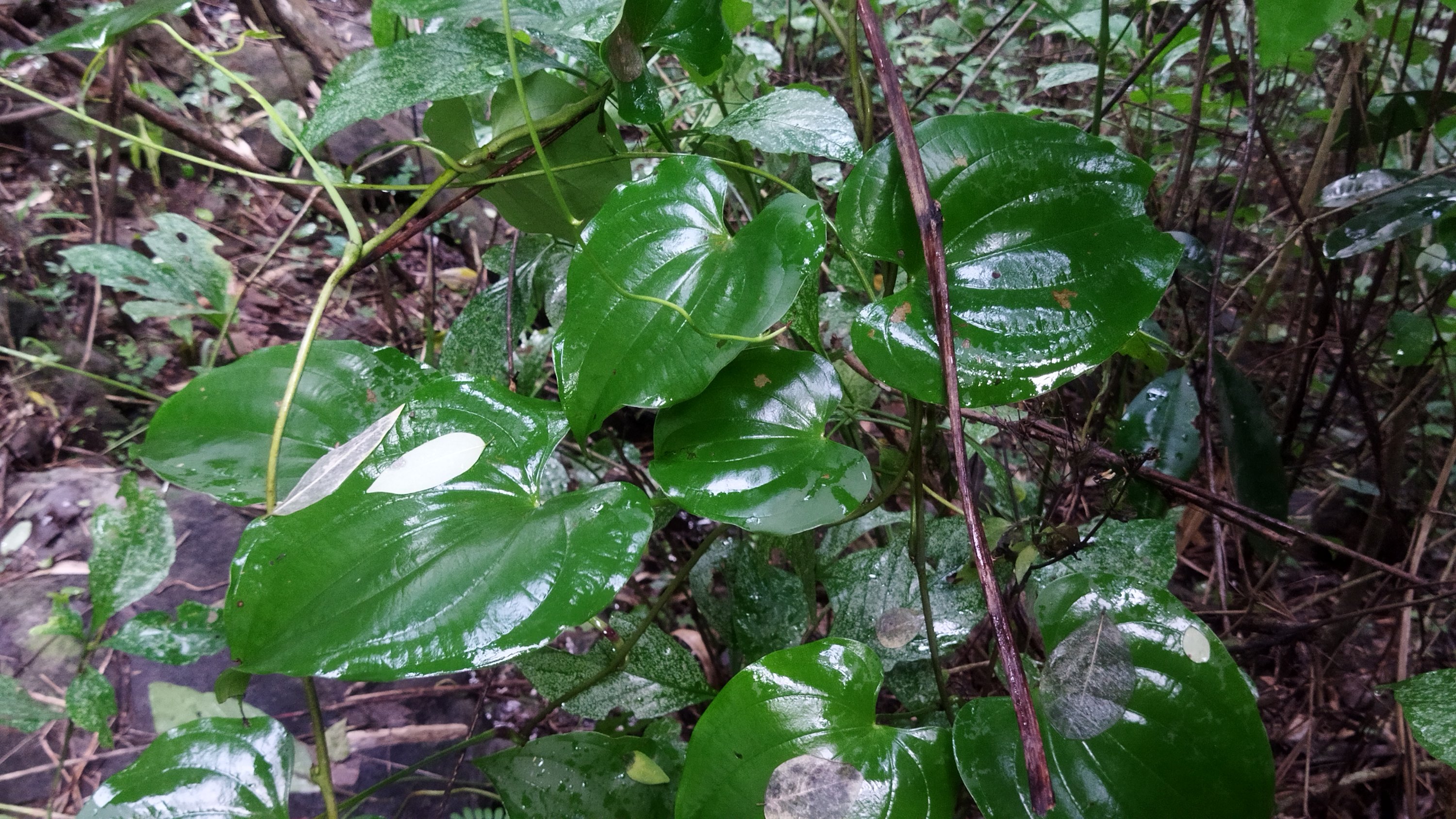
Abrus pulchellus is a twining shrub belonging to the Fabaceae family, commonly known as the Rosary pea. This species is native to tropical regions, particularly Africa and parts of Asia.

Scientific classification

Morphology

1. Habit:
Abrus pulchellus is a twining, perennial shrub with slender, woody stems. It often climbs by wrapping around nearby vegetation or supports.

2. Leaves:

Type: Pinnately compound.

Leaflets: Small, oblong with rounded tips, arranged in pairs along the rachis.

Texture: Generally smooth with a green coloration.


3. Flowers:

Arrangement: Flowers are borne in axillary racemes.

Color: Typically pale purple to yellowish.

Structure: Flowers exhibit a typical papilionaceous (butterfly-like) shape, common in the Fabaceae family.

Size: Small and delicate.


4. Fruit:

Type: A flat, pubescent pod (legume).

Color: The pods are often green when young and turn brown upon maturity.

Seeds: Usually pale yellow or white, smaller and less conspicuous compared to Abrus precatorius (which has bright red seeds).


5. Stem:

Nature: Woody, slender, and capable of twining.

Surface: Can be slightly hairy or smooth.

Distribution and Habitat

This species thrives in tropical climates and is predominantly found across various regions in Africa. It prefers well-drained soils and is commonly seen in open woodlands, forest edges, and along riverbanks.

Phytochemistry and Toxicity

Abrus pulchellus contains several bioactive compounds, including a potent type 2 ribosome-inactivating protein known as pulchellin, which is highly toxic. Pulchellin has been studied for its potential applications in targeted therapies due to its ability to inhibit protein synthesis in cells.

Medicinal Uses

Despite its toxicity, various parts of Abrus pulchellus have been utilized in traditional medicine. Extracts from the plant have demonstrated antibacterial and antifungal properties. Studies comparing the methanolic extracts of Abrus pulchellus and Abrus precatorius seeds revealed that both possess significant antimicrobial activity, with Abrus pulchellus showing slightly higher efficacy against certain bacterial strains.

Caution

Due to the presence of toxic compounds like pulchellin, handling and usage of Abrus pulchellus require caution. Proper processing methods are essential to mitigate toxicity before any medicinal application. It is imperative to consult knowledgeable healthcare professionals before considering its use in any form.

In summary, Abrus pulchellus is a plant with notable biochemical properties and potential medicinal applications. However, its inherent toxicity necessitates careful handling and thorough understanding before any practical use.

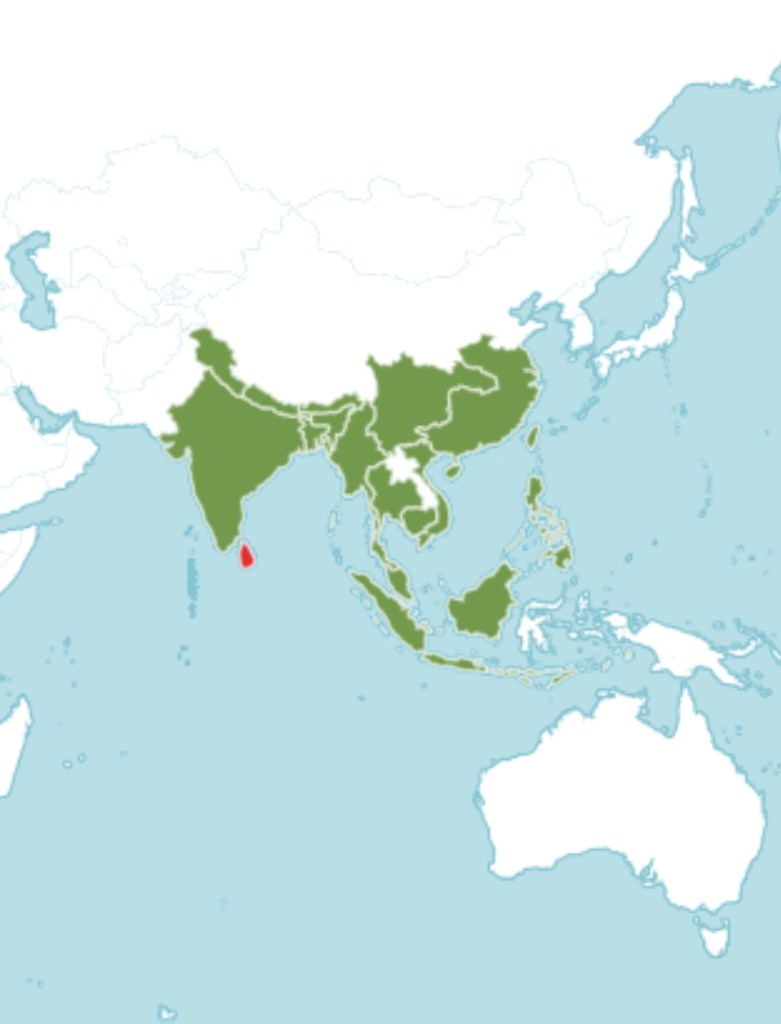
Range

Native to:
Andaman Is., Assam, Bangladesh, Borneo, Cambodia, China South-Central, China Southeast, East Himalaya, Hainan, India, Jawa, Laos, Malaya, Myanmar, Nepal, New Caledonia, New Guinea, Philippines, Sri Lanka, Thailand, Vietnam, West Himalaya

Images

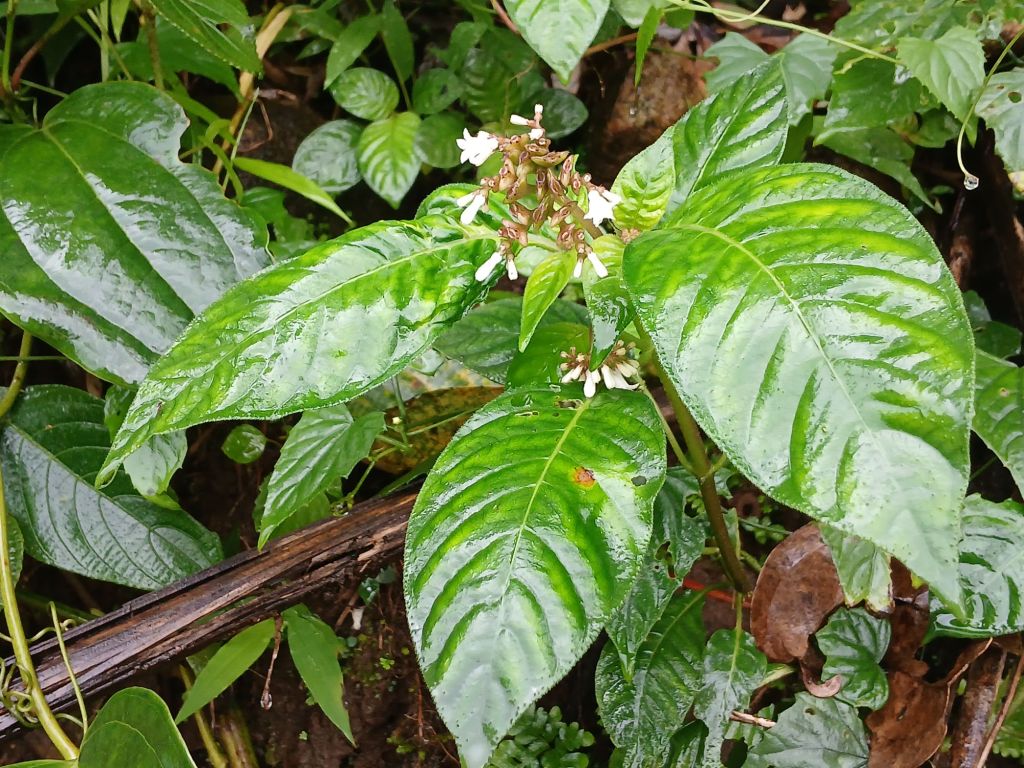
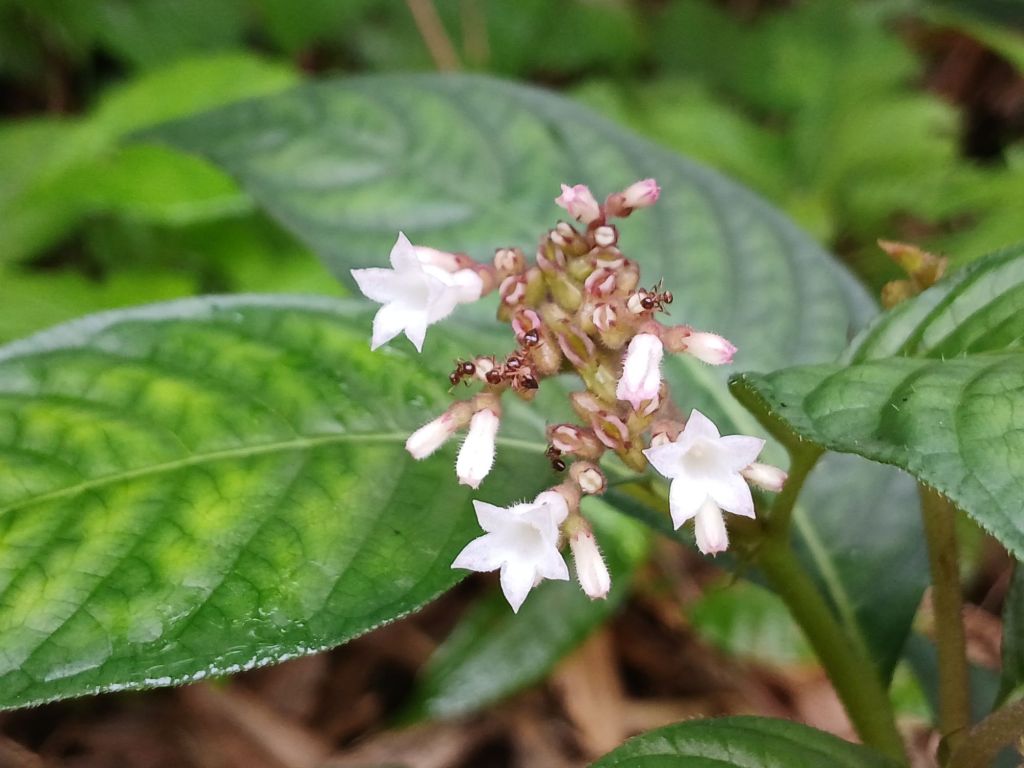
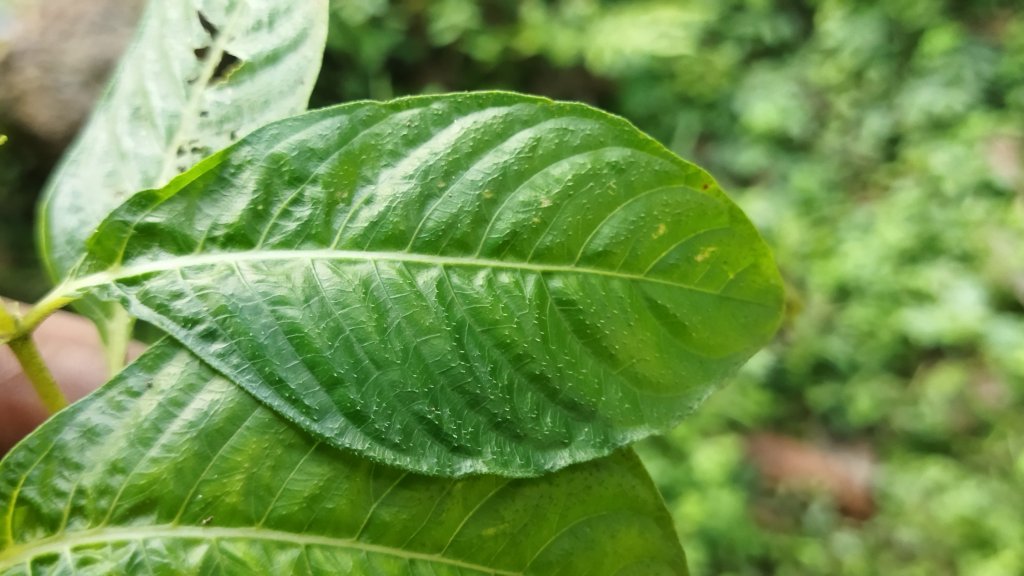
കീരിപ്പച്ച

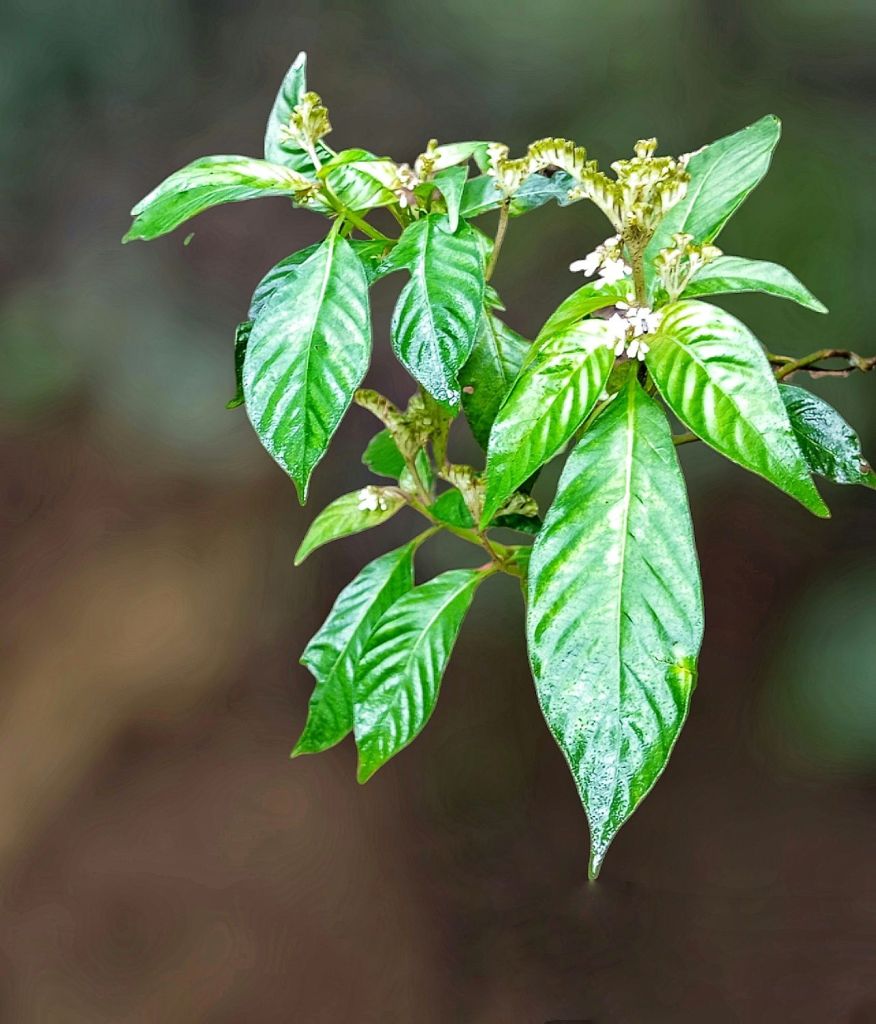
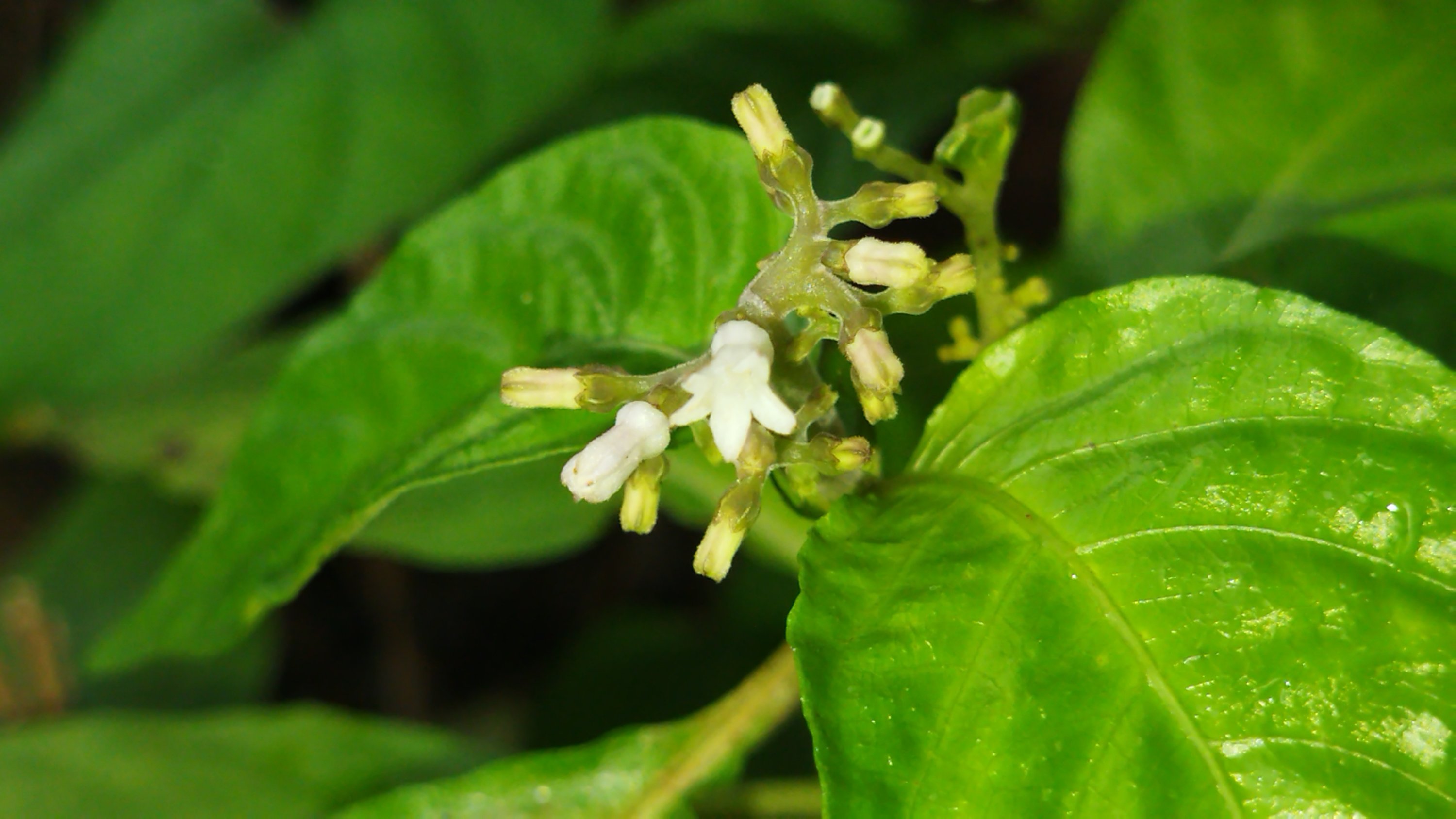
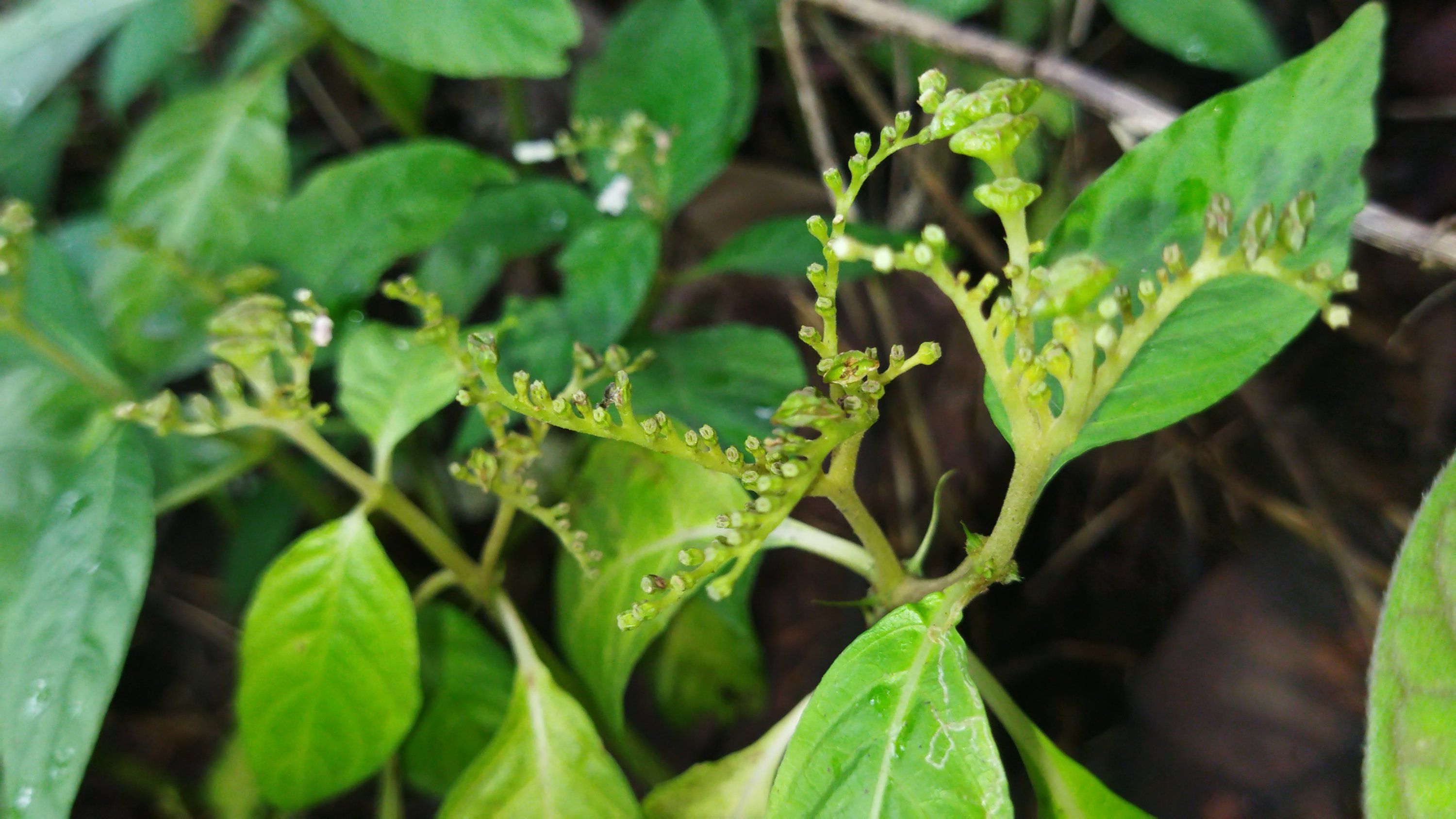
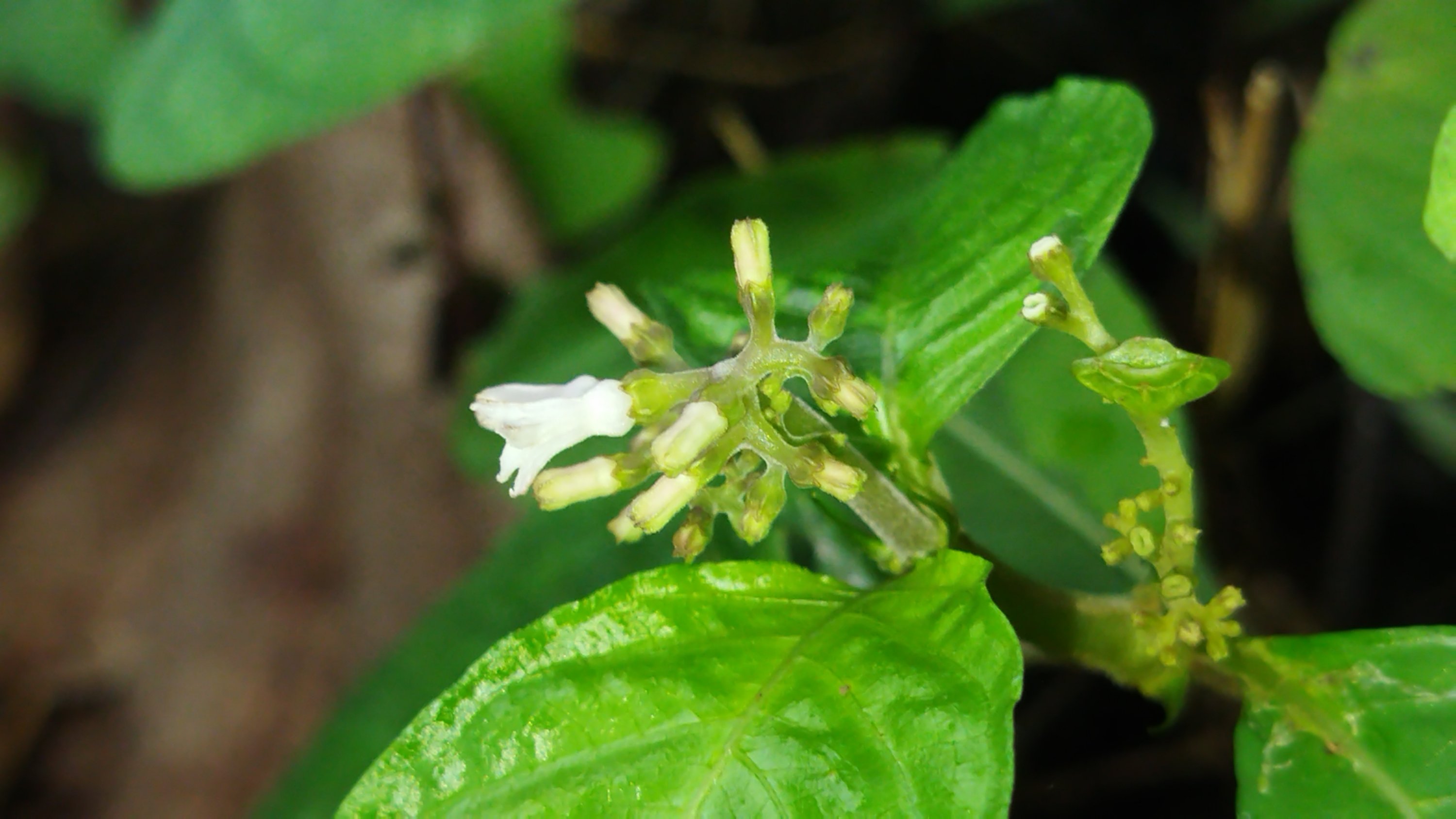
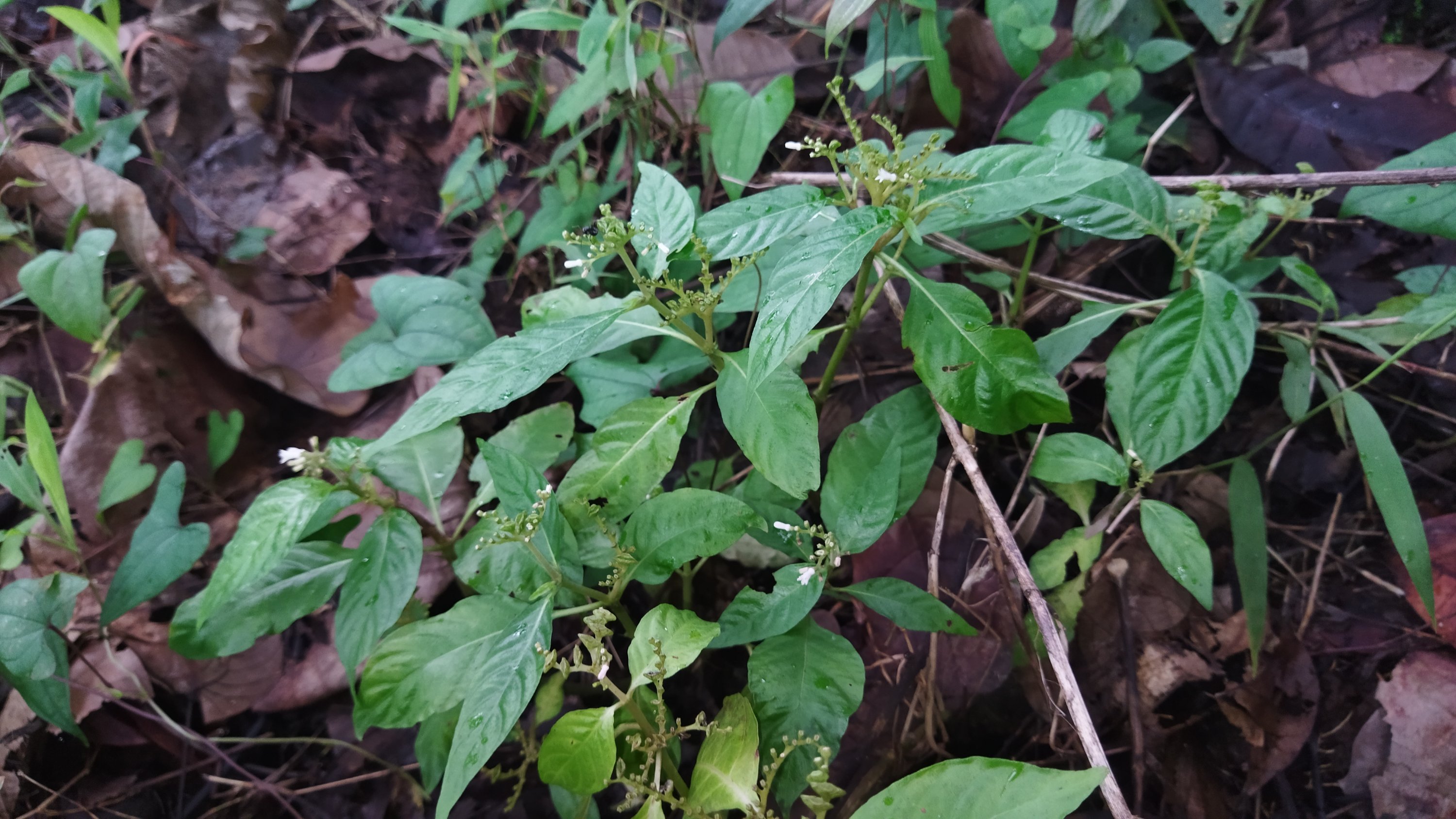
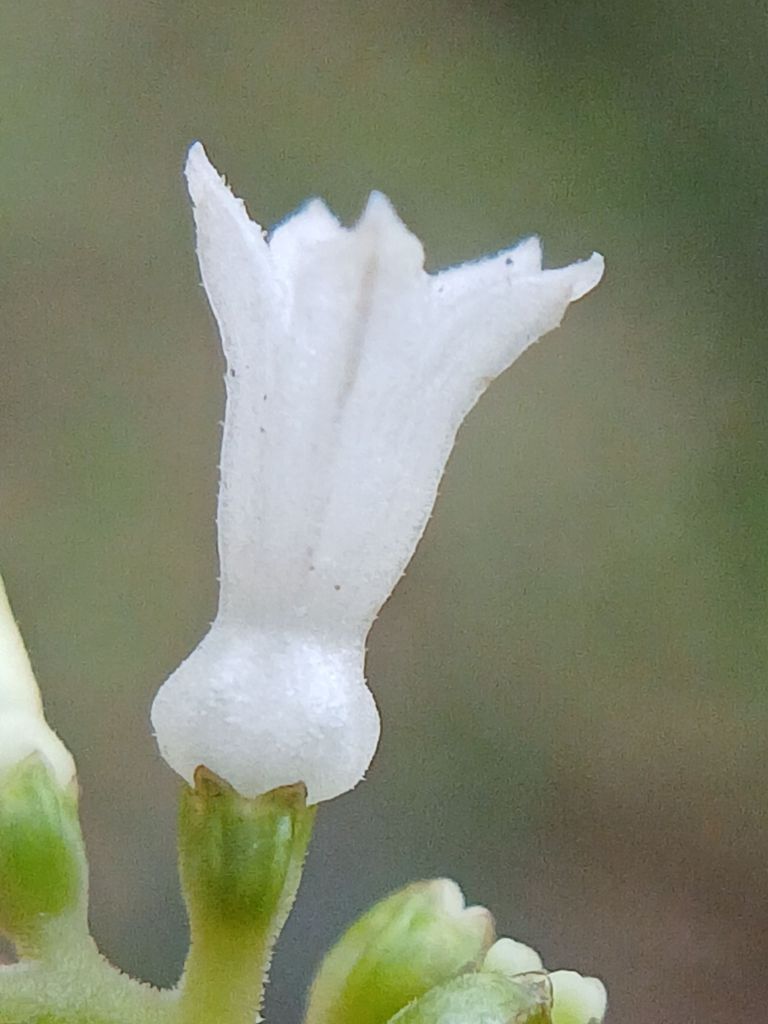
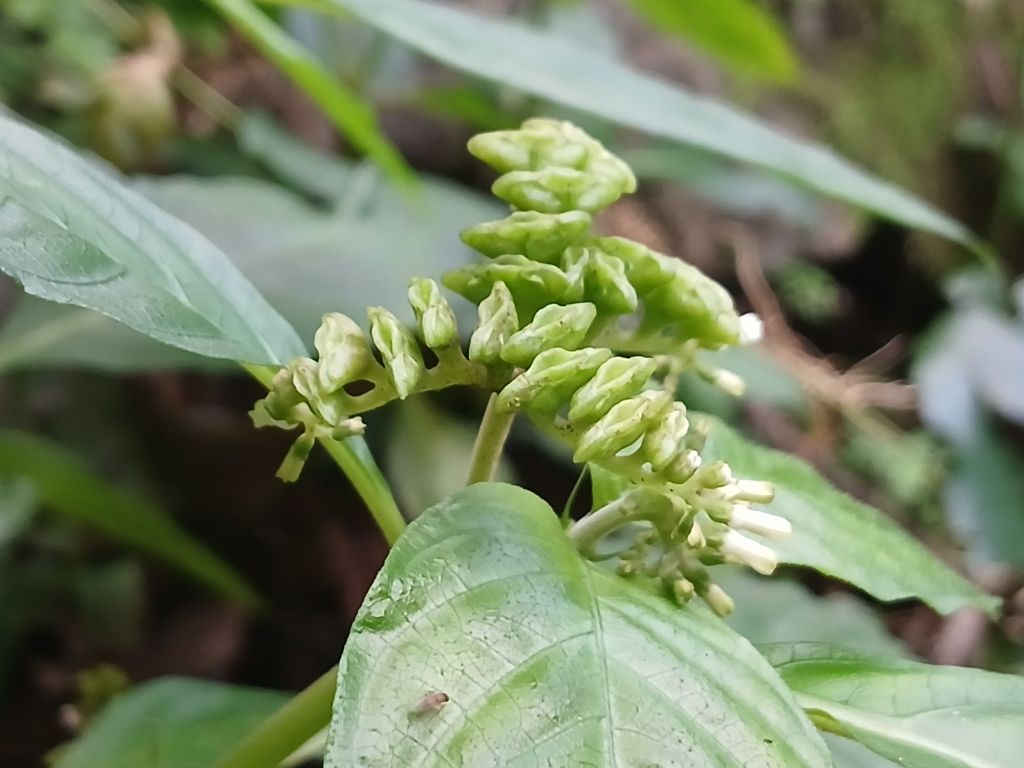
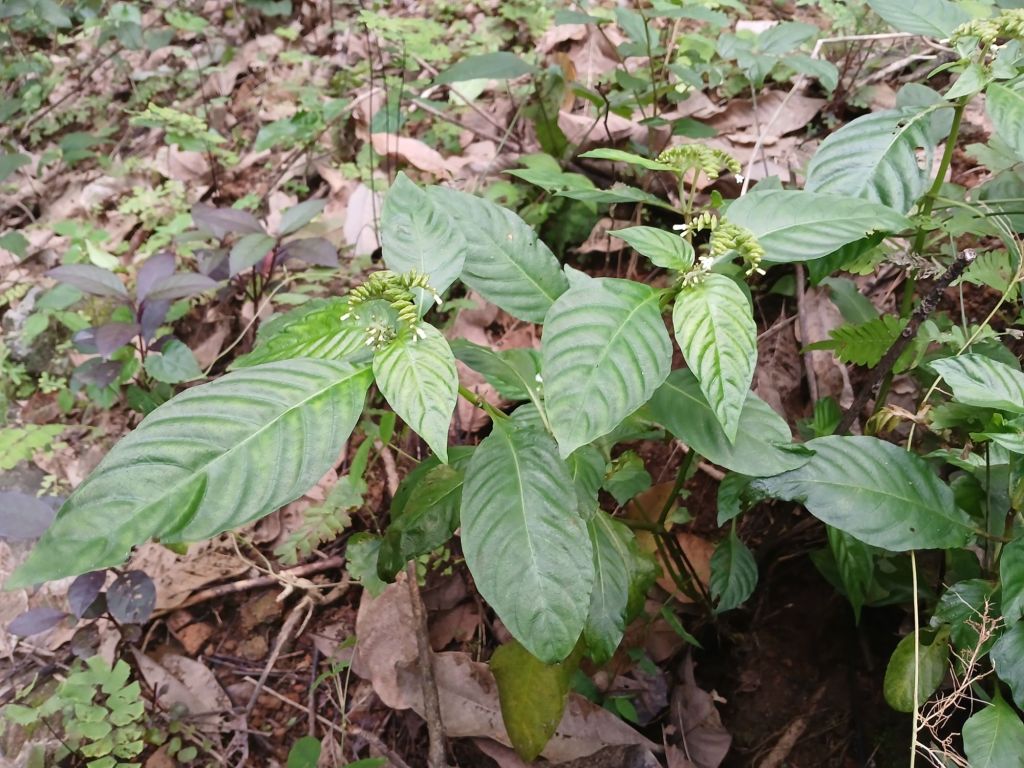
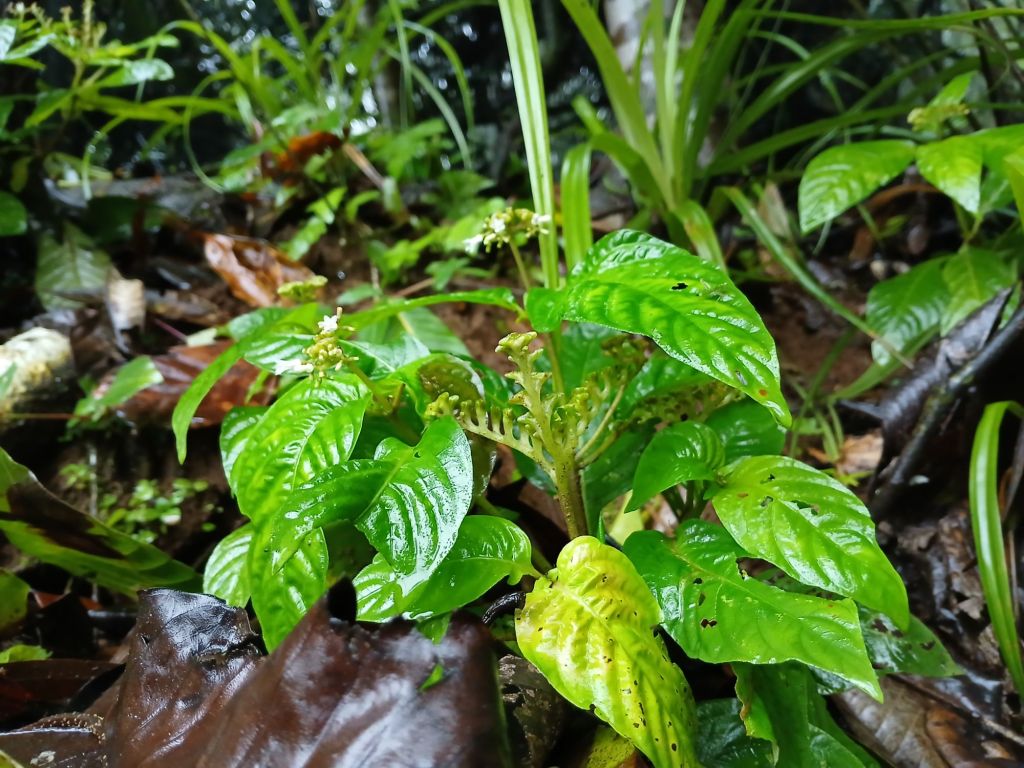
  • Scientific name  = Ophiorrhiza mungos
  • English name = Mongoose Plant, Indian Snake-Root
  • Malayalam = കീരിപ്പച്ച, അവിൽപ്പൊരി
  • Habit = Herb
  • Habitat = Primary and secondary forest, in moist localities; at elevations up to 400 metres.
  • Native = Indo – Malayan biosphere
  • Family = Rubiaceae

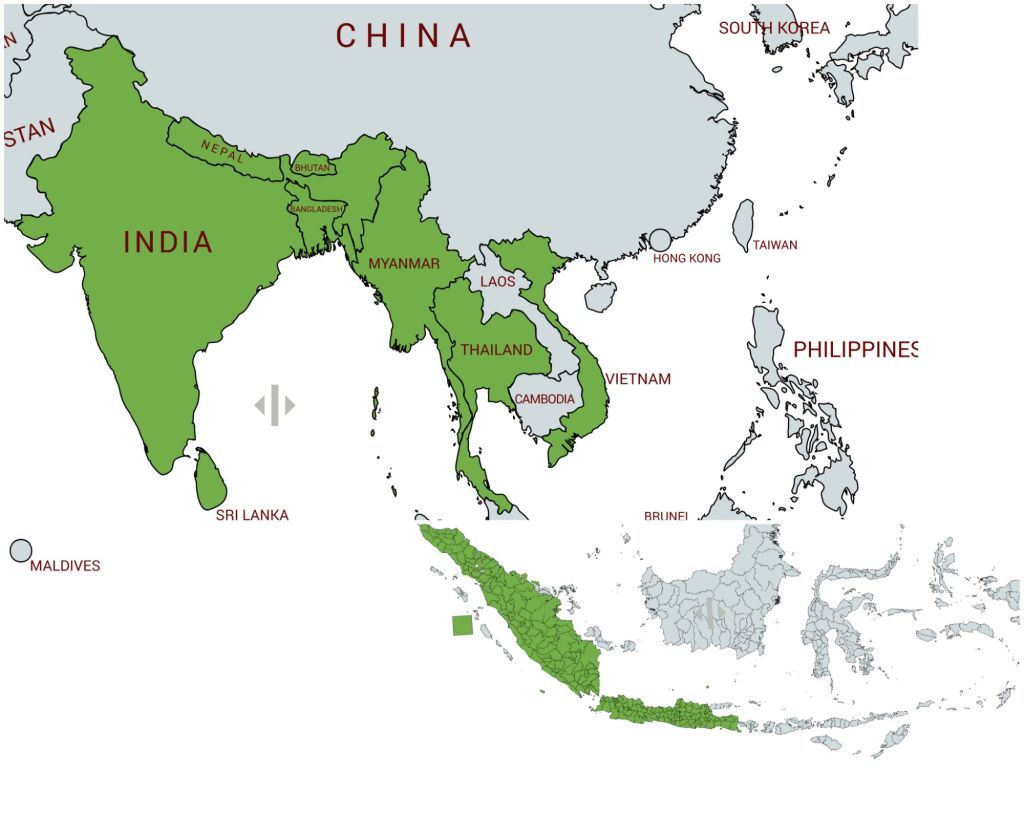
Assam, Bangladesh, East Himalaya, India, Jawa, Malaya, Myanmar, Nicobar Is., Sri Lanka, Sumatera, Thailand, Vietnam

  • Rootsystem = Taproot
  • Root formation = Adventitious root
  • Stem = Present
  • Stem type = Short, fleshy
  • Hair = Absent
  • Leaves = Present
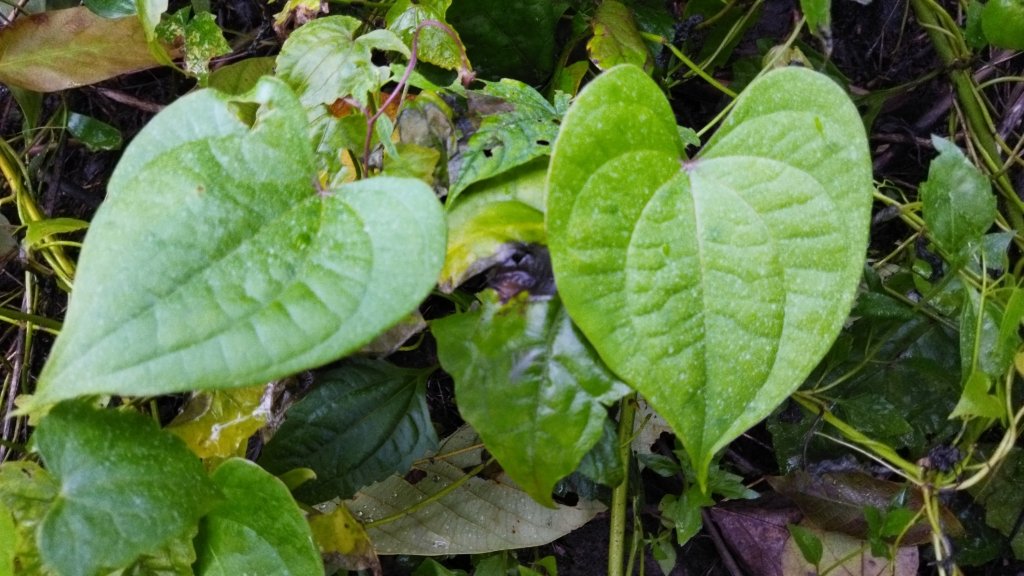
  • Stipule = Absent
  • Leaf base = Acute
  • Leaf apex = Acute
  • Leaf margin = entire
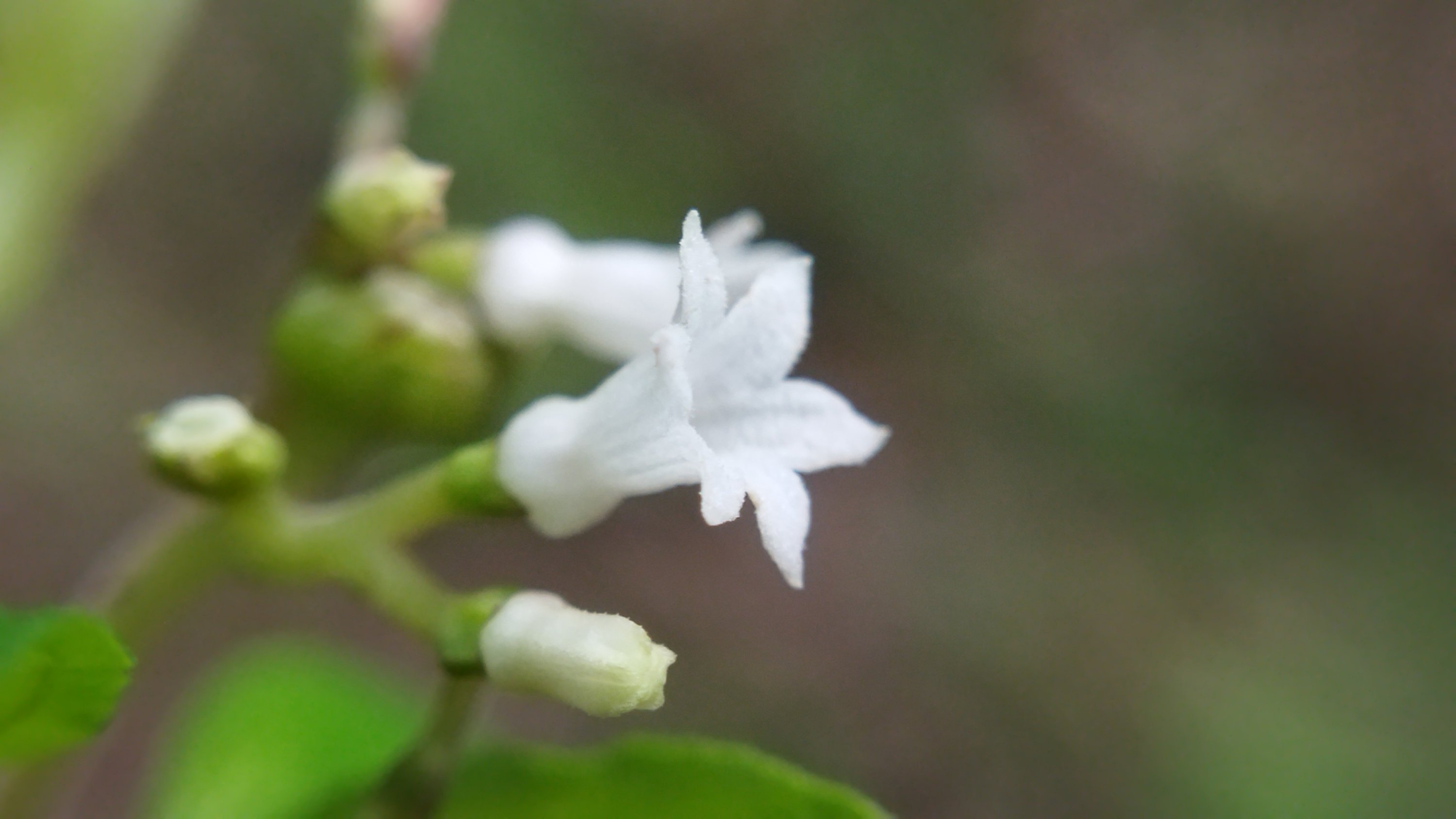
  • Flower = Present
  • Bract = Absent
  • Inflorescence = Cincinnus
  • Calix = Present
  • Corola = White
  • Petels = 6

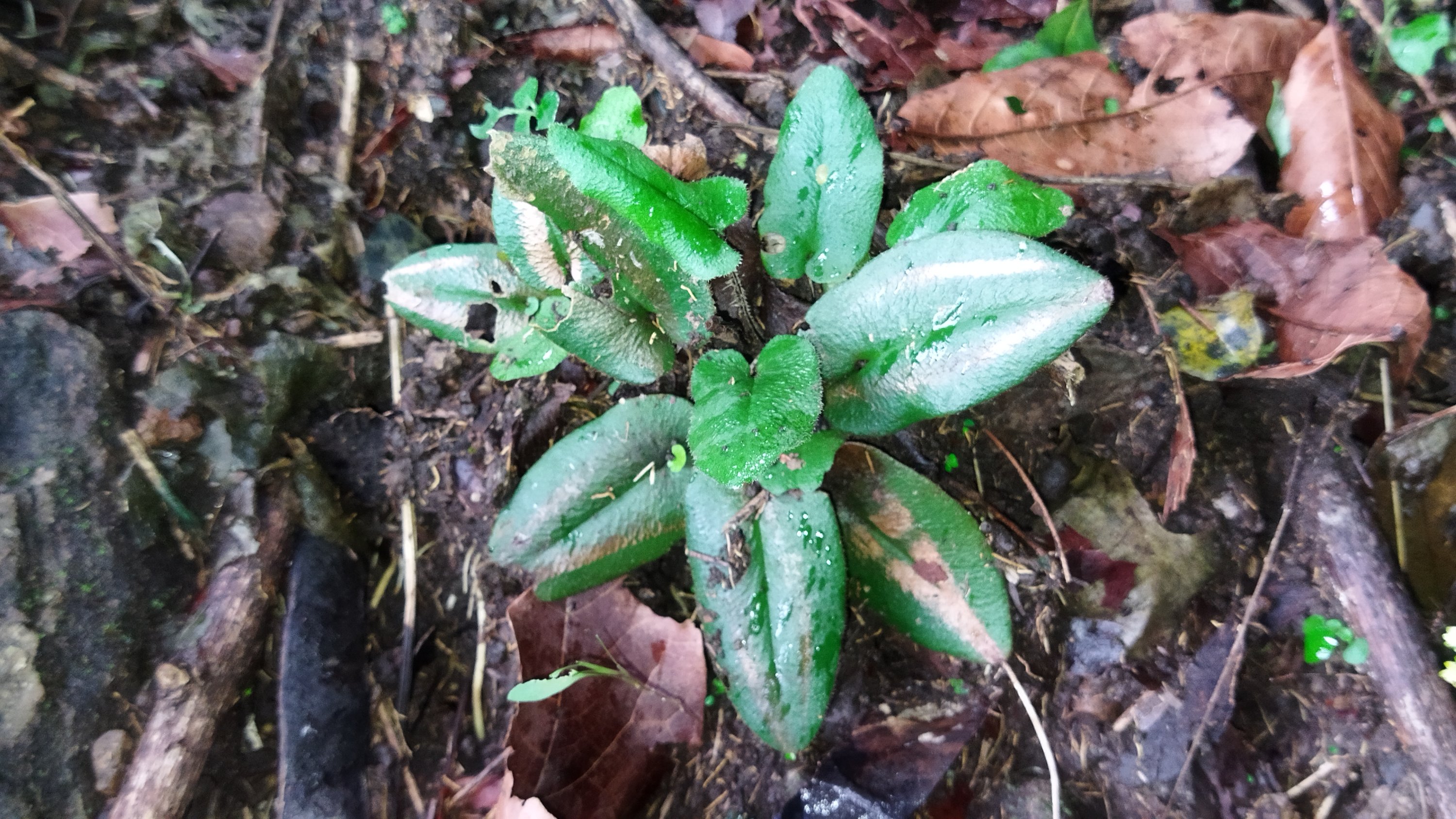
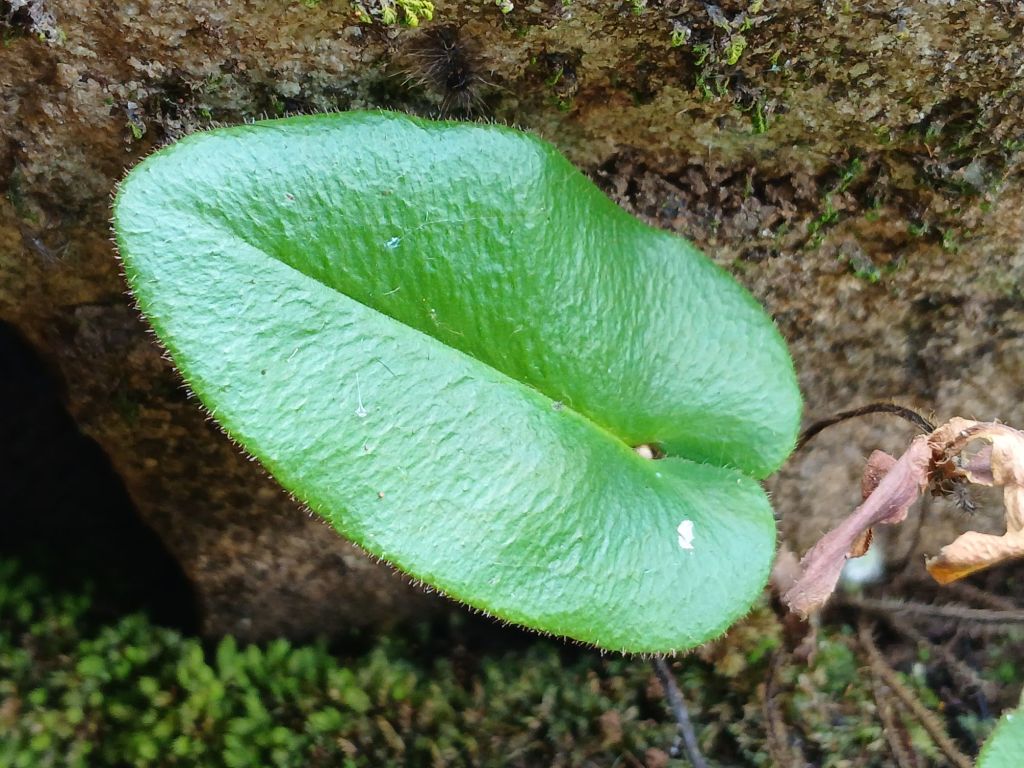
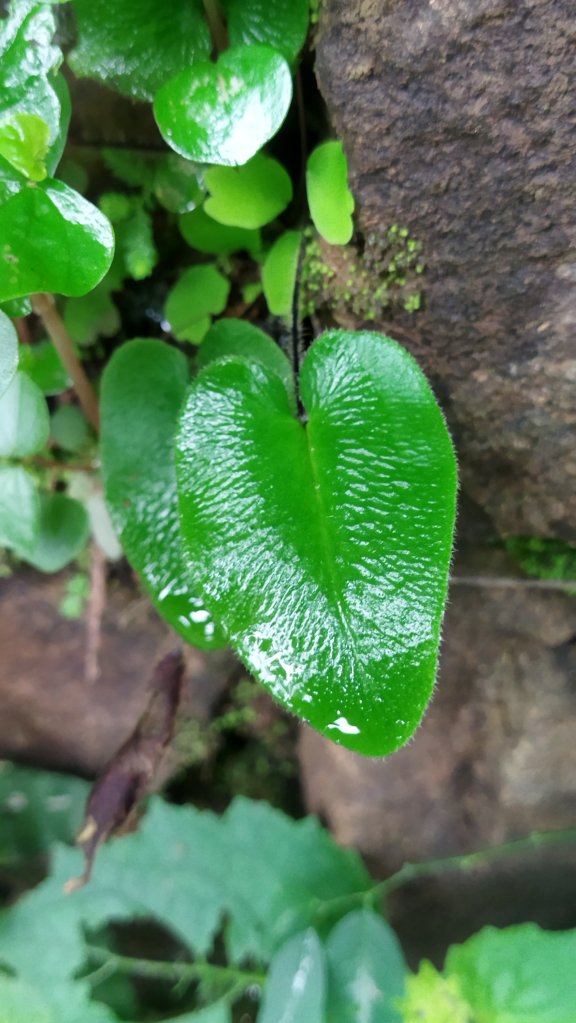
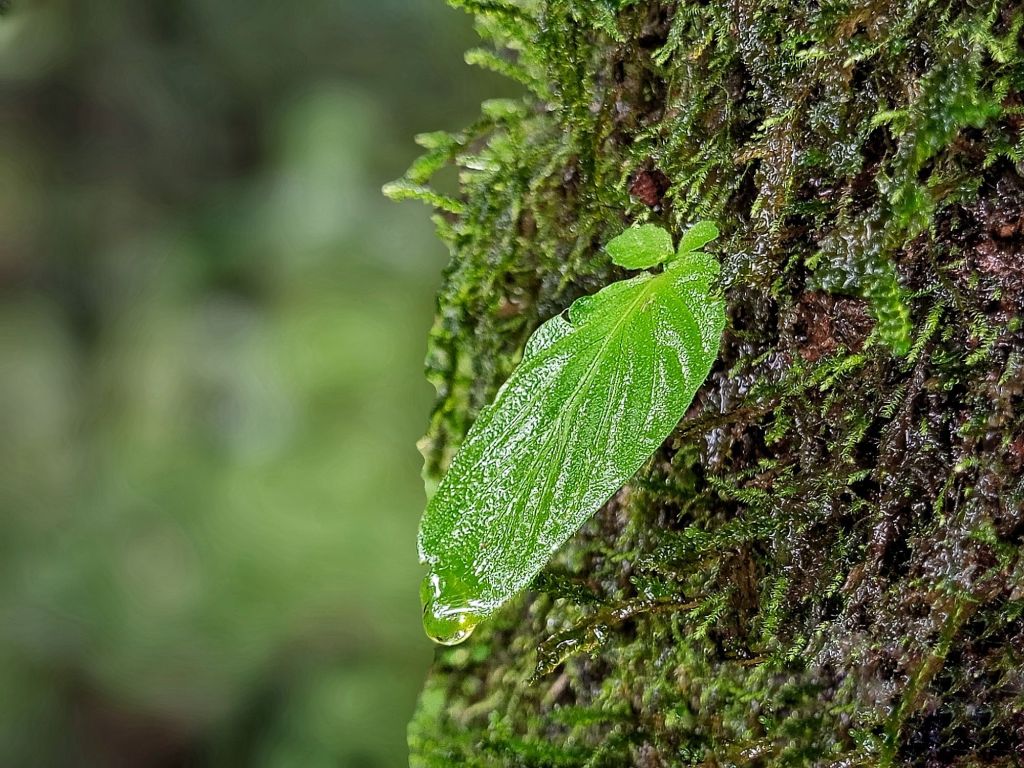
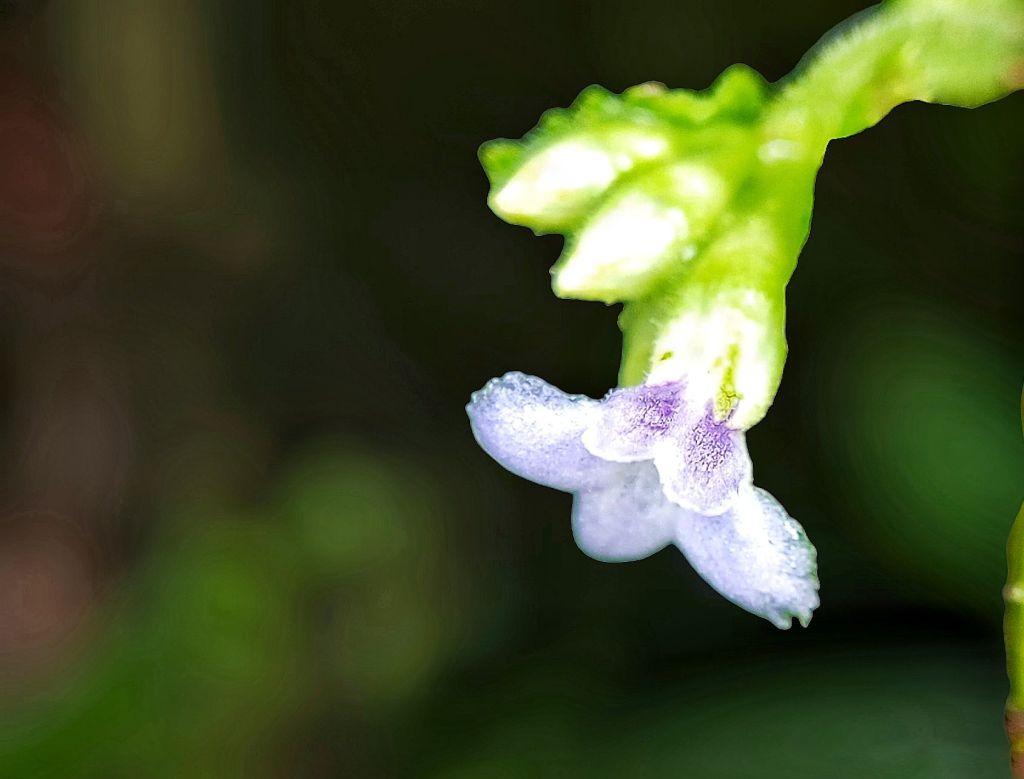
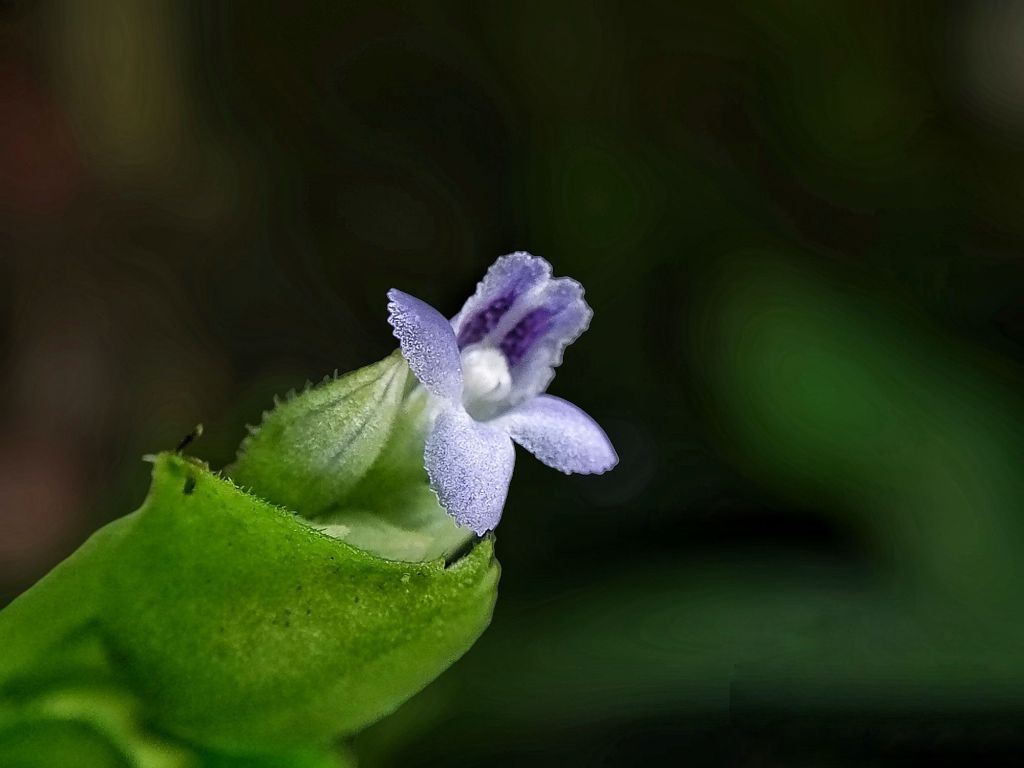
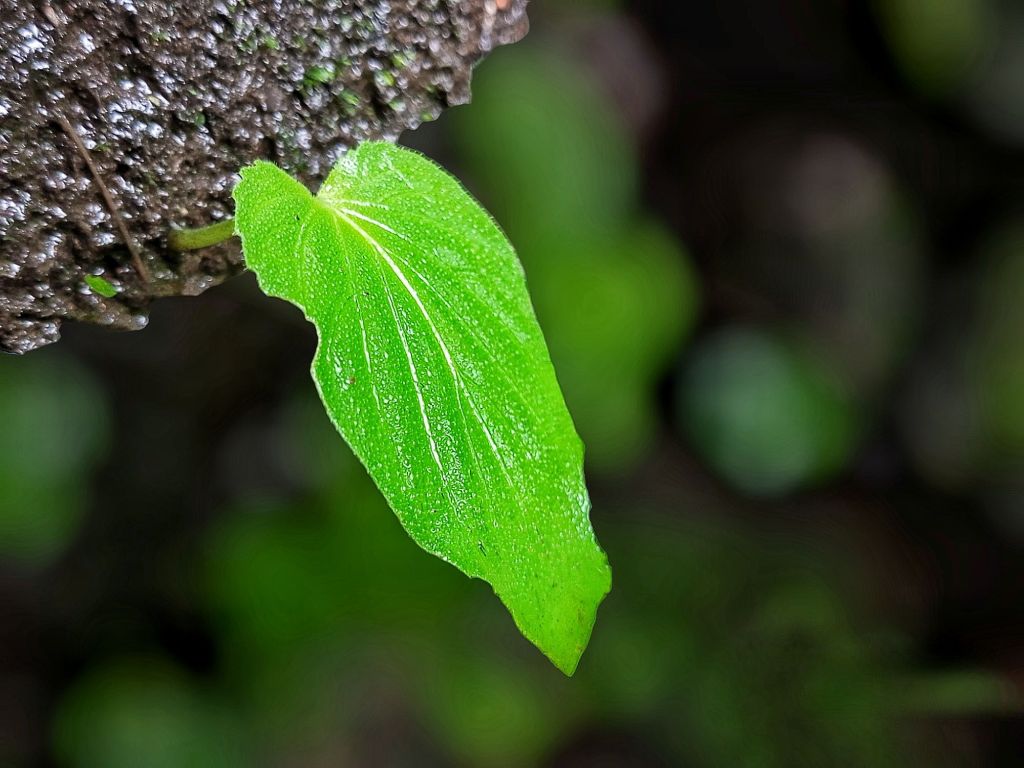
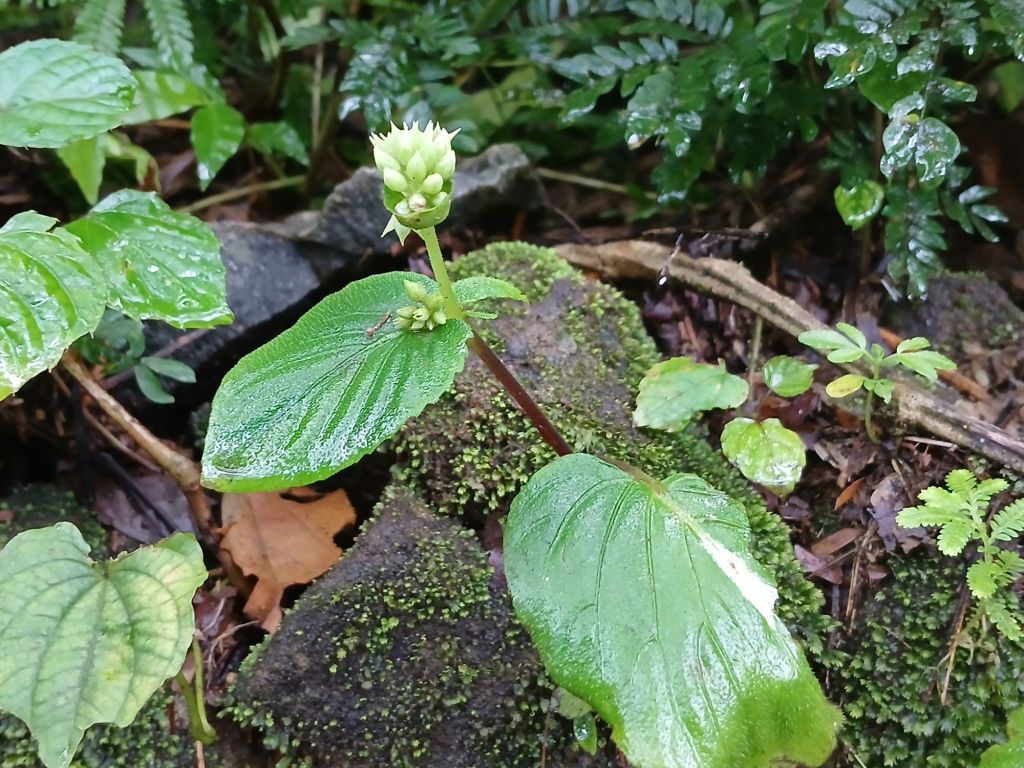
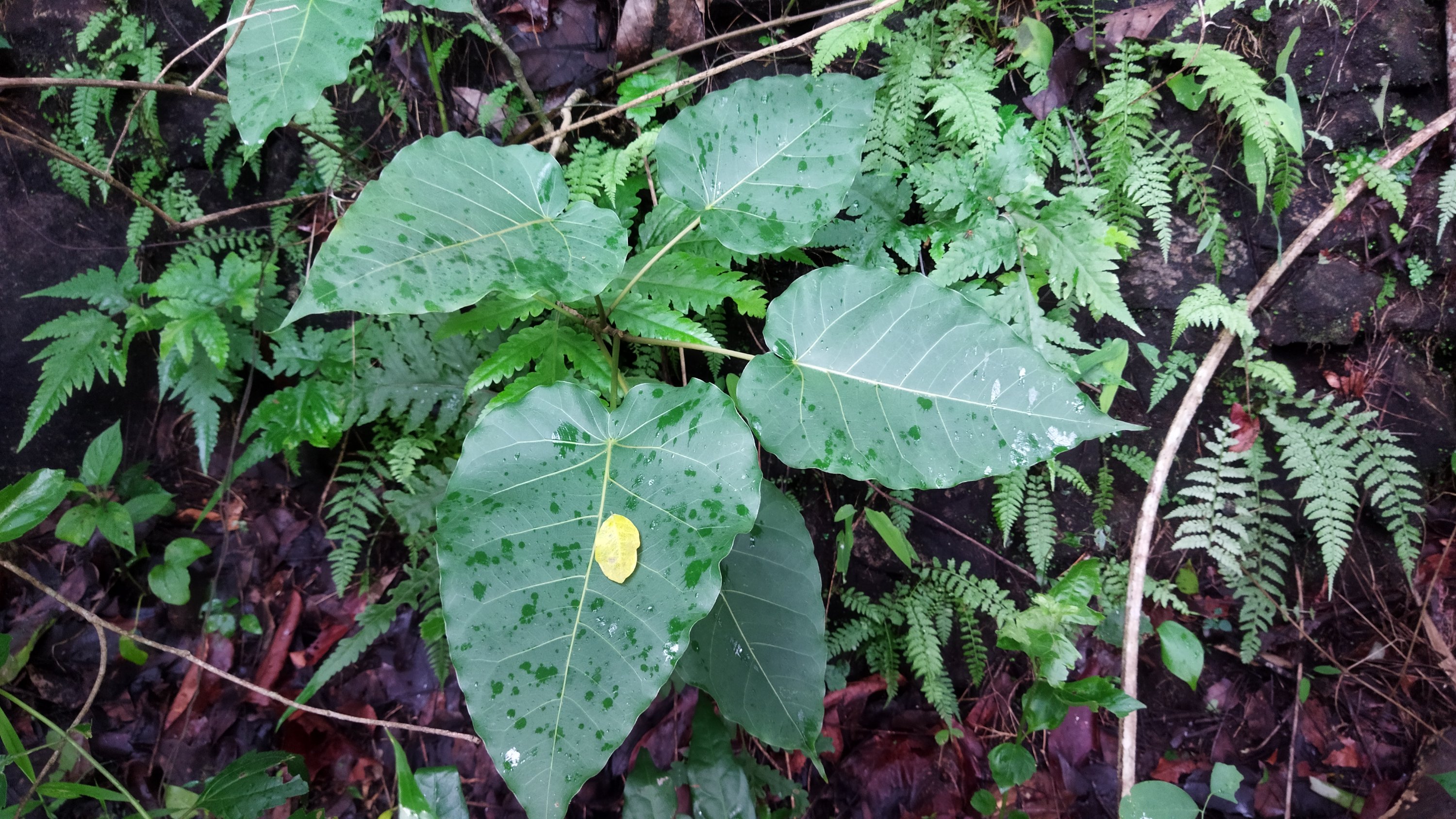
Epithema carnosum

  • Scientific name = Epithema carnosum
  • English name    = Fleshy Epithema
  • Habit                    = Herb
  • Habitat                 =Wet rocks, trees bark
  • Native                  = Tropical asia
  • Family                 = Gesneriaceae
  • Flowering          August – September

  • Root system         = Taproot
  • Stem                      = No
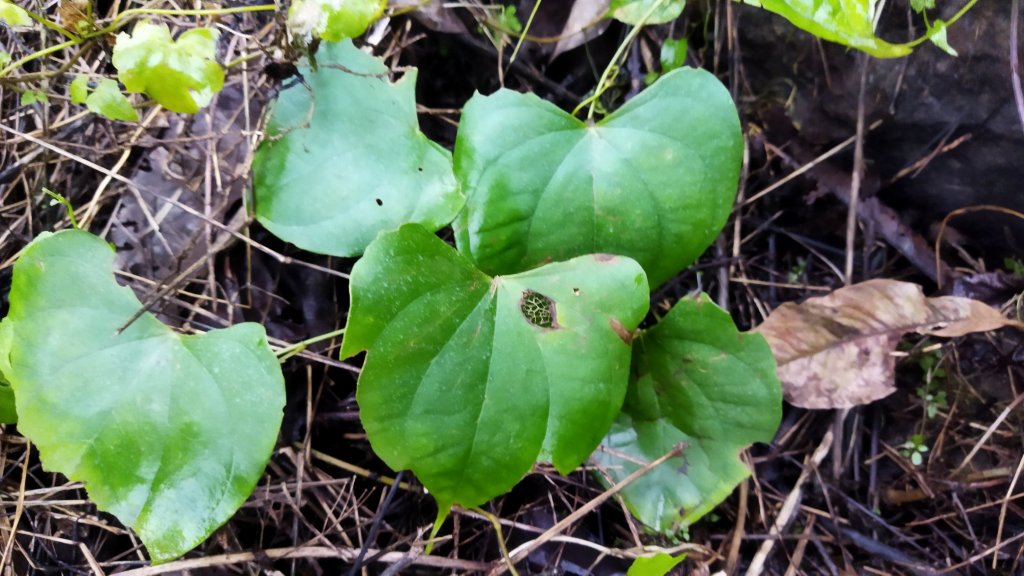
  • Leaves                  = Yes (2-3)
  • Leaf type             = Single
  • Leaf base            = Cordate
  • Leaf margin      = Entire
  • Leaf apex          = Acute
  • Hair on leaf      = Yes
  • Petiole               =
  • Lamina             =
  • No. Of veins    = 12 pair
  • Inflorescence =
  • Flower type    = Bisexual
  • Pedicel            =
  • Bract                = Yes
  • Epicalyx         = No
  • Calix color     = Green
  • No. Of Sepels =
  • Calyx type      =
  • Corola type   =
  • Corola color = White, Blue
  • No. Of. Petels = 4
  • Aestivation    = Valvate
  • Symmetry      = Actinomorphic
  • Stamens type =
  • Stamens No.  =
  • Stamen length =
  • Style length  =
  • No. Of stigma =

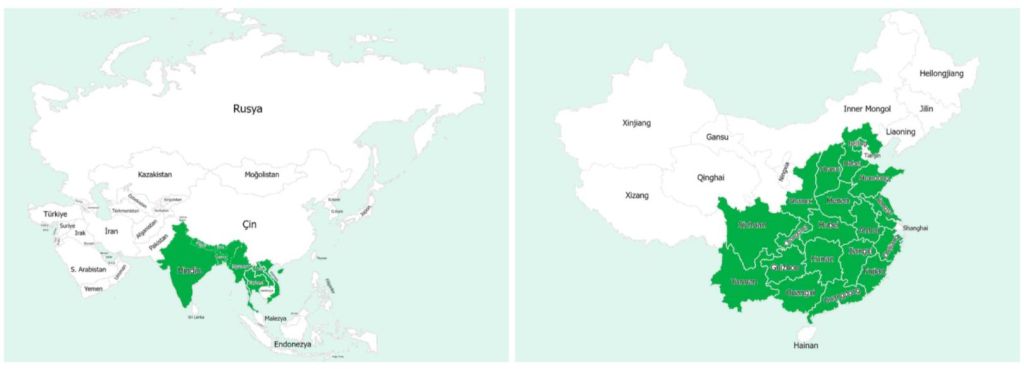
Andaman Is., Assam, Bangladesh, China South-Central, China Southeast, East Himalaya, Hainan, India, Laos, Myanmar, Nepal, Nicobar Is., Thailand, Vietnam, West Himalaya

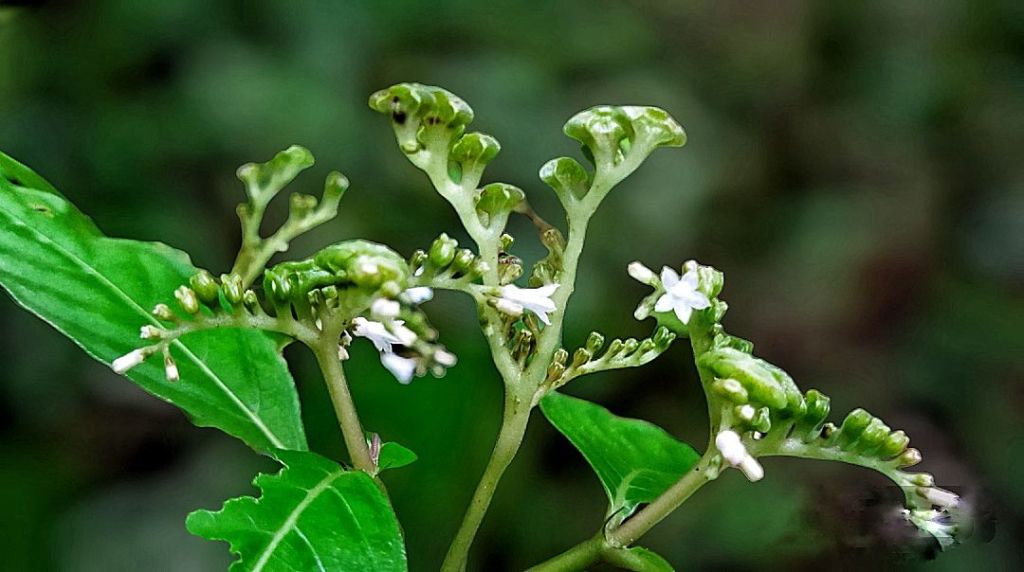
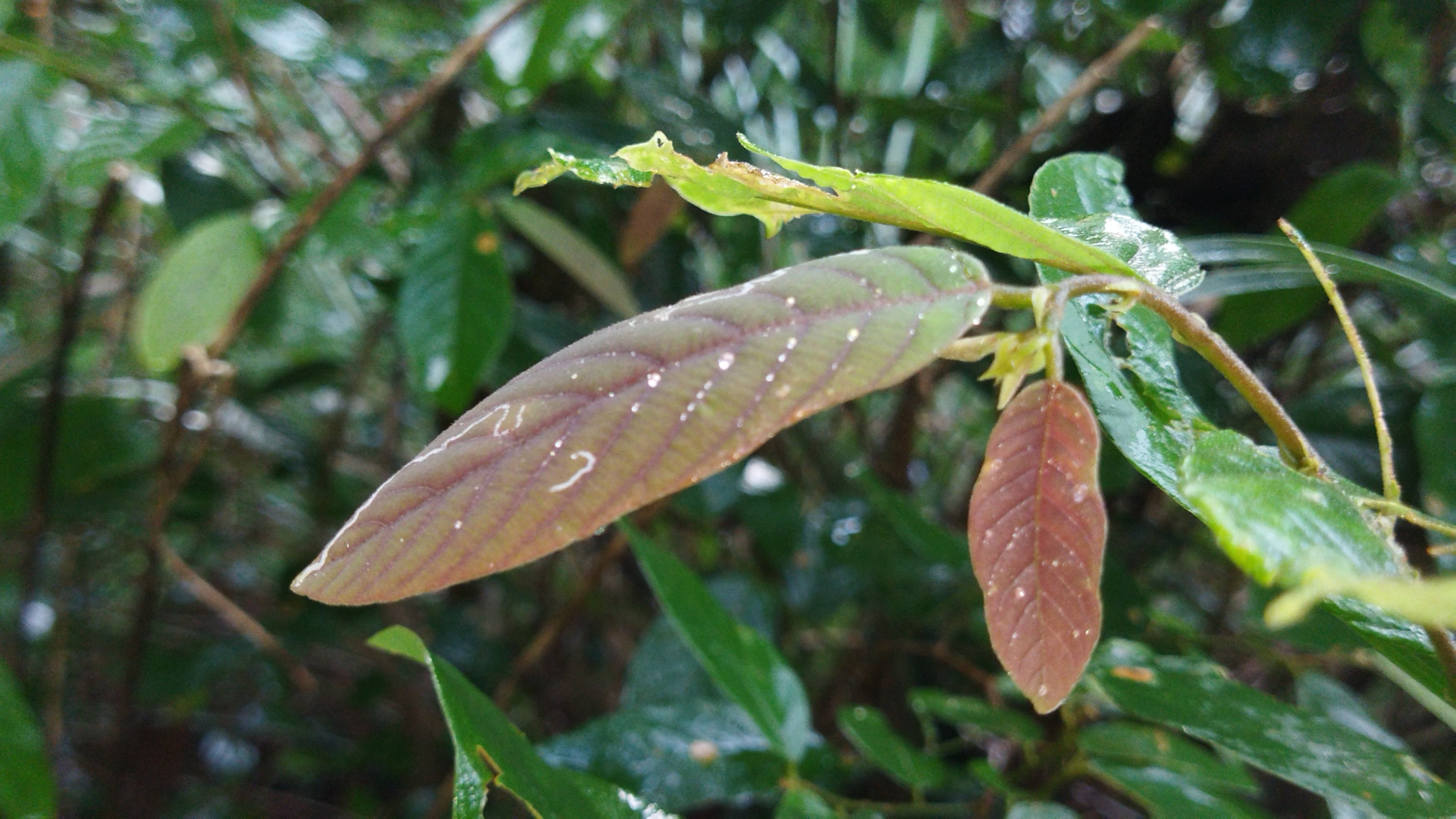
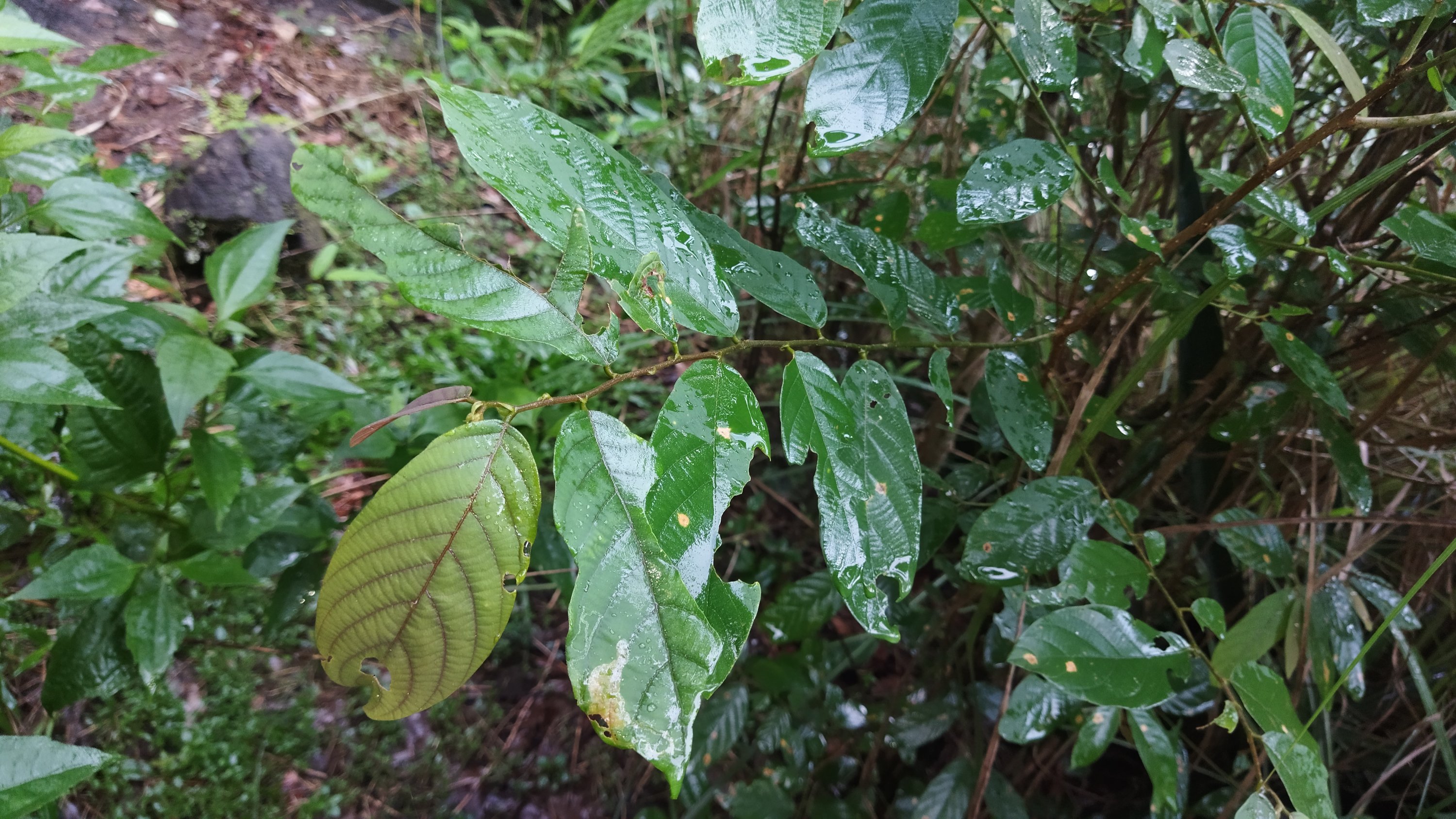
ചെറുപനച്ചി (Phyllanthaceae)

  • Scientific name : Bridelia stipularis
  • English name : Climbing Bridelia
  • Malayalam : ചെറുപനച്ചി,കഞ്ഞിക്കൊട്ടം, നെയ്യുന്നം, ചെറുകോൽ‌പനച്ചി, ചെറുമൻ‌കൊട്ടം
  • Habit : Creeper
  • Habitat : Primary or secondary forests, riversides, scrub jungles

Description

       മരങ്ങളിലും മറ്റും കയറി വളരുന്ന ഒരു വള്ളിച്ചെടിയാണ്ചെറുപനച്ചി.പശ്ചിമഘട്ടത്തിലെ നിത്യഹരിതവനങ്ങളിലെല്ലാം കാണപ്പെടുന്നു. ഇലയും വേരും ആയുർവേദത്തിൽ ഔഷധമായി ഉപയോഗിക്കുന്നു.ദീർഘവൃത്തമോ ആണ്ഡാകാരമോ ആയ ഇലകൾ തണ്ടിൽ ഏകാന്തരമായി വിന്യസിച്ചിരിക്കുന്നു.പൂക്കൾ സാധാരണയായി ഇലകളുടെ കക്ഷങ്ങളിൽ 2-6-പൂക്കളുള്ള കൂട്ടങ്ങളായിട്ടാണ് വിരിയുന്നത്.5 ദളങ്ങളും 5 കേസരങ്ങളും ഉണ്ട്.ചെറിയ ഉരുണ്ട കായ്കൾ.ആയുർവേദത്തിലെ ഒരു മരുന്നായി ചെടി ഉപയോഗിക്കുന്നു.ഒക്ടോബർ, നവംബർ മാസങ്ങളാണ് പൂക്കാലം.


Taxonomy

  • Kingdom : plantae
  • Division : Trachiophites
  • Clade : Angiosperms
  • Clade : Eudicots
  • Clade : Rosids
  • Order : Malpighiales
  • Family : Phyllanthaceae
  • Genus : Bridelia
  • Species : Bridelia stipularis

Range

Native to:
Andaman Is., Assam, Bangladesh, Borneo, Cambodia, China South-Central, China Southeast, East Himalaya, Hainan, India, Jawa, Lesser Sunda Is., Malaya, Myanmar, Nepal, Philippines, Sumatera, Taiwan, Thailand, Vietnam, West Himalaya

Extinct in:
Sri Lanka

Usege

പ്ലൂറിസിയിലും എക്സുഡേഷനിലും പ്ലാന്റ് ഉപയോഗിക്കുന്നു. ചുമ, പനി, ആസ്ത്മ എന്നിവയ്ക്ക് പുറംതൊലി കഷായം വച്ച് കുട്ടികൾക്ക് നൽകുന്നു, വായിലെ വ്രണത്തിന് നല്ലതാണ്. മഞ്ഞപ്പിത്തത്തിന്റെ ചികിത്സയ്ക്കായി പുതിയ ഇളം ഇലകൾ ഉപയോഗിക്കുന്നു; ഗർഭധാരണം മൂലമുണ്ടാകുന്ന അനീമിയയ്ക്കുള്ള എമൽഷൻ. ഇലപ്പൊടിയും ചെറുചൂടുള്ള ഇലപൊടിയും ചർമ്മത്തിലെ വെളുത്ത പാടുകളിൽ പുരട്ടുന്നു. വേരുകൾ വീക്കം കുറയ്ക്കുന്നതിനുള്ള മരുന്നായും ആൻറിഡയറീൽ ആയും ഉപയോഗിക്കുന്നു; പഴങ്ങൾ ഛർദ്ദി ഉണ്ടാക്കാനും ആന്റിടോക്സിക് ആയി ഉപയോഗിക്കുന്നു.

Links

Images