Scientific name : Ficus arnottiana
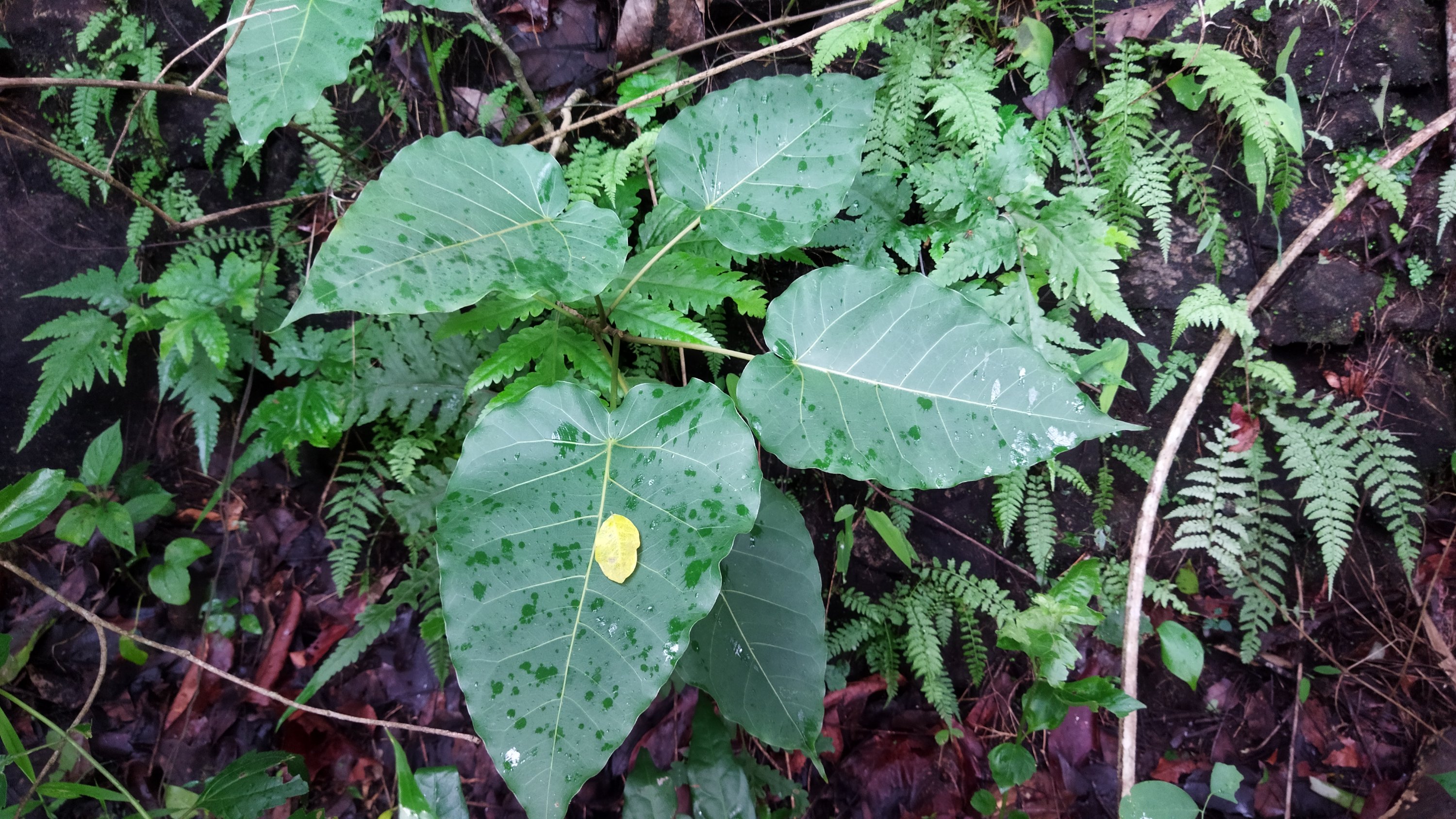
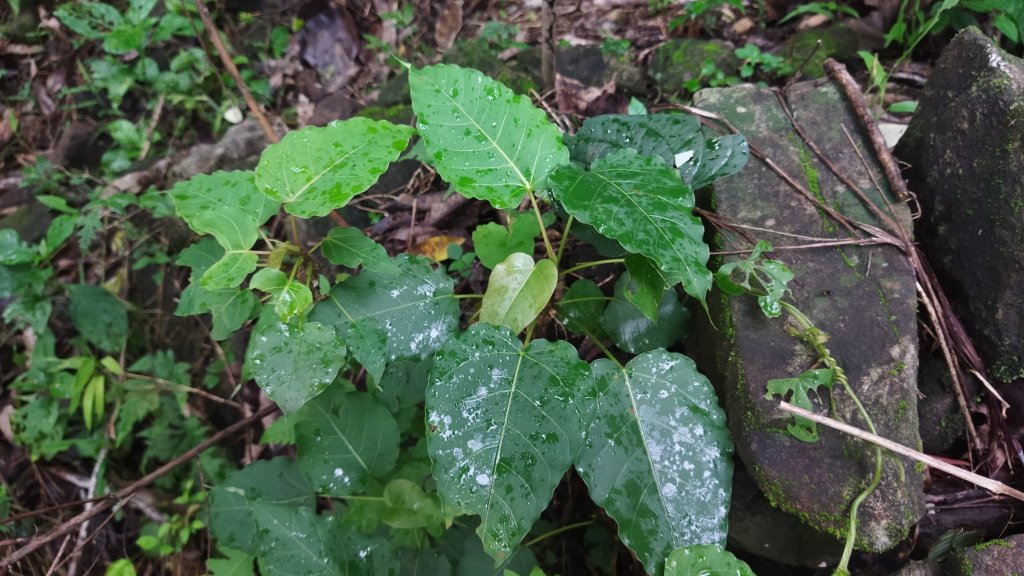
Scientific name : Ficus arnottiana
എരുമനാക്ക്
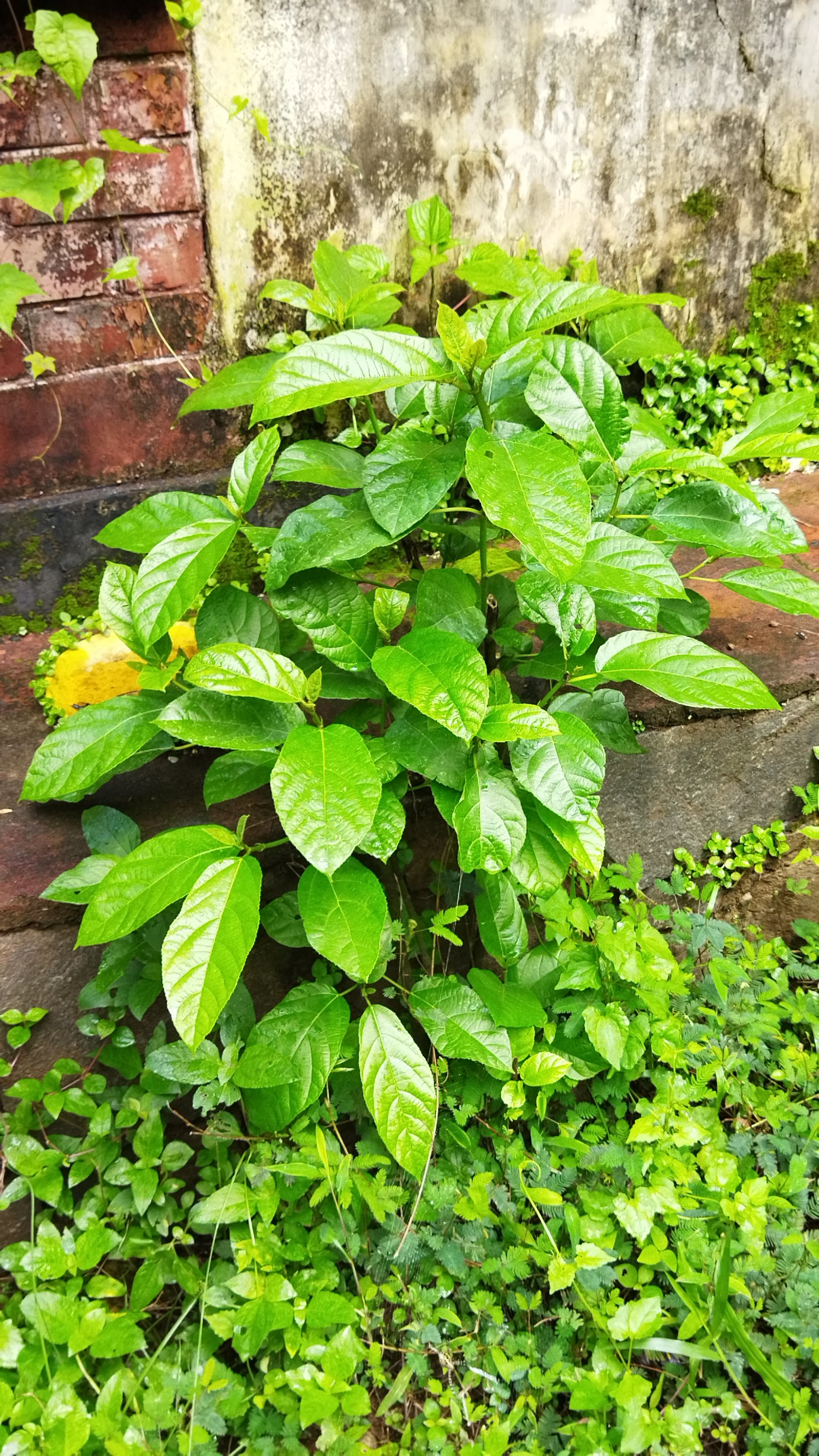
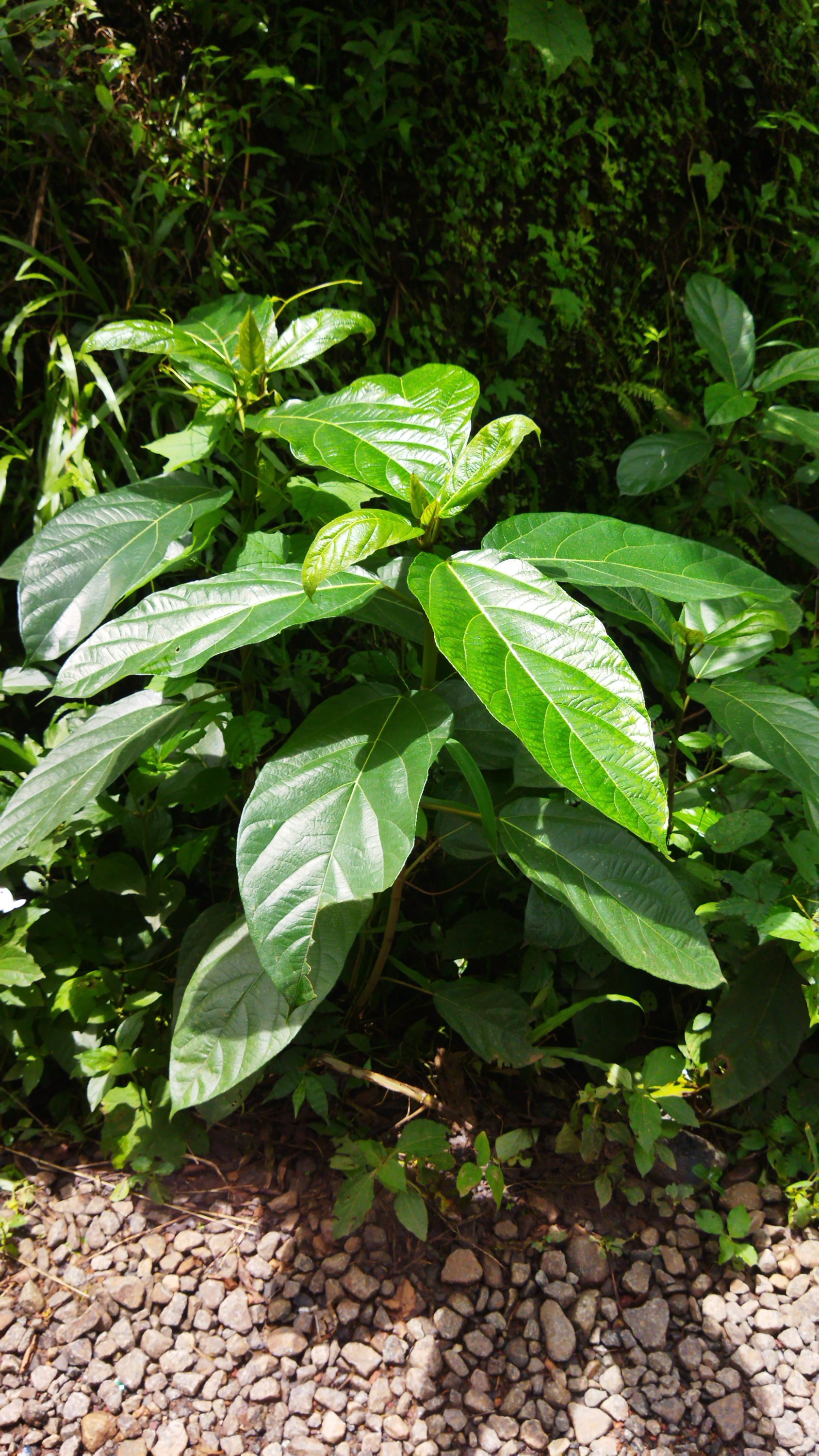
Ficus hispida, commonly known as the hairy fig or rough fig, is a tropical tree species belonging to the Moraceae family. This unique tree is widely distributed across South and Southeast Asia, including India, Sri Lanka, Malaysia, and Indonesia. It is known for its distinctive hairy leaves, figs that grow directly on the trunk, and numerous medicinal properties.
Kingdom: Plantae
Clade: Tracheophytes
Clade: Angiosperms
Clade: Eudicots
Clade: Rosids
Order: Rosales
Family: Moraceae
Genus: Ficus
Subgenus: F. subg. Sycomorus
Species: F. hispida
Morphology
Ficus hispida, commonly known as the hairy fig or rough fig, has unique morphological features that distinguish it from other fig species. Below is a detailed description of its morphological characteristics:
1. Habit (Growth Form)
Ficus hispida is a small to medium-sized deciduous tree or large shrub.
It typically grows between 3 to 10 meters in height.
The tree often has multiple branches with a spreading canopy.
It may develop aerial roots in moist environments.
2. Bark
The bark is light brown to grayish in color.
It has a rough, somewhat cracked texture.
The inner bark contains a milky latex, which is common in fig species.
3. Leaves
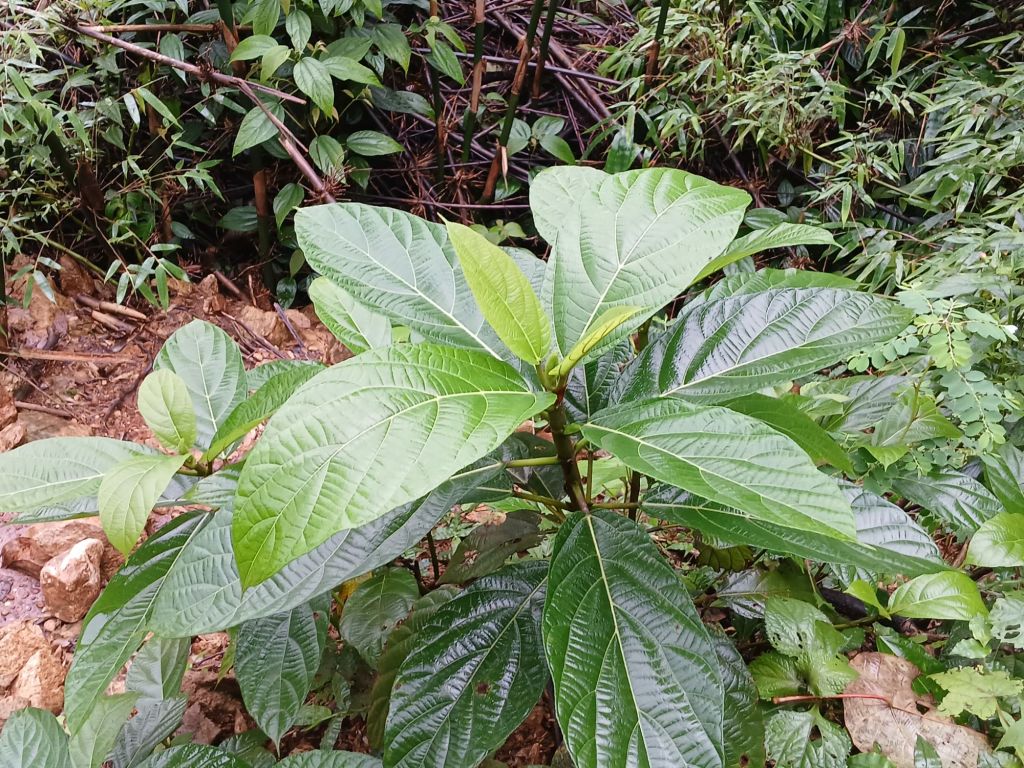
The leaves are simple, opposite, and have a rough, hairy texture.
Shape: Elliptical to ovate, with a pointed tip.
Size: 10–25 cm in length and 5–10 cm in width.
The upper surface is rough and hairy, while the underside has dense hairs.
The leaf margin is entire (smooth-edged) or slightly wavy.
Prominent veins with a yellowish midrib.
4. Inflorescence and Flowers
Ficus hispida follows a unique cauliflorous habit, meaning its flowers and fruits grow directly on the trunk and branches.
The flowers are minute and enclosed within the fig structure (syconium).
The plant has separate male and female trees (dioecious nature).
Pollination is carried out by fig wasps, which enter the fig through a small opening.
5. Fruits (Figs)
The fruits, called figs (syconia), are round to oval.
Size: About 2–4 cm in diameter.
Color: Green when young, turning yellow, orange, or reddish-brown upon ripening.
Texture: Rough and hairy.
The figs are borne in clusters directly on the trunk and branches, making them easily accessible to animals.
6. Roots
The tree develops a fibrous root system, which helps it anchor in riverbanks and moist soils.
In humid environments, it may develop aerial roots that help in nutrient absorption and stability.
Range

Native to:
Andaman Is., Assam, Bangladesh, Borneo, Cambodia, China South-Central, China Southeast, East Himalaya, Hainan, India, Jawa, Laos, Lesser Sunda Is., Malaya, Maluku, Myanmar, Nepal, New Guinea, Nicobar Is., Northern Territory, Queensland, Sri Lanka, Sulawesi, Sumatera, Thailand, Vietnam, West Himalaya, Western Australia
Images


 Native Plants