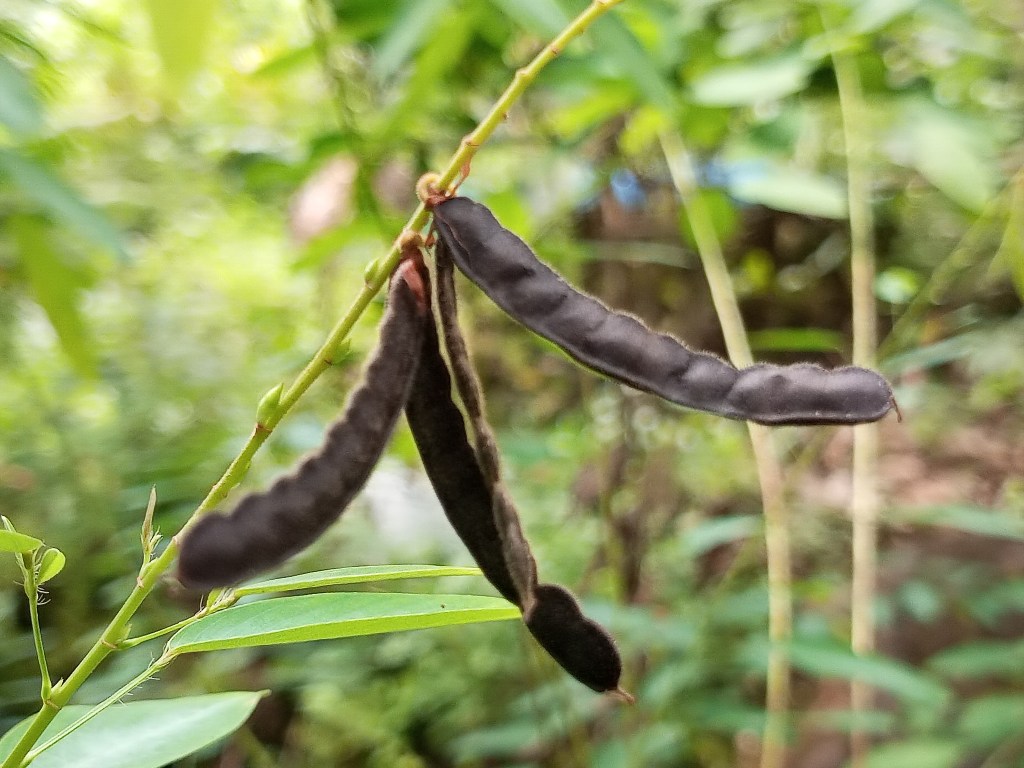
പശ്ചിമഘട്ടത്തിലും ഇന്തോ-മലേഷ്യയിലും ഈ മരം സമൃദ്ധമായി വളരുന്നു. സമുദ്രനിരപ്പിൽ നിന്നും ഏകദേശം 900 മീറ്റർ ഉയരമുള്ള പ്രദേശങ്ങളിൽ കാണപ്പെടുന്നു. മനോഹരമായ പൂക്കളും ഭംഗിയുള്ള കായകളും ഉള്ള ഈ മരത്തിൽ ആൺപൂക്കളാണ് പ്രധാനമായും ഉള്ളത്. പൂക്കളുടെ ദളങ്ങളുടെ ഉൾഭാഗം പർപ്പിൾ കലർന്ന നിറത്തിലും പൂക്കൾ മഞ്ഞ നിറത്തിലുമാണ് കാണപ്പെടുന്നത്.പൂക്കൾ കുലയായി കാണപ്പെടുന്നു. കായുടെ പുറം വെൽവെറ്റ് പോലെ തോന്നിക്കുന്നു.
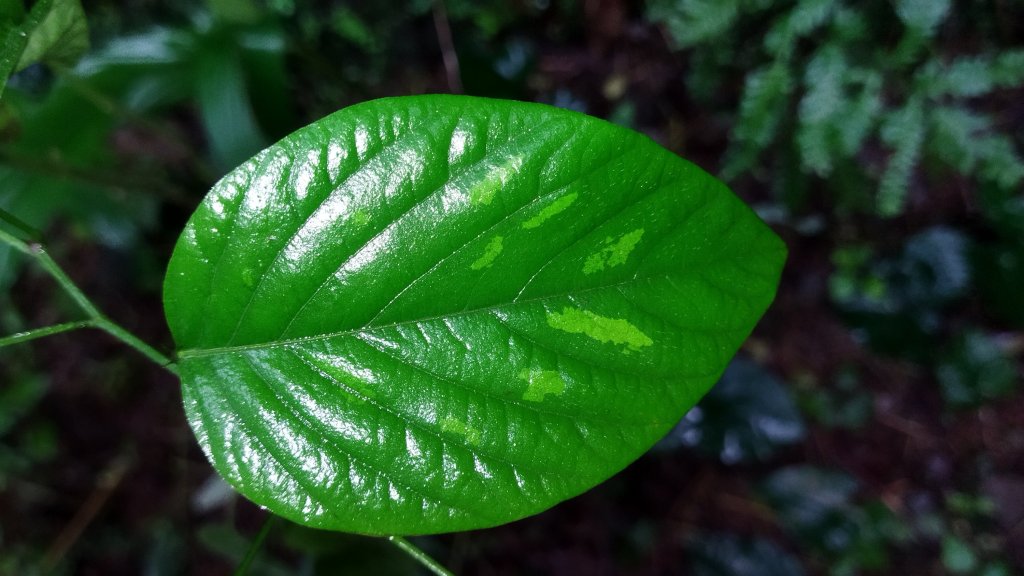
ഇന്ത്യയിൽ വ്യാപകമായി കാണപ്പെടുന്ന ഒരു കുറ്റിച്ചെടിയാണ് ഓരില. ഇലകൾ ഏകാന്തരവും ലഘുവുമാണ്. ഇലകളിൽ വെളുത്ത പാടുകൾ കാണാം.reticular Venetian ഉള്ള ഇലകളുടെ അറ്റം കുന്തകാരമാണ്.
English name : telegraph plant, dancing plant,semaphore plant
Malayalam: തൊഴുകണ്ണി, രാമനാമപ്പച്ച
Habit : shrub
Habitat : wet tropical
Native : Tropical & Subtropical Asia.
Usege : medicine
Description
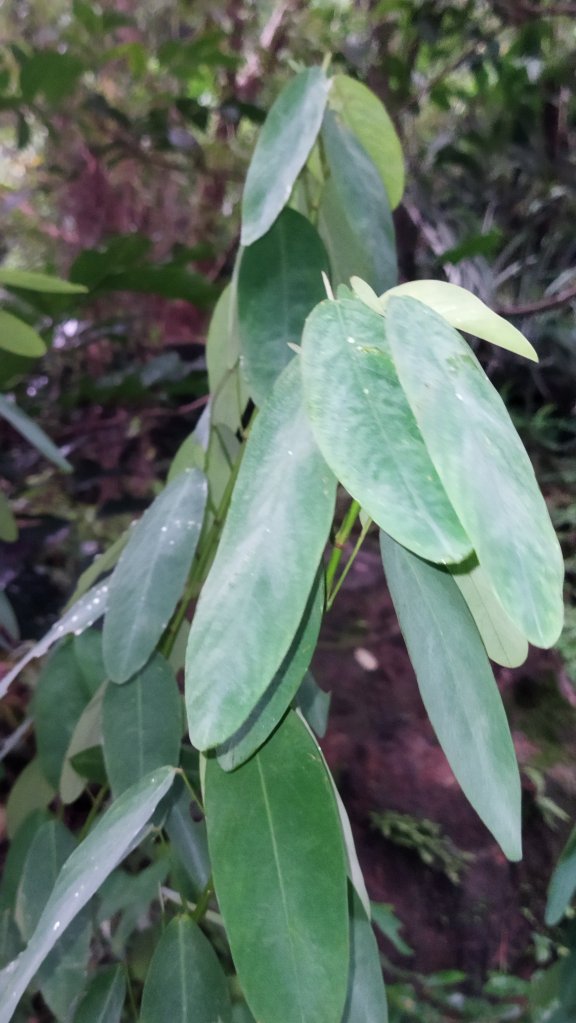
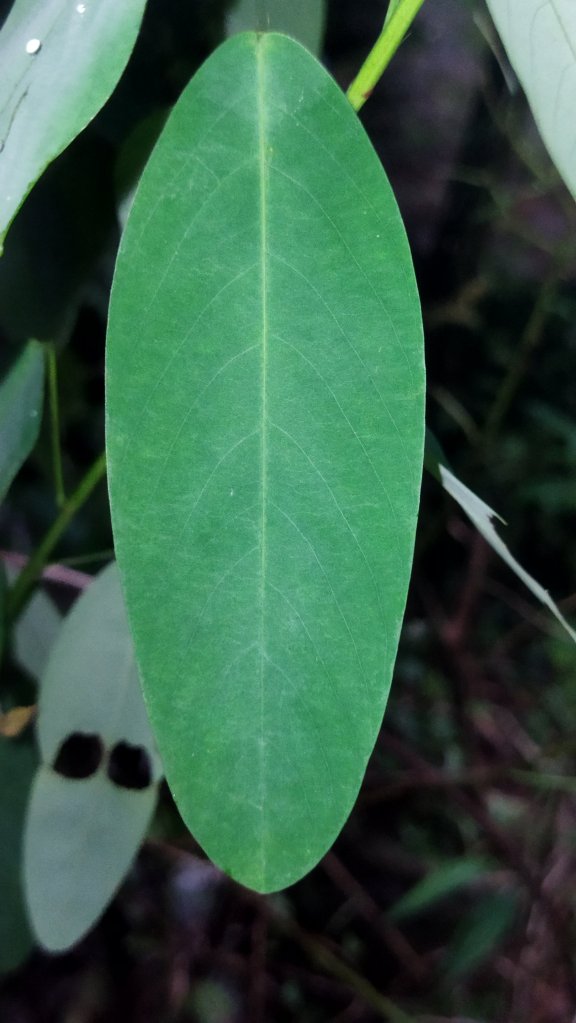
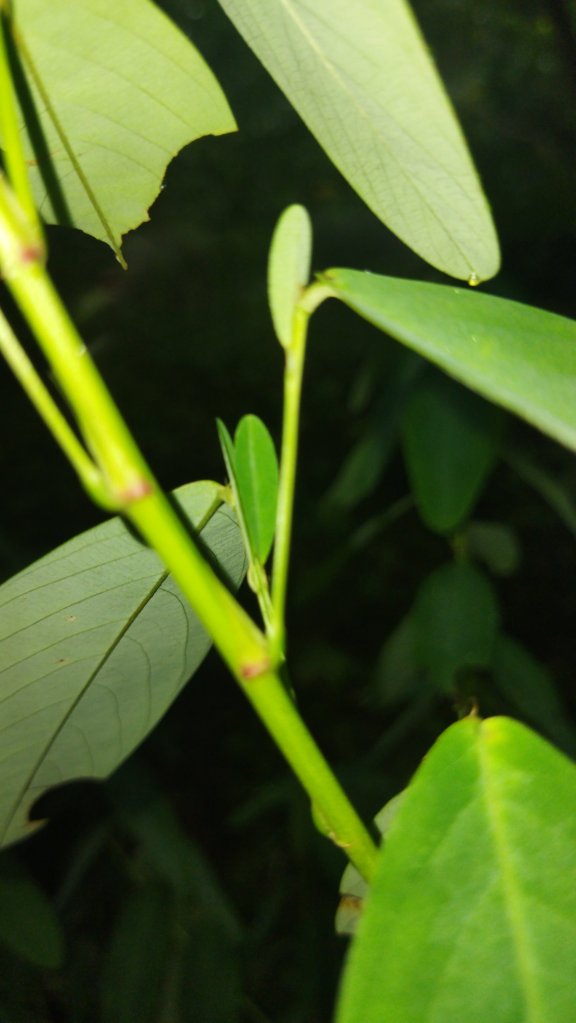
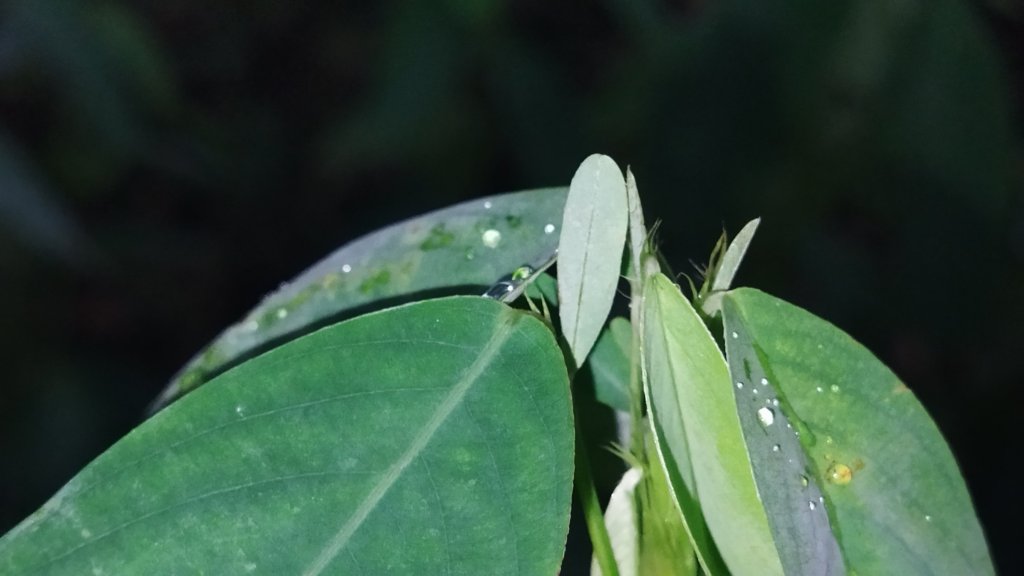
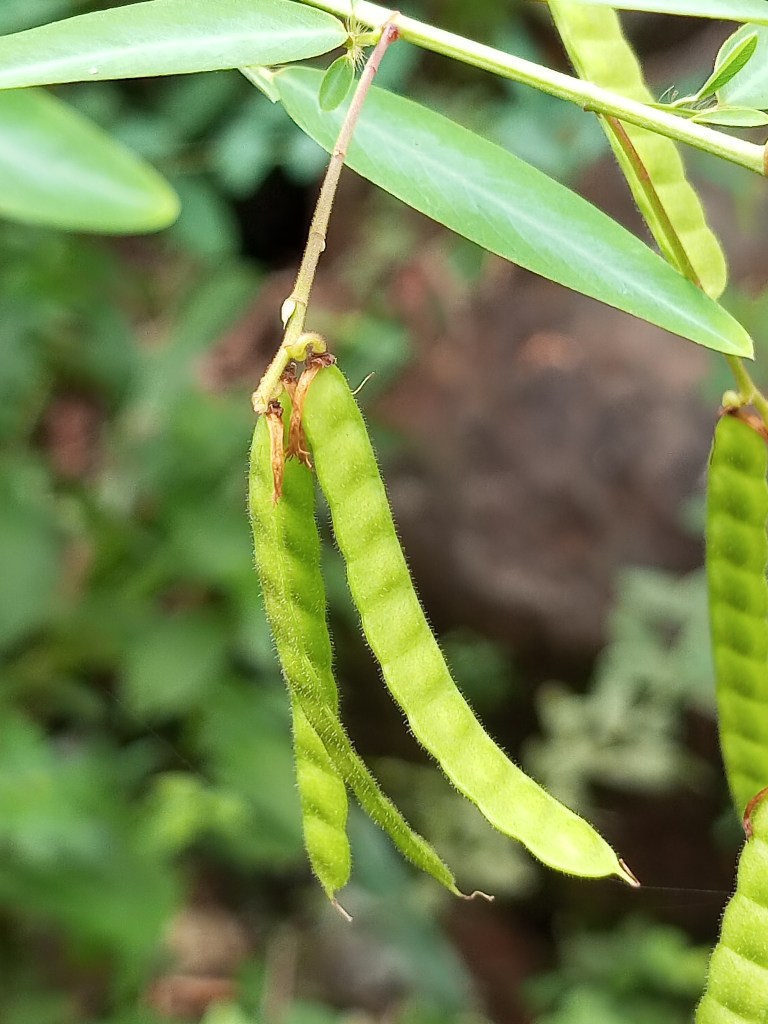
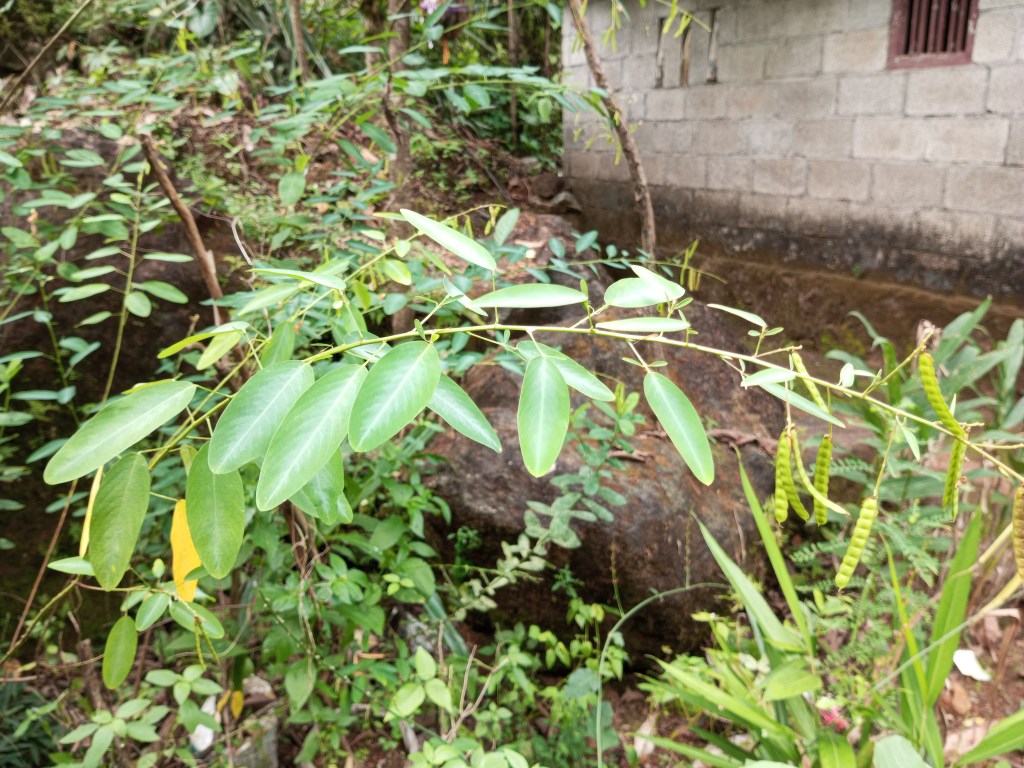
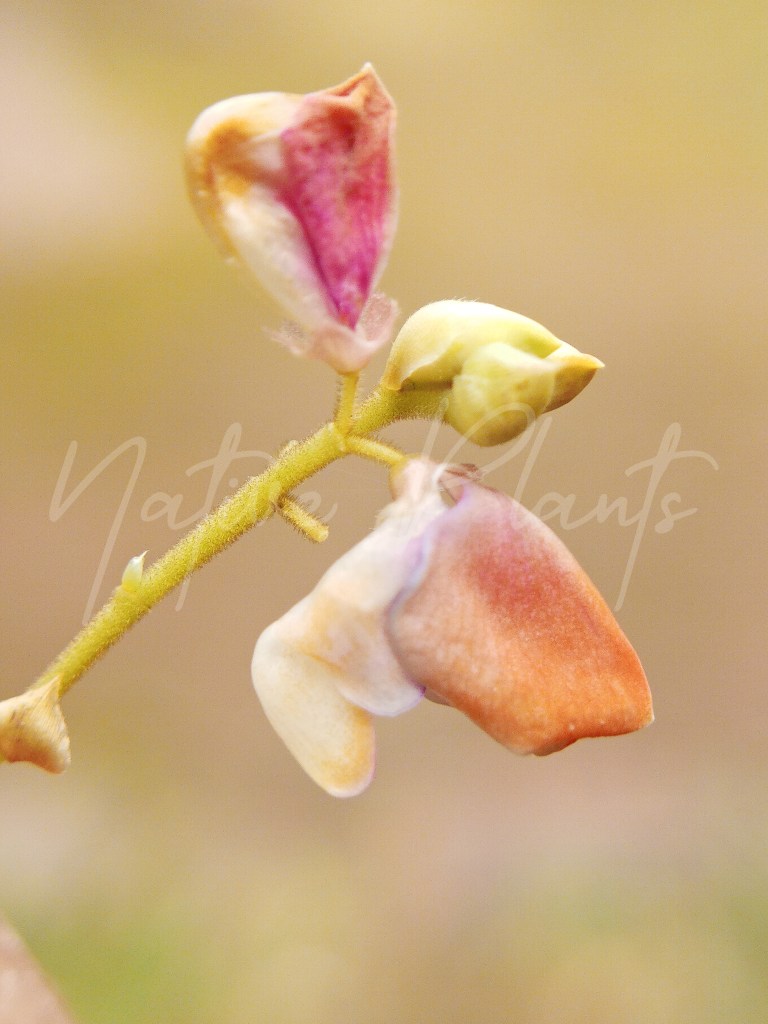
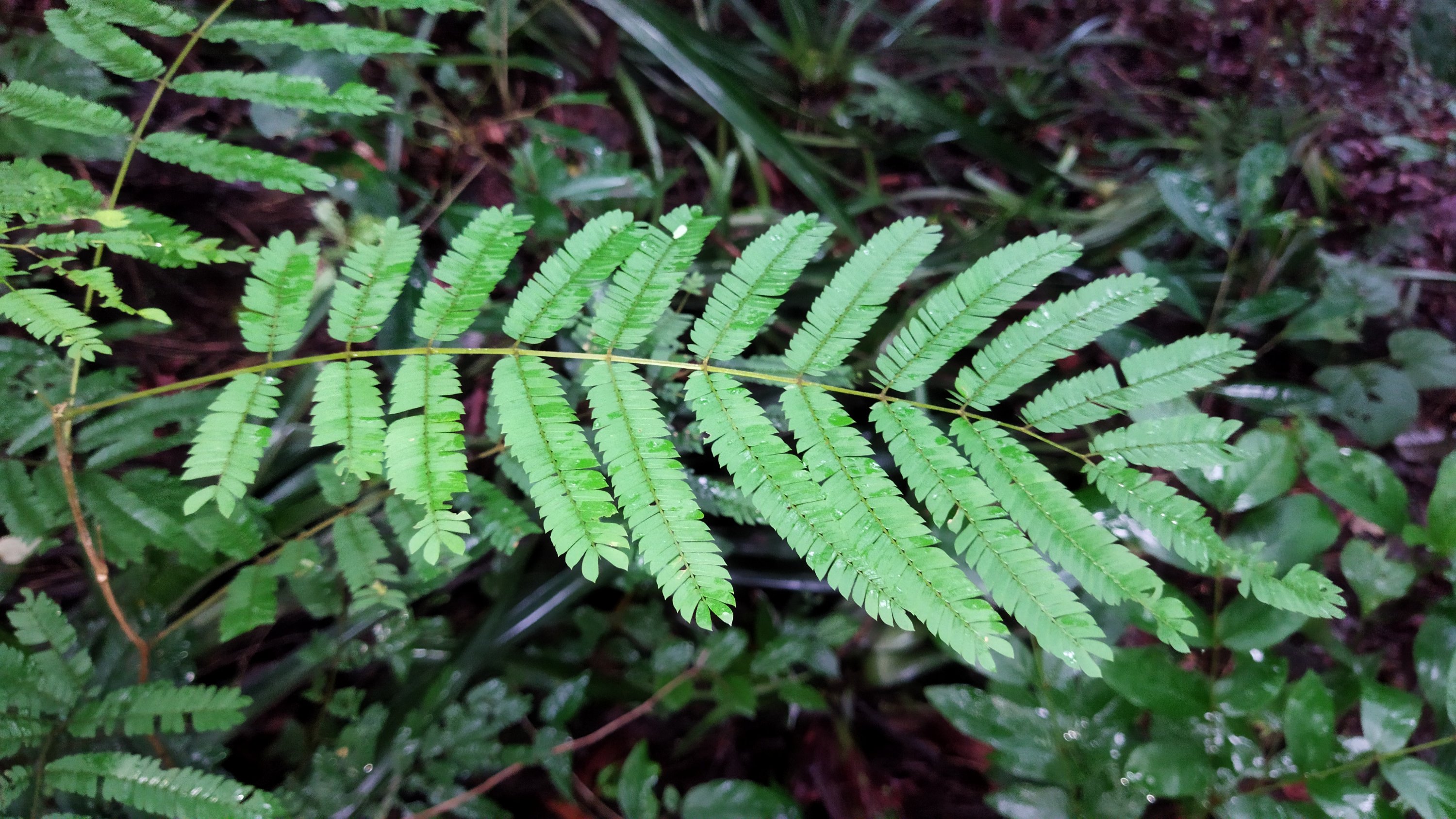
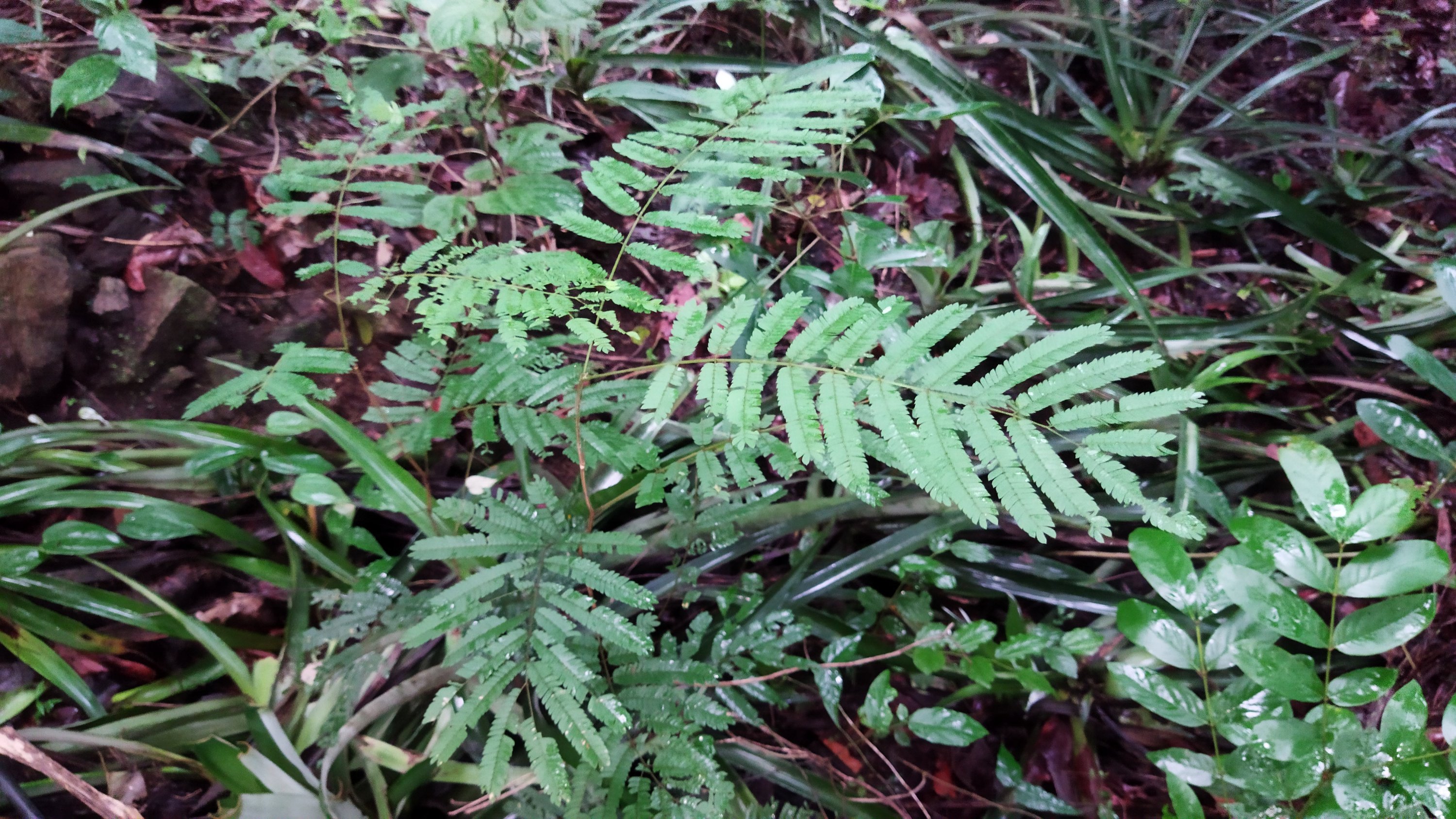
ഇലകൾക്ക് സ്വയം ചലിക്കാൻ കഴിവുള്ള അത്ഭുതസസ്യമാണ് തൊഴുകണ്ണി.ഇതിന് രണ്ടുതരം ഇലകളുണ്ട്.സ്റ്റം നോഡിൽ നിന്നും ഉണ്ടാവുന്ന വലിയ ഇലകളും petiol നോഡിൽ നിന്നുമുണ്ടാവുന്ന ചെറിയ ഇലകളും. ഈ ചെറിയ ഇലകളാണ് സ്വയം ചലിക്കുക.ഏതാണ്ട് രണ്ട് മീറ്റർ ഉയരത്തിൽ വരെ തൊഴുകണ്ണി വളരും. ഇലകൾ ഏകാന്തരം. ആഗ്രഭാഗം വൃത്താകൃതിയാണ്. പയർ പൂവിനോട് സാമ്യമുള്ള പിങ്ക് പൂക്കൾ.
Taxonomy
Kingdom : plantae
Division : Trachiophites
Clade : Angiosperms
Clade : eudicots
Family : Fabaceae
Genus : Codariocalyx
Species : C.motorius
Range
Assam, Bangladesh, Borneo, Cambodia, China South-Central, China Southeast, East Himalaya, India, Jawa, Laos, Lesser Sunda Is., Malaya, Myanmar, Nepal, Pakistan, Philippines, Sri Lanka, Sulawesi, Sumatera, Taiwan, Thailand, Tibet, Vietnam, West Himalaya
ദക്ഷിണേഷ്യയിൽ വ്യാപകമായി കണ്ടുവരുന്ന ഒരു വള്ളിച്ചെടിയാണ് ശംഖുപുഷ്പം.ഇത് ഔഷധചെടിയായും, ഉദ്യാന സസ്യമായും വളർത്തപ്പെടുന്നു. ഇൻഡോനീഷ്യൻ മലേഷ്യൻ പ്രേദേശങ്ങളാണ് ശംഖുപുഷ്പത്തിന്റെ ജന്മദേശമെന്ന് കരുതുന്നു.
തണ്ട്
വള്ളിയായി പടർന്നു കയറുന്ന ഫ്ളക്സ്ബിളും എന്നാൽ ബലമുള്ളതുമാണ് ഇതിന്റെ തണ്ട്
ഇല
പൂവ്
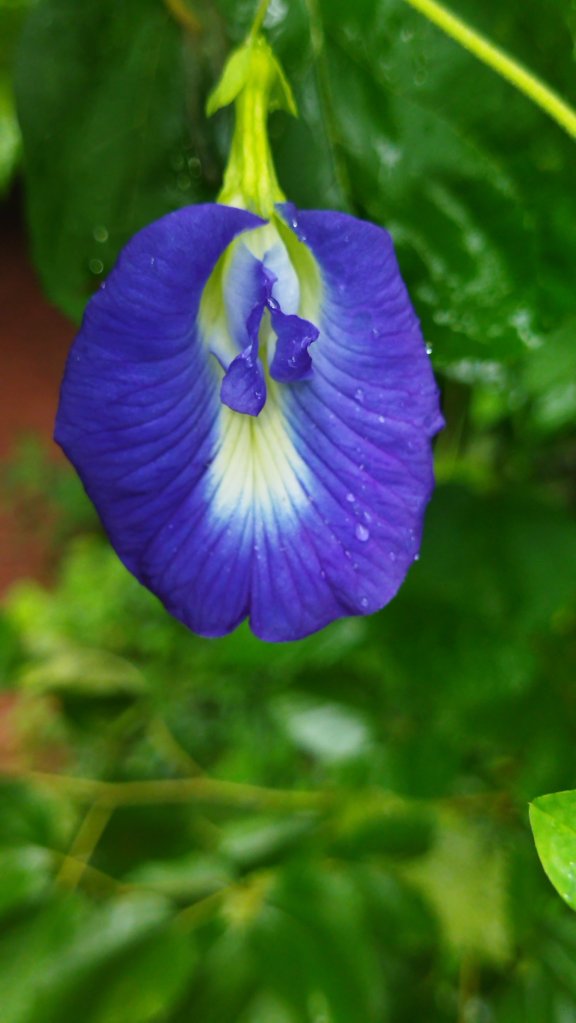
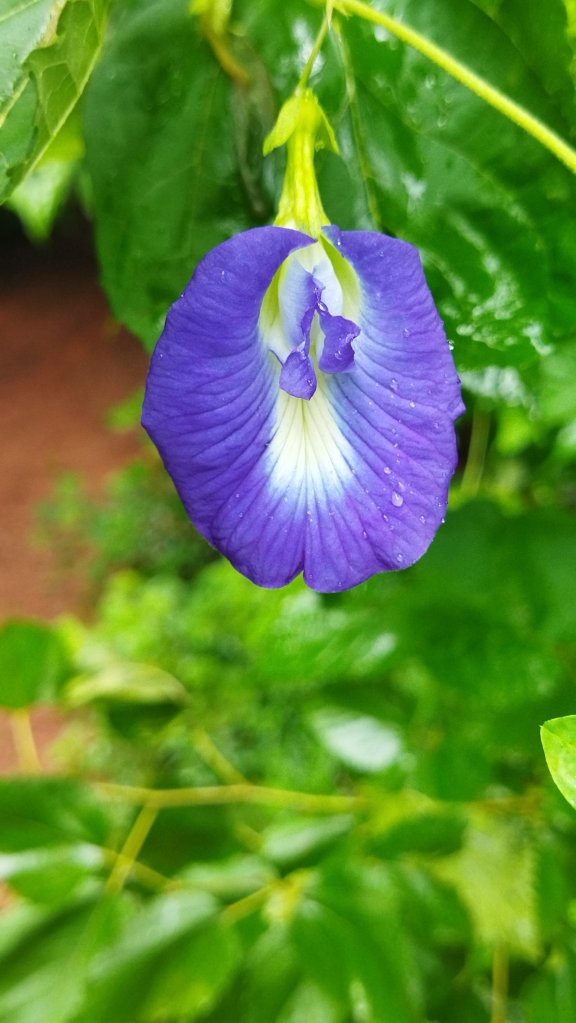
ശംഖുപുഷ്പത്തിന്റെ പൂവ് പല കളറിൽ കാണപ്പെടുന്നു. സാധാരണയായി നീലയാണ് കൂടുതൽ.പൂവിന് സ്ത്രീജനനേന്ദ്രിയത്തിന്റെ ആകൃതിയാണ്.
ശംഖുപുഷ്പം
വിത്ത്
നീണ്ട് പയറിന്റെ രൂപത്തിലുള്ള കായ്കളാണ് ഇതിന്. അതിൽ പയർമണിയോട് സാമ്യമുള്ള വിത്തുകൾ. ഒരു കായിൽ നാലോ അഞ്ചോ വിത്തുകൾ ഉണ്ടാവും
Kingdom : plantae / order : Fabales / family : Fabaceae / species : Clitoria ternatea
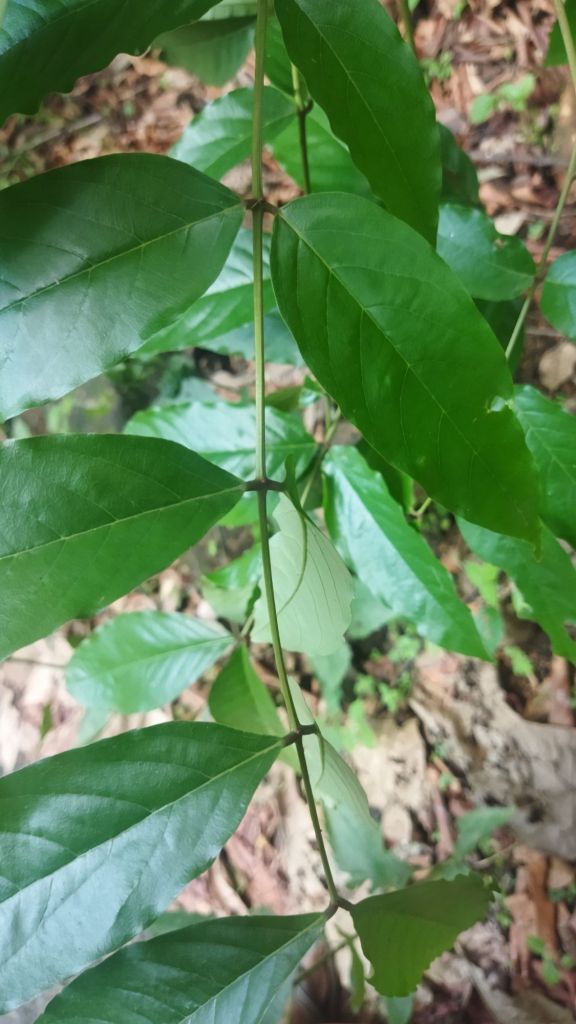
Abrus pulchellus is a twining shrub belonging to the Fabaceae family, commonly known as the Rosary pea. This species is native to tropical regions, particularly Africa and parts of Asia.
Scientific classification
Morphology
1. Habit: Abrus pulchellus is a twining, perennial shrub with slender, woody stems. It often climbs by wrapping around nearby vegetation or supports.
2. Leaves:
Type: Pinnately compound.
Leaflets: Small, oblong with rounded tips, arranged in pairs along the rachis.
Texture: Generally smooth with a green coloration.
3. Flowers:
Arrangement: Flowers are borne in axillary racemes.
Color: Typically pale purple to yellowish.
Structure: Flowers exhibit a typical papilionaceous (butterfly-like) shape, common in the Fabaceae family.
Size: Small and delicate.
4. Fruit:
Type: A flat, pubescent pod (legume).
Color: The pods are often green when young and turn brown upon maturity.
Seeds: Usually pale yellow or white, smaller and less conspicuous compared to Abrus precatorius (which has bright red seeds).
5. Stem:
Nature: Woody, slender, and capable of twining.
Surface: Can be slightly hairy or smooth.
Distribution and Habitat
This species thrives in tropical climates and is predominantly found across various regions in Africa. It prefers well-drained soils and is commonly seen in open woodlands, forest edges, and along riverbanks.
Phytochemistry and Toxicity
Abrus pulchellus contains several bioactive compounds, including a potent type 2 ribosome-inactivating protein known as pulchellin, which is highly toxic. Pulchellin has been studied for its potential applications in targeted therapies due to its ability to inhibit protein synthesis in cells.
Medicinal Uses
Despite its toxicity, various parts of Abrus pulchellus have been utilized in traditional medicine. Extracts from the plant have demonstrated antibacterial and antifungal properties. Studies comparing the methanolic extracts of Abrus pulchellus and Abrus precatorius seeds revealed that both possess significant antimicrobial activity, with Abrus pulchellus showing slightly higher efficacy against certain bacterial strains.
Caution
Due to the presence of toxic compounds like pulchellin, handling and usage of Abrus pulchellus require caution. Proper processing methods are essential to mitigate toxicity before any medicinal application. It is imperative to consult knowledgeable healthcare professionals before considering its use in any form.
In summary, Abrus pulchellus is a plant with notable biochemical properties and potential medicinal applications. However, its inherent toxicity necessitates careful handling and thorough understanding before any practical use.
Range
Native to: Andaman Is., Assam, Bangladesh, Borneo, Cambodia, China South-Central, China Southeast, East Himalaya, Hainan, India, Jawa, Laos, Malaya, Myanmar, Nepal, New Caledonia, New Guinea, Philippines, Sri Lanka, Thailand, Vietnam, West Himalaya
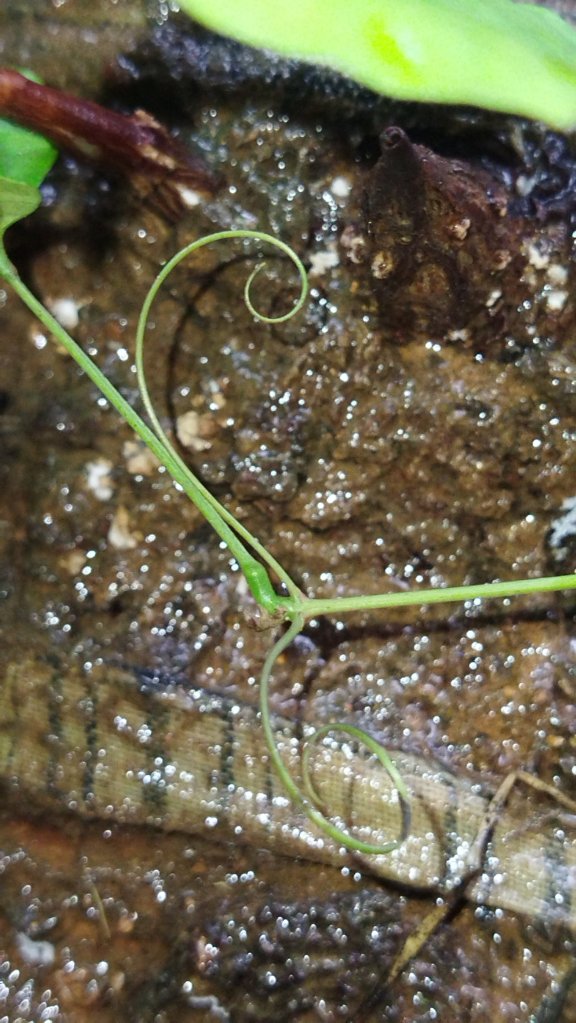
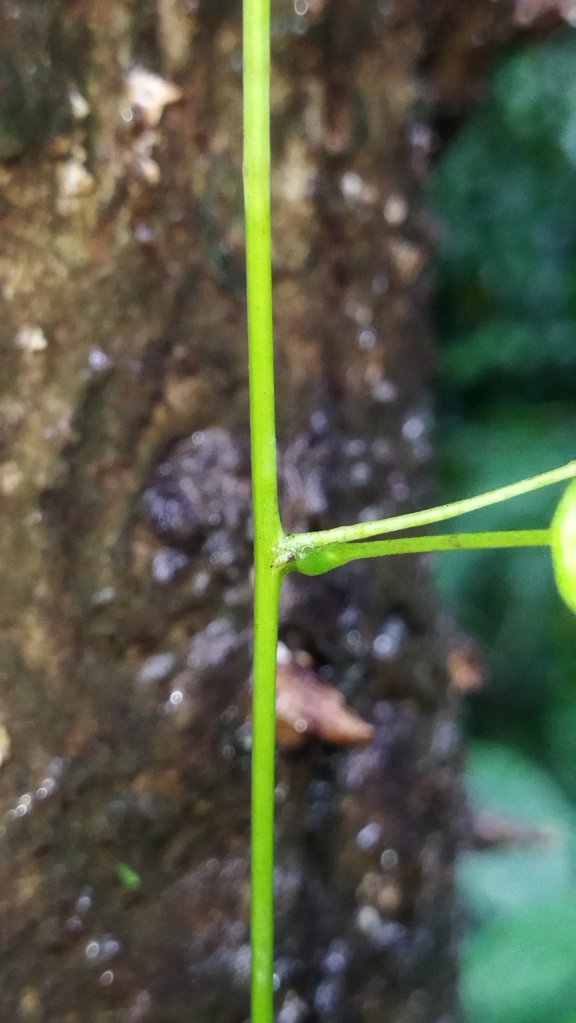
പാമ്പുപോലെ വളഞ്ഞുപുളഞ്ഞുവളരുന്ന ഒരു വള്ളിച്ചെടിയാണ് നാഗവള്ളി അഥവാ മന്ദാരനാഗവള്ളി. വള്ളിയുടെ സവിശേഷരൂപം കാരണം ഇതിനെ monkey ladders എന്നും വിളിക്കാറുണ്ട്. ഏഷ്യയിലെല്ലായിടത്തും തന്നെ കാണുന്നുണ്ട്.ഇത് ഒരു climbing plant ആണ്. ഇതിന്റെ axillary bud ൽ നിന്നും tentrils രൂപം കൊള്ളുന്നു.
Habitat = Moist deciduous forests, also in the plains
Family = Fabaceae
Native = Indo-Malayan biosphere
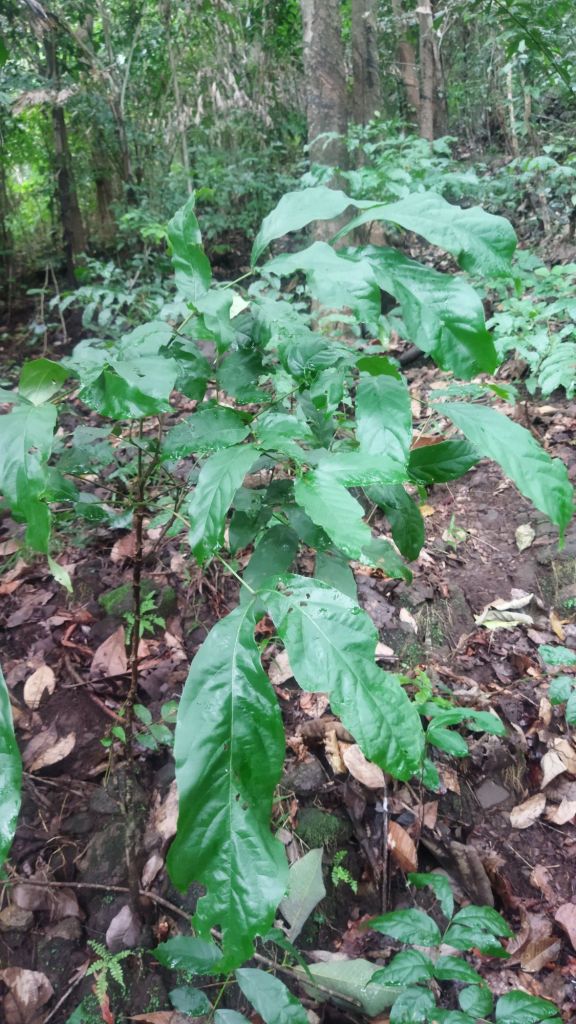
കടുപ്പമേറിയ തടിയോട് കൂടിയ ഒരു വൻമരമാണ് ഇരുപൂൾ.കനമുള്ള മരത്തിന്റെ തൊലിക്കു കറുപ്പു കലർന്ന ചുവപ്പു നിറമാണ്. വൃക്ഷത്തിനു പ്രായം വർദ്ധിക്കുമ്പോൾ തൊലി ഉണങ്ങി അടർന്നു വീഴുന്നു. 4 മുതൽ 10 വരെ ഇലകൾ സമ്മുഖമായി വിന്യസിച്ചിരിക്കുന്നു.വേനലിലാണ് പൂക്കാലം ആരഭിക്കുന്നത്. ചെറിയ പൂക്കൾക്ക് ഇളം മഞ്ഞ നിറമാണ്. ഇവയുടെ കായയ്ക്ക് 10-15 സെന്റീമീറ്റർ നീളമുണ്ടാകും. മൂപ്പെത്തിയ കായയ്ക്ക് ഇളം കറുപ്പു നിറമാണ്. മരത്തിൽ നിന്നും മൂപ്പെത്തിയ ഫലം പൊട്ടിയാണ് വിത്ത് വിതരണം ചെയ്യപ്പെടുന്നത്. വിത്തുകൾ വൃക്ഷത്തിൽ നിന്നും കായ പൊട്ടി തെറിക്കുന്നു.എല്ലാവിധ ഫർണിച്ചർ ആവശ്യങ്ങൾക്കും തടി ഉപയോഗിക്കുന്നു.വൃക്ഷത്തിന്റെ വിത്തിൽ നിന്നും സംസ്കരിച്ചെടുക്കുന്ന എണ്ണ വാതരോഗത്തിനും കുഷ്ഠത്തിനും പ്രതിവിധിയായി ഉപയോഗിക്കുന്നു. തൊലി അതിസാരത്തിനും ഛർദ്ദിക്കും ഉപയോഗിക്കാറുണ്ട്. തടിയുടെ കാതൽ വാറ്റിയെടുക്കുന്ന എണ്ണ കുഷ്ഠരോഗ ചികിത്സക്കായി ഉപയോഗിക്കുന്നു.






 Native Plants