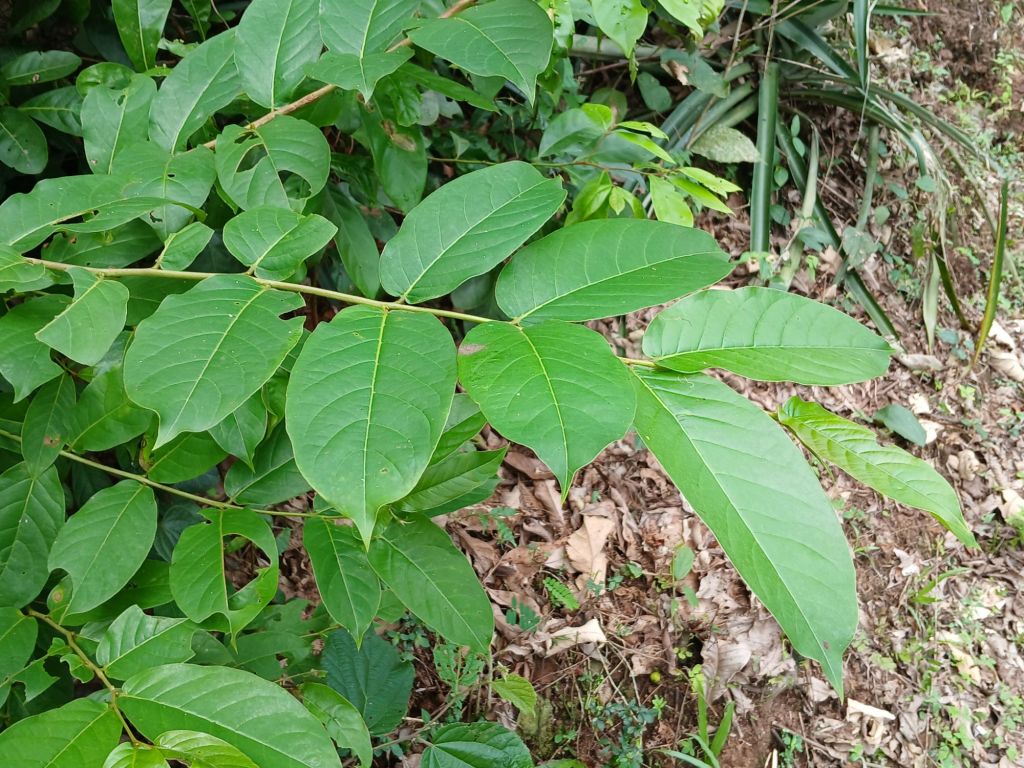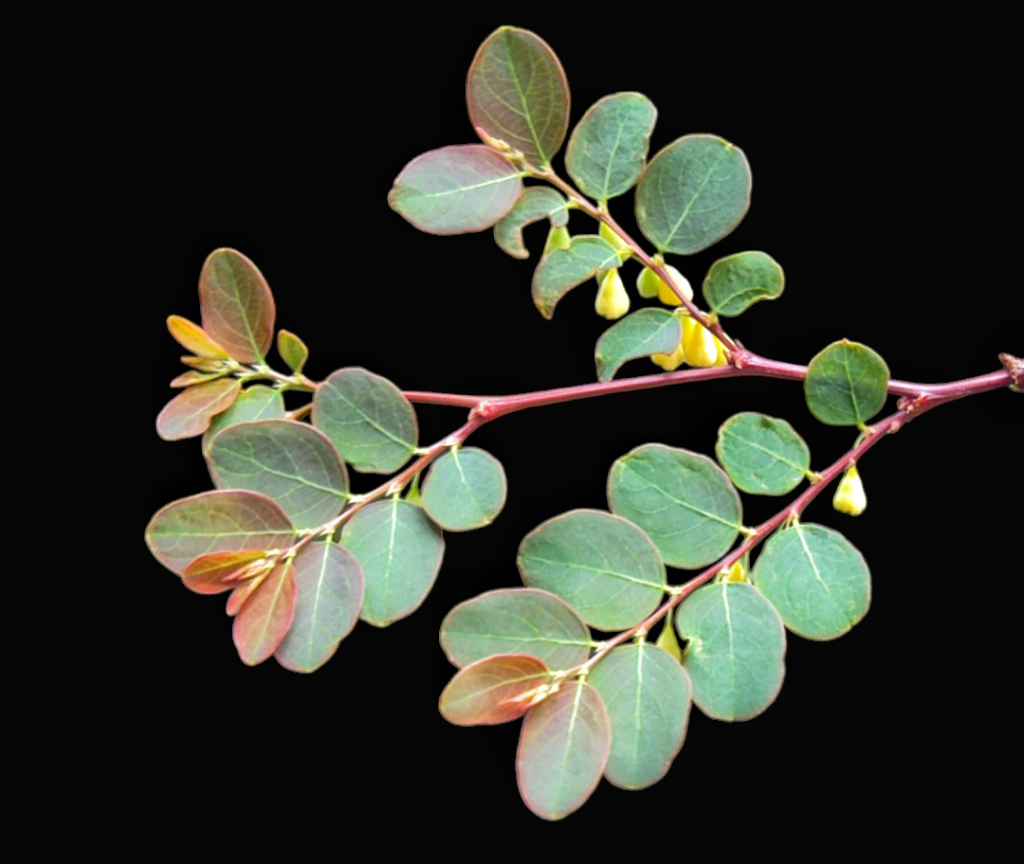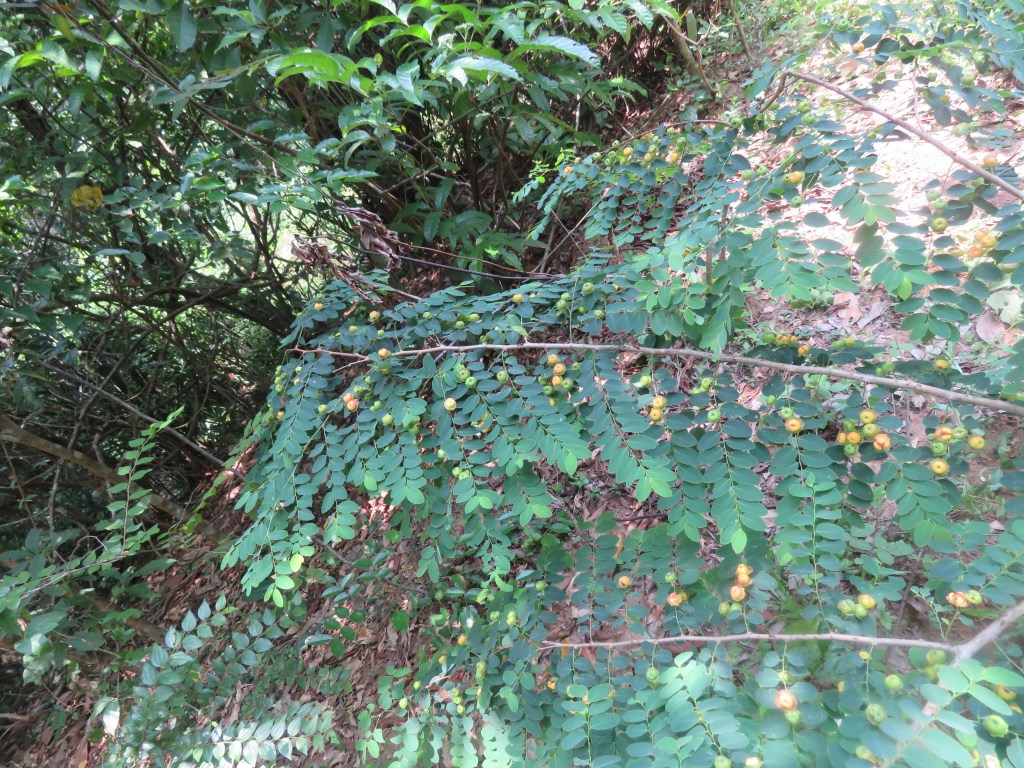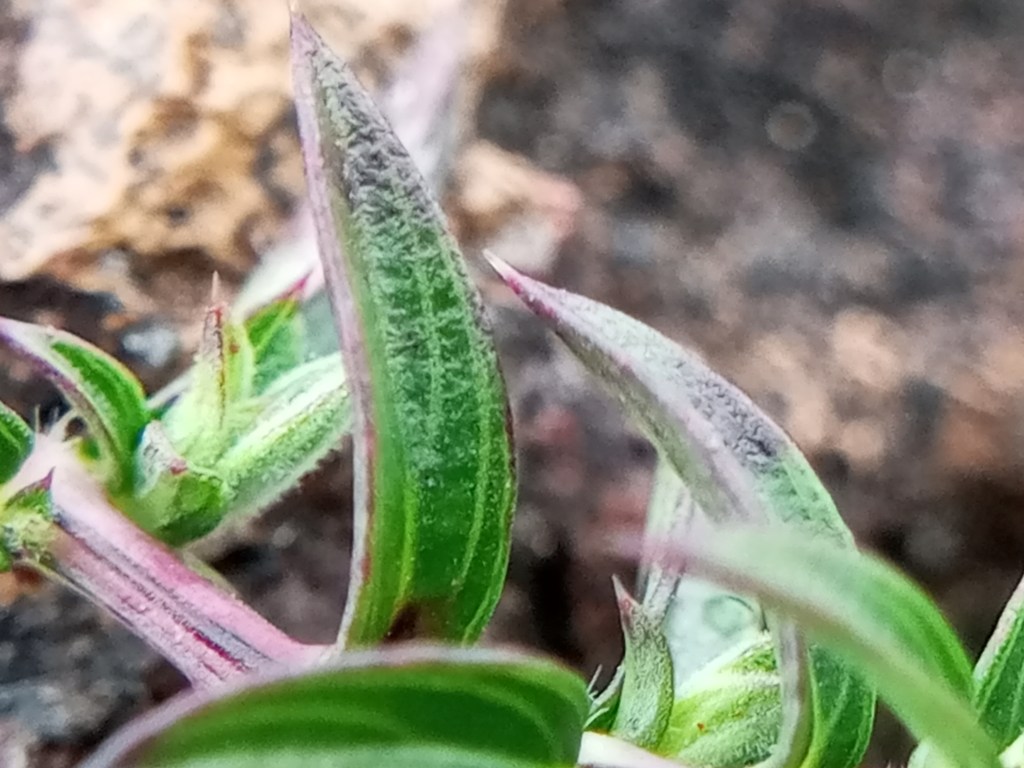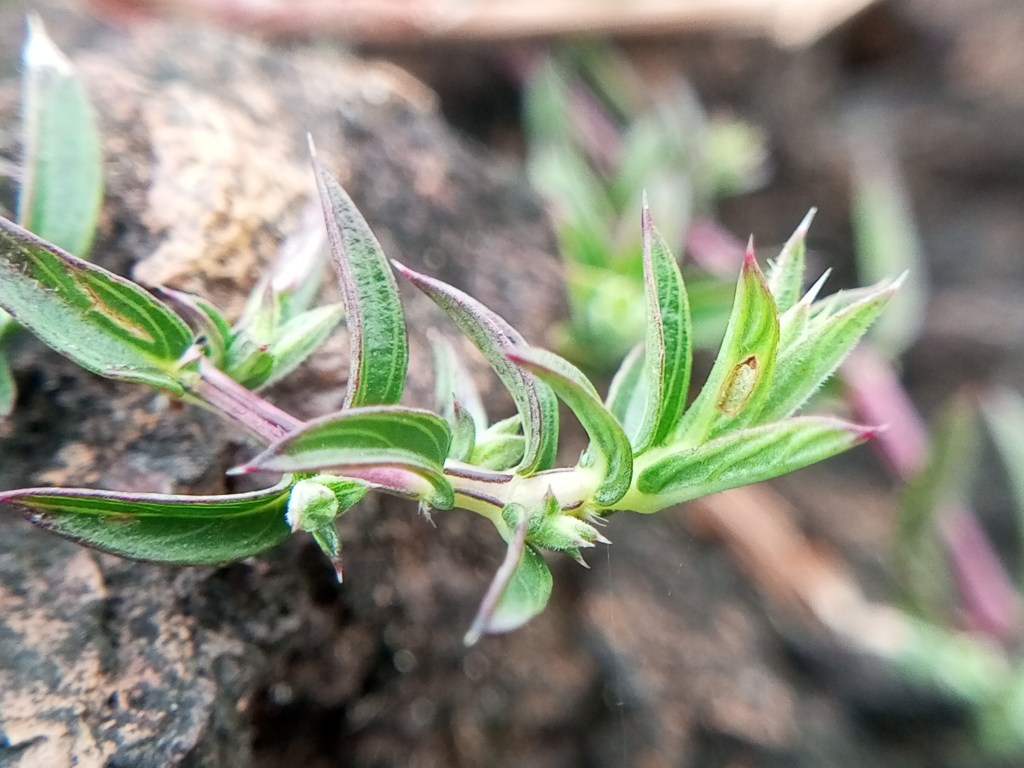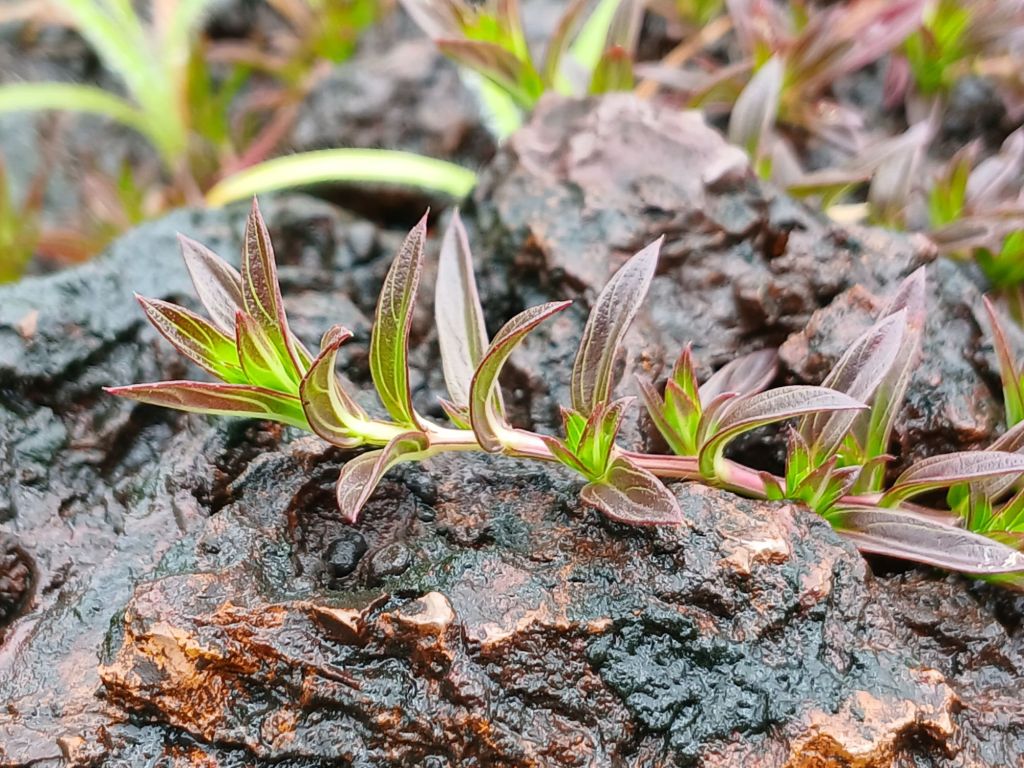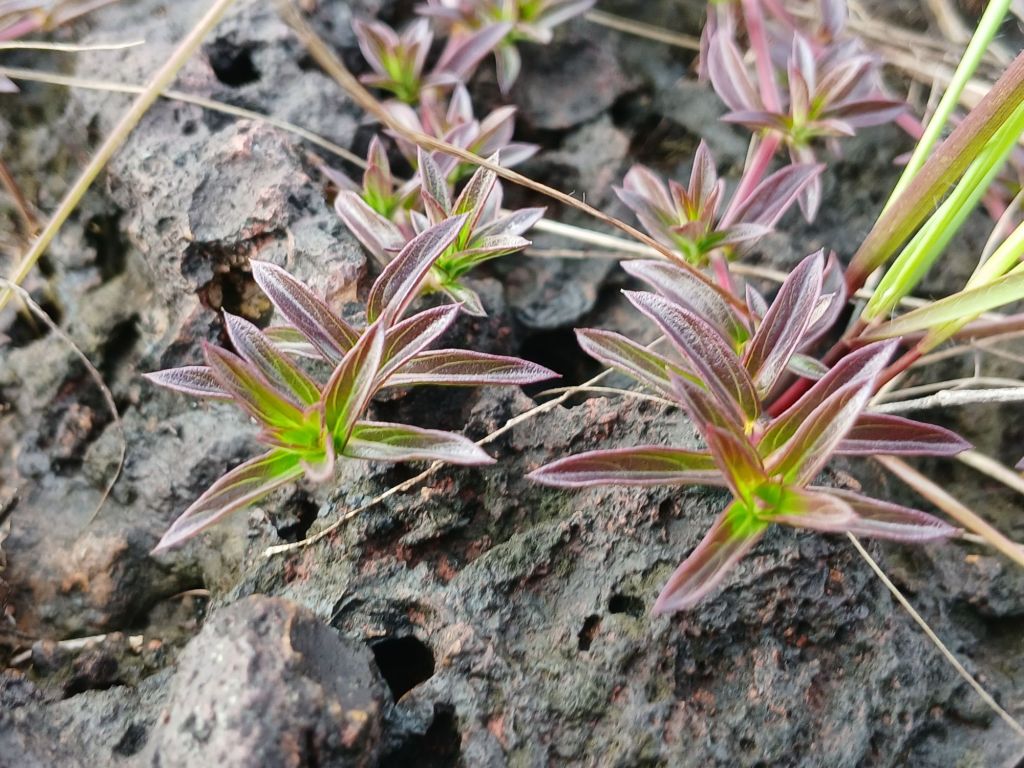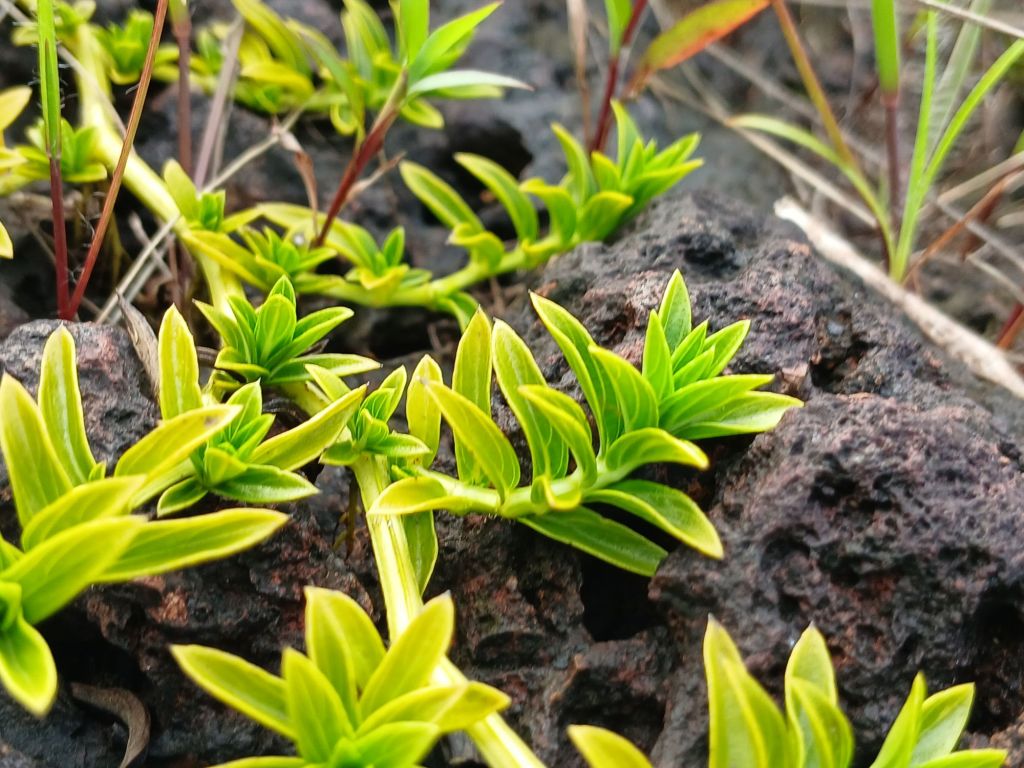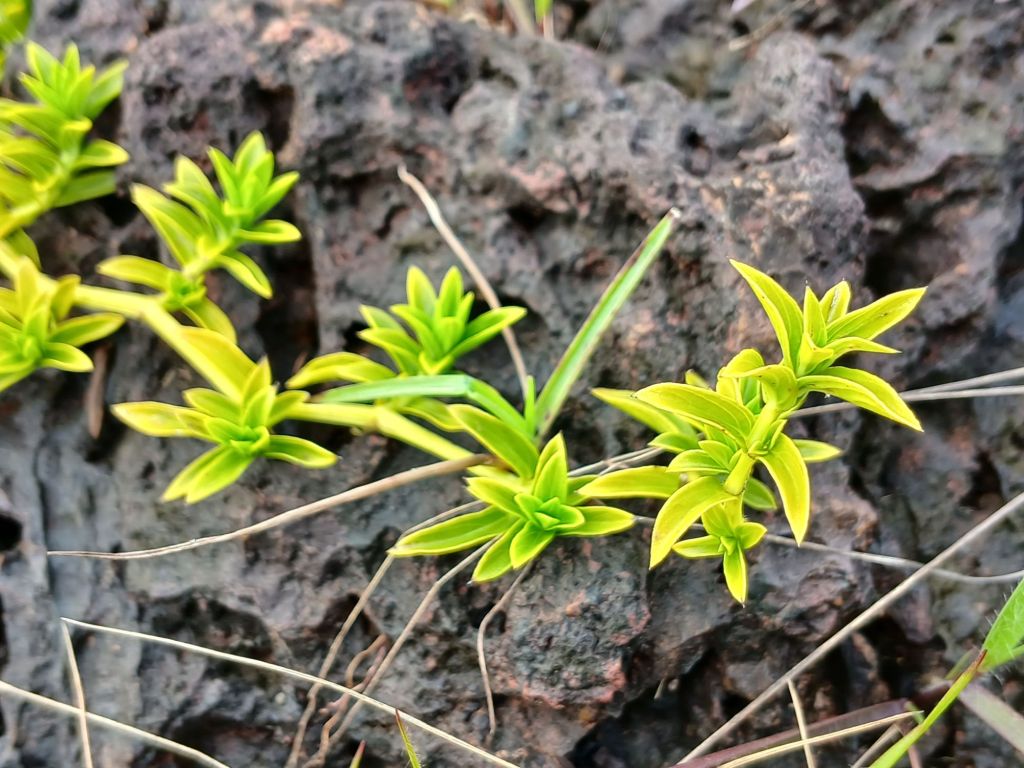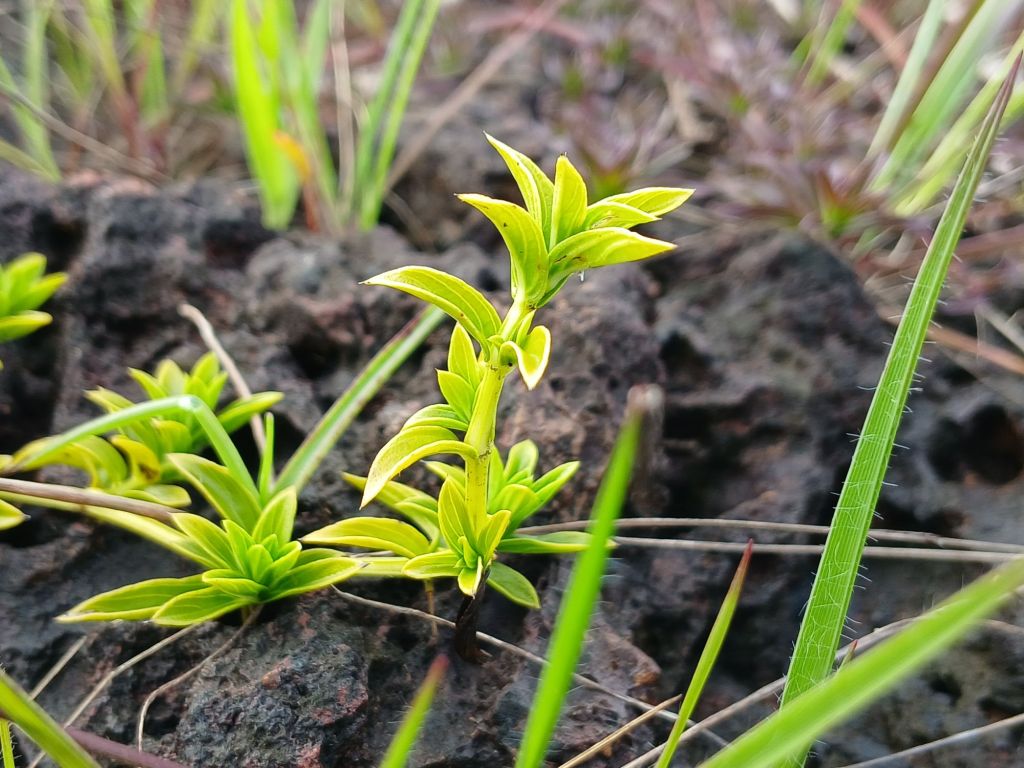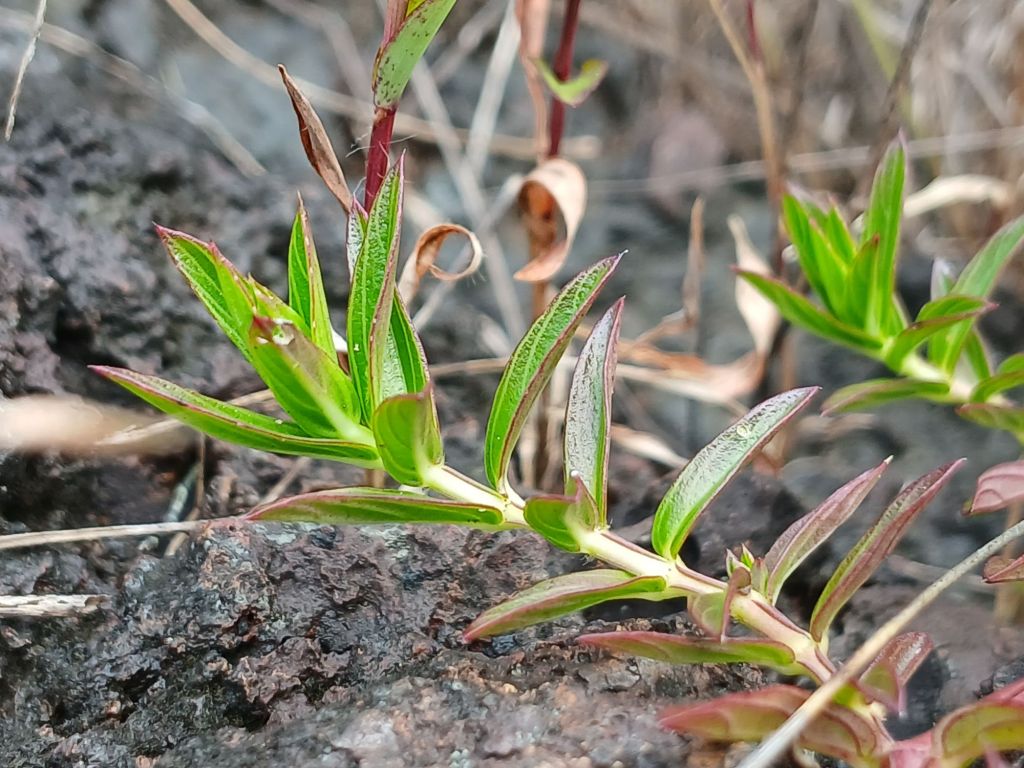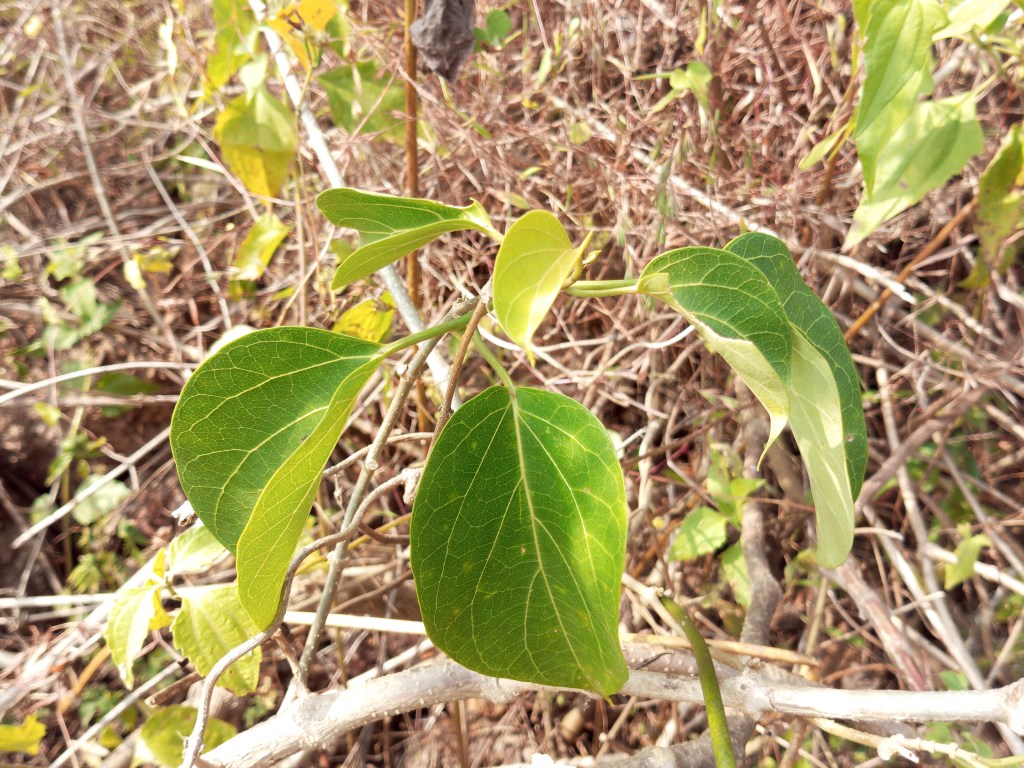
തീപ്പൊരിമുല്ല

  • Scientific name : Ipomoea hederifolia
  • English name : scarlet morning glory, scarlet creeper, star ipomoea, trompillo, ivy-leaved morning glory
  • Malayalam : തീപ്പൊരി മുല്ല
  • Habit : Climber
  • Habitat : Along stream sides and degraded forest areas, also in the plains

Description

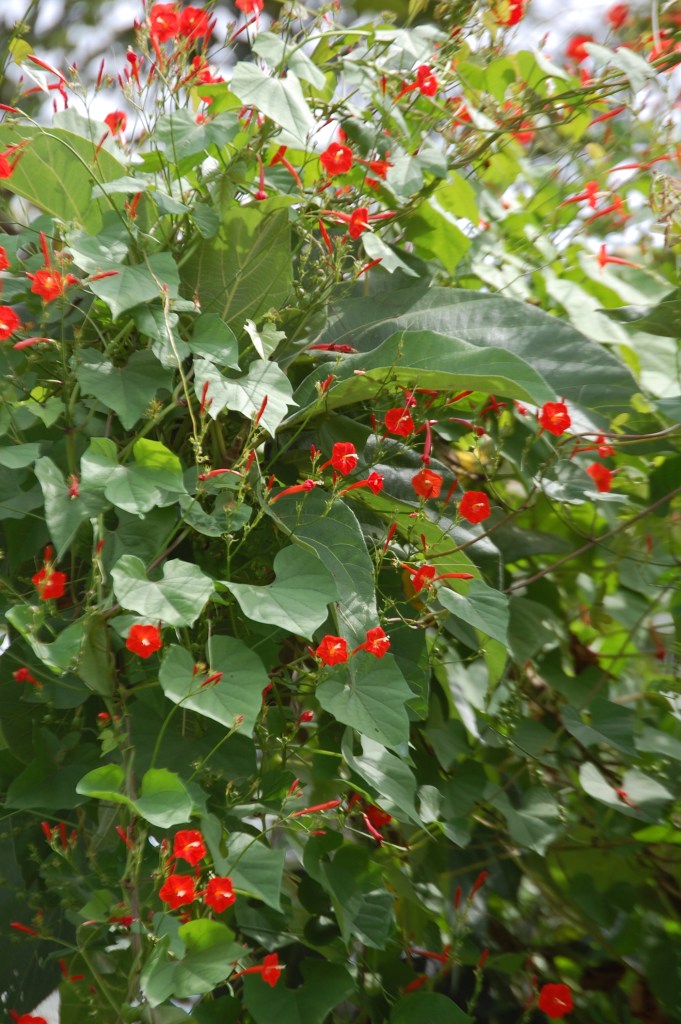
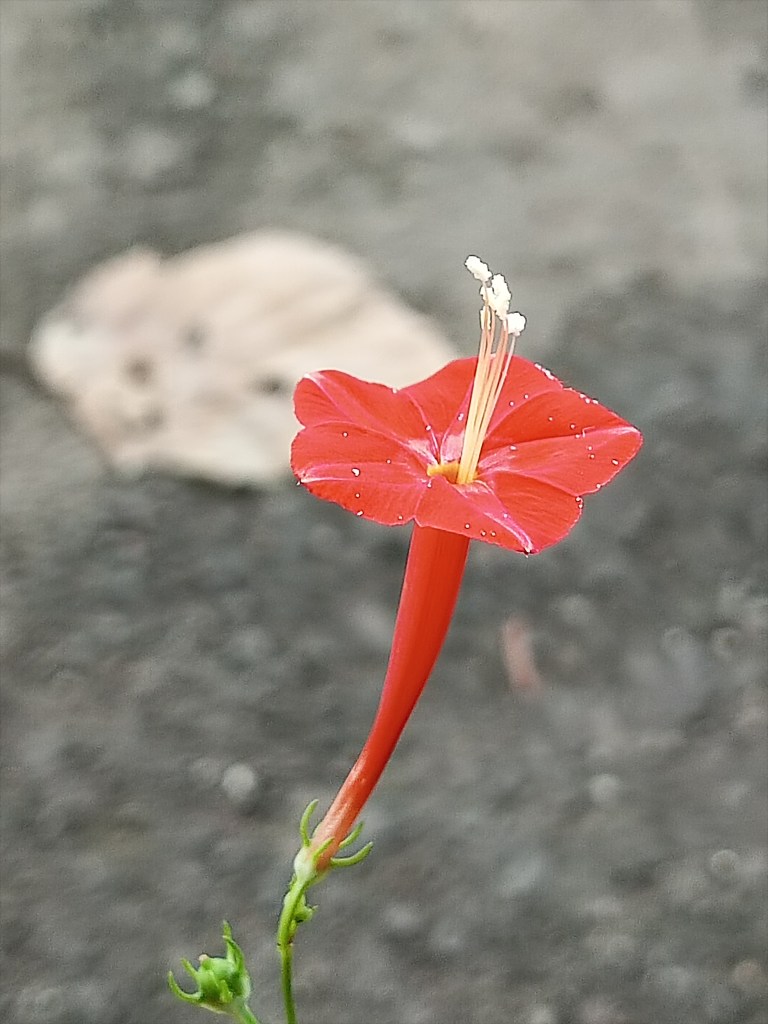
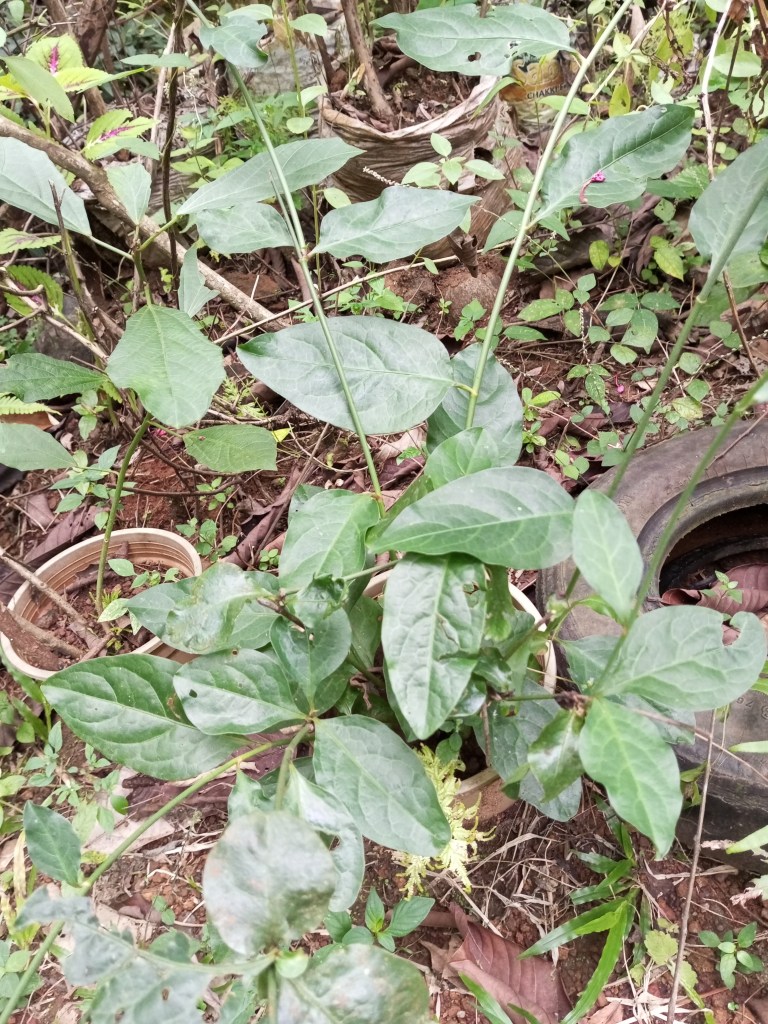
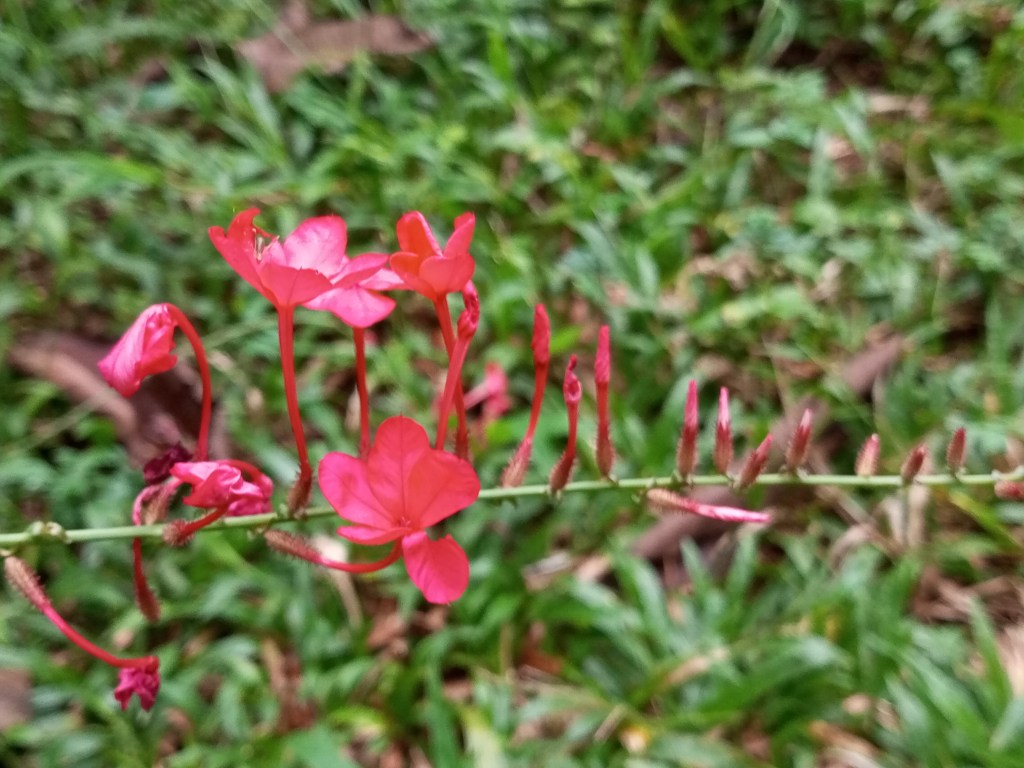
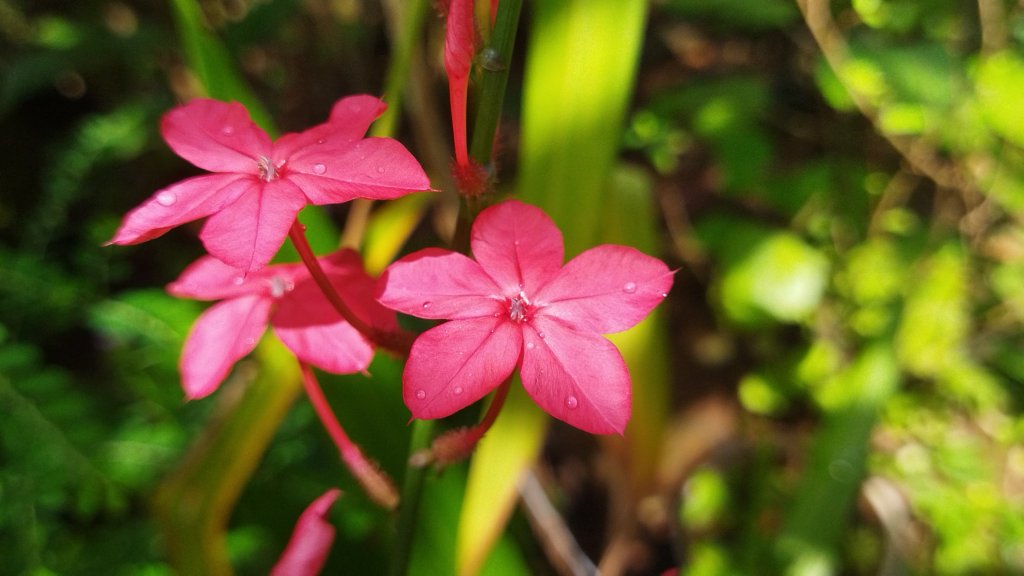
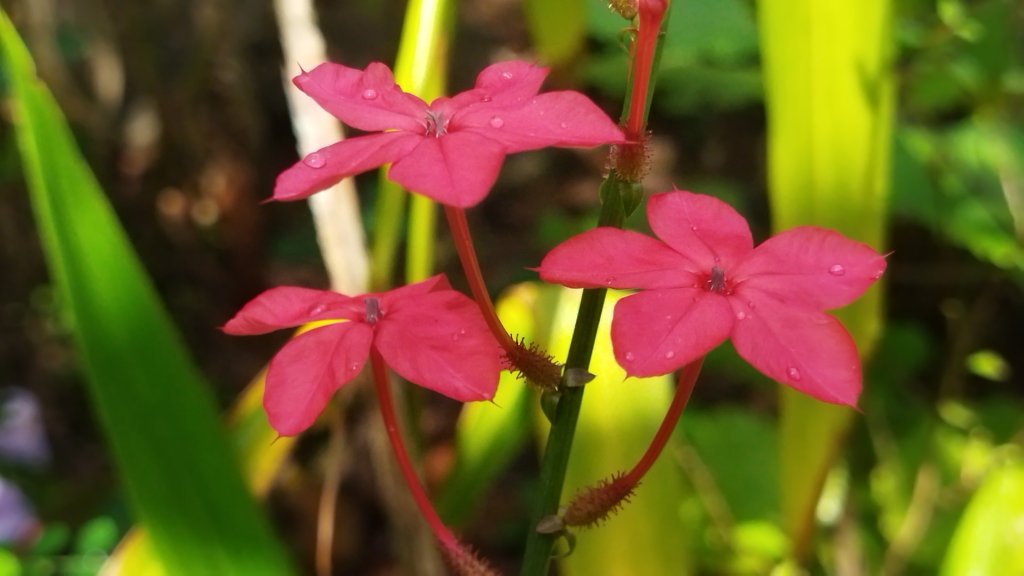
അമേരിക്കൻ സ്വദേശിയായ ഈ സസ്യം ലോകത്തിലെ ഉഷ്ണമേഖലാ പ്രദേശങ്ങളിൽ വ്യാപകമായി കാണപ്പെടുന്നു. വള്ളിയായി പടർന്നുകയറുന്ന ഇത് ഒരു വാർഷിക സസ്യമാണ്. ഹൃദയാകൃതിയിലുള്ള ഇലകൾ ഏകാന്തരമായി കാണപ്പെടുന്നു. അഗ്രം മുനയുള്ളത്. ഇലഞെട്ട് നീളം കൂടിയതാണ്.പത്രകക്ഷങ്ങളിൽ നിന്നും പൂക്കുല ഉണ്ടാവുന്നു. പൂക്കൾ ട്യൂബ് ആകൃതി. കടും ചുവപ്പ് കളർ.4 കേസരങ്ങളും 1 സ്റ്റിഗമയും പൂവിന് പുറത്തേക്ക് നീണ്ടുനിൽക്കുന്നു.ഒരു ഗോളാകൃതിയിലുള്ള അല്ലെങ്കിൽ അണ്ഡാകാര കാപ്സ്യൂൾ;  വിത്തുകൾ 4.  ഒക്ടോബർ മുതൽ കായ്ക്കുന്നു.

Taxonomy

  • Kingdom  : plantae
  • Division   : Trachiophites
  • Clade        : Angiosperms
  • Clade        : Eudicots
  • Clade        : Asterids
  • Order       : Solanales
  • Family     : Convolvulaceae
  • Genus      : Ipomoea
  • Species    : Ipomoea hederifolia

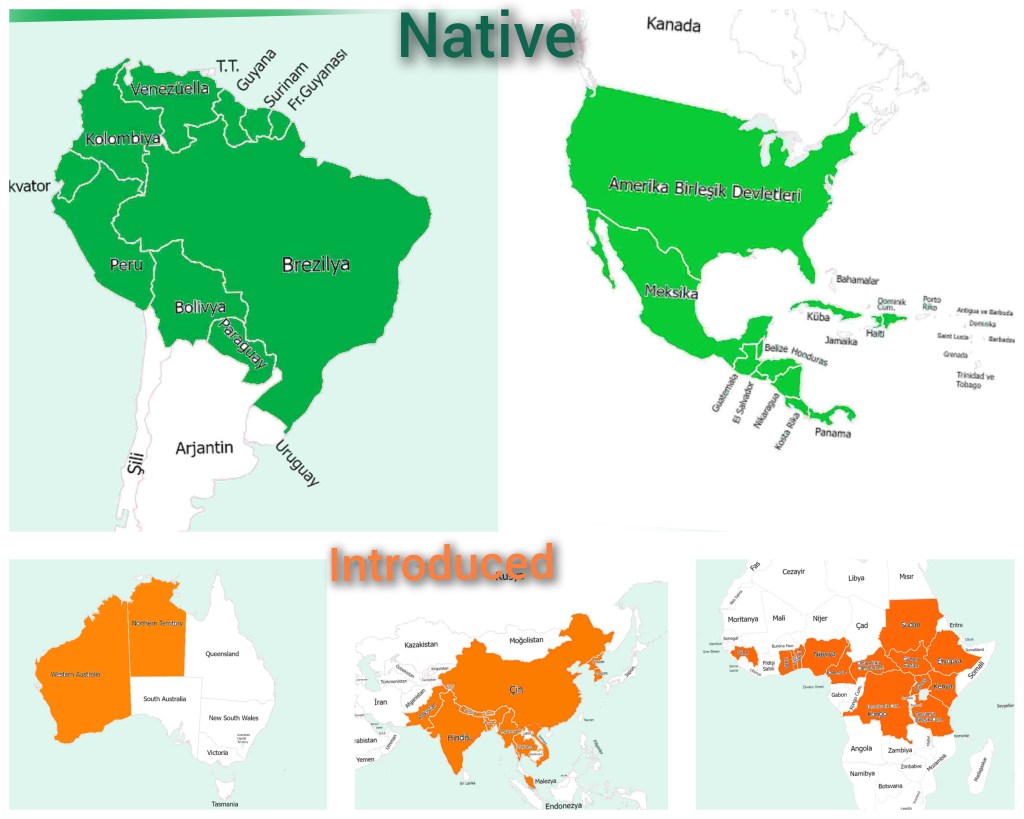
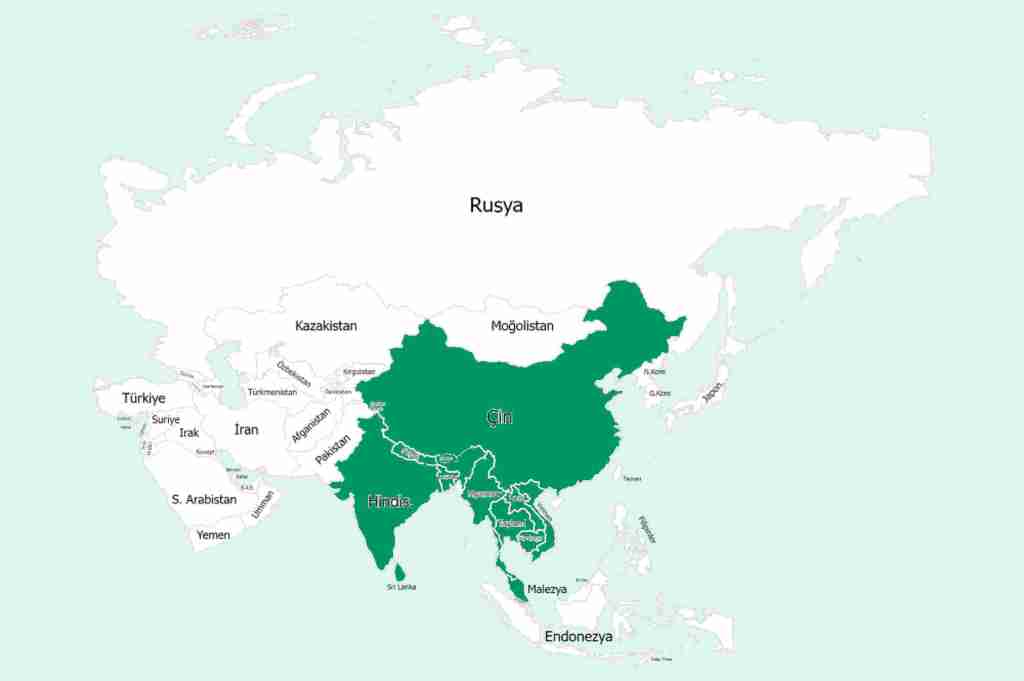
Range

Native to:
Alabama, Argentina Northwest, Arizona, Belize, Bermuda, Bolivia, Brazil North, Brazil Northeast, Brazil South, Brazil Southeast, Brazil West-Central, Cayman Is., Colombia, Costa Rica, Cuba, Dominican Republic, Ecuador, El Salvador, Florida, French Guiana, Georgia, Guatemala, Guyana, Haiti, Honduras, Jamaica, Leeward Is., Louisiana, Mexico Central, Mexico Gulf, Mexico Northeast, Mexico Northwest, Mexico Southeast, Mexico Southwest, Mississippi, New Mexico, Nicaragua, Panamá, Paraguay, Peru, Puerto Rico, Suriname, Texas, Trinidad-Tobago, Venezuela, Windward Is.

Introduced into:
Angola, Assam, Bahamas, Bangladesh, Burundi, Cameroon, Central African Repu, China Southeast, Christmas I., Comoros, East Himalaya, Equatorial Guinea, Fiji, Ghana, Gulf of Guinea Is., Hawaii, India, Ivory Coast, Kenya, Korea, Madagascar, Malawi, Malaya, Marianas, Mauritius, Missouri, Mozambique, Myanmar, Nauru, Nepal, New Caledonia, New South Wales, Nigeria, North Carolina, Northern Territory, Pakistan, Pennsylvania, Primorye, Queensland, Rodrigues, Réunion, Senegal, Seychelles, Sierra Leone, Sri Lanka, Sudan, Tanzania, Thailand, Togo, Tonga, Tubuai Is., Uganda, Vermont, Vietnam, Wallis-Futuna Is., West Himalaya, Western Australia, Zambia, Zaïre, Zimbabwe.

  • Status – Cultivated, Wild
  • Flowering
Plumbago indica

ചെത്തിക്കൊടുവേലി

Plumbago indica, commonly known as Scarlet Leadwort or Indian Leadwort, is a perennial shrub belonging to the family Plumbaginaceae. It is native to Southeast Asia and widely used in traditional medicine and ornamental gardening due to its striking red flowers and medicinal properties.

Scientific classification

  • Kingdom : plantae
  • Division  :Trachiophites
  • Clade       : Angiosperms
  • Clade       : Eudicots
  • Order      : Caryophyllales
  • Family     : Plumbaginaceae
  • Genus      : Plumbago
  • Species    : Plumbago indica

Morphology

Morphology of Plumbago indica

Plumbago indica, or Scarlet Leadwort, is a perennial shrub with distinctive morphological features. Below is a detailed overview of its various plant parts:


1. Roots

Type: The plant has a well-developed, branched taproot system.

Appearance: The roots are cylindrical, brownish, and woody.

Special Features: The roots contain plumbagin, a bioactive compound with medicinal properties.


2. Stem

Structure: Erect, semi-woody, and branching.

Color: Light green to reddish-brown, becoming woody with age.

Texture: The stem is somewhat hairy, especially when young.


3. Leaves

Arrangement: Alternate phyllotaxy.

Shape: Simple, ovate to elliptic leaves with entire or slightly wavy margins.

Size: Leaves are 5–10 cm long and 2–5 cm wide.

Color: Dark green on the upper surface, lighter on the underside.

Texture: The leaves are smooth, with a slightly leathery feel.

Petiole: Short, usually 1–2 cm long.


4. Flowers

Inflorescence: Terminal racemes or clusters.

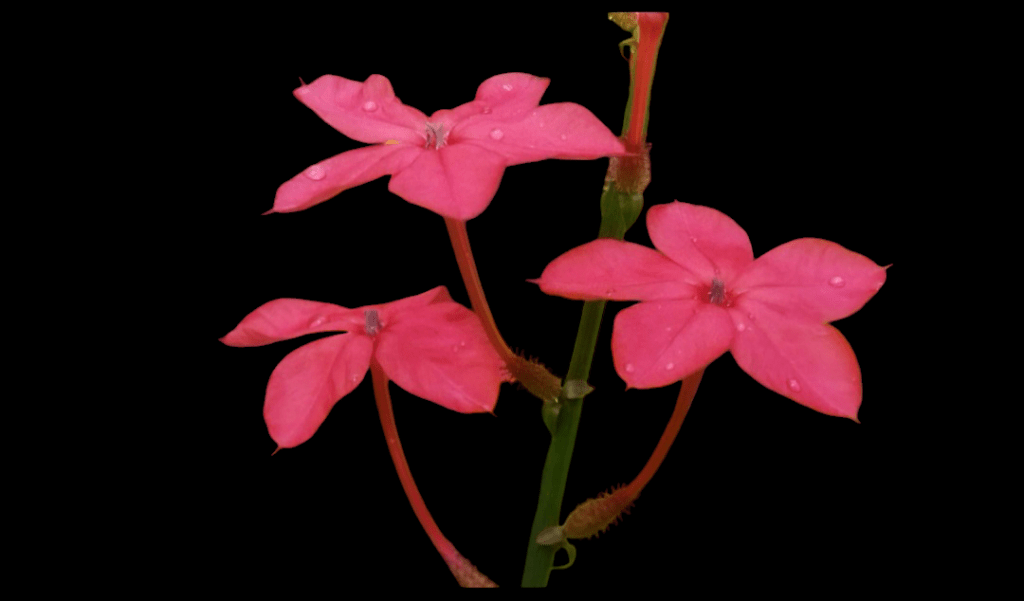
Color: Bright red or scarlet, contributing to its ornamental appeal.

Shape: Tubular flowers with five lobed petals.

Size: Individual flowers are about 2–3 cm long.

Reproductive Parts:

Stamens: Five, attached to the corolla tube.

Pistil: A single style with a stigma at the tip.


Blooming Season: Flowers bloom mainly during the warm months, attracting pollinators like butterflies.


5. Fruit

Type: Capsule.

Appearance: Small, dry, and dehiscent (splits open when mature).

Seeds: Contains small, brownish seeds.


6. Special Features

Glandular Hairs: The calyx and sometimes other plant parts have glandular hairs that may produce a sticky secretion.

Latex Production: The plant may exude a milky sap when cut or damaged.


Conclusion

The striking red flowers, lush green foliage, and compact growth habit make Plumbago indica not only a valuable medicinal plant but also an attractive choice for ornamental gardening. I

Range

Native to:
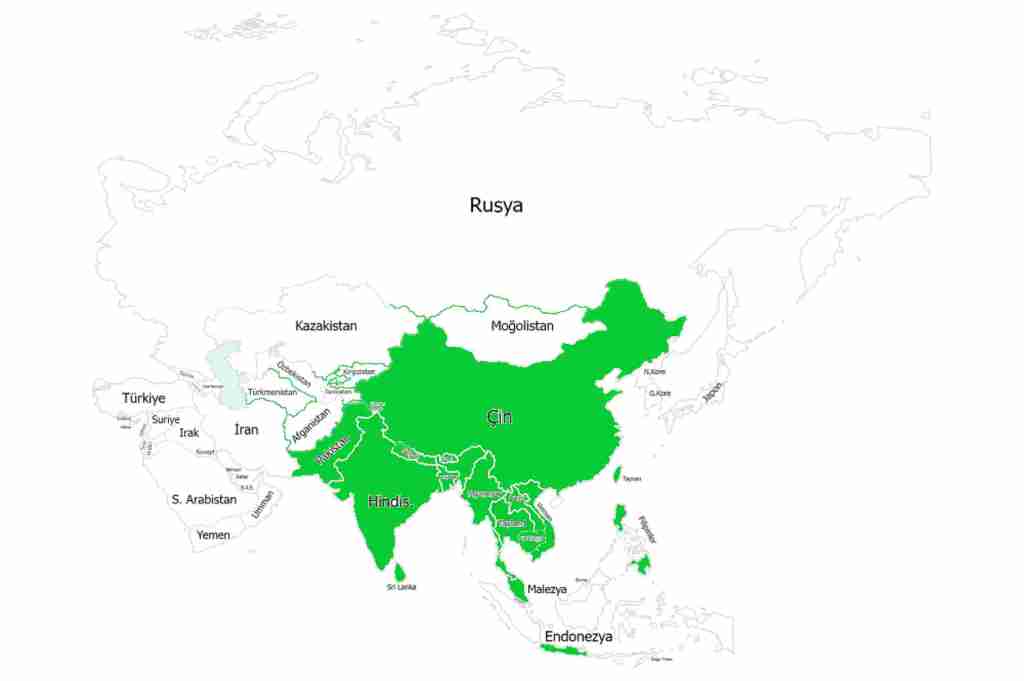
Assam, Bangladesh, Cambodia, China South-Central, East Himalaya, Hainan, India, Jawa, Laos, Lesser Sunda Is., Maluku, Philippines, Sulawesi, Sumatera, Thailand, Vietnam

Introduced into:
Leeward Is., Peru, Puerto Rico, Sri Lanka, Trinidad-Tobago

ചെറുതുടലി

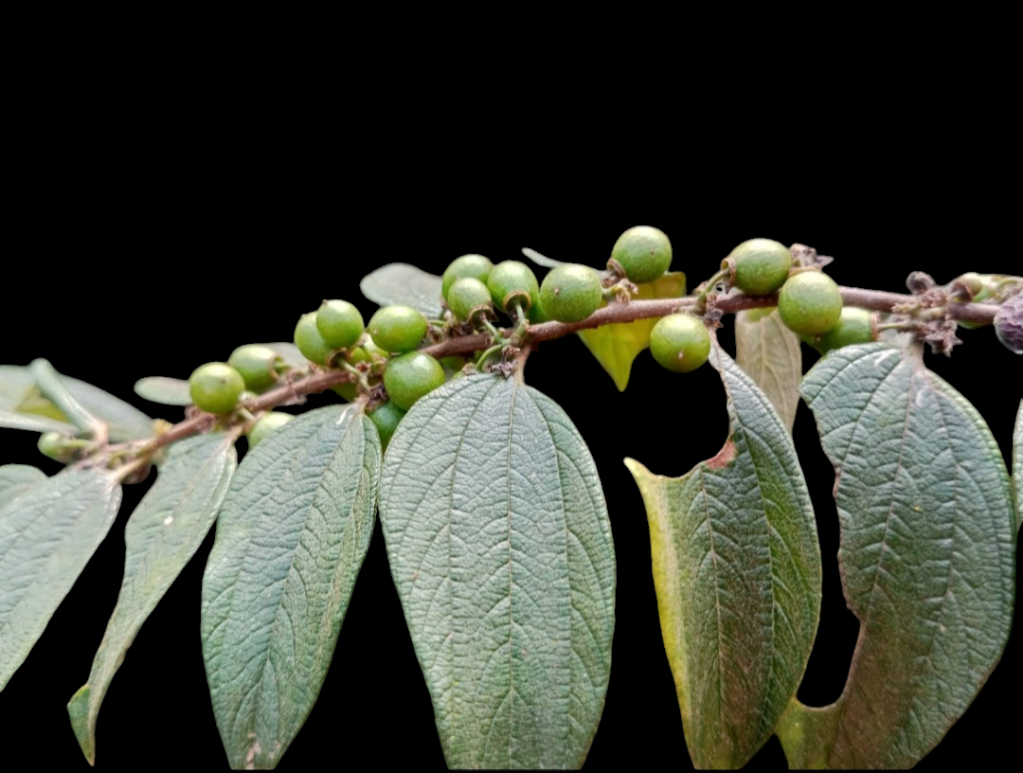
  • Scientific name : Ziziphus oenoplia
  • English name : Jackal Jujube, Small-fruited Jujube, Wild Jujube
  • Malayalam : ചെറുതുടലി
  • Habit : Shrub
  • Habitat : Moist and dry deciduous forests

Description

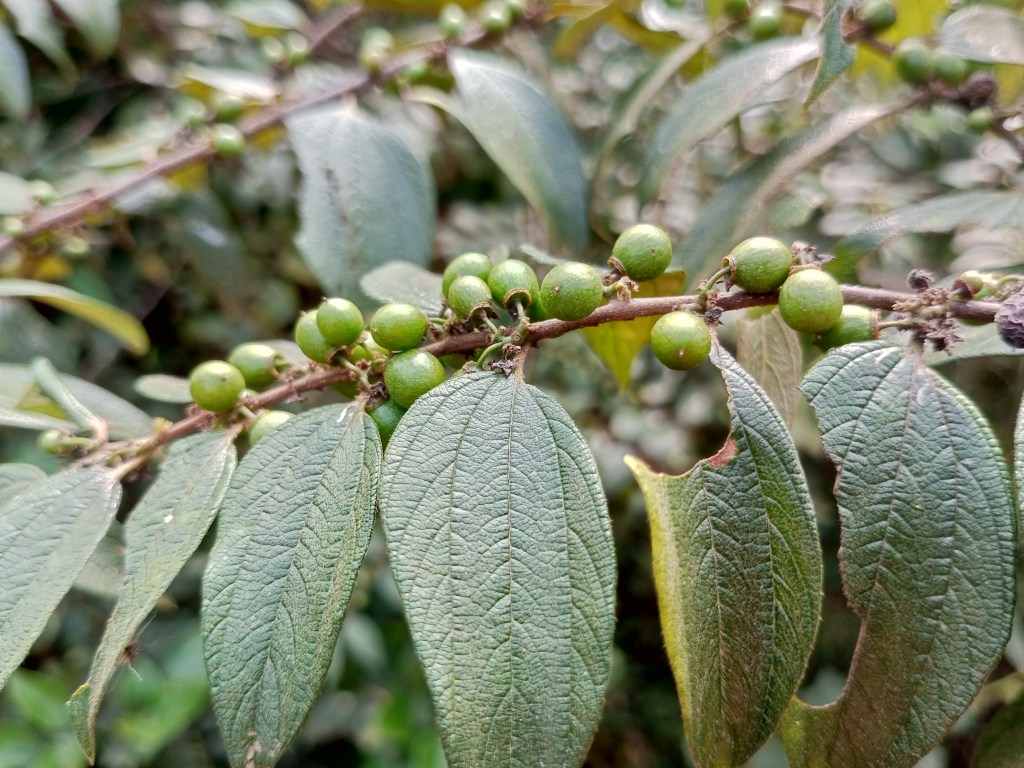
ഏഷ്യയിലും ആസ്ത്രേലിയയിലും കാണപ്പെടുന്ന പുഷ്പിക്കുന്ന സസ്യമാണ് ചെറുതുടലി.ഒന്നര മീറ്റർ വരെ ഉയരത്തിൽ വളരുന്ന മുള്ളുള്ള ചെറിയ വള്ളിച്ചെടിപോലെ ഒരു സസ്യമാണിത്.വരയൻ കോമാളി ലാർവയുടെ പ്രധാന ഭക്ഷണസസ്യം വൻതുടലി ആണ്. മലബാർ മിന്നൻ ശലഭത്തിന്റെ പുഴുവിനെ കണ്ടെത്തിയത് ഈ സസ്യത്തിലാണ്. കാട്ടിലും നാട്ടിലും ഉപദ്രവകാരിയായ കളയാണ്.

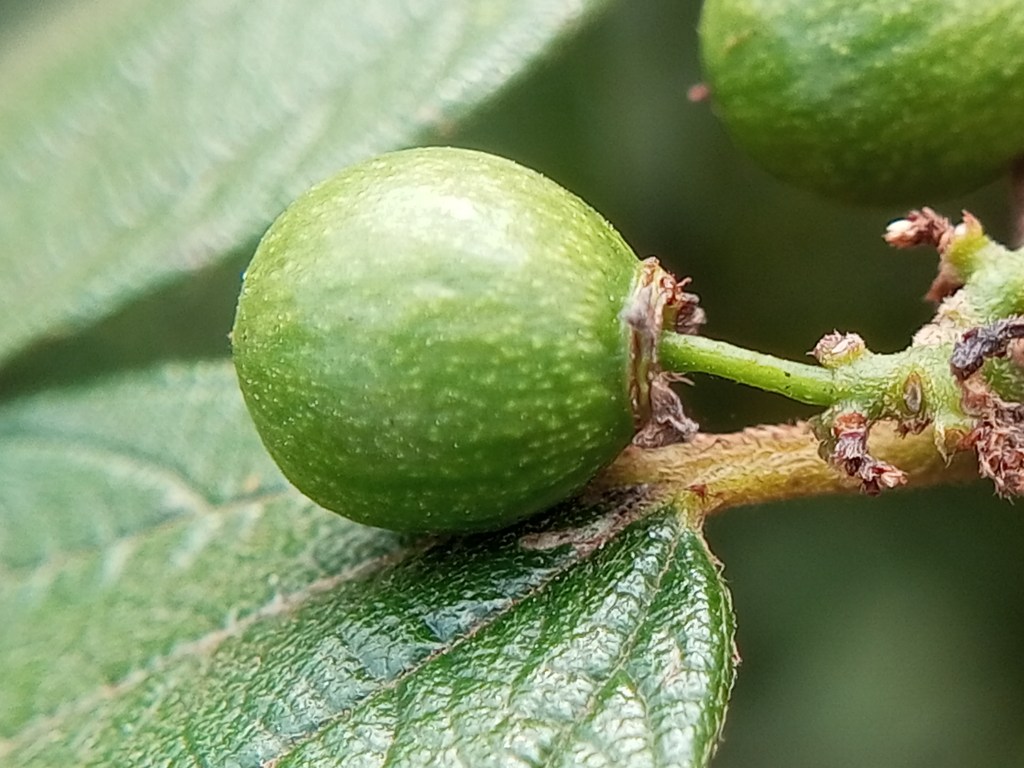
മുള്ളുകൾ ഒന്ന് നേരെയും മറ്റൊന്ന് വീണ്ടും വളഞ്ഞതുമാണ്.ഒന്നിടവിട്ട് ക്രമീകരിച്ചിരിക്കുന്ന ലളിതമായ ഇലകൾ.ഇലകളുടെ കക്ഷങ്ങളിൽ തണ്ടുകളില്ലാത്ത വെൽവെറ്റ് സൈമുകളിൽ ചെറിയ പച്ച പൂക്കൾ വിരിയുന്നു.കായ്കൾ ഗോളാകൃതിയിലോ അണ്ഡാകാരത്തിലോ ഉള്ള ഡ്രൂപ്പുകളാണ്.

Taxonomy

  • Kingdom     : plantae
  • Division      : Trachiophites
  • Clade           : Angiosperms
  • Clade           : Rosids
  • Order          : Rosales
  • Family         : Rhamnaceae
  • Genus          : Ziziphus
  • Species        : Ziziphus oenoplia

Range

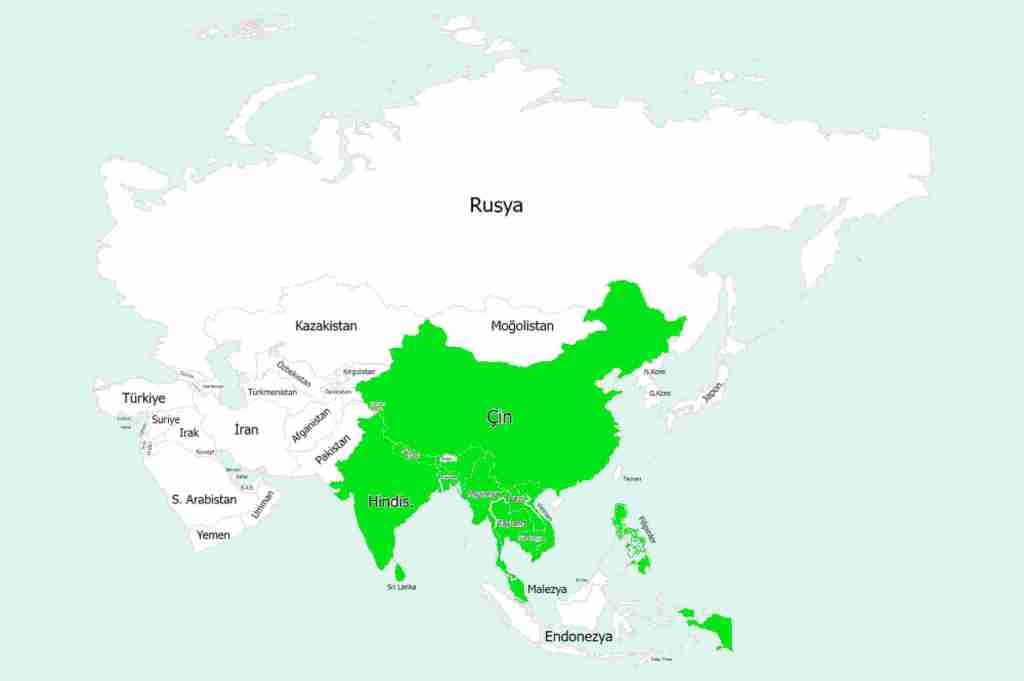
Native to:


Andaman Is., Assam, Bangladesh, Cambodia, China South-Central, China Southeast, India, Laos, Lesser Sunda Is., Malaya, Myanmar, Nepal, New Guinea, Northern Territory, Philippines, Queensland, Sri Lanka, Thailand, Vietnam

Usege

കായ ഭക്ഷ്യയോഗ്യമാണ്. ഇന്ത്യയിൽ ആയുർവേദമരുന്നിൽ വളരെ പ്രസിദ്ധമാണിത്. കൊങ്കണി ആൾക്കാർ ഇല ചവയ്ക്കാനും മുറിവു കെട്ടാൻ ഉപയോഗിക്കുകയും ചെയ്യാറുണ്ട്. ഇല ചവയ്ക്കുന്നത് ഉമിനീരുണ്ടാവാൻ നല്ലതാണ്.

  • Status – Wild
  • Flowering – November-March
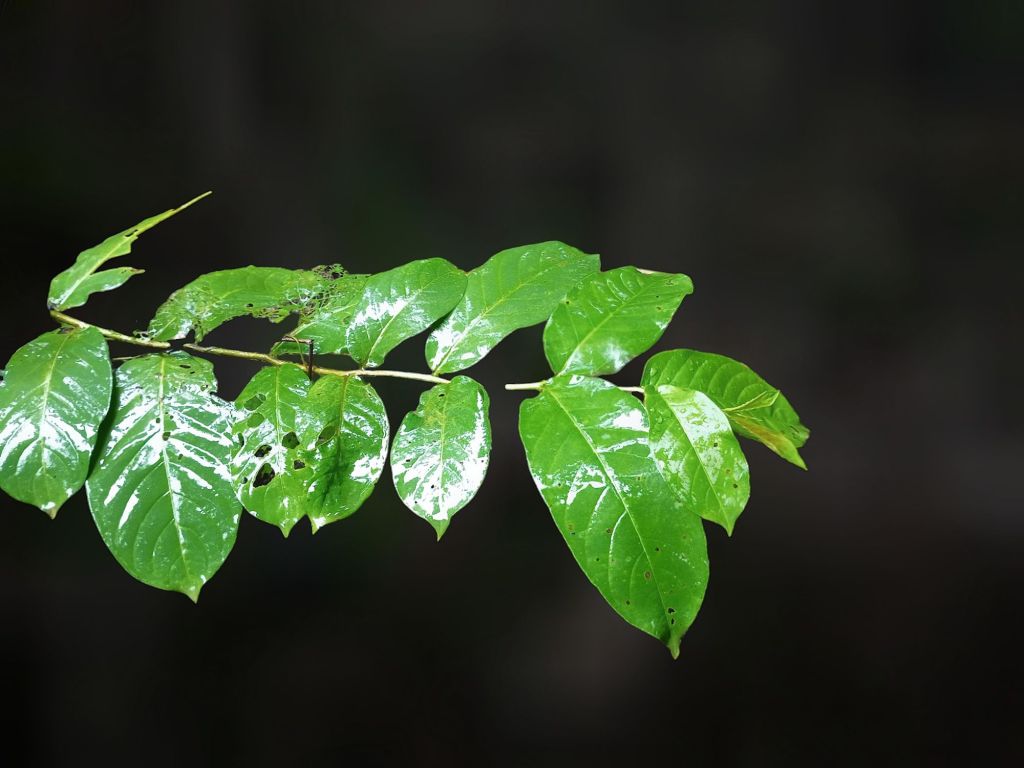
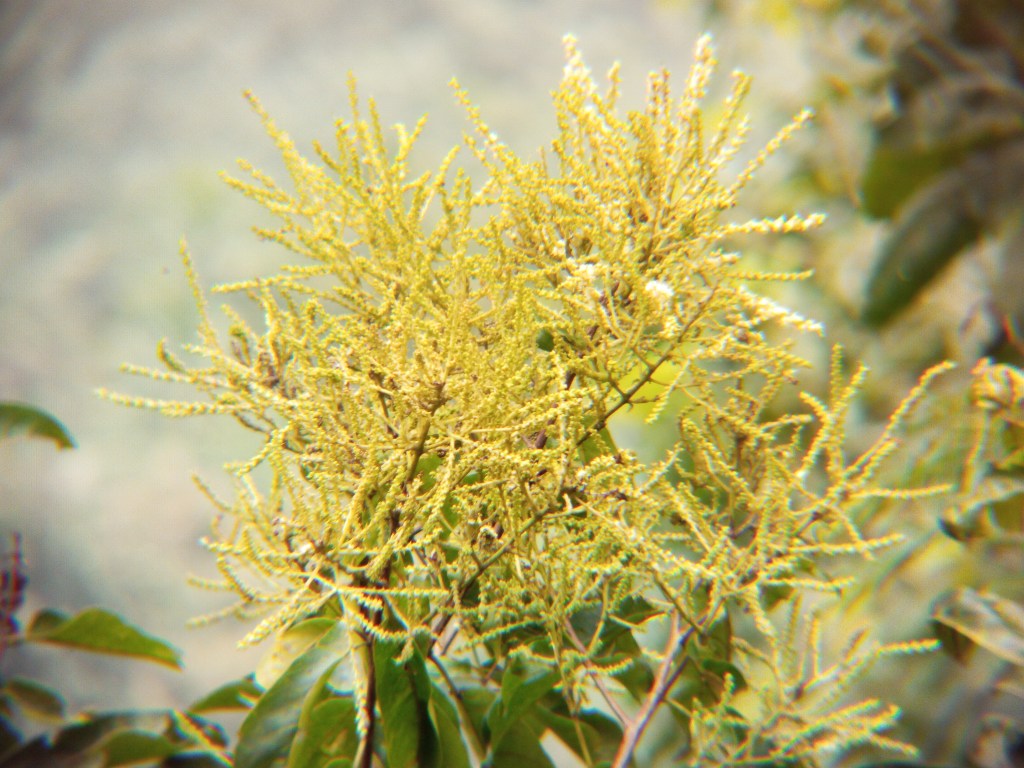
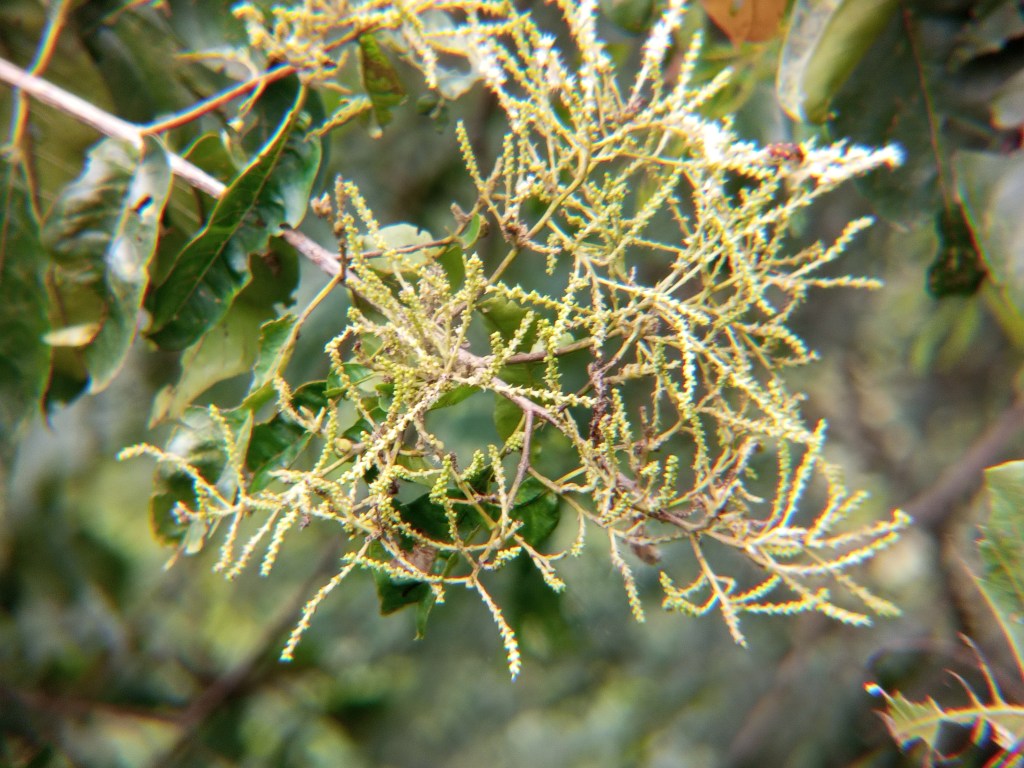
മരുത്


  • Scientific name : Terminalia paniculata
  • English name : Kindal Tree, Flowering Murdah
  • Malayalam : മരുത്, വെള്ള മരുത്
  • Habit : Tree
  • Habitat : Moist and dry deciduous forests.
  • Family : Combretaceae
  • Native : Western Ghats

Description

പശ്ചിമഘട്ടത്തിൽ വ്യാപകമായി കാണുന്ന ഇന്ത്യൻ സ്വദേശിയായ ഒരു വൻ മരമാണ് മരുത്. ഈടും ഉറപ്പുമുള്ള ഇതിന്റെ തടി വ്യവസായികപ്രാധാന്യം ഉള്ളതാണ്.

Type : Tree
Root : yes
Root type : taproot
terrestrial : no
Stem : yes
Stem size : 30 m. Tall
Hair in stem : no
Stipul : no
Branchs : yes
Core of wood : yes
Stem thorn : no
Tentrils : no
Leaves : yes
Leaf arregement : opposite
Petiol length :
Lamina length :
Lamina width :
Leef type : simple
Lamina shape : elliptical
Lamina tip : cuspidate
Hair in leaves : no
Venetian : reticulate
Midrib length :
No.of veins :
Flower : yes
Flower type : Inflorescence
Calyx :
Calix color :
Calix type :
No. Of sepels :
arrangement of sepels :
Corola :
Corola color : white, pink
Arrangement of corola :
No. Of petels :
Flower shape : tube
Stamen no. :
Stamen length :
Stamen type :
Fruit : yes
Fruit type :
Cotyledon : Eudicots
Food : no
Medicine : no

Taxonomy

  • Kingdom     : plantae
  • Division       : Trachiophites
  • Clade            : Angiosperm
  • Clade            : Rosids
  • Order           : Myrtales
  • Family         : Combretaceae
  • Genus          : Terminalia
  • Species         : Terminalia paniculata

Range

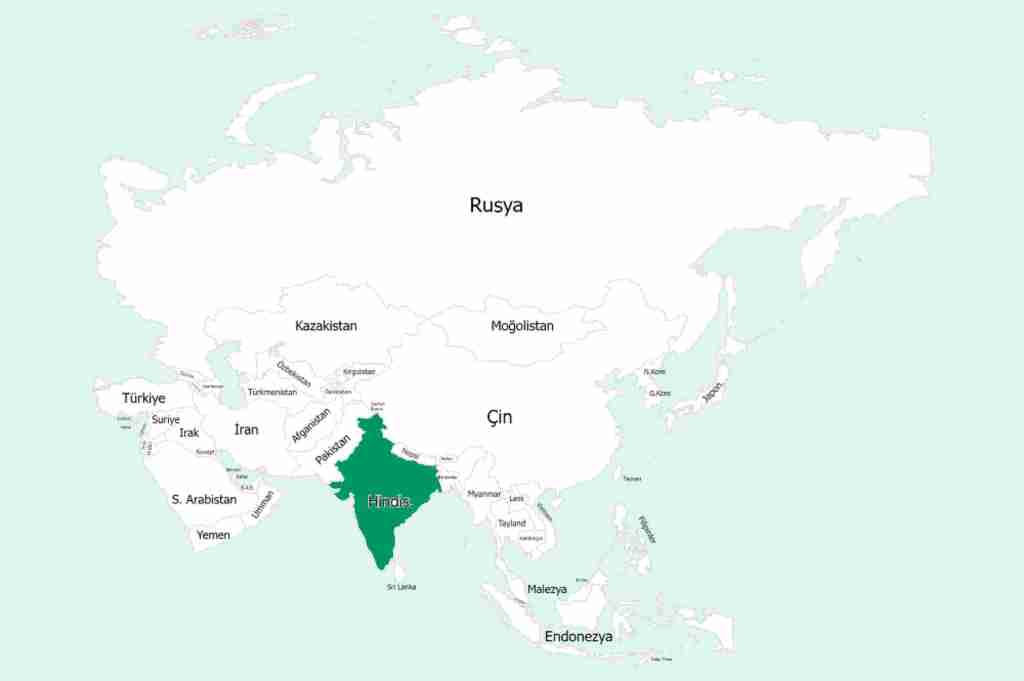
ദക്ഷിണ ഇന്ത്യയിലെ തദ്ദേശീയ വൃക്ഷമാണ്  മരുത്.

Usage

ഫാർമസ്യൂട്ടിക്കൽ, തടി താനിൻ, തുകൽ, പട്ട് വ്യവസായം എന്നിവയിൽ ഈ മരം വ്യാപകമായി ഉപയോഗിക്കുന്നു.കപ്പൽ നിർമ്മാണത്തിന് വളരെ ഉപയോഗപ്രദമായ തടി, തേക്കിന് പകരമായി ഉപയോഗിക്കുന്നു.ടാനിംഗിനും ഡൈയിംഗിനും പഴങ്ങൾ ഉപയോഗിക്കുന്നു. 

  • Status – Wild
  • Flowering – November-January
പെരുംനീരൂരി

  • Scientific name : Breynia retusa
  • English name : Cup Saucer Plant, Cupped coral-berry tree
  • Malayalam : പെരുംനീരൂരി
  • Habit : Shrub
  • Habitat :  Semi-evergreen and deciduous forests

Description

    മലേഷ്യൻ തദ്ദേശവാസിയായ ഒരു കുറ്റിച്ചെടിയാണ് പെരുംനീരൂരി.ഒരു സോസറിൽ സൂക്ഷിച്ചിരിക്കുന്ന കായ പോലെയോ പലർക്കും ഒരു സോസറിൽ സൂക്ഷിച്ചിരിക്കുന്ന ഒരു കപ്പ് പോലെയോ തോന്നിക്കുന്ന പഴമാണ് ഇതിന്റെ ശ്രദ്ധേയമായ സവിശേഷത.ഈ ചെടിയുടെ പേര് ഇതിൽ നിന്നാണ് ഉത്ഭവിച്ചത്.2 മീറ്റർ നീളമുള്ള ഒരു ചെറിയ കുറ്റിച്ചെടിയാണിത്, ശാഖകൾ പരന്നുകിടക്കുന്നു.ഏകാന്തരമായി വിന്യസിച്ചിരിക്കുന്ന ഇലകൾ ദീർഘവൃത്താകാരമാണ്. അഗ്രം റൗണ്ട് ഷെയ്പ്പ്.ഇലകളുടെ കക്ഷങ്ങളിൽ, ഫിലമെന്റ് പോലെയുള്ള പൂങ്കുലത്തണ്ടുകളിൽ പൂക്കൾ ഉണ്ടാവുന്നു.മഞ്ഞ നിറമുള്ള ആൺപൂക്കളും പച്ച നിറമുള്ള പെൺപൂക്കളും ഒരു ചെടിയിൽ കാണാം.6 വിദളങ്ങൾ.കായ് 1-2 cm. വലുപ്പം.ചെറുതായി പരന്ന വൃത്താകൃതിയിലുള്ള ബെറി ആണ് പഴങ്ങൾ.ചുവപ്പ് നിറം ഒരു സോസർ പോലെ കാലിക്സിനുള്ളിൽ കാണപ്പെടുന്നു.

Taxonomy

  • Kingdom      : plantae
  • Division        : Trachiophites
  • Clade             : Angiosperms
  • Clade             : Eudicots
  • Clade             : Rosids
  • Order            : Malpighiales
  • Family           : Phylanthaceae
  • Genus            : Breynia
  • Species          : Breynia redusa

Range

Native to:
Assam, Bangladesh, Cambodia, China South-Central, China Southeast, East Himalaya, India, Laos, Malaya, Myanmar, Nepal, Réunion, Sri Lanka, Thailand, Tibet, Vietnam.

  • Status – Wild
  • Flowering – June – August
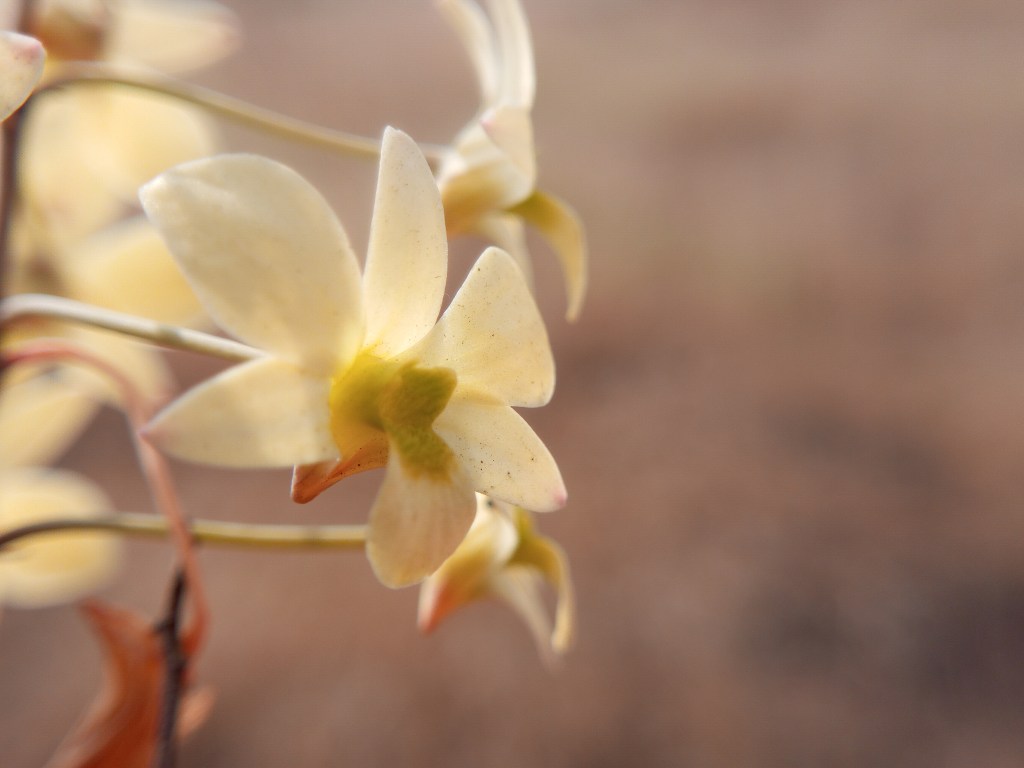
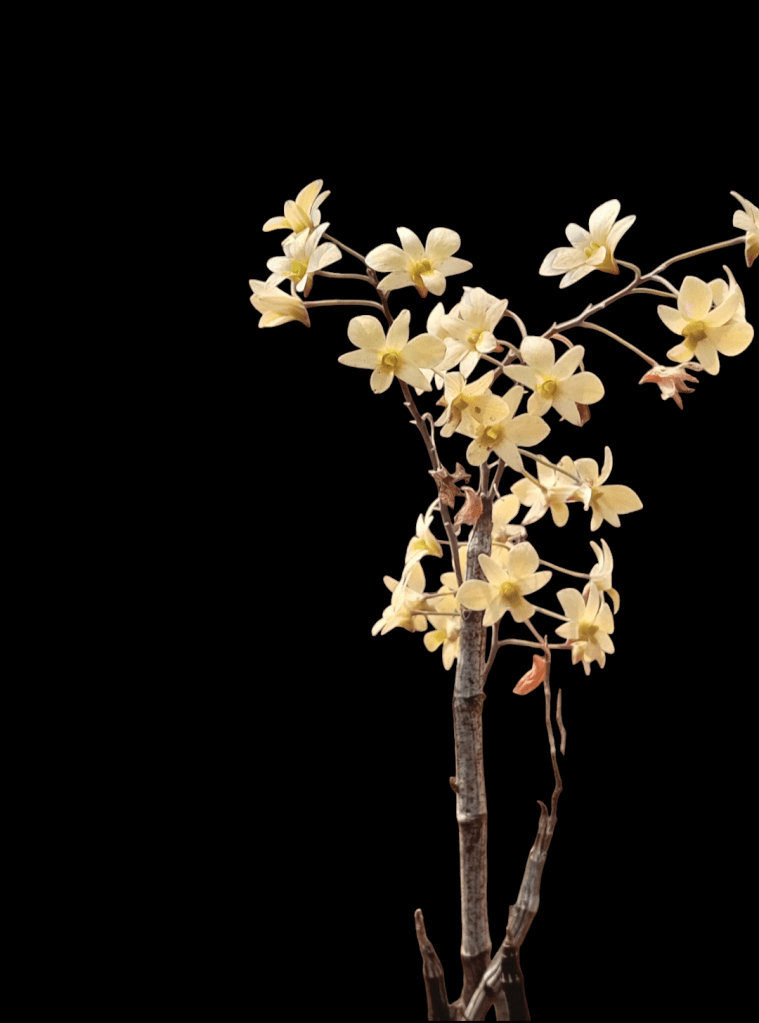
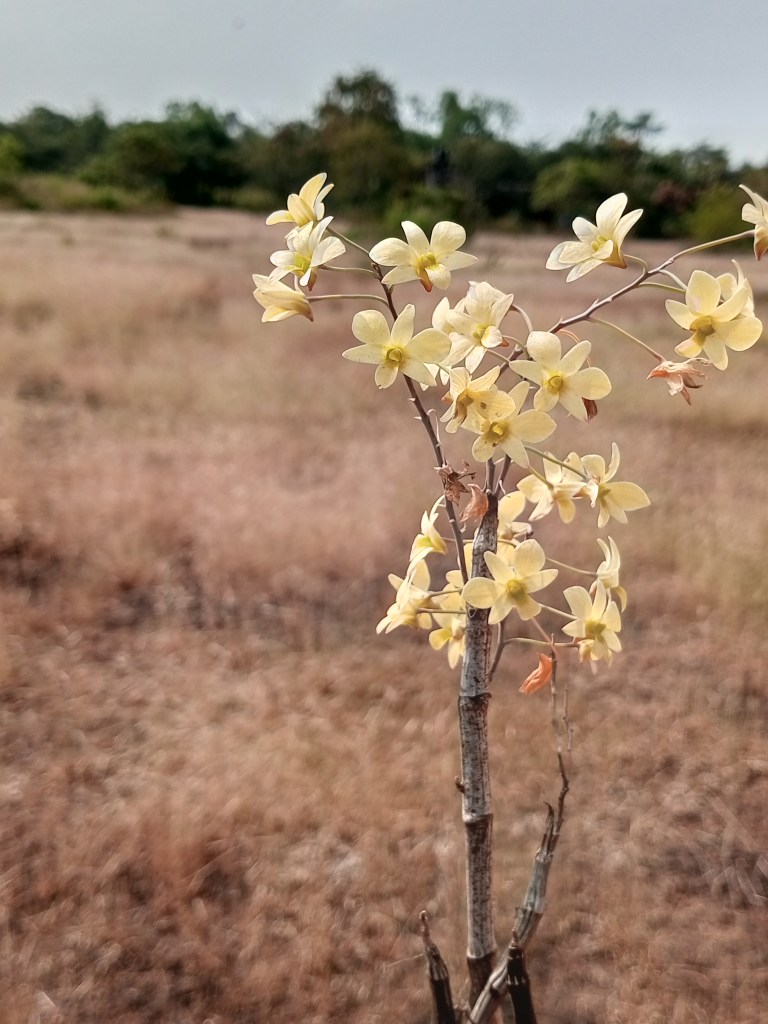
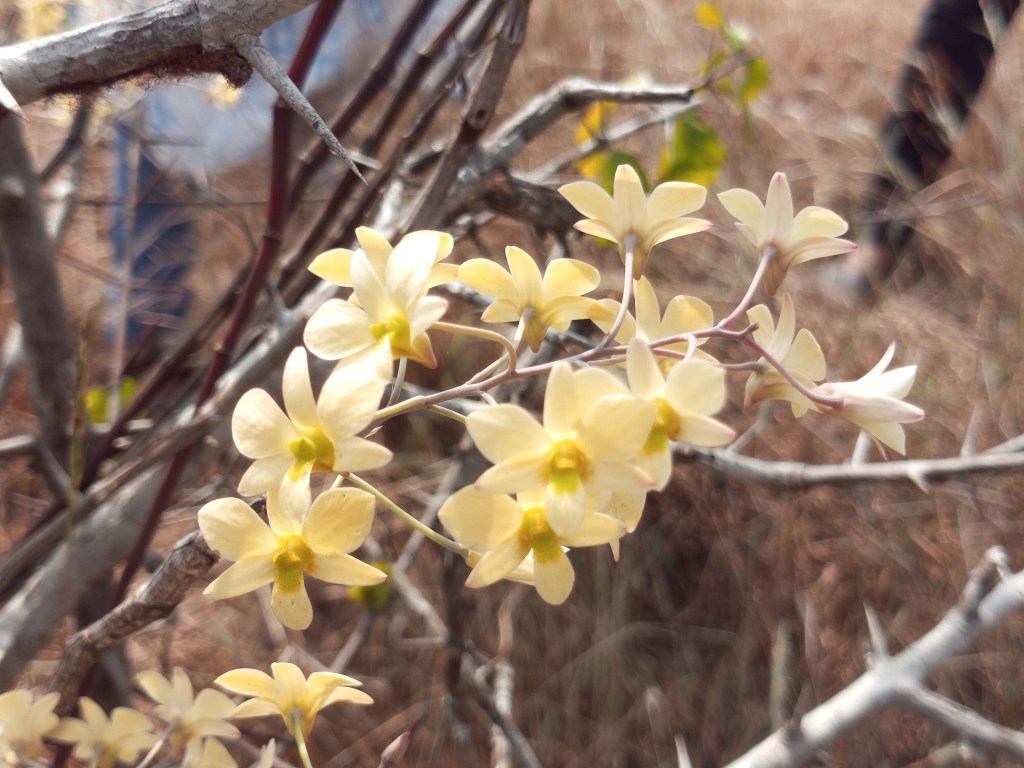
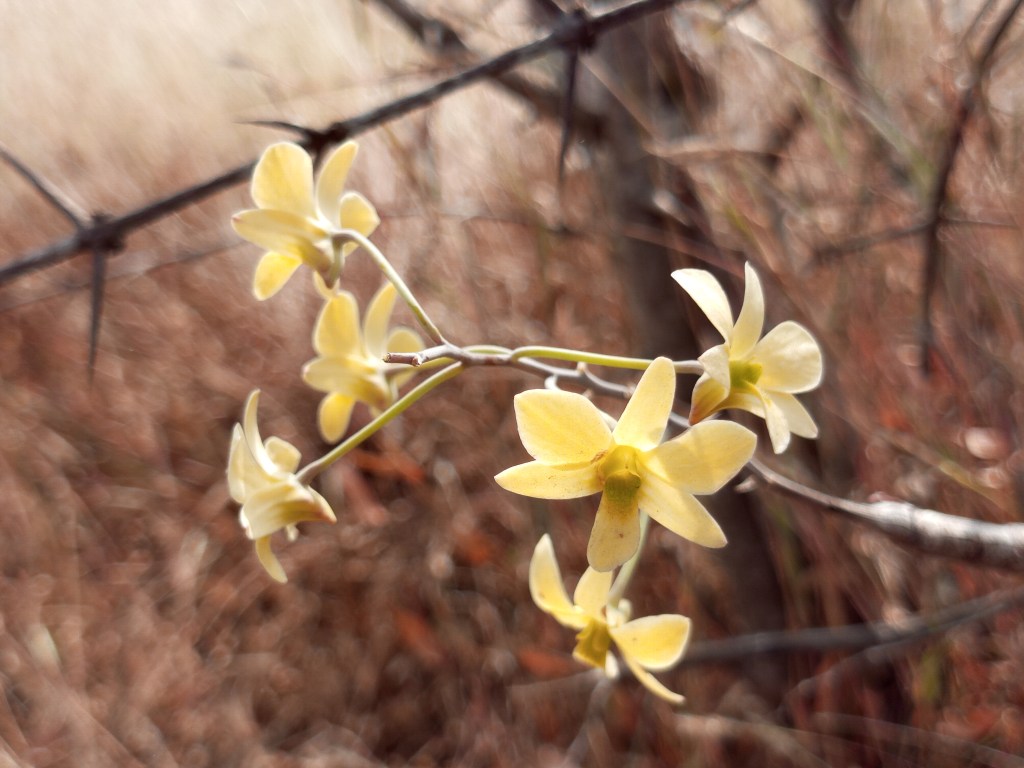
വെള്ളഇത്തിൾ

  • Scientific name : Dendrobium ovatum
  • English name : Green Lipped Dendrobium
  • Malayalam : വെള്ളഇത്തിൾ, ഉണ്ണീശോപൂവ്
  • Habit : Herb
  • Habitat : Moist deciduous forests, also in the plains.

Description

മരങ്ങളിൽ പറ്റിപ്പിടിച്ച് വളരുന്ന ഒരു തരം ഓർക്കിഡ് ആണ് വെള്ളഇത്തിൾ. പശ്ചിമഘട്ടത്തിലെയും തമിഴ്നാട്ടിലെയും ഒരു ഓർക്കിഡാണ്.  മറ്റ് ചെടികളിൽ വളരുന്ന ഒരു ഔഷധസസ്യമാണിത്.  സ്യൂഡോബൾബുകൾക്ക് 5-50 സെന്റീമീറ്റർ നീളമുണ്ട്, മൌവ് ബ്രൗൺ, ഇന്റർനോഡുകൾ 2-4 സെ.മീ.  5-10 സെന്റീമീറ്റർ നീളമുള്ള, ഒന്നിടവിട്ട് ക്രമീകരിച്ച ഇലകൾ, ദീർഘവൃത്താകൃതി. 5-15 സെന്റീമീറ്റർ നീളമുള്ള പല പൂക്കളുള്ള റസീമുകളിൽ പൂക്കൾ ഉണ്ടാകുന്നു.  പൂക്കൾക്ക് ക്രീം നിറമുണ്ട്, മധ്യഭാഗം പച്ചയാണ്.  എന്നിരുന്നാലും, നിറത്തിൽ തികച്ചും വ്യത്യാസമുണ്ട്, പൂക്കൾക്ക് പച്ചകലർന്ന മഞ്ഞനിറമായിരിക്കും.  വിദളങ്ങൾക്കും ദളങ്ങൾക്കും 7-10 മില്ലിമീറ്റർ നീളമുണ്ട്.  ചുണ്ടുകൾക്ക് 7-8 മില്ലിമീറ്റർ നീളമുണ്ട്,  ലാറ്ററൽ ലോബുകൾ ചെറുതും കുത്തനെയുള്ളതുമാണ്.

Taxonomy

  • Kingdom       : plantae
  • Division        : Trachiophites
  • Clade             : Angiosperms
  • Clade             : Monocots
  • Order            : Asparagales
  • Family           : Orchidaceae
  • Genus            : Dendrobium
  • Species          : Dendrobium ovatum

Range

ഈ സസ്യം ദക്ഷിണഇന്ത്യയിൽ തദ്ദേശീയമാണ്.

  • Status – Wild
  • Flowering – November-February
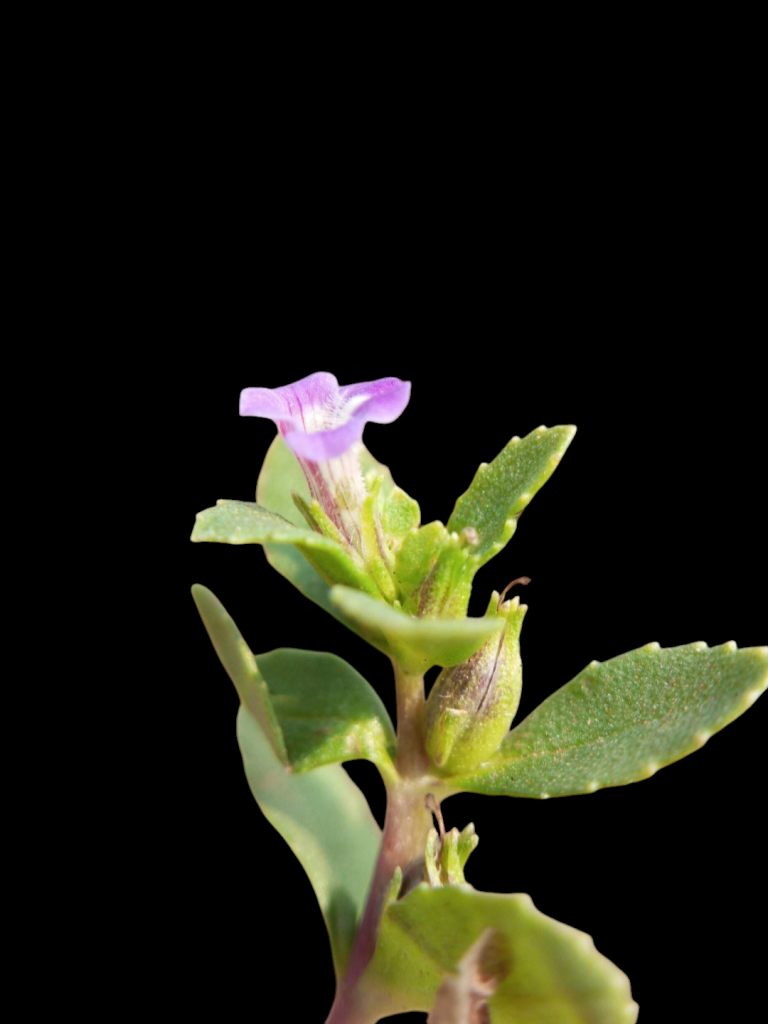
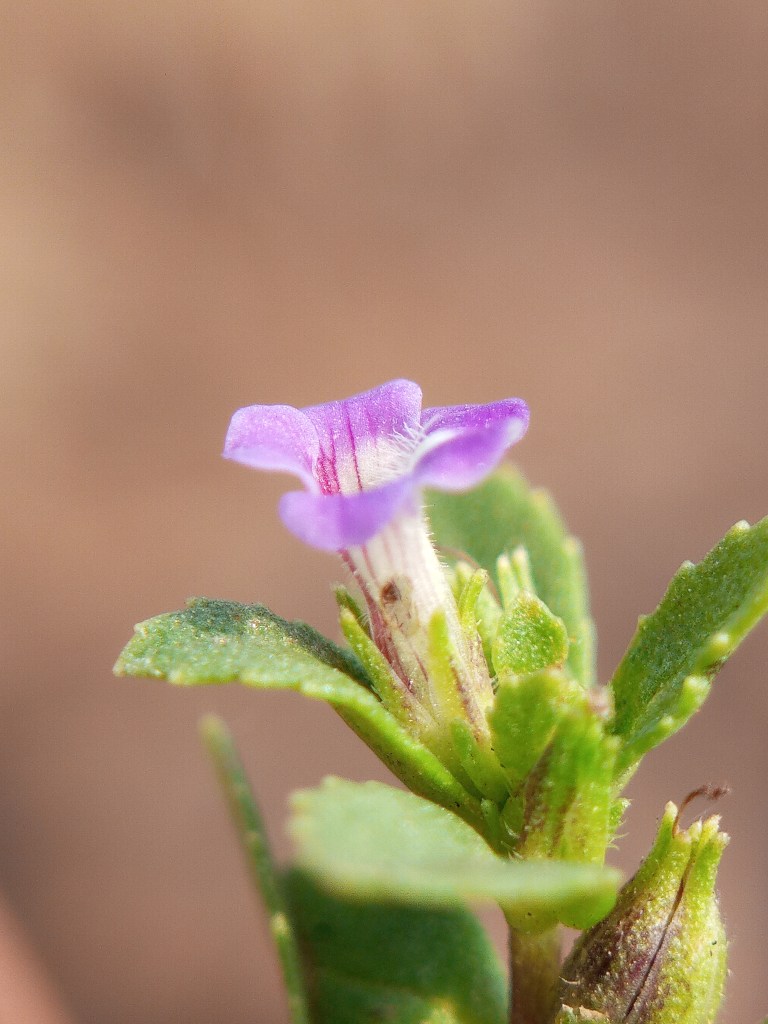
മാങ്ങനാറി

  • Scientific name : Limnophila repens
  • English name : creeping marshweed
  • Malayalam : മാങ്ങനാറി
  • Habit : Herb
  • Habitat : marshy places, rice fields

Description

വയലുകളിലും നനവാർന്ന പ്രദേശങ്ങളിലും  വളരുന്ന ചെറുസസ്യമാണ് മാങ്ങനാറി.ചെടിക്ക് മൊത്തത്തിൽ മാങ്ങയുടെ ഗന്ധമുള്ളതിനാലാണ് ഈ പേര് വന്നത്.മാംസളമായ തണ്ടിൽ ഇലകൾ സമുഖമായി കാണപ്പെടുന്നു. ഇലയുടെ അരികുകൾ ധന്ദുരമാണ്. പത്രകക്ഷങ്ങളിൽ നിന്നും പൂക്കൾ ഉണ്ടാവുന്നു. ബെൽ അകൃതിയുള്ള പൂക്കൾക്ക് പിങ്ക് നിറം. നാല് ഇതളുകൾ. ഇതളുകളുടെ ഉൾഭാഗത്ത് രോമങ്ങളും ചുവന്ന വരകളും കാണാം.നാല് കേസരങ്ങൾ.3-4 മില്ലിമീറ്റർ നീളമുള്ള, ദീർഘവൃത്താകൃതിയിലുള്ള കാപ്സ്യൂൾ.  വിത്തുകൾ കോണാകൃതിയിലുള്ളതും തവിട്ടുനിറവുമാണ്.

Taxonomy

  • Kingdom        : plantae
  • Division         : Trachiophites
  • Clade              : Angiosperms
  • Clade              : Eudicots
  • Clade              : Asterids
  • Order             : Lamiales
  • Family            : Plantaginaceae
  • Genus             : Limnophila
  • Species           : Limnophila repens

Range

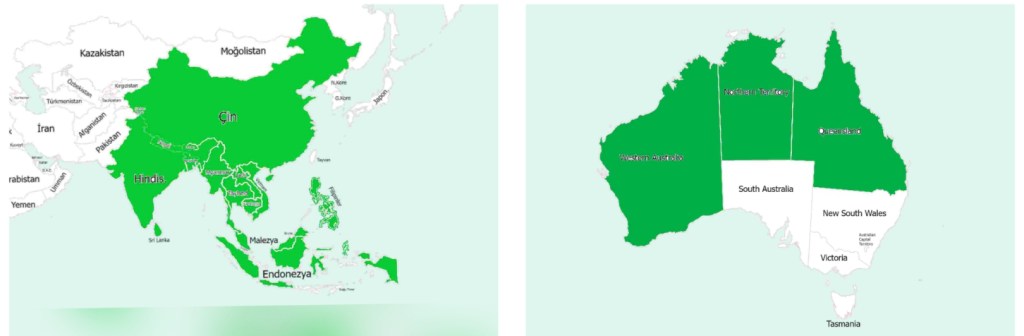
Native :                                                  Andaman Is., Assam, Bangladesh, Borneo, Cambodia, China Southeast, East Himalaya, Hainan, India, Jawa, Laos, Malaya, Myanmar, Nepal, New Guinea, New South Wales, Northern Territory, Philippines, Queensland, Sri Lanka, Sulawesi, Sumatera, Thailand, Vietnam, Western Australia

  • Status – Wild
  • Flowering – November-May
പാറമുള്ള്

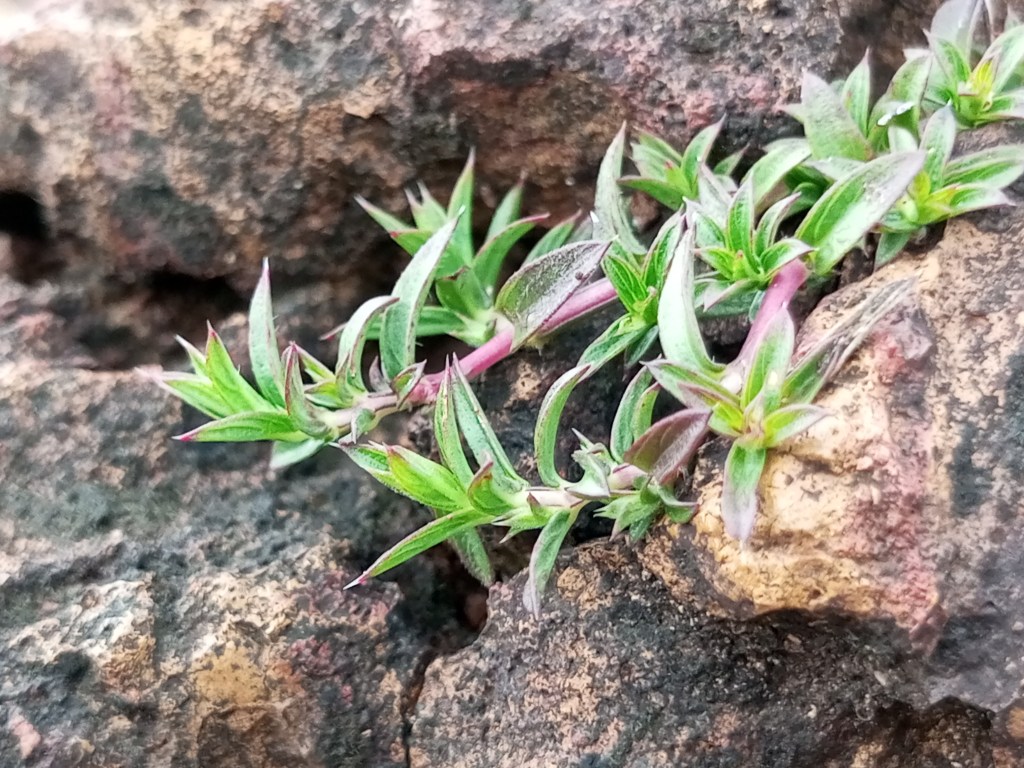
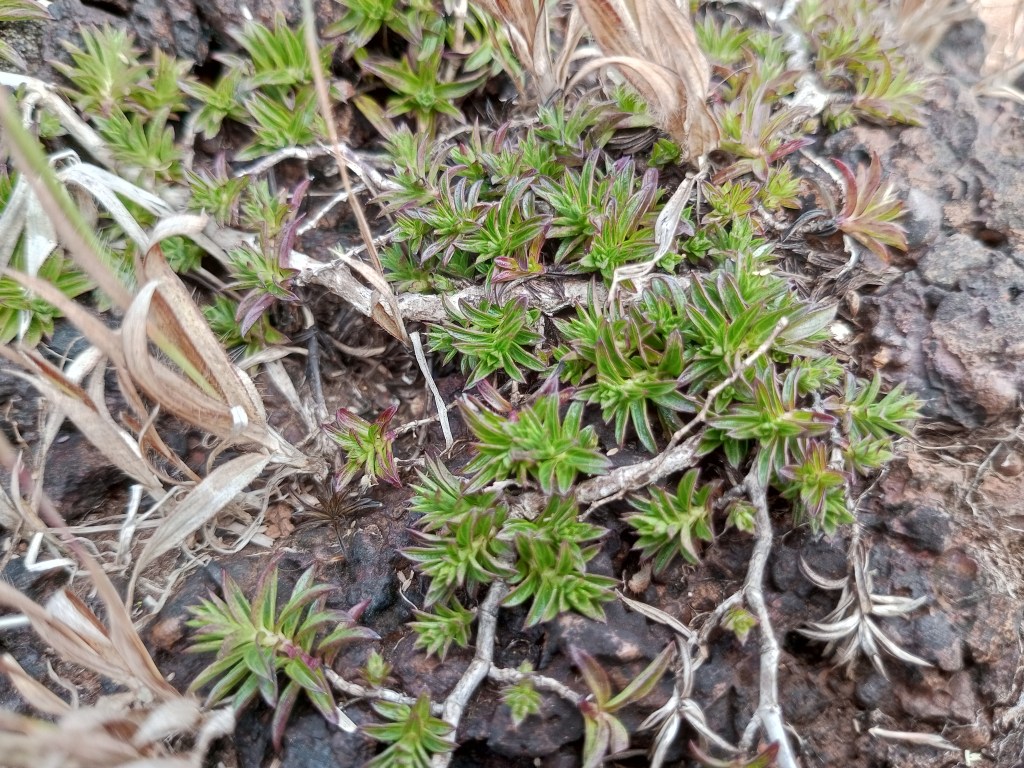
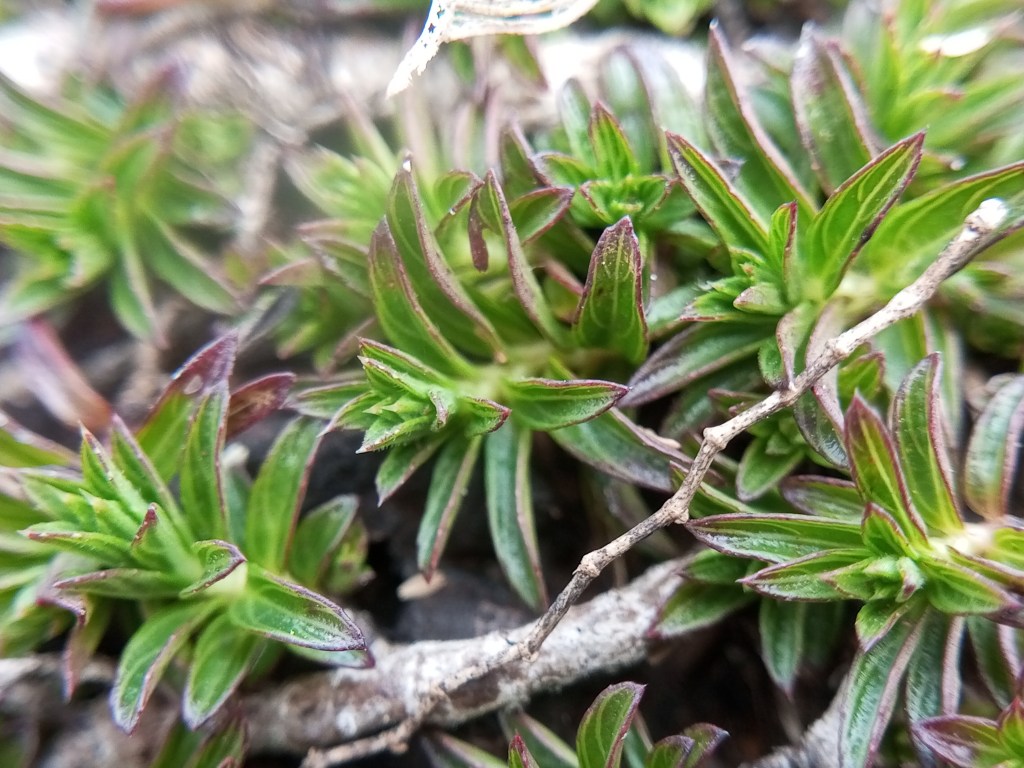
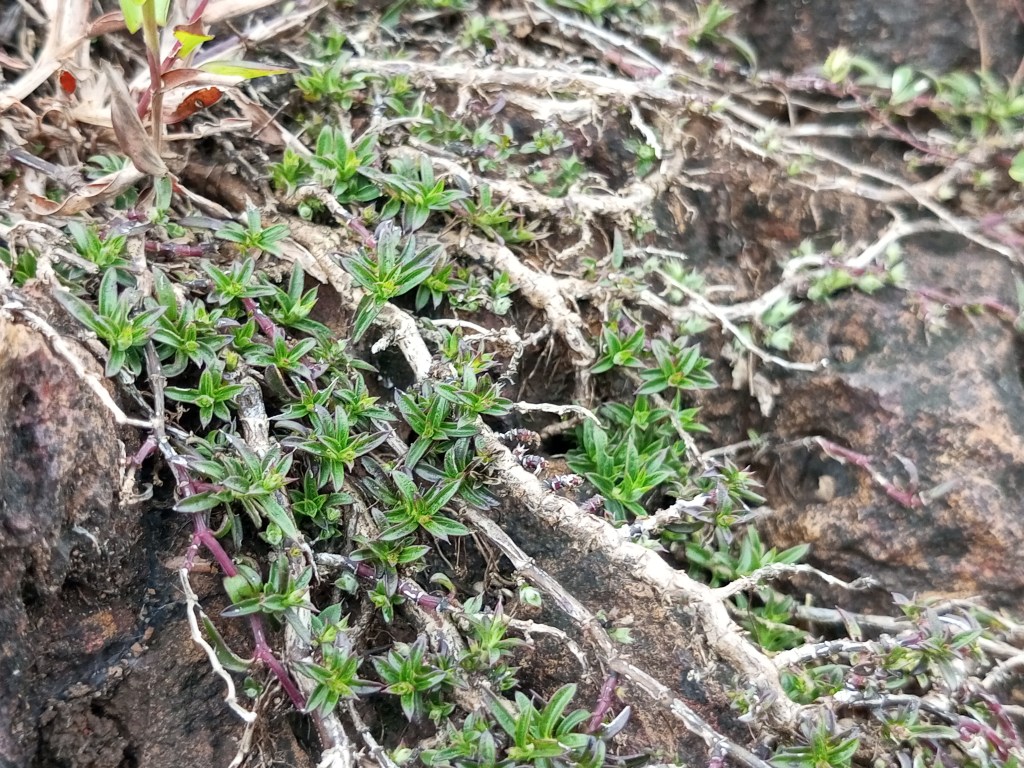
  • Scientific name : Lepidagathis keralensis
  • English name : Kerala Lepidagathis
  • Malayalam : പാറമുള്ള്,നൊങ്ങാനംപുല്ല്, വേനപ്പച്ച
  • Habit : Herb
  • Habitat : wet tropical biome.

Description

ഇന്ത്യയിൽ പ്രത്യകിച്ചും കേരളത്തിൽ ചെങ്കൽപാറകളിൽ കാണപ്പെടുന്ന നിലം പറ്റെ വളരുന്ന ചെറുസസ്യമാണ് പാറമുള്ള്. ഇത് വളരുന്നഇടങ്ങളിൽ കൂട്ടമായി വളരുന്നു.തീരെചെറിയ ഇലകൾ ഏകാന്തരമാണ്.ട്യൂബ് ആകൃതിയിലുള്ള പൂക്കൾക്ക് പിങ്ക് നിറം.നാല് കേസരങ്ങൾ.2 mm വലിപ്പമുള്ള ക്യാപ്സുൾ ആണ് ഫലം. പരന്ന രണ്ട് വിത്തുകൾ കാണപ്പെടുന്നു.ഡിസംബർ മുതൽ ഏപ്രിൽ വരെ യാണ് പൂക്കാലം. ഇത് ദക്ഷിണേന്ത്യയിൽ വിശേഷിച്ചു കേരളത്തിൽ കൂടുതലായും കാണപ്പെടുന്നു.

Taxonomy

  • Kingdom : plantae
  • Division : Trachiophites
  • Clade : Angiosperms
  • Clade : Eudicots
  • Order : Lamiales
  • Family : Acanthaceae
  • Genus : Lepidagathis
  • Species :Lepidagathis keralensis

Range

പാറമുള്ള് ഇന്ത്യയിലെ പ്രത്യേകിച് കേരളത്തിലെ തദ്ദേശീയസസ്യമാണ്.

  • Status – Wild
  • Flowering – December-April
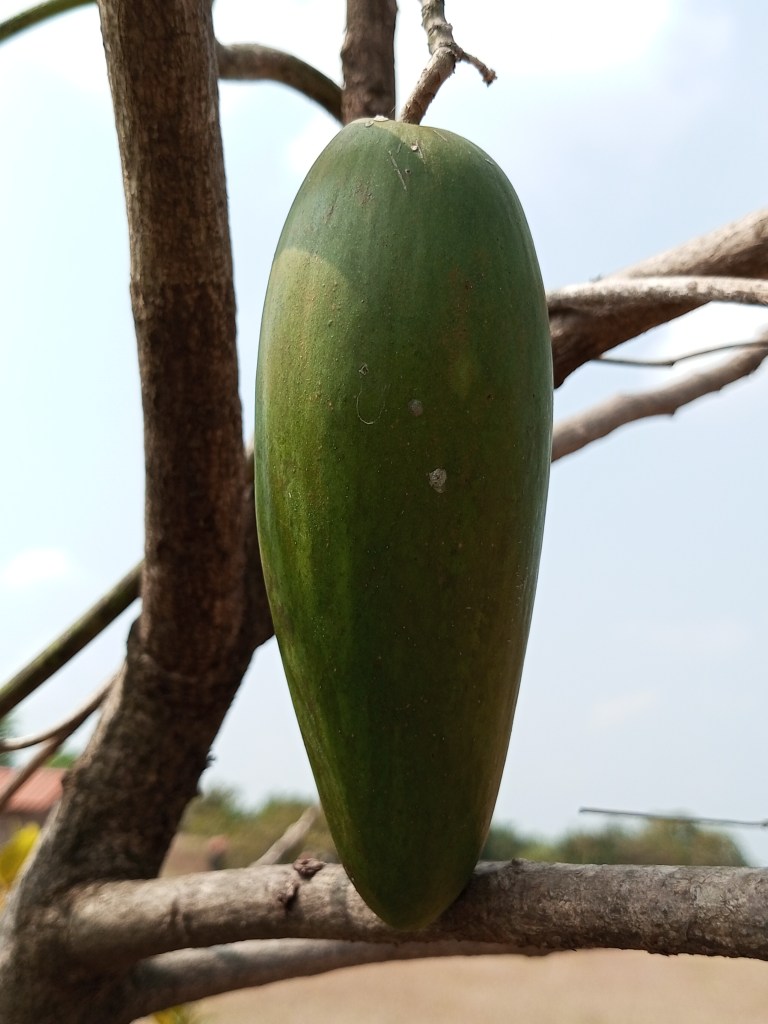
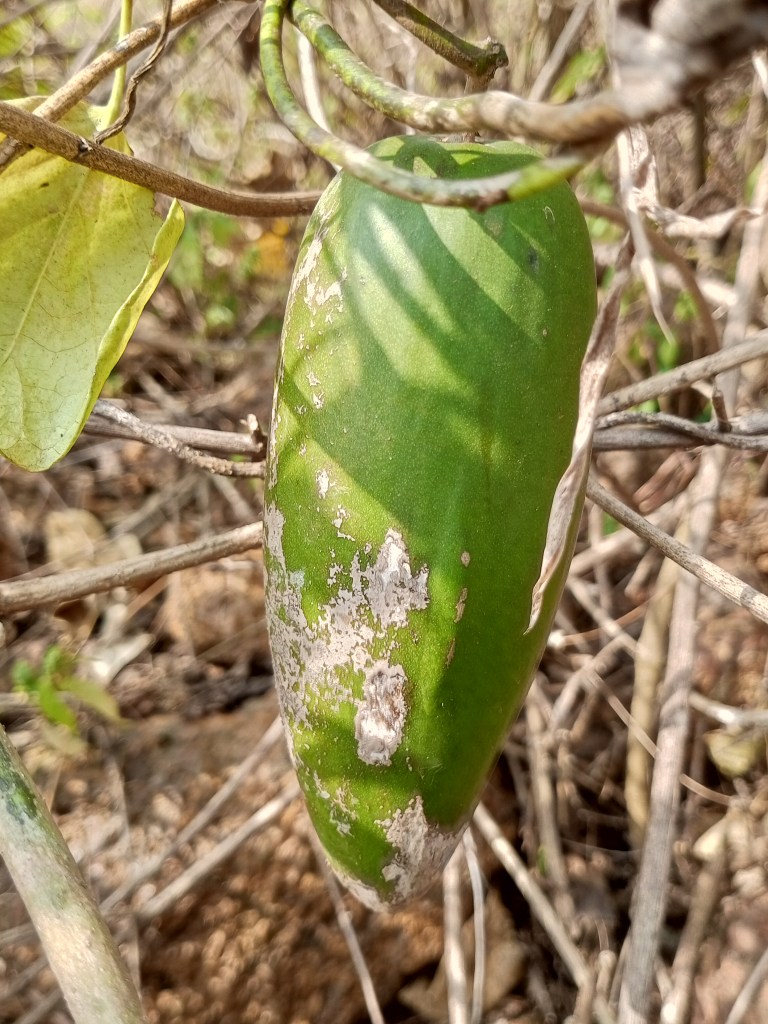
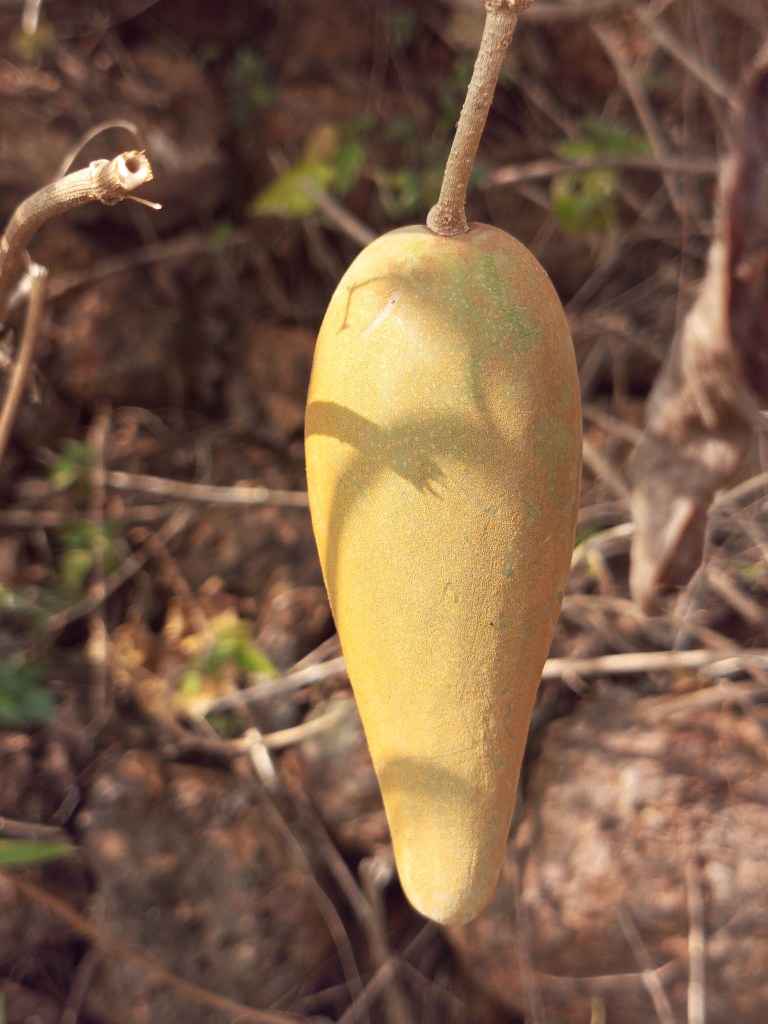
വട്ടക്കാക്കക്കൊടി

  • Scientific name : Asclepias volubilis
  • English name : Sneeze Wort, Cotton milk plant, Green milkweed climber, Green wax flower
  • Malayalam : വട്ടക്കാക്കക്കൊടി, വലിയ അപ്പൂപ്പൻതാടി
  • Habit : Climber
  • Habitat : In roadsides, sandy localities and thickets

Description

വള്ളിയായി മരങ്ങളിൽ പടർന്നു കയറുന്ന സസ്യമാണ് വട്ടക്കാക്കക്കൊടി.ദീർഘവൃത്താകാരമായ കട്ടിയുള്ള ഇലകൾ.സമുഖമായി കാണപ്പെടുന്നു.കുലകളായി ഉണ്ടാവുന്ന പൂക്കൾക്ക് അഞ്ച് ദളങ്ങളുണ്ട്. വലിപ്പമേറിയ കായ്കൾ. കായ് നിറയെ വിത്തുകൾ ഉണ്ടാവും. ചിറകുള്ള വിത്തുകൾ കാറ്റിൽ പറന്നാണ് വിതരണം.

Taxonomy

  • Kingdom            : plantae
  • Division             : Trachiophites
  • Clade                  : Angiosperms
  • Clade                  : Eudicots
  • Clade                  : Asterids
  • Order                 : Gentiannelas
  • Family               : Apocynaceae
  • Genus                : Asclepias
  • Species              : Asclepias volubilis

Range

  • Status – Wild
  • Flowering – April-September
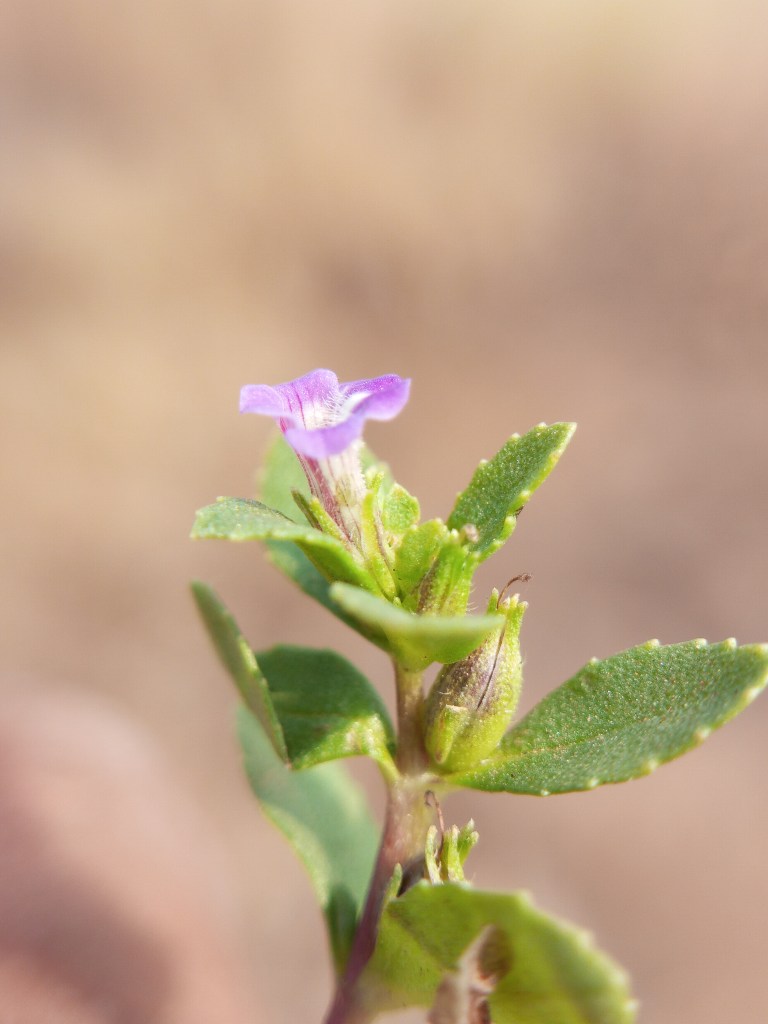
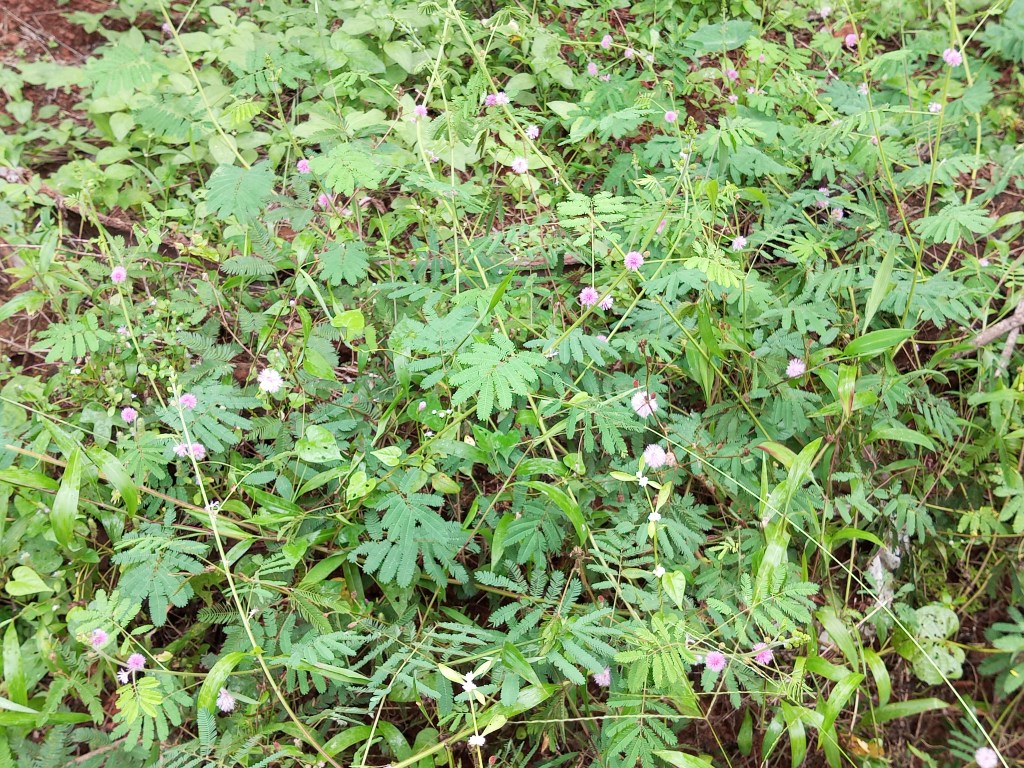
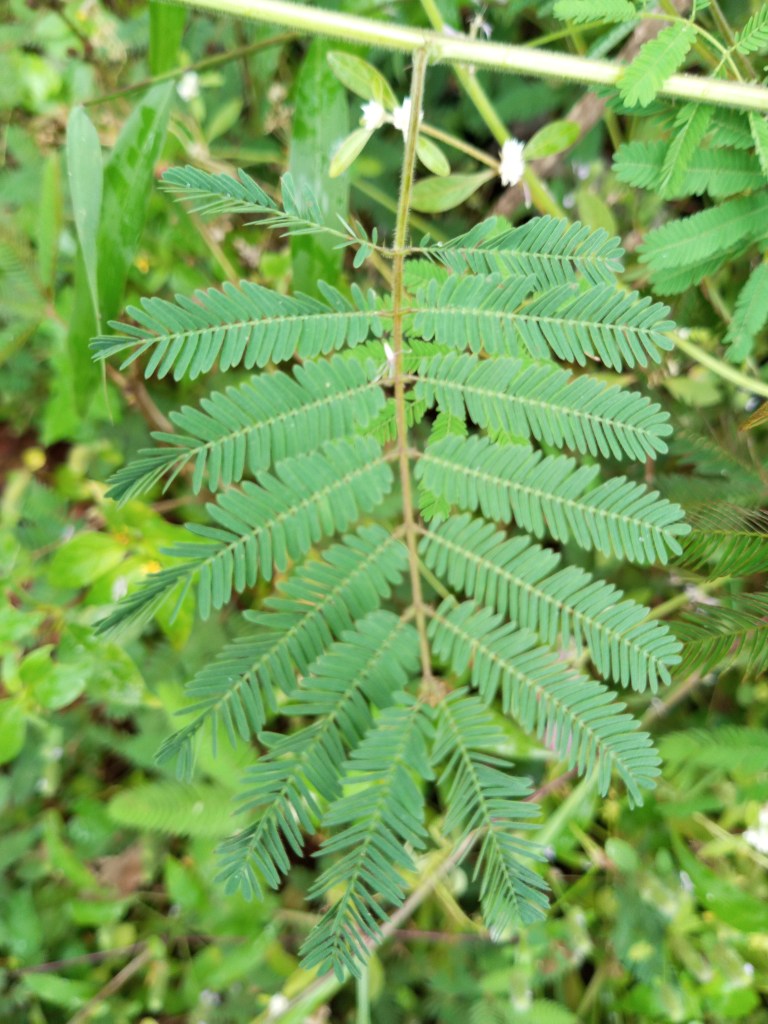
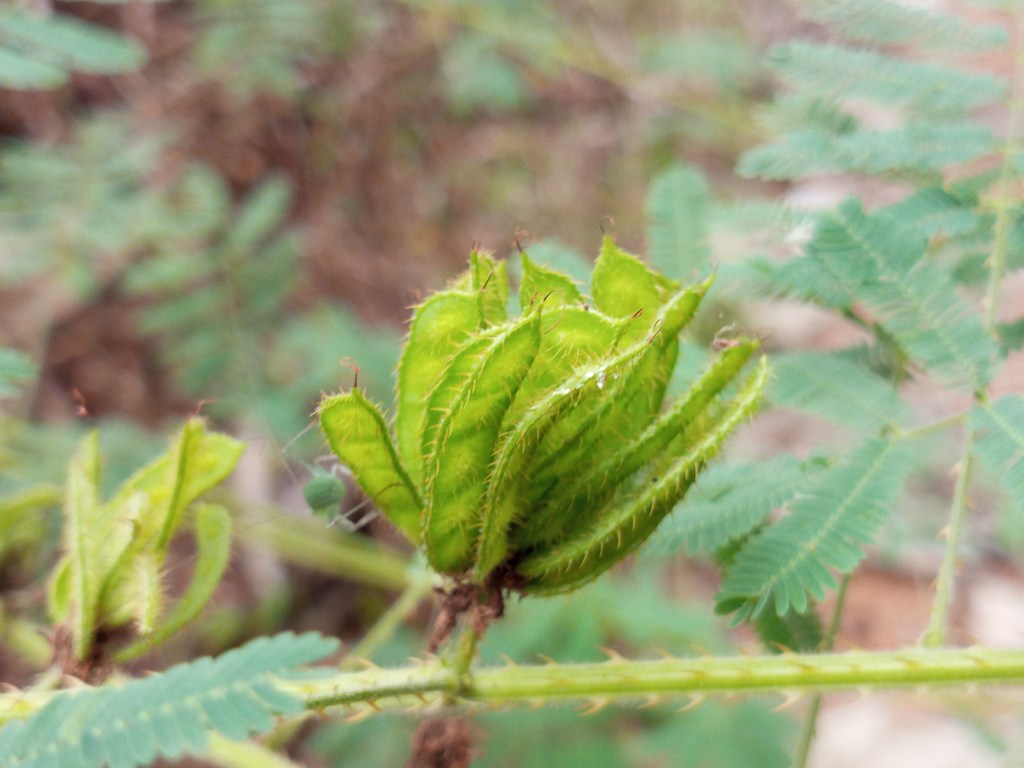
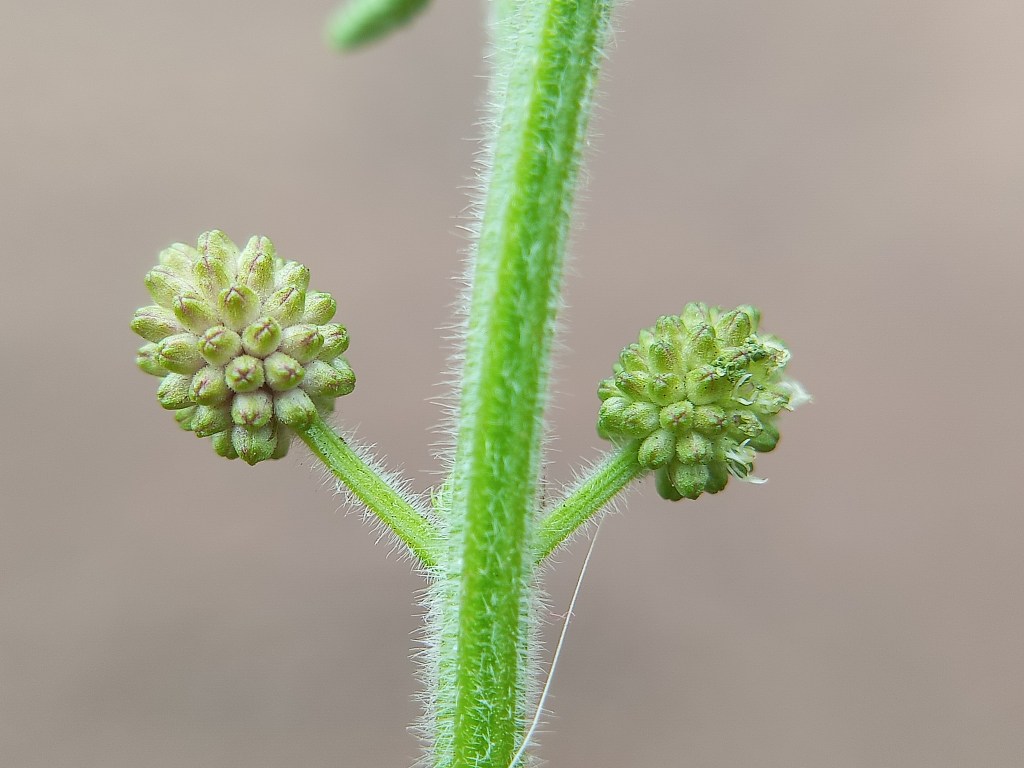
ആനത്തൊട്ടാവാടി

  • Scientific name : Mimosa diplotricha
  • English name : giant sensitive plant, giant false sensitive plant, nila grass.
  • Malayalam: ആനത്തൊട്ടാവാടി,പാണ്ടി തൊട്ടാവാടി.
  • Habit : runner
  • Habitat : dry tropical biome

Description

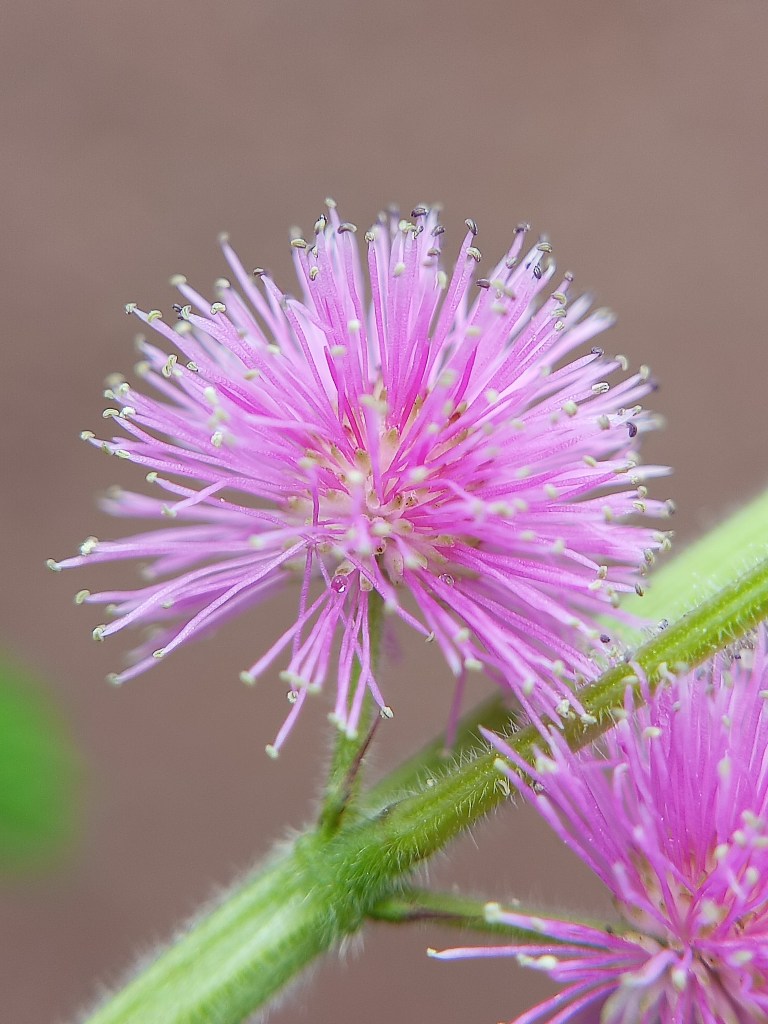
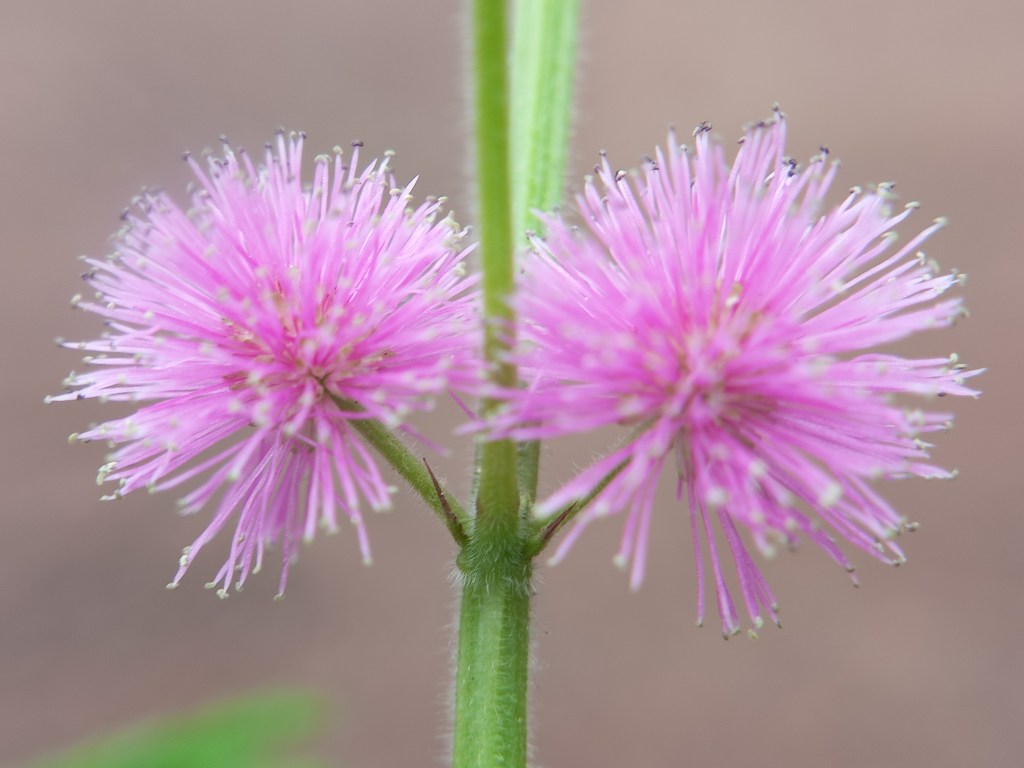
അമേരിക്കൻ സ്വദേശിയായ ഈ സസ്യം ഇന്ന് ലോകമെങ്ങുമുള്ള ഉഷ്ണമേഖലാ പ്രദേശങ്ങളിൽ ഒരു കളയായി വളരുന്നു.നിലത്ത് പടർന്നു വളരുന്ന സസ്യമാണെങ്കിലും അഗ്രം രണ്ടുമീറ്റർ വരെ ഉയരത്തിൽ വളരും.കഴിച്ചാൽ മാരകമായ വിഷബാധയുണ്ടാക്കുന്നു ആനത്തൊട്ടാവാടിയുടെ ഇളം ചെടികളിൽ കൂടുതലായി കണ്ടുവരുന്ന മൈമോസിൽ എന്ന വിഷാംശമാണ് വിഷബാധകൾക്ക് കാരണം. നാഷണൽ പാർക്കുകളിലും വന്യജീവ സങ്കേതങ്ങളിലും സ്വാഭാവിക വനമേഖലകളിലും വളർന്ന് പരക്കുന്ന സസ്യം, പ്രാദേശിക സസ്യയിനങ്ങൾക്കും ജൈവവൈവിധ്യത്തിനും കടുത്ത ഭീഷണിയാണ് സൃഷ്ടിക്കുന്നത്.തൊട്ടാവാടിയോട് സാദൃശ്യമുള്ള ഇലകളും പൂക്കളും.

Taxonomy

  • Kingdom : plantae
  • Division : Trachiophites
  • Clade : Angiosperms
  • Clade : Eudicots
  • Clade :Rosids
  • Order : Fabales
  • Family : Fabaceae
  • Genus : Mimosa
  • Species : Mimosa diplotricha

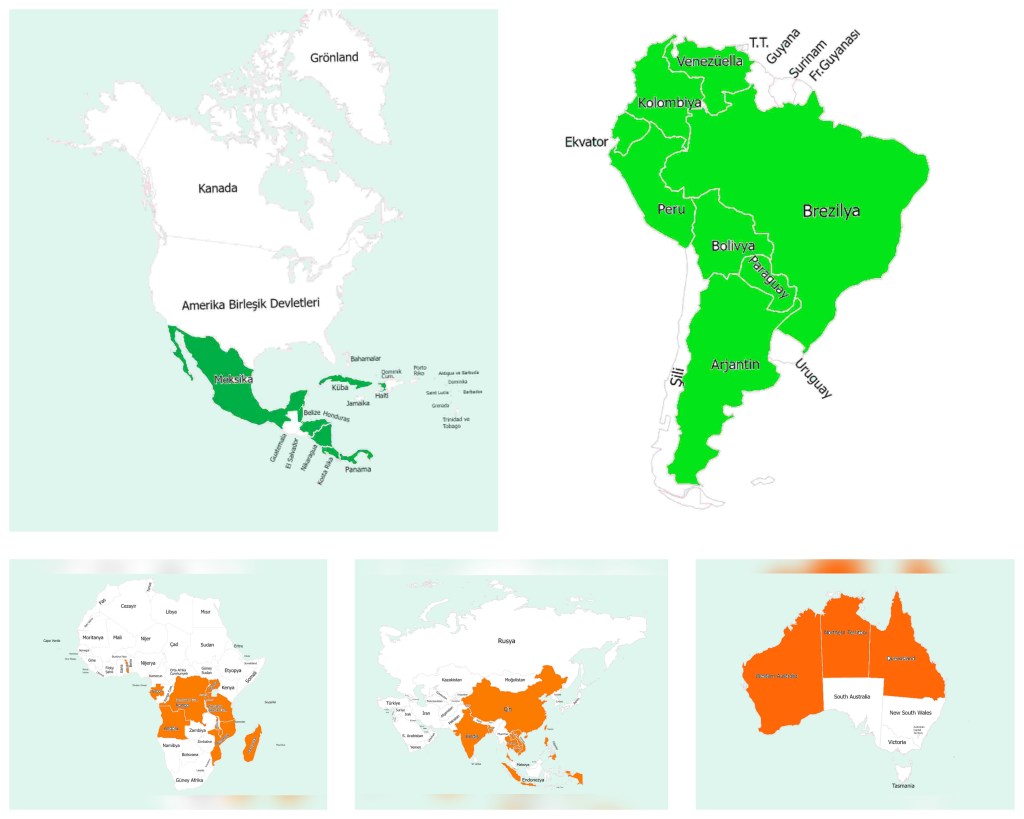
Range

Native :

Argentina Northeast, Bolivia, Brazil North, Brazil Northeast, Brazil South, Brazil Southeast, Brazil West-Central, Colombia, Costa Rica, Cuba, Ecuador, Haiti, Honduras, Jamaica, Mexico Central, Mexico Gulf, Mexico Northeast, Mexico Northwest, Mexico Southeast, Mexico Southwest, Nicaragua, Panamá, Paraguay, Peru, Puerto Rico, Trinidad-Tobago, Venezuela

Introduced into:
Angola, Bangladesh, Burundi, Cambodia, Caroline Is., China South-Central, China Southeast, Comoros, Cook Is., Ethiopia, Fiji, Gabon, Hainan, Hawaii, India, Jawa, Laos, Lesser Sunda Is., Madagascar, Malawi, Mozambique, New Caledonia, New Guinea, Northern Territory, Philippines, Queensland, Rwanda, Réunion, Solomon Is., South China Sea, Sri Lanka, Sumatera, Taiwan, Tanzania, Thailand, Togo, Uganda, Vietnam, Western Australia, Zaïre

  • Status – Wild
  • Flowering – November-March