Scientific name : Croton caudatus
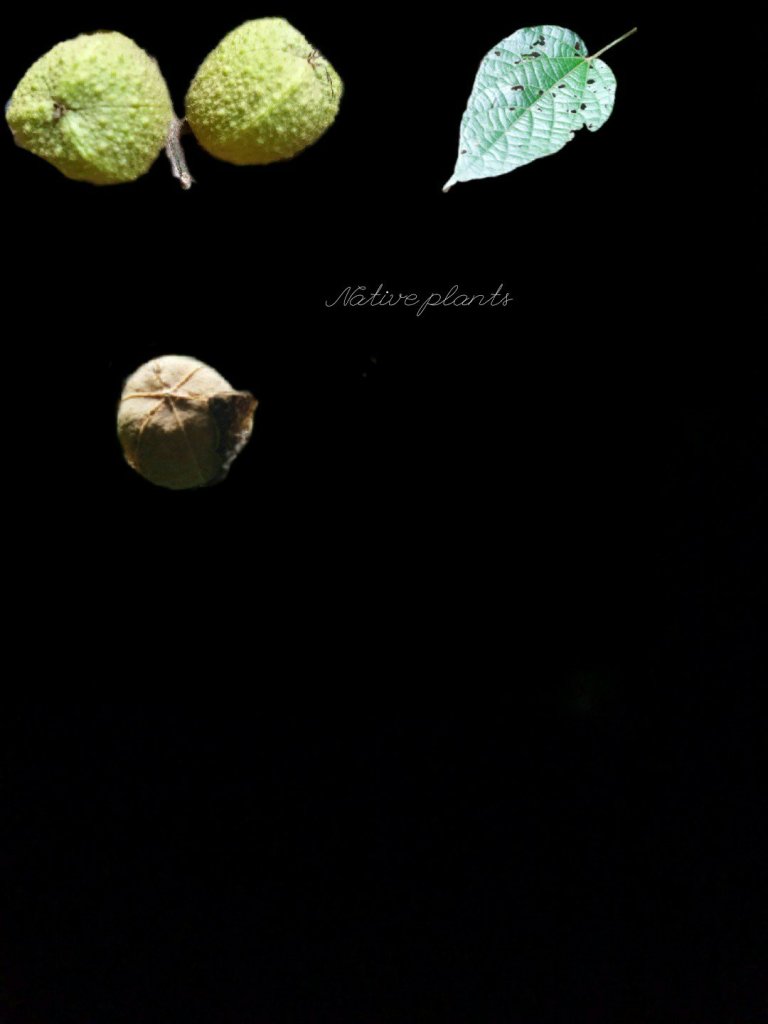
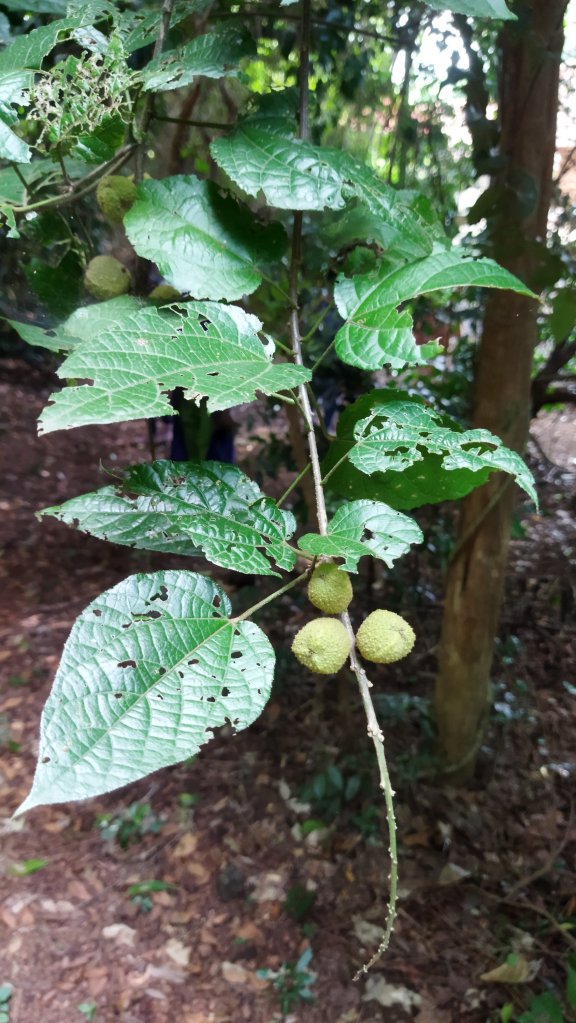
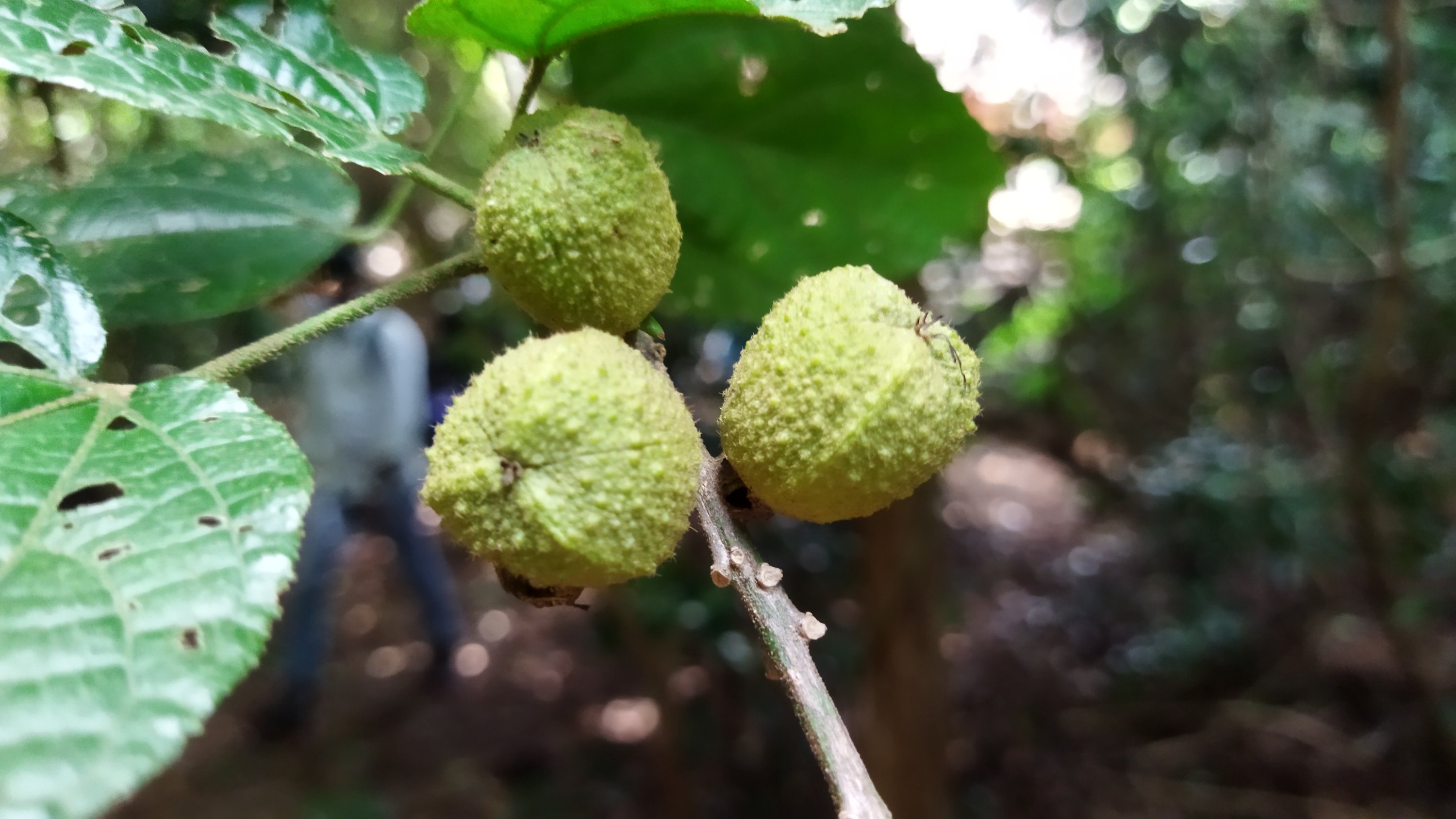
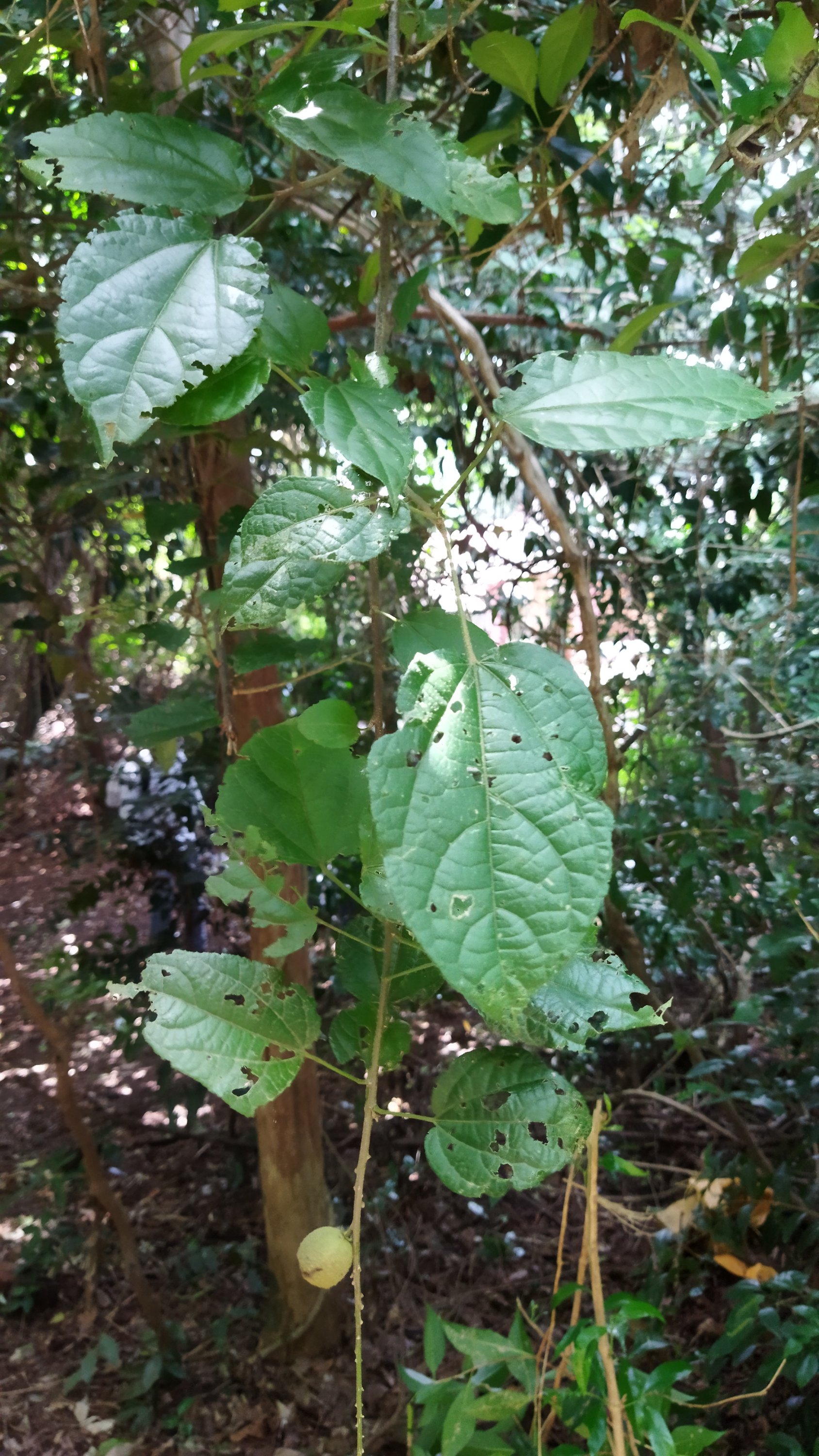
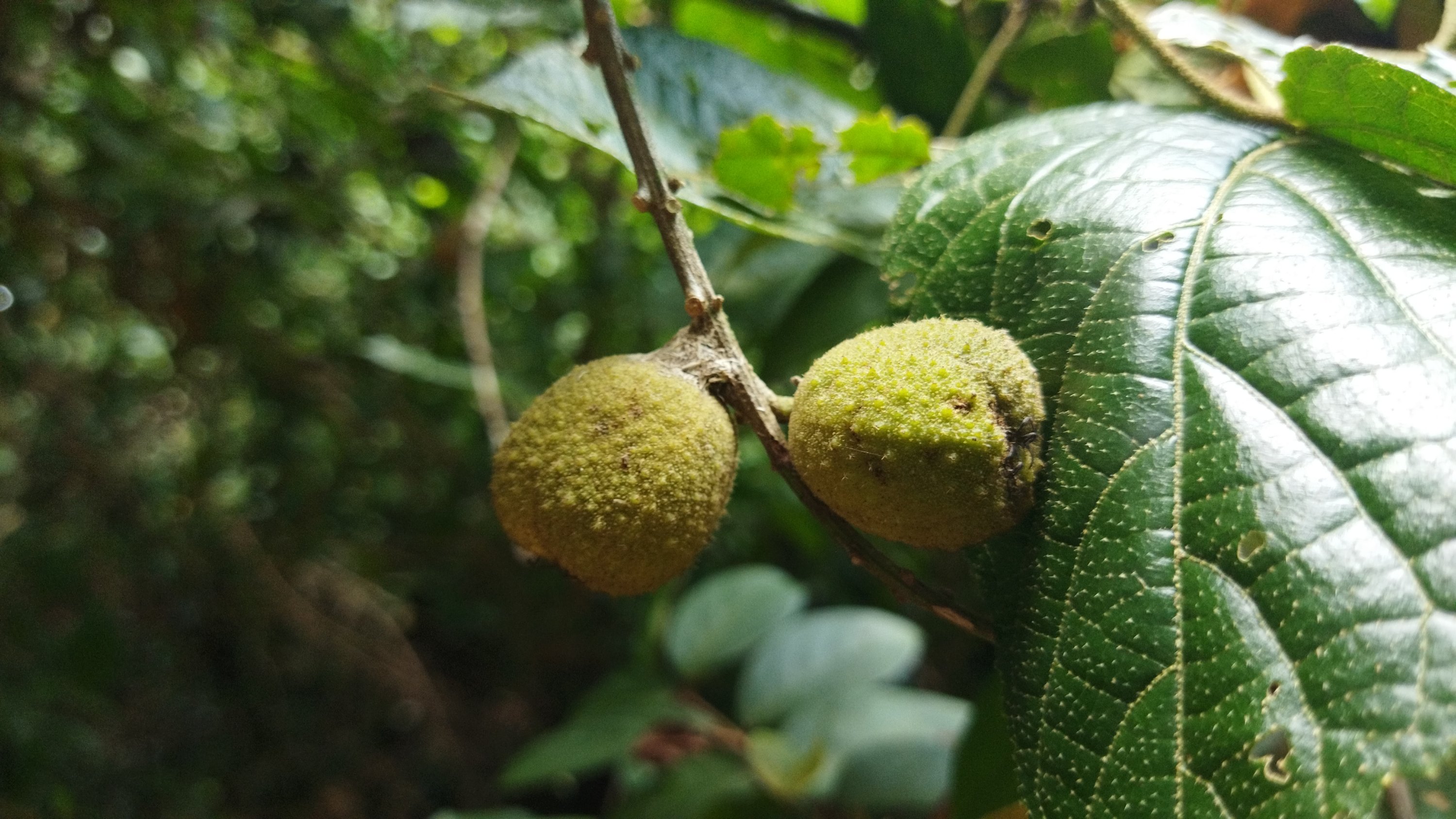
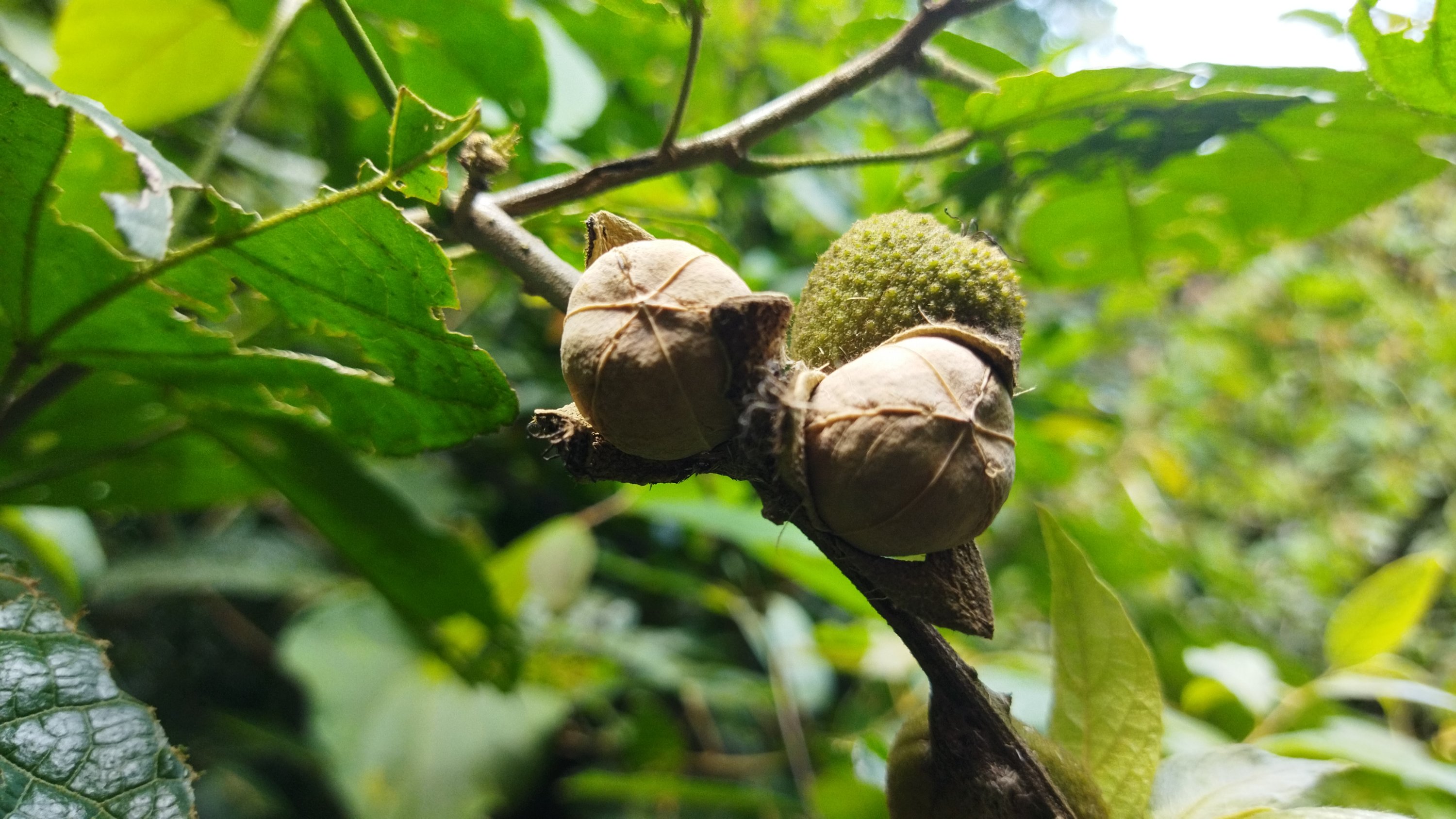
Scientific name : Croton caudatus
ചെങ്കൽപാറ പ്രദേശങ്ങളിൽ കാണപ്പെടുന്ന ഒരു ചെറുസസ്യമാണ് ഗോരോചനചെടി. വേരുകൾ ഓറഞ്ച്-മഞ്ഞ. ഇലകൾ വിപരീതമാണ്. 1-2 x 0.5-0.8 സെ.മീ, ദീർഘവൃത്താകൃതി. അടിഭാഗം വൃത്താകൃതിയിലാണ്, അഗ്രം ചരിഞ്ഞതോ നിശിതമോ, ഇരുവശത്തും രോമമുള്ളതുമാണ്.കക്ഷീയ, ഒറ്റപ്പെട്ട പൂക്കളാണ്; ബ്രാക്റ്റിയോളുകൾ 2. 5-10 മില്ലിമീറ്റർ നീളമുള്ളത്.ഒരു വശത്ത് പിളർന്ന്, അഗ്രഭാഗത്ത് മങ്ങിയ 3-5-ലോബുകൾ. കൊറോള റോസ് നിറമോ വെള്ളയോ ആണ്, ട്യൂബ് നീളമുള്ളതും, വളഞ്ഞതും, മുകളിൽ വികസിച്ചതും, ലോബുകൾ 5. കേസരങ്ങൾ 4. ആന്തറുകൾ തിരശ്ചീനമാണ്. ഗോളാകൃതിയിലുള്ള അണ്ഡാശയം. കാപ്സ്യൂൾ 4-7 x 3 -5 മി.മീ., അണ്ഡാകാരത്തിലുള്ള, സ്ഥിരമായ കാലിക്സ് ലോബുകളാൽ പൊതിഞ്ഞ, കടും തവിട്ട്. വിത്തുകൾ 1 മില്ലീമീറ്റർ നീളവും, വൃത്താകൃതിയിലുള്ളതുമാണ്.
Range
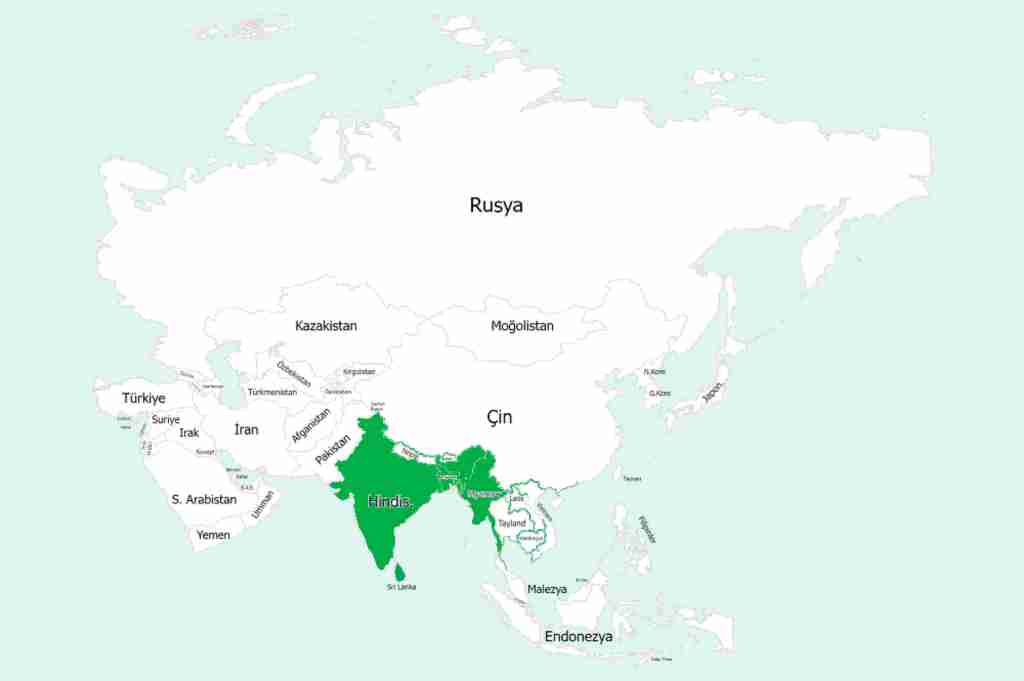
Andaman Is., Bangladesh, India, Myanmar, Sri Lanka

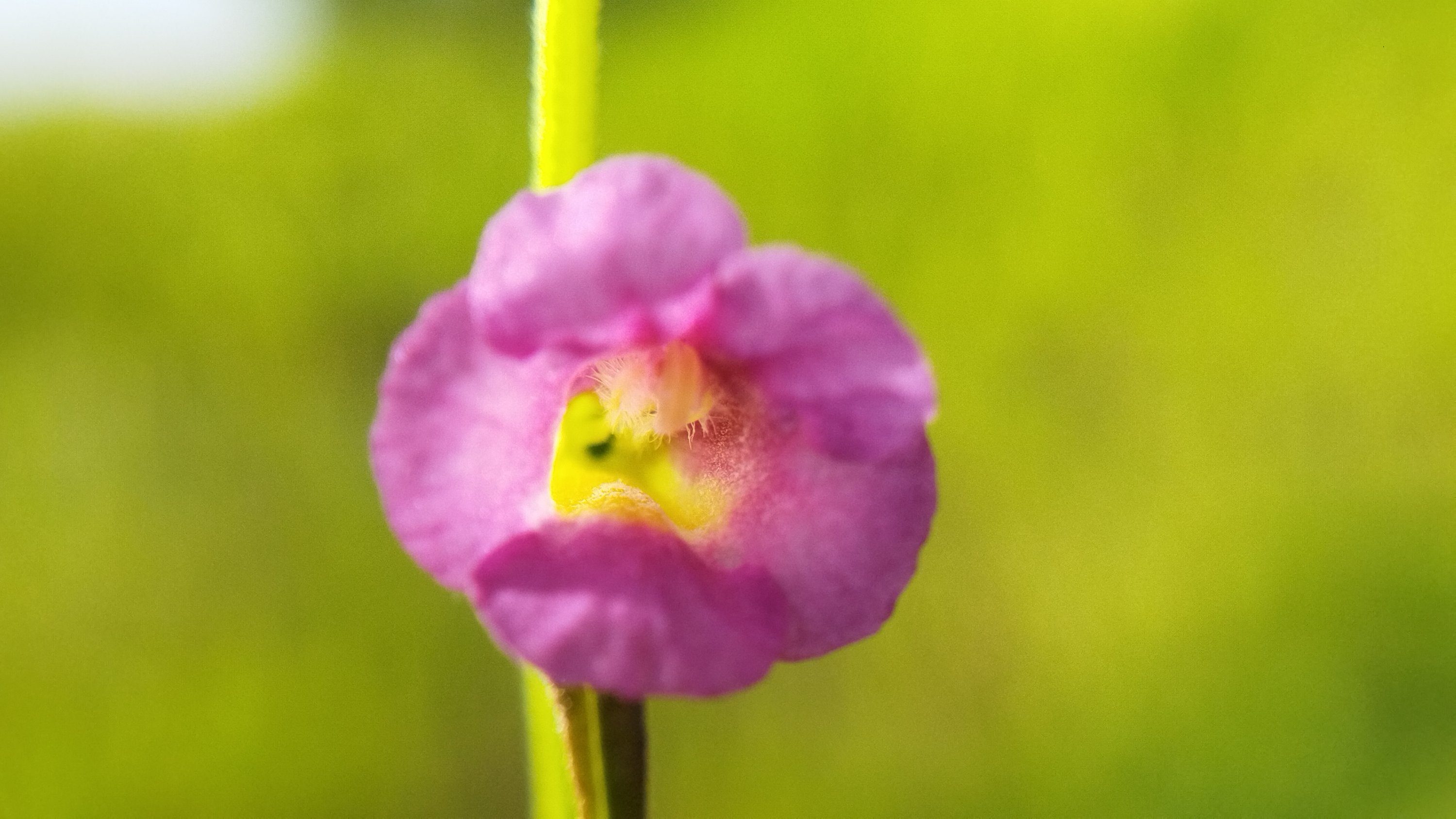
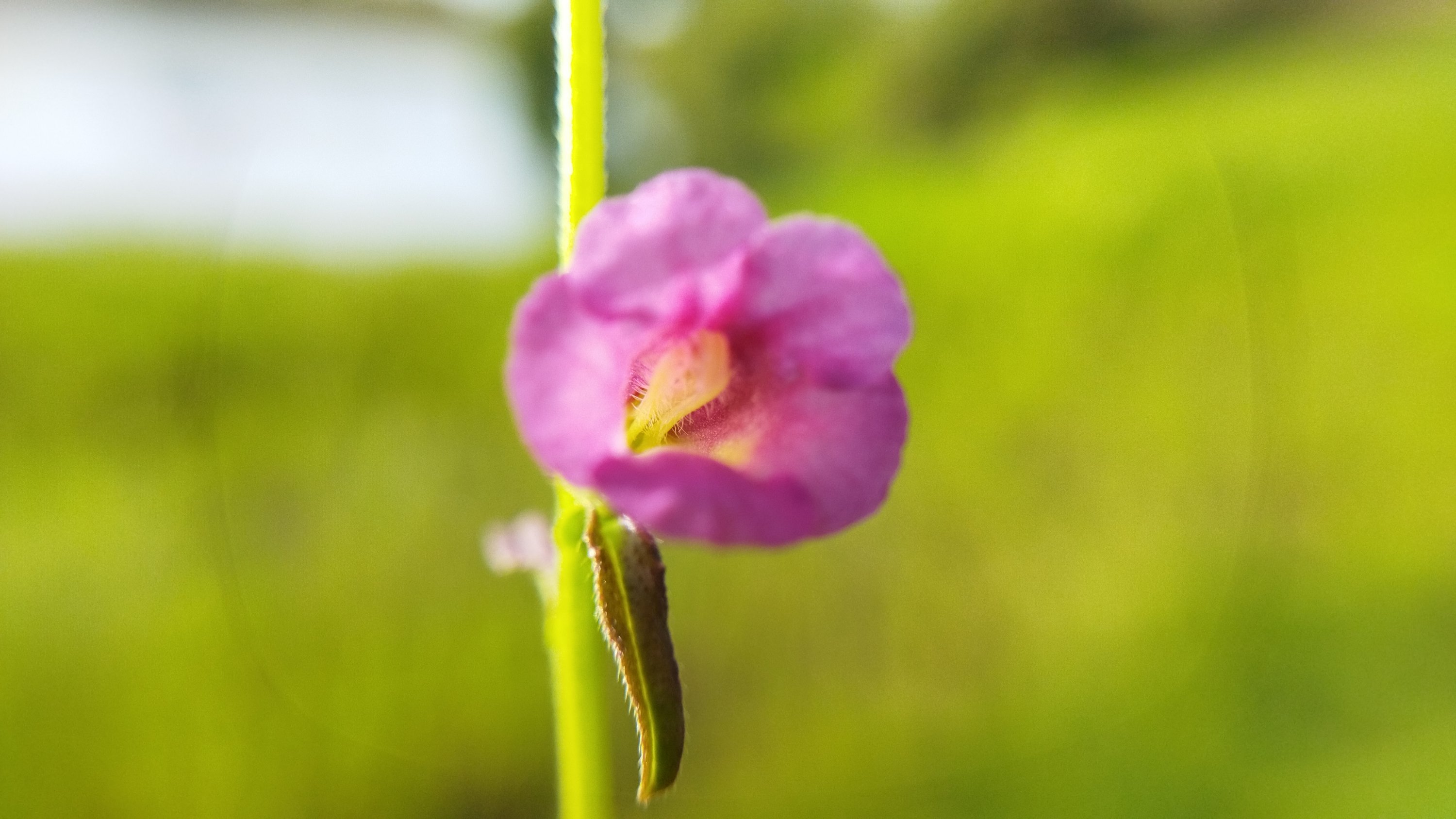
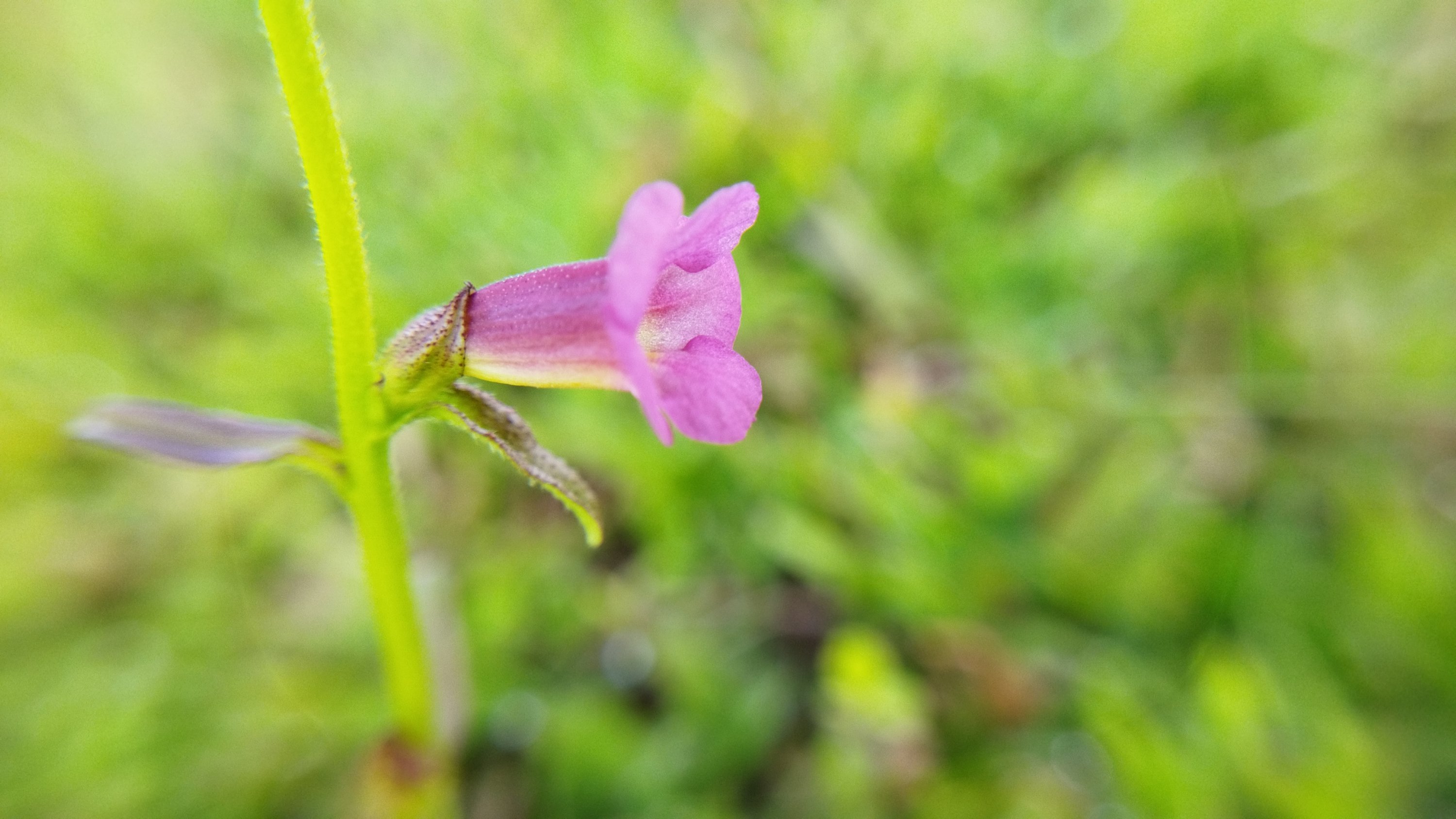
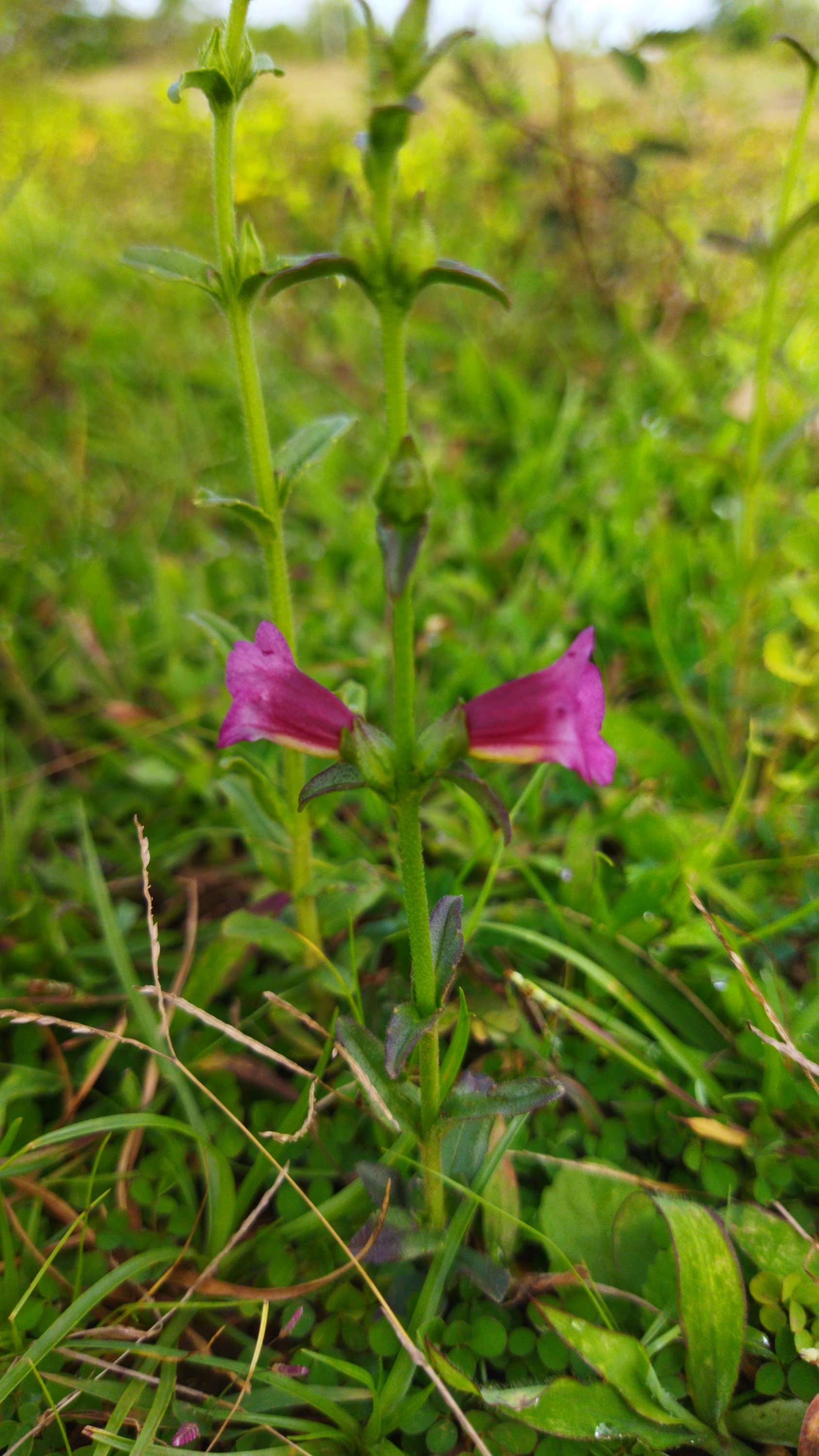

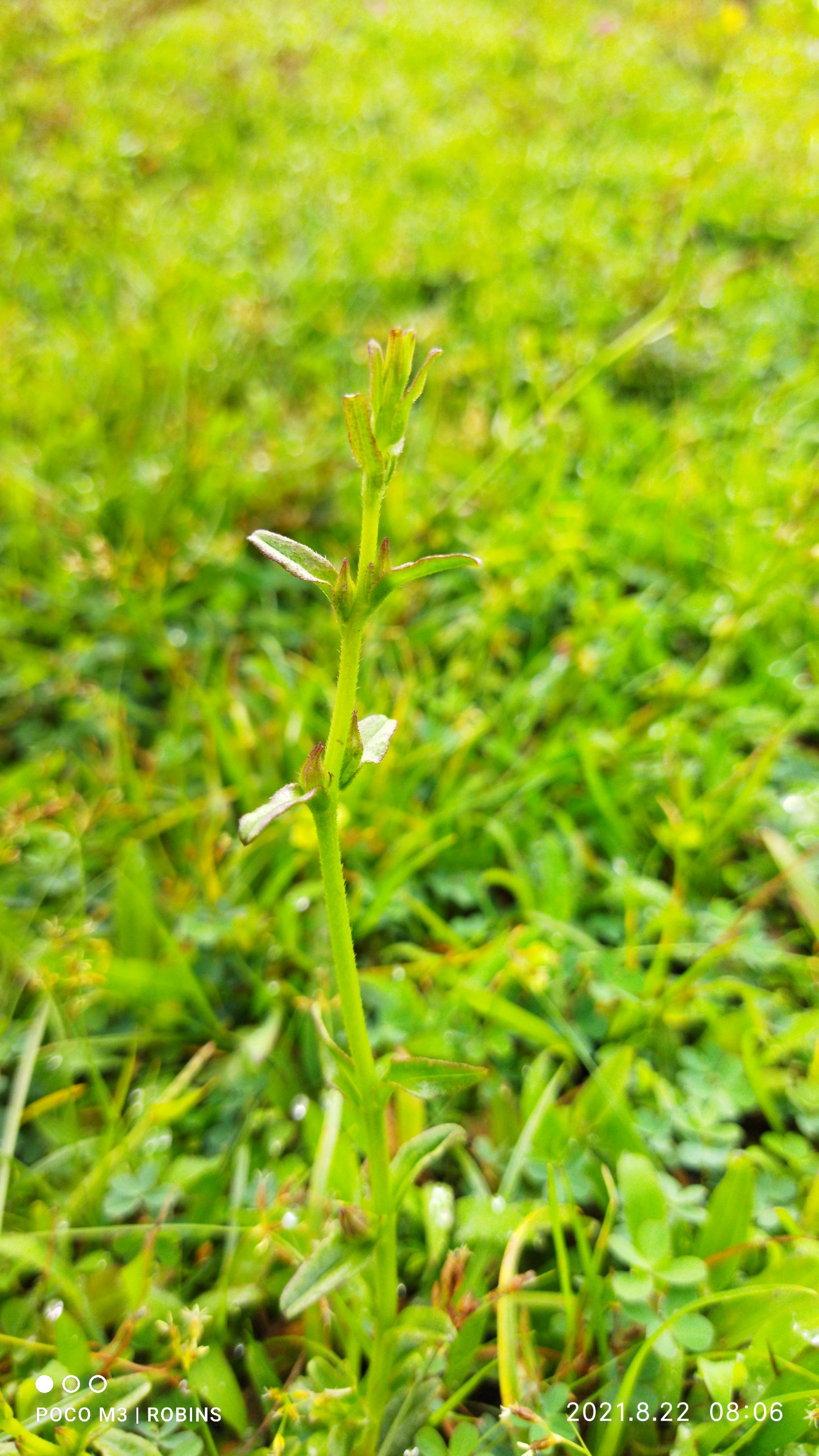
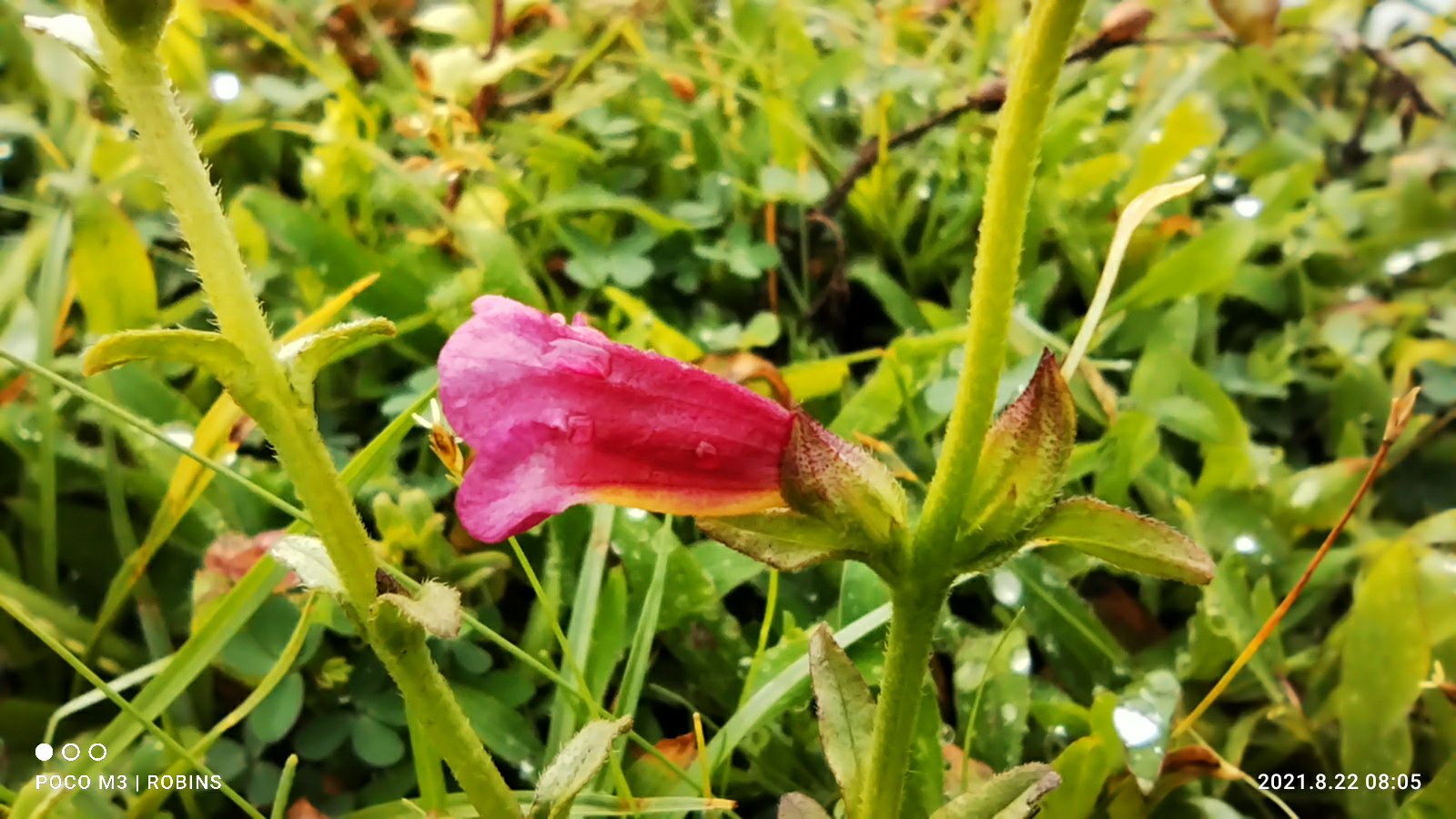
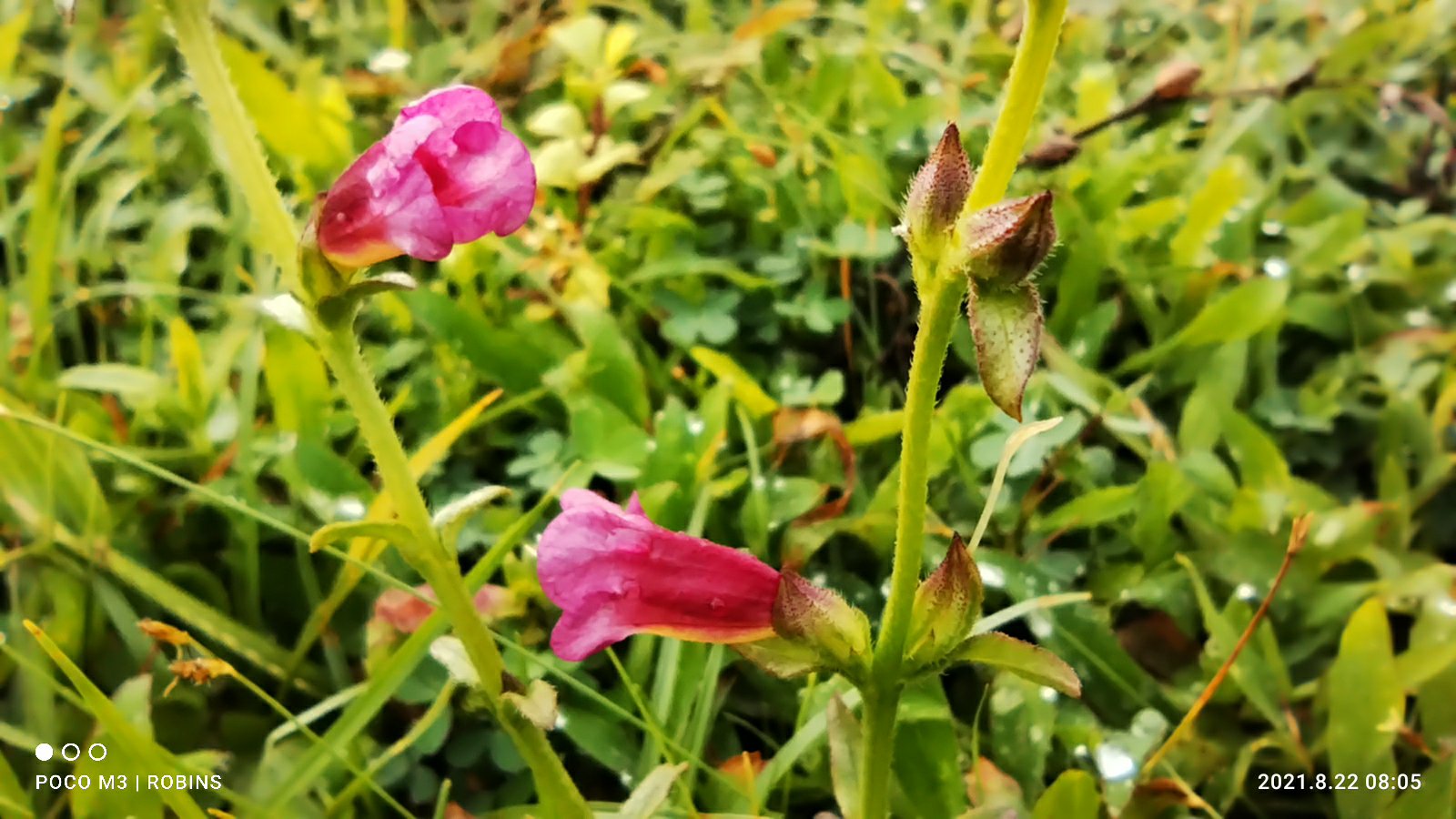
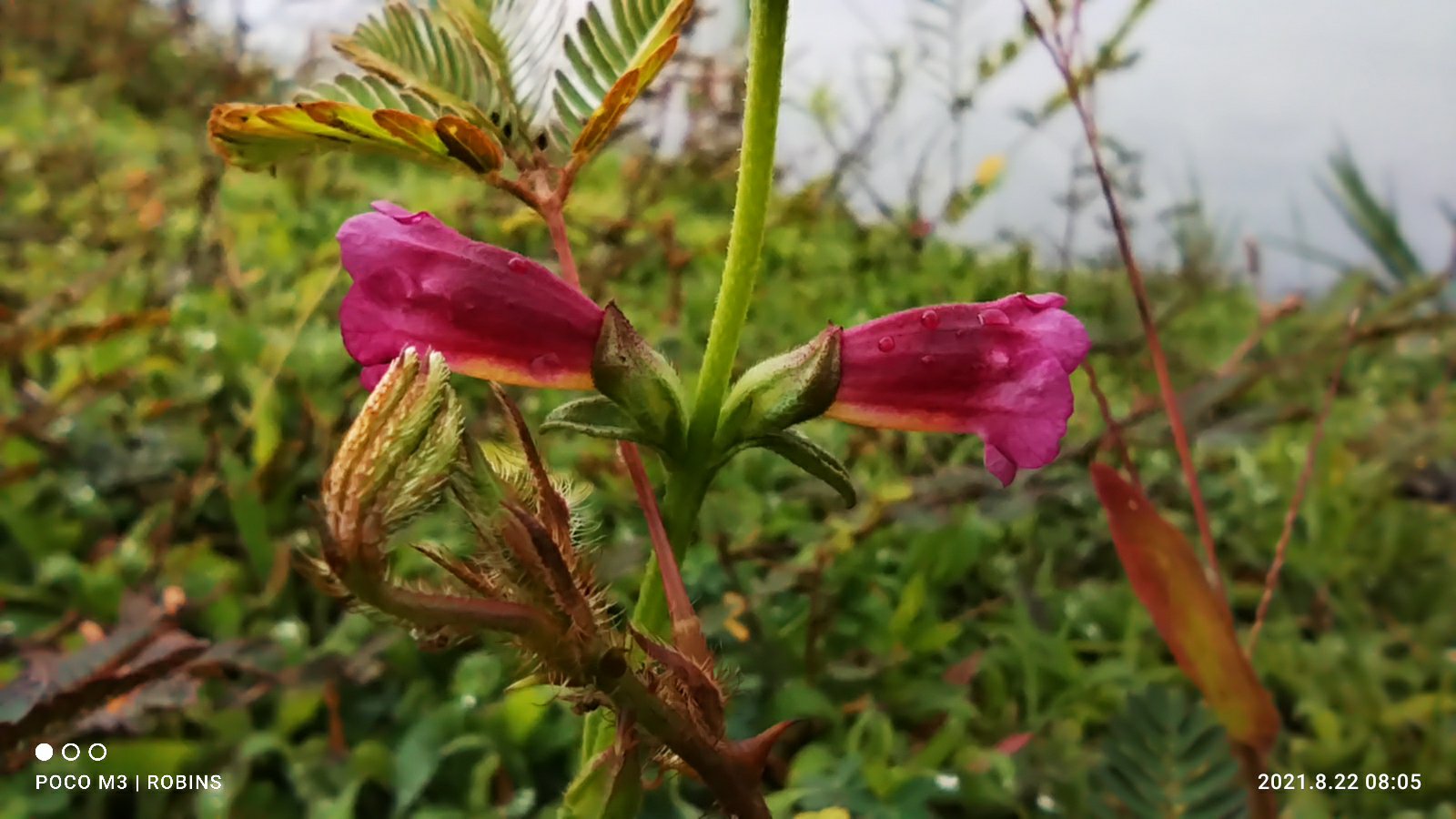
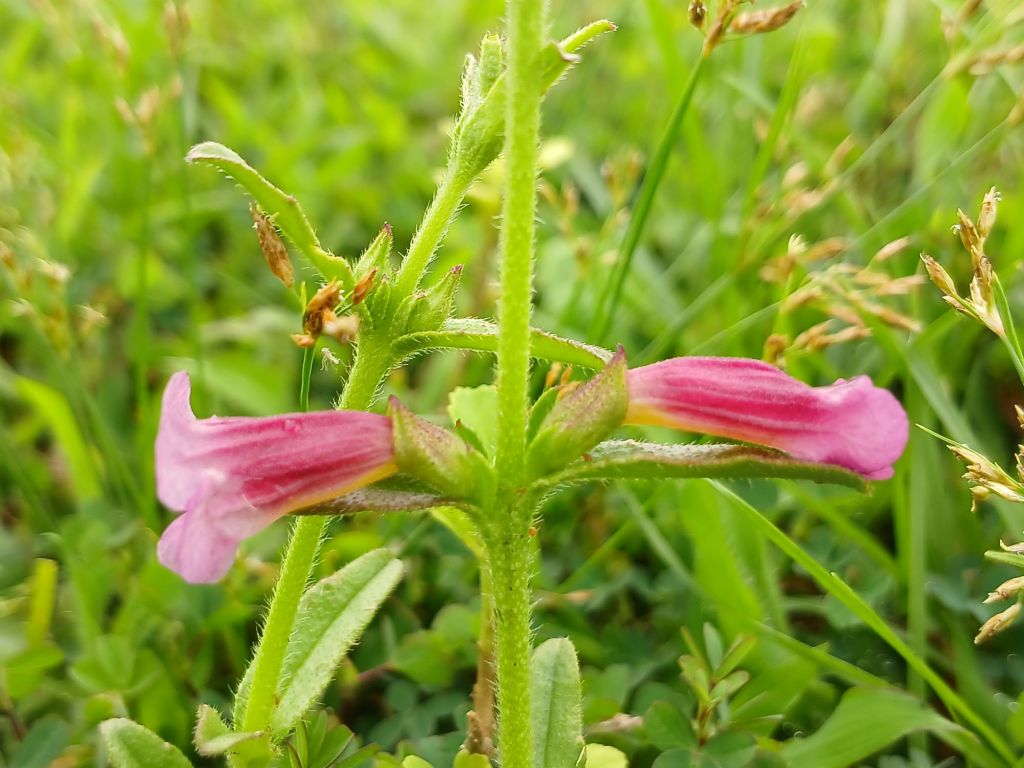
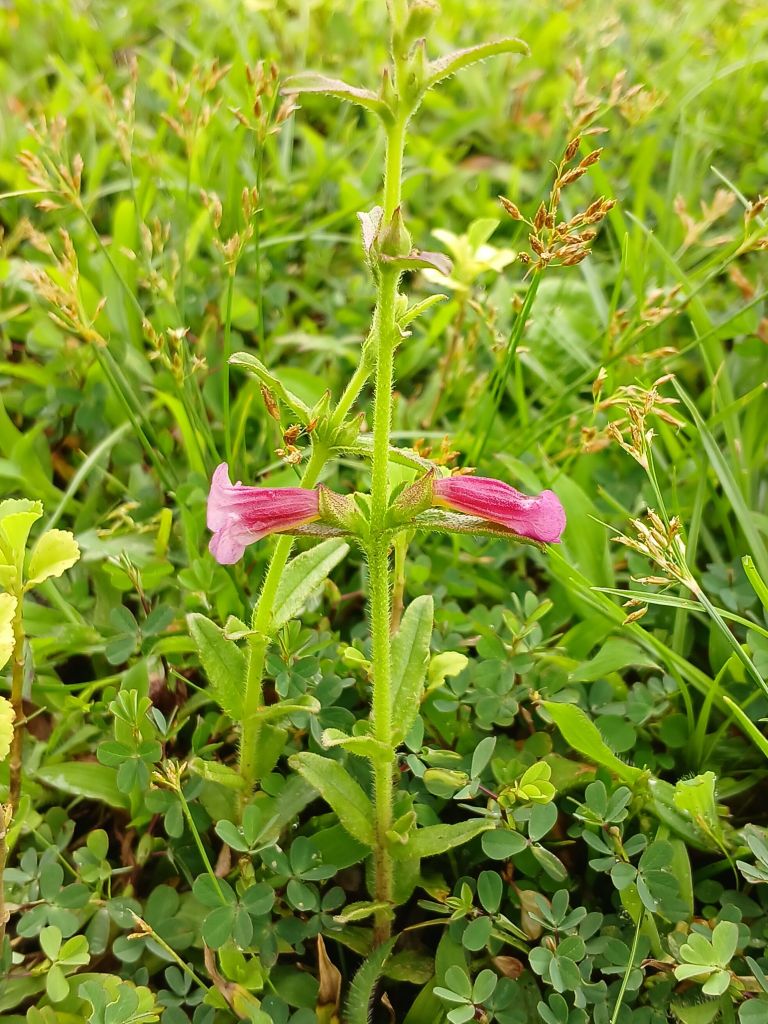
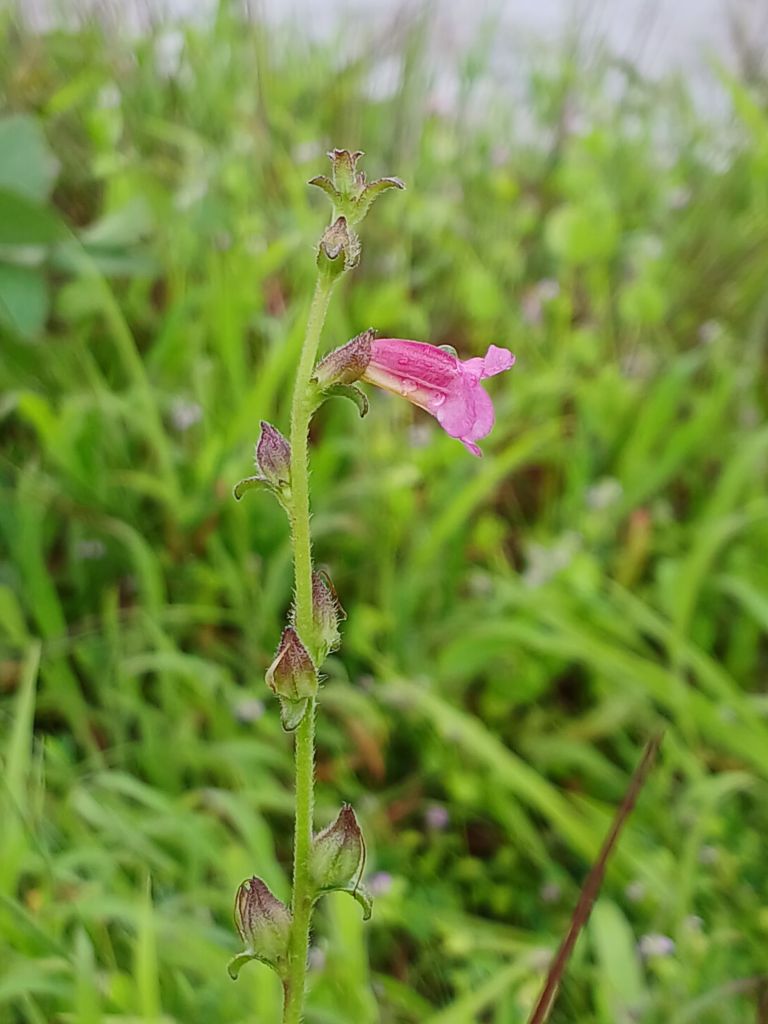
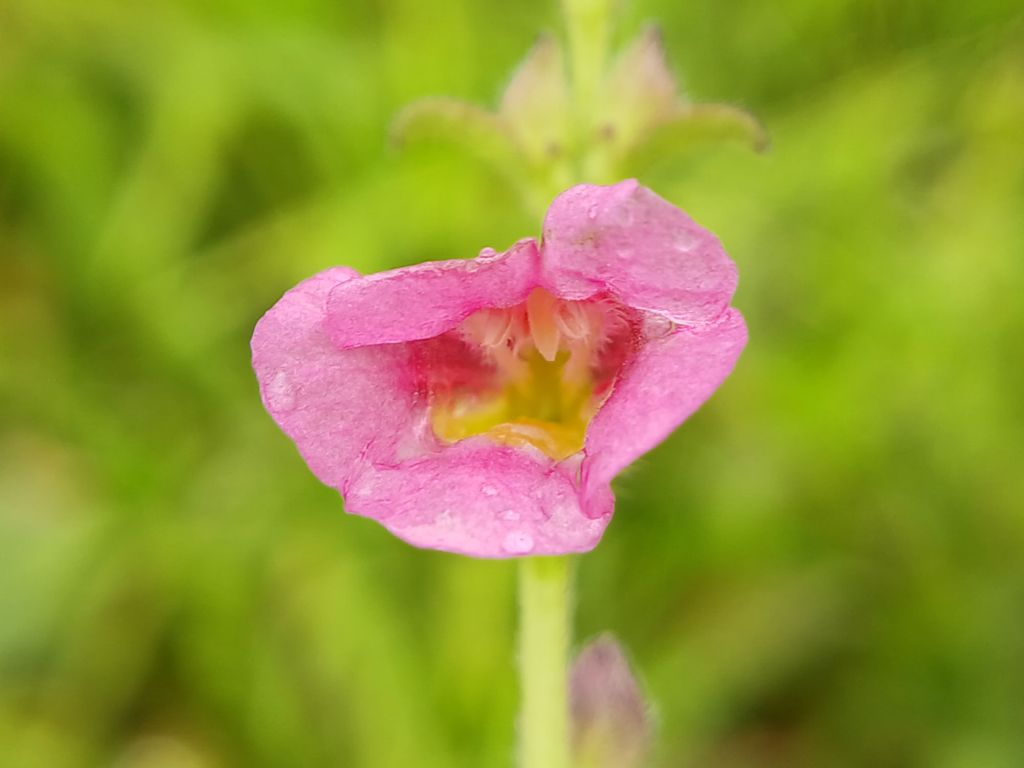
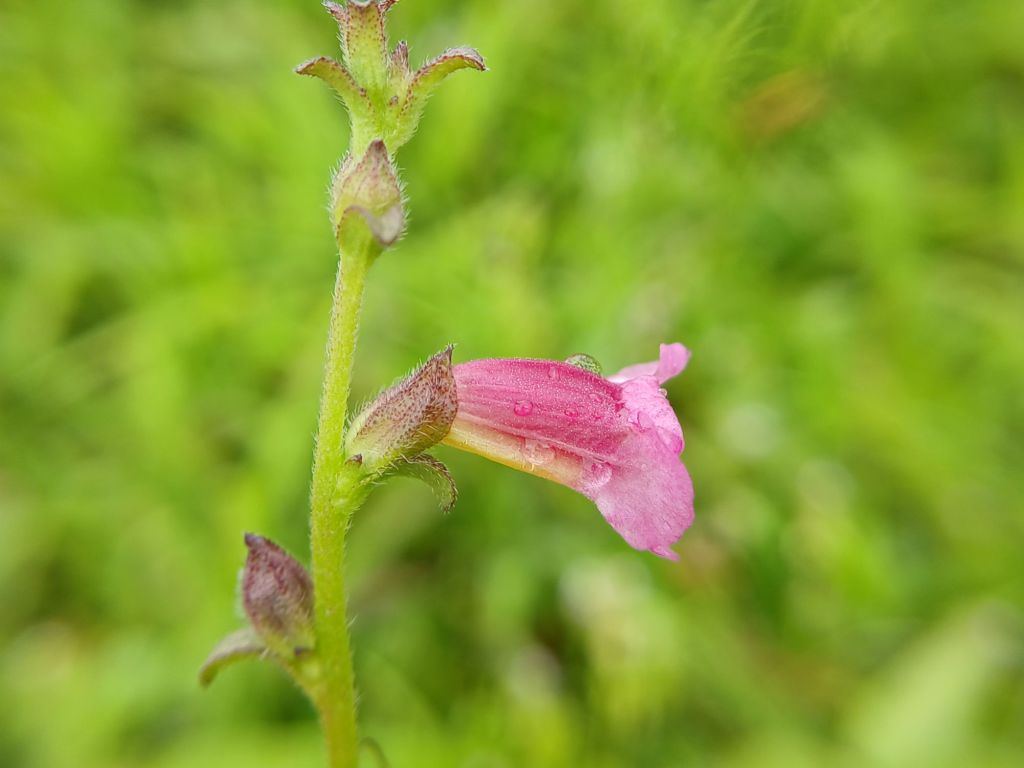
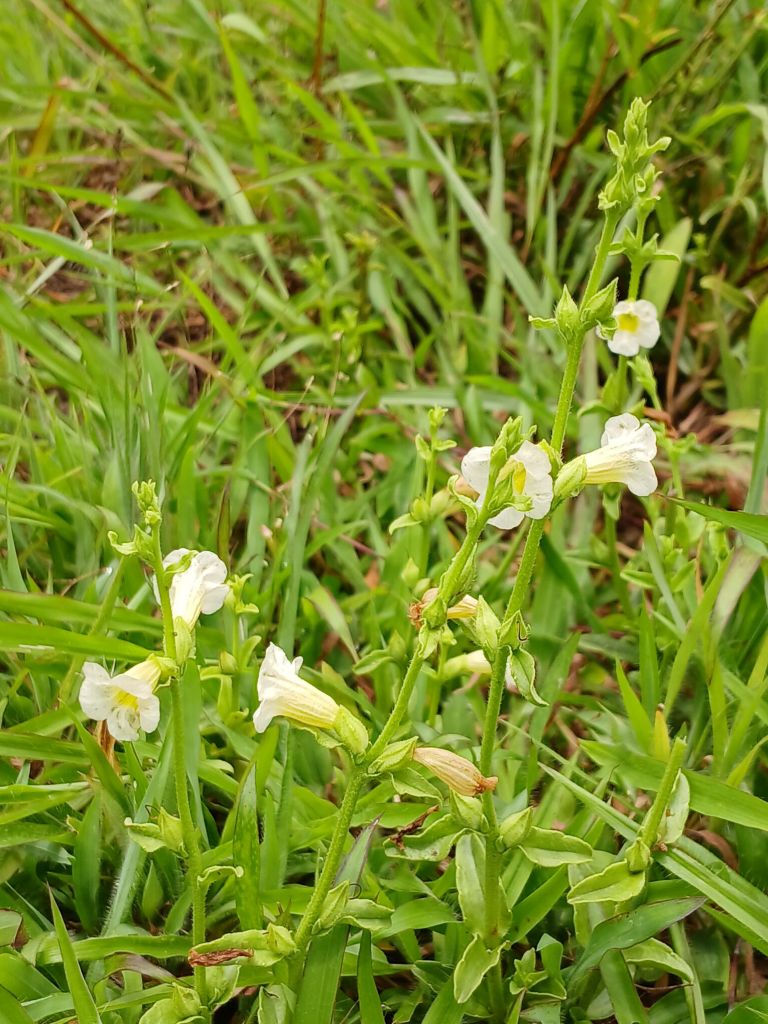
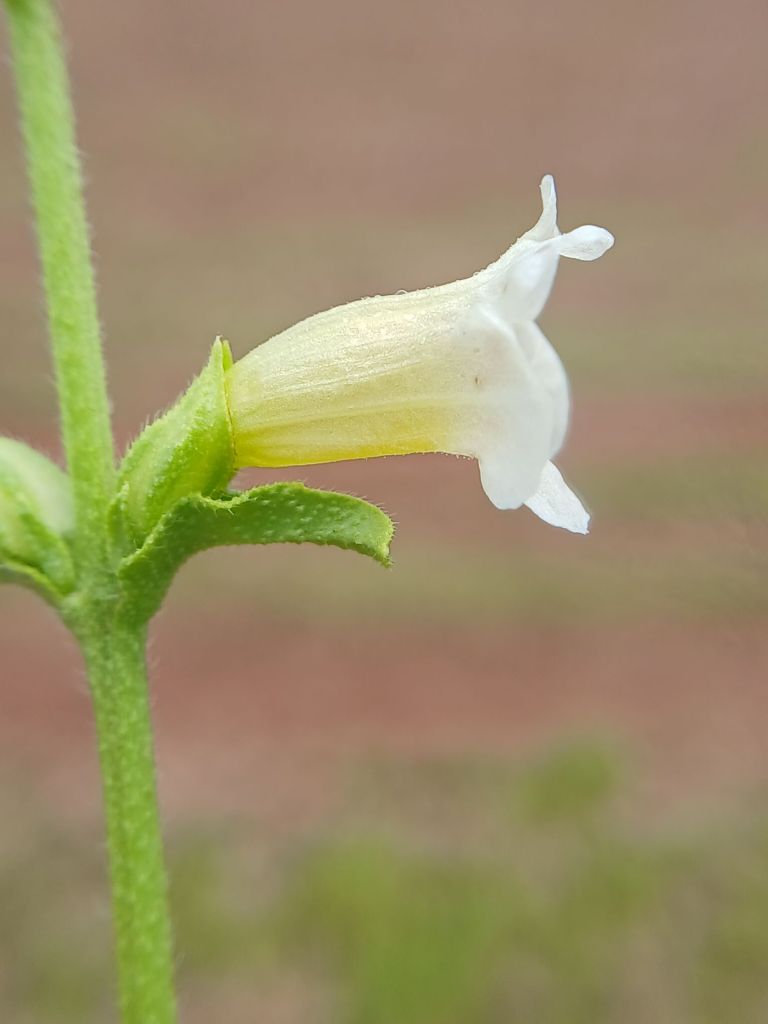
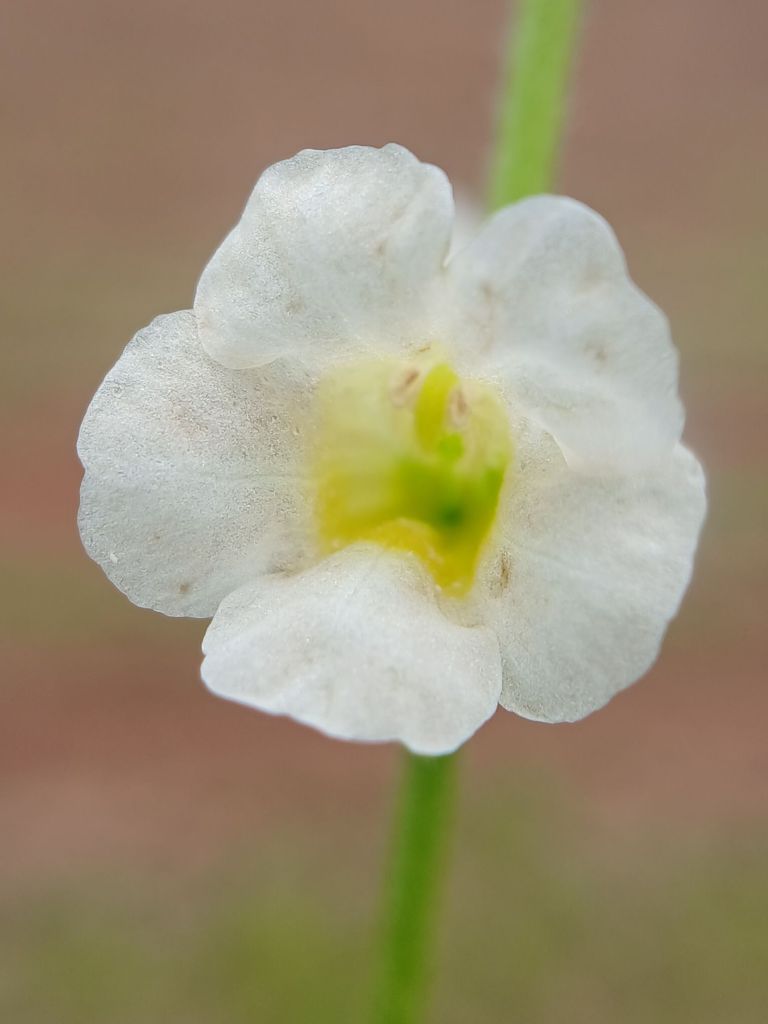
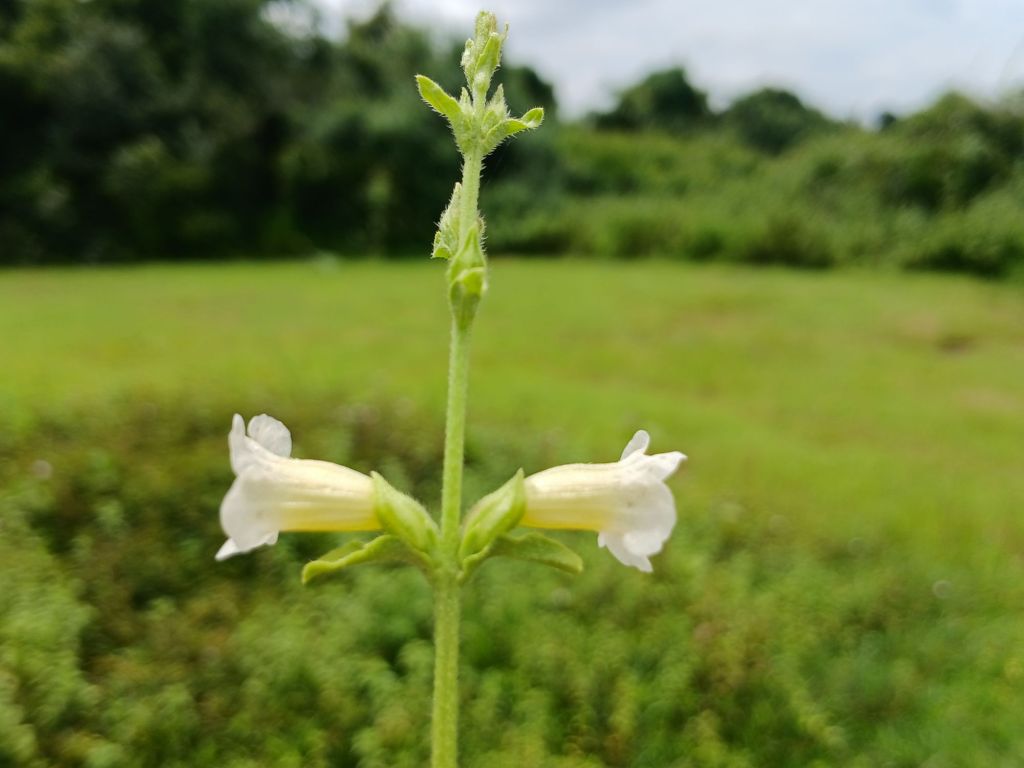
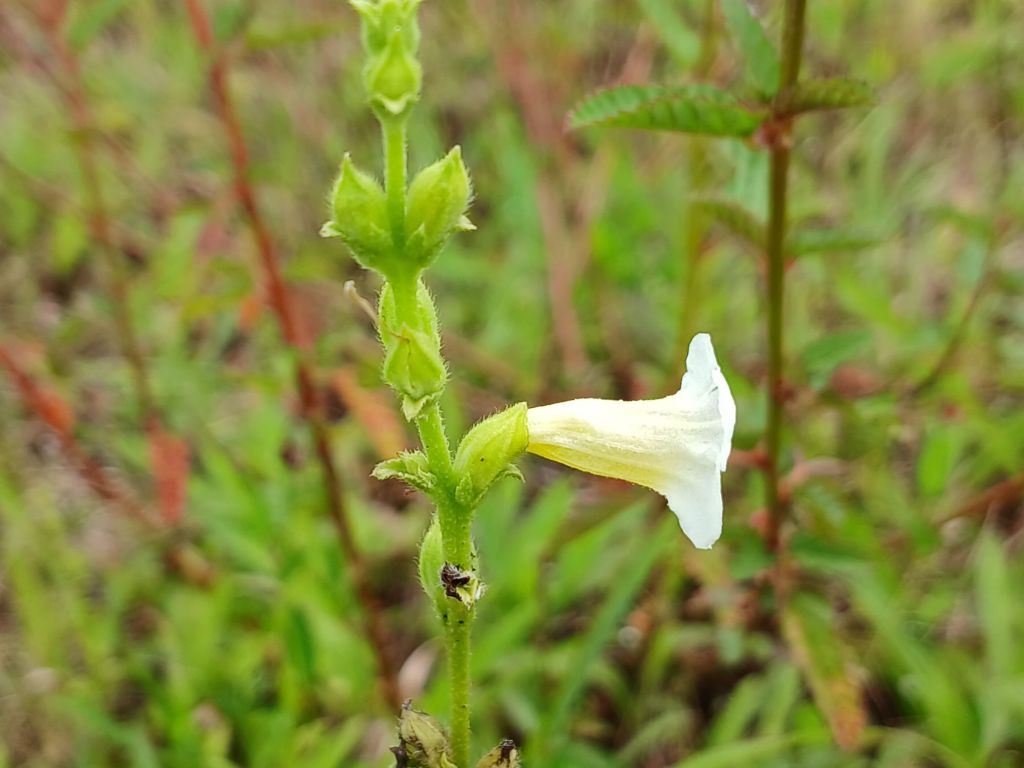
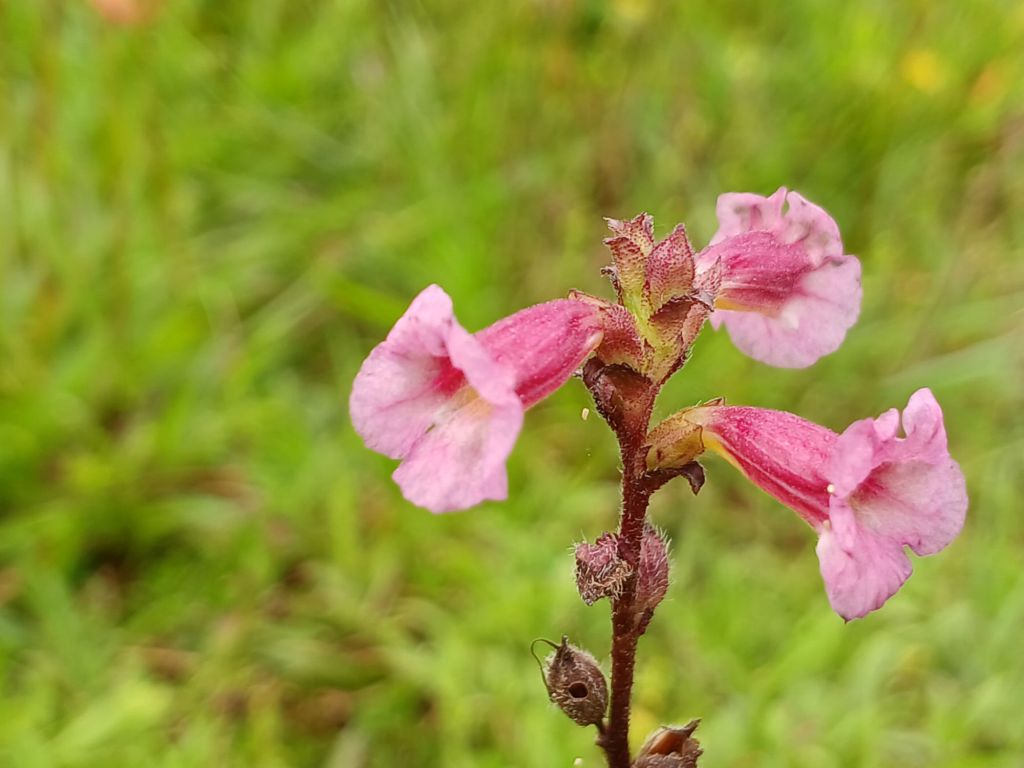
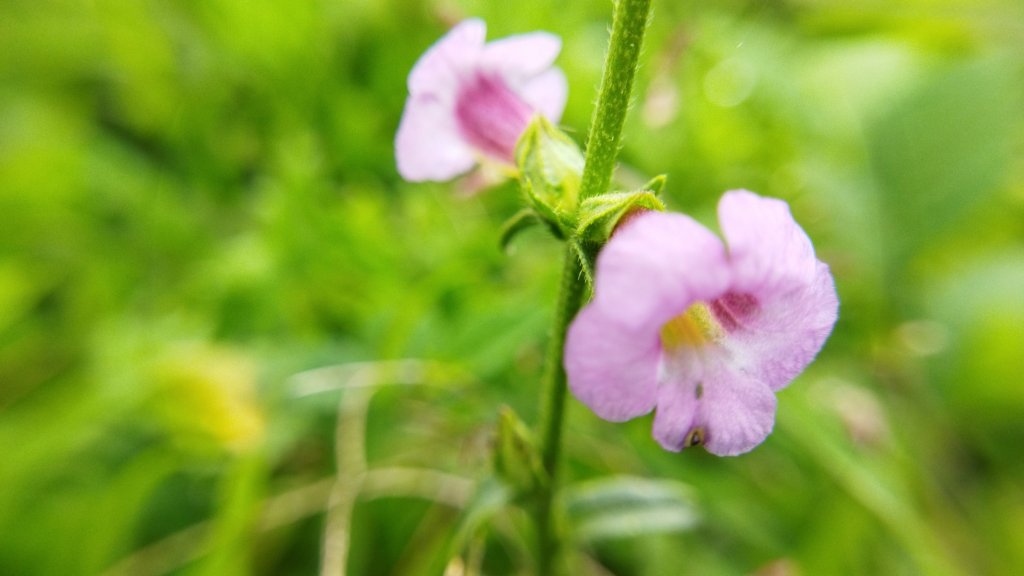
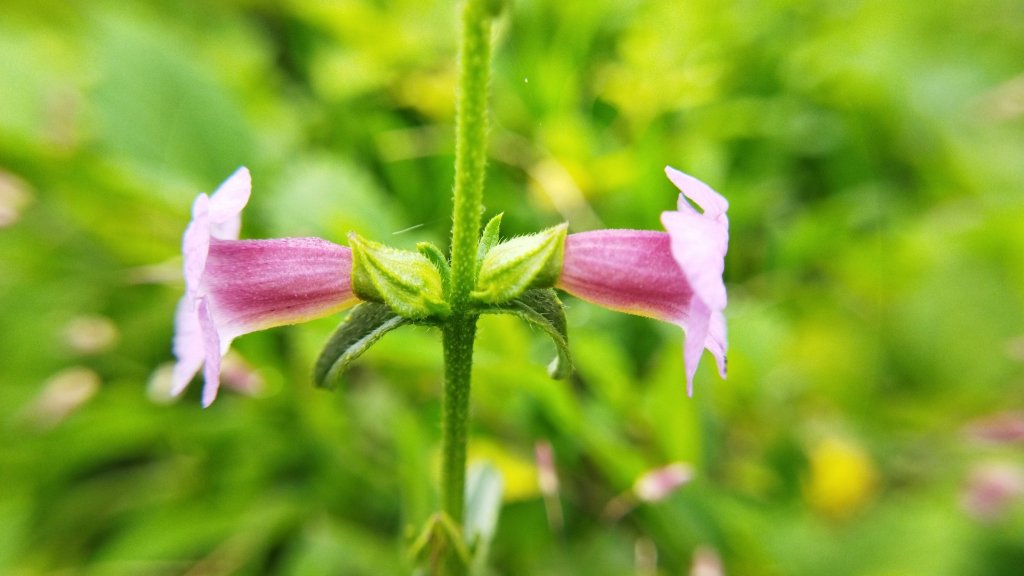
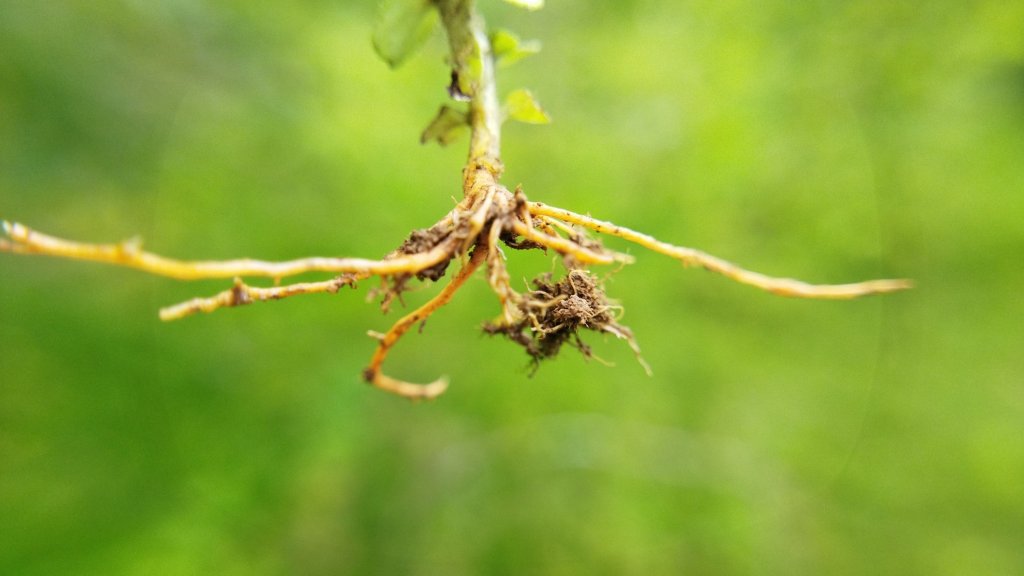
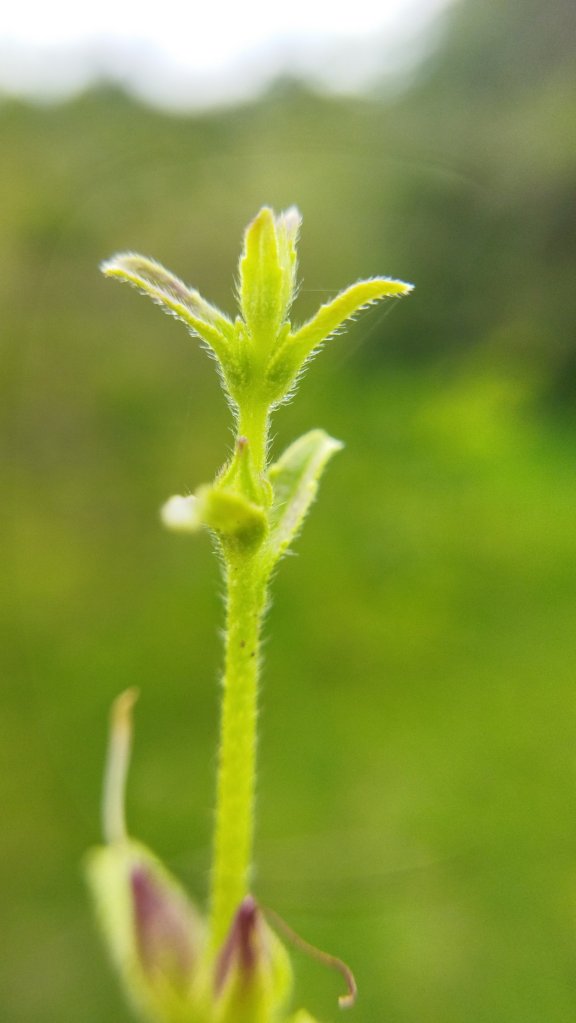
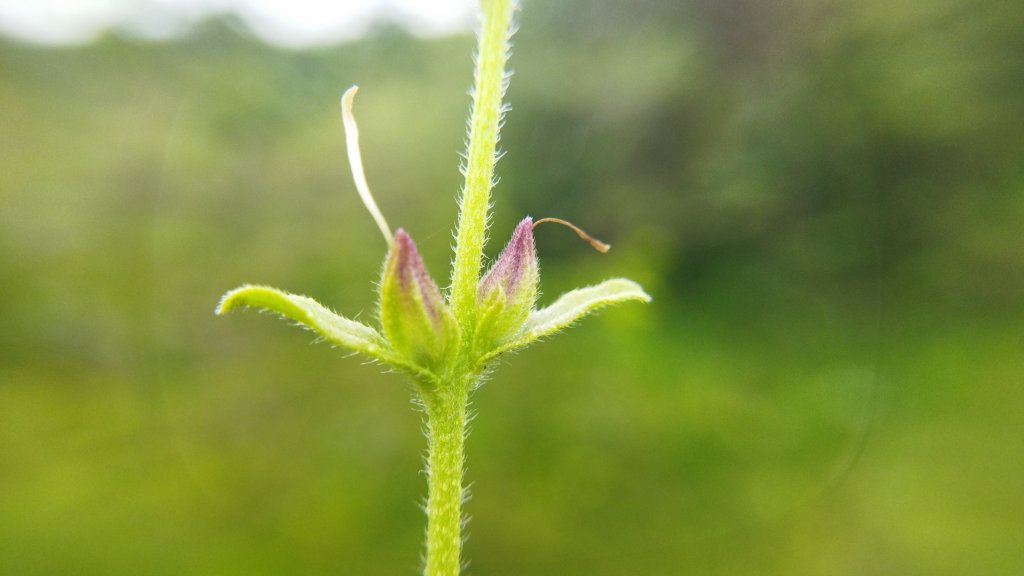
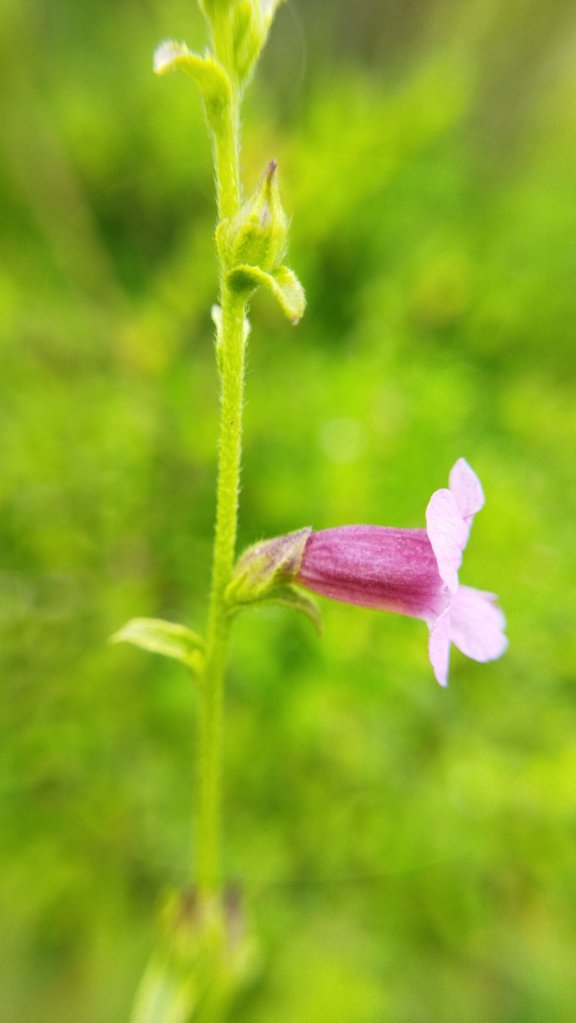
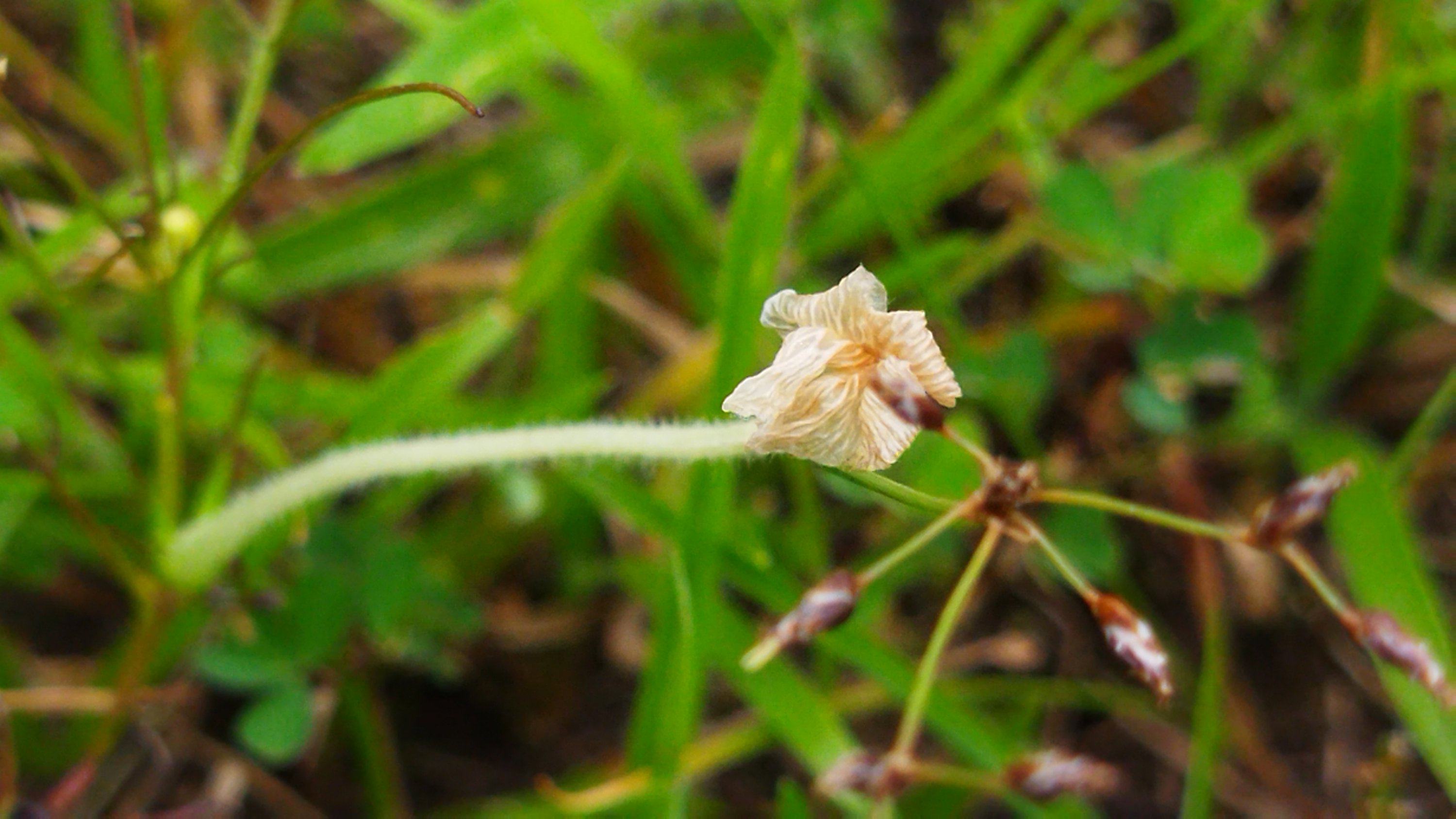
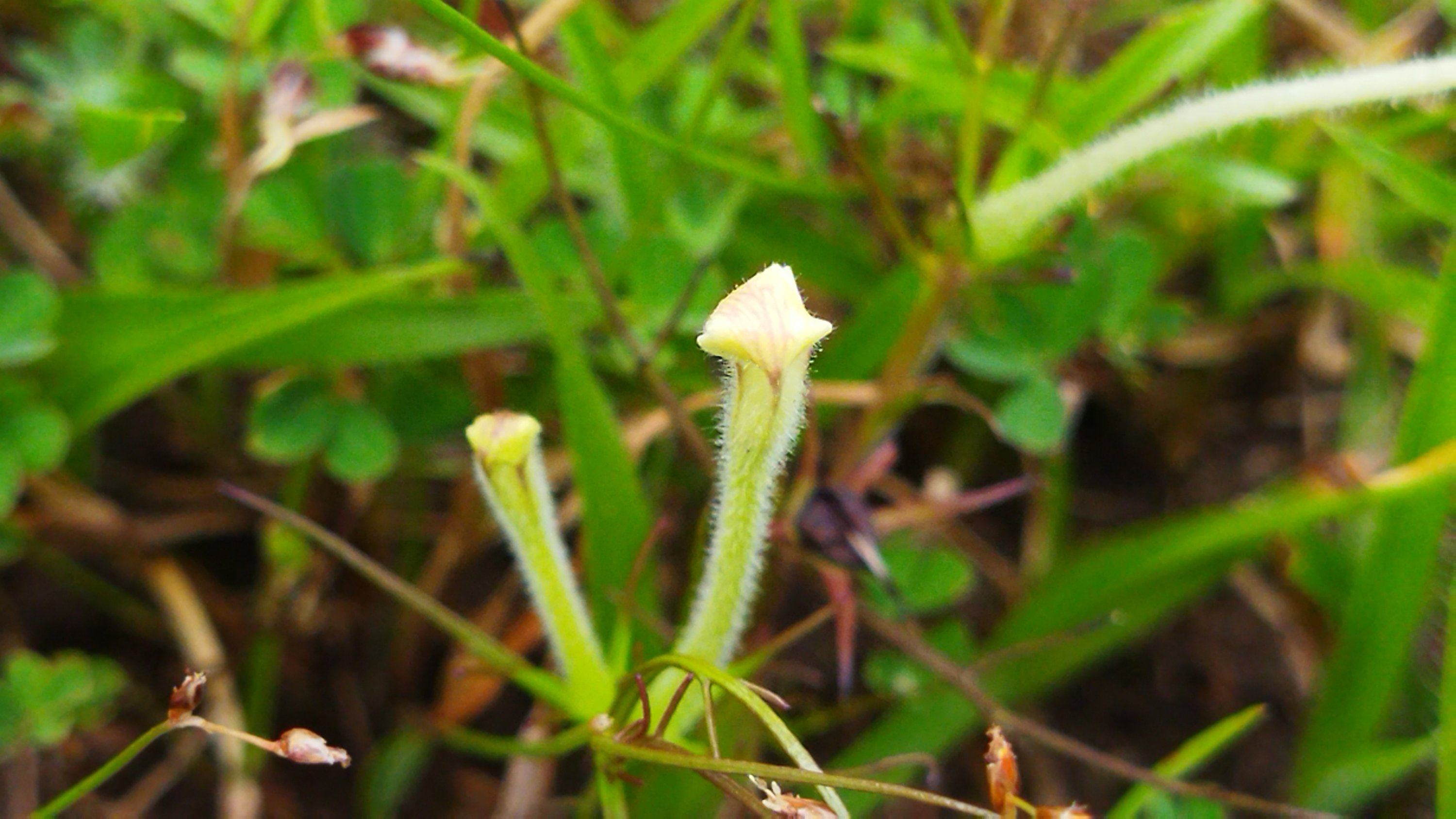
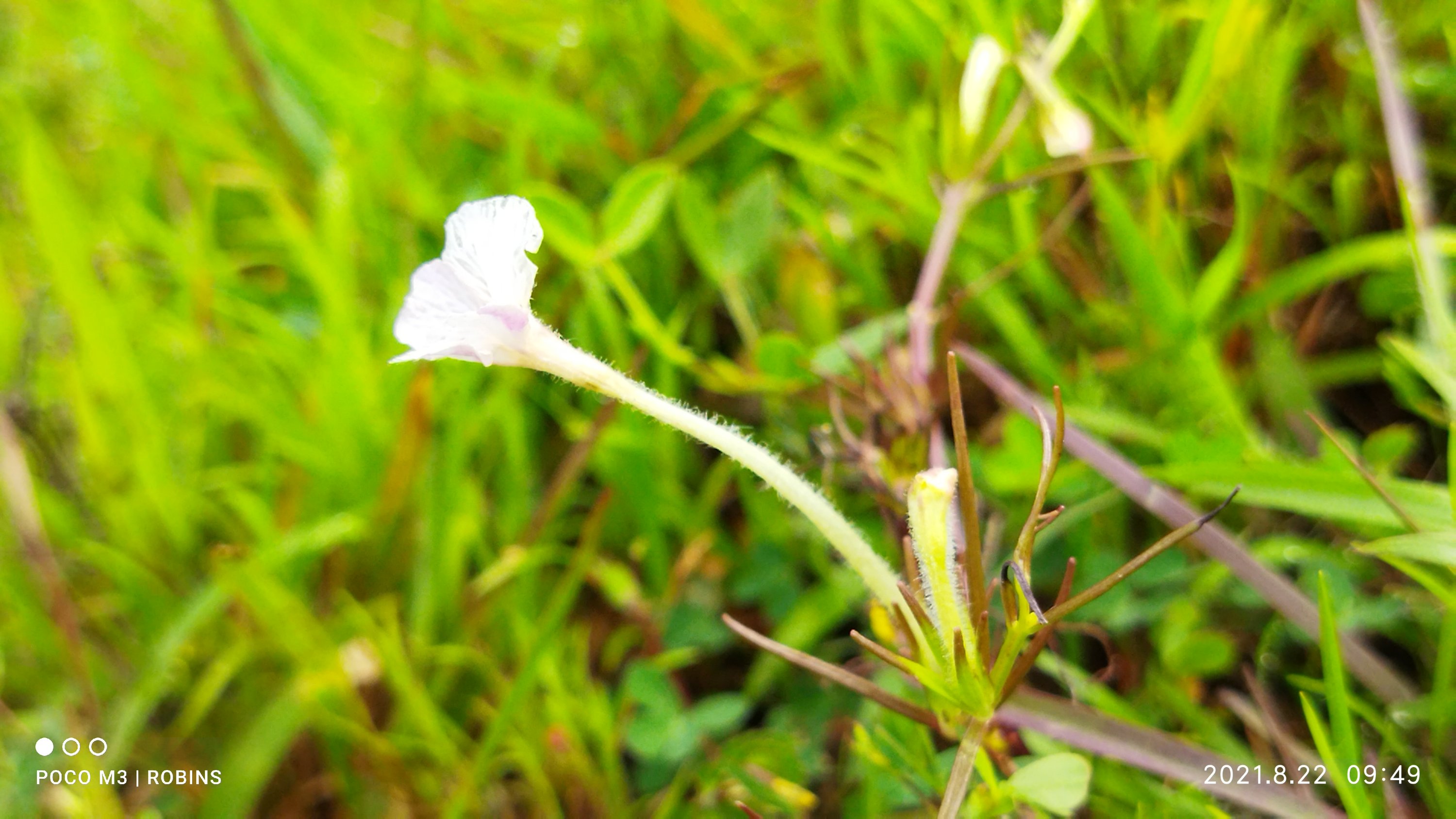
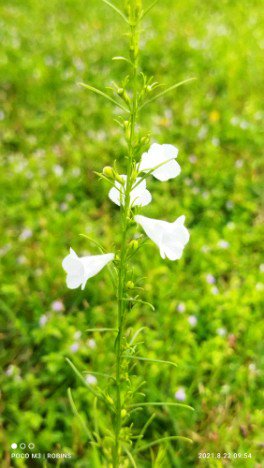
Scientific name : Rhamphicarpa fistulosa
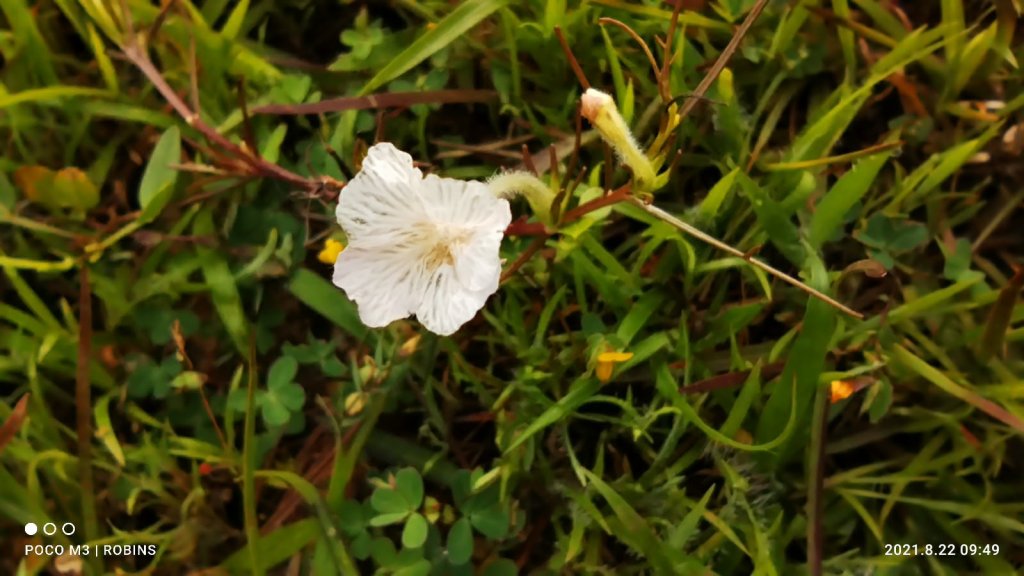
ചെങ്കൽപ്രദേശങ്ങളിൽ കാണപ്പെടുന്ന ഒരു ഓഷധിയാണ് ആറുമണിപൂവ്. ഇതിന്റെ പൂവ് ആറ് മണിയോടുകൂടിയാണ് വിരിയുന്നത്. അങ്ങനെയാണ് ഈ പേര് വന്നത്. ഇലകൾ നേർത്തതാണ്. പൂവ് ട്യൂബ് ഷെയ്പ്പ്. ക്രീം നിറം.
Orobanchaceae family
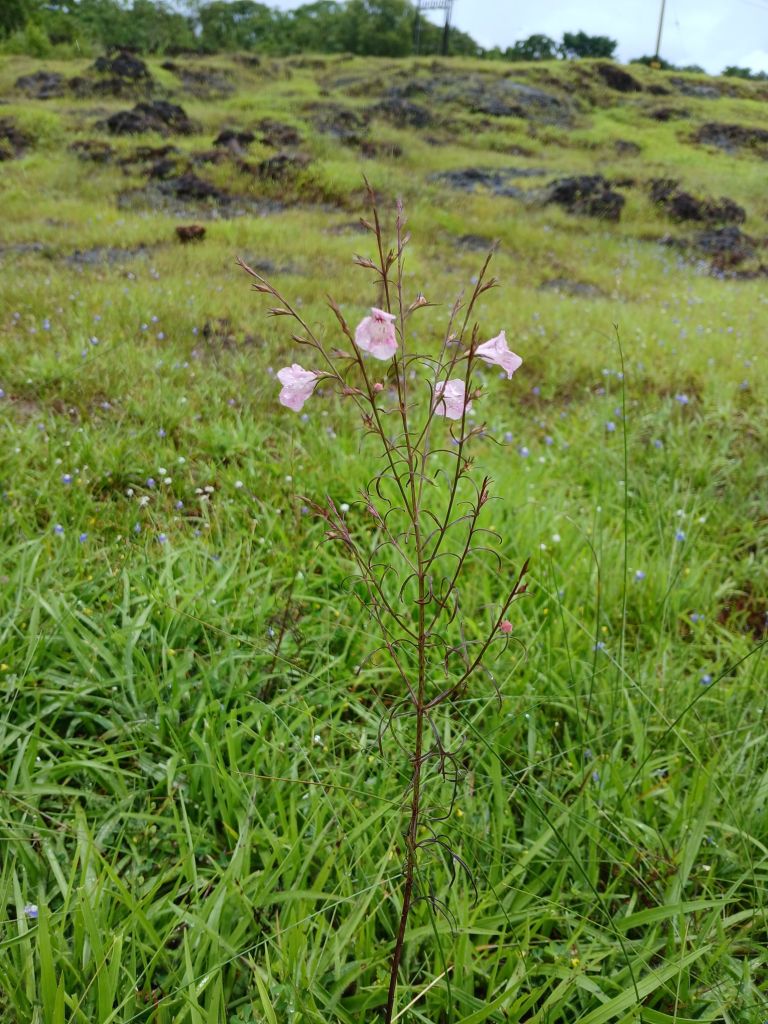
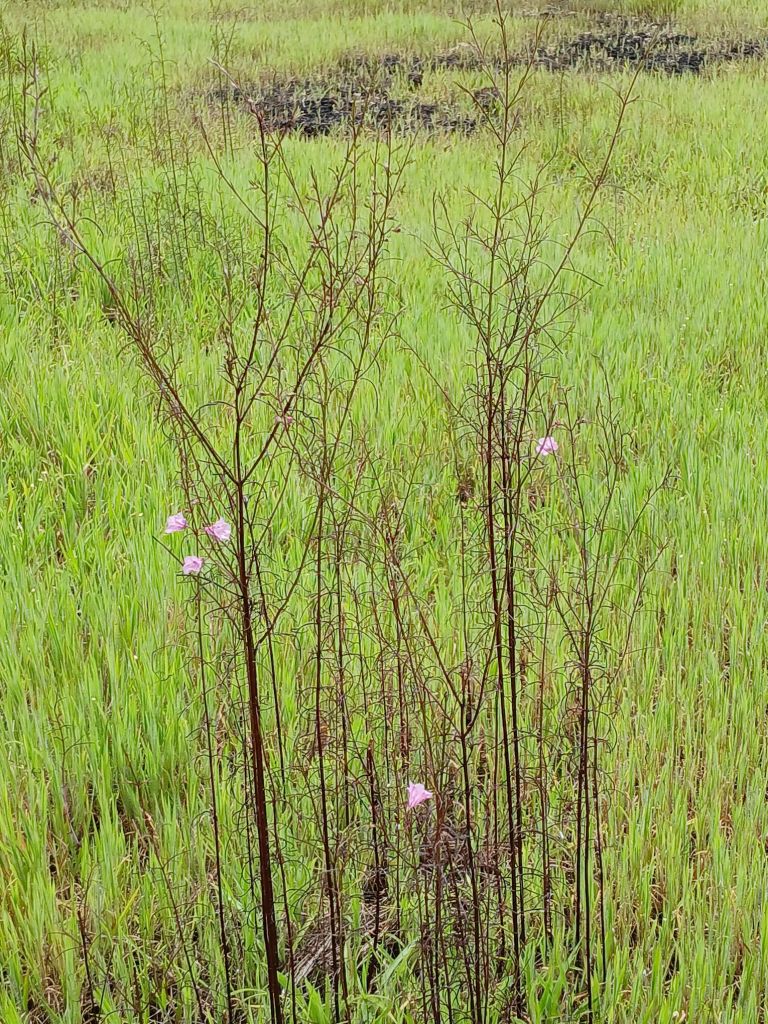
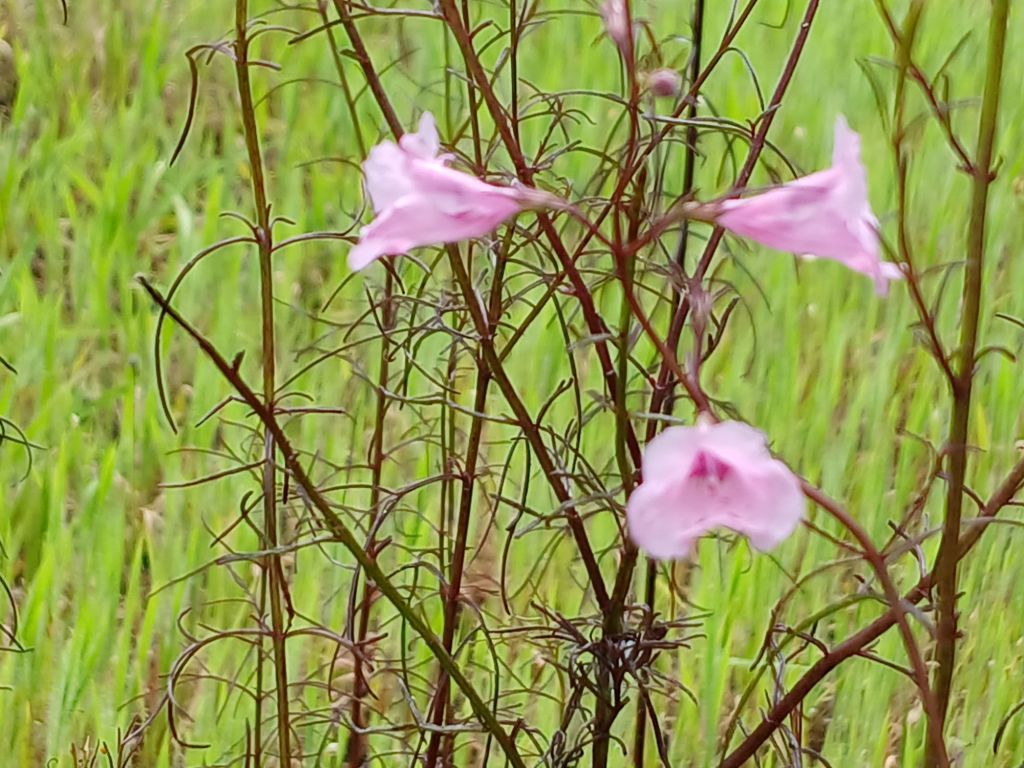
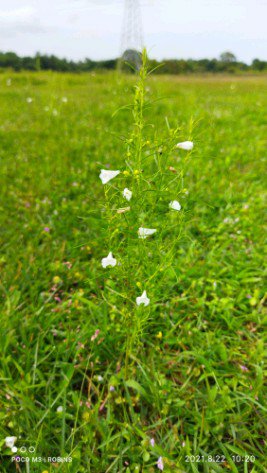
Scientific name : Parasopubia hofmannii
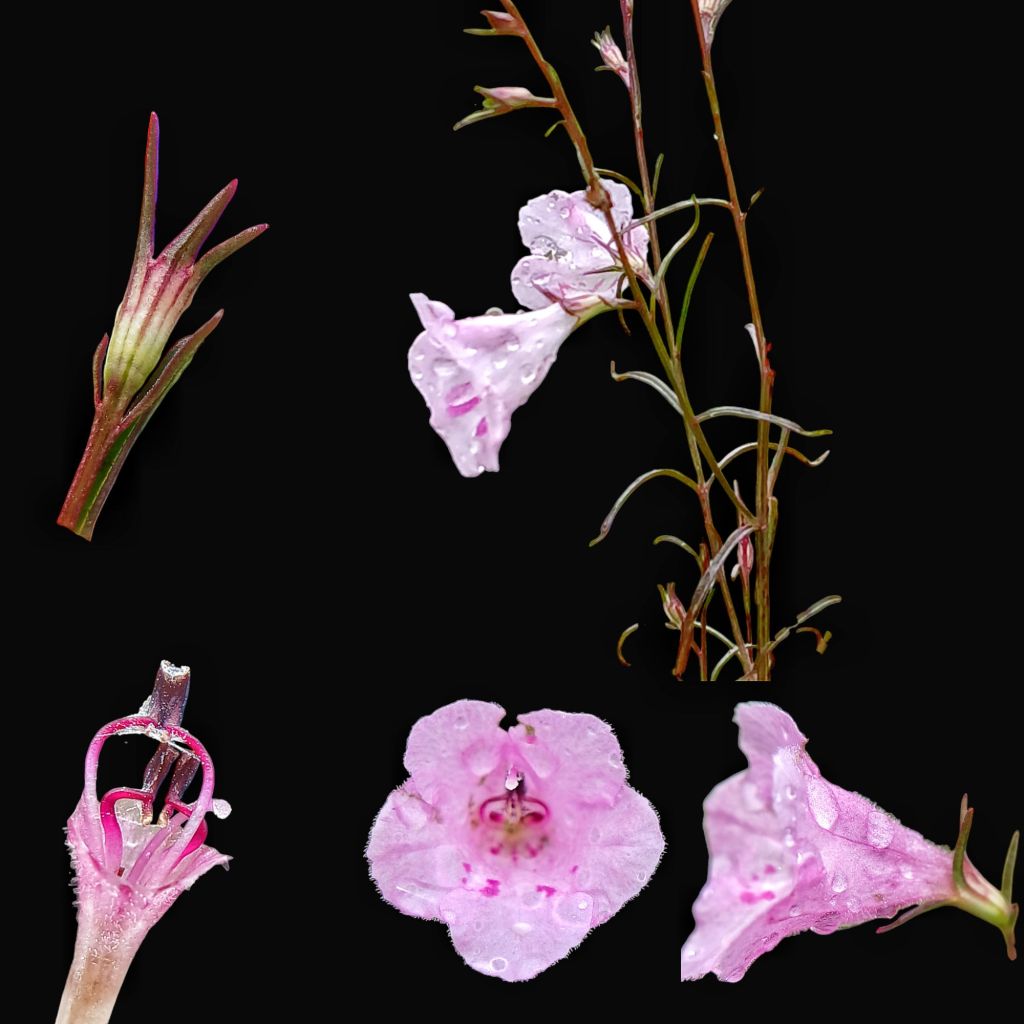
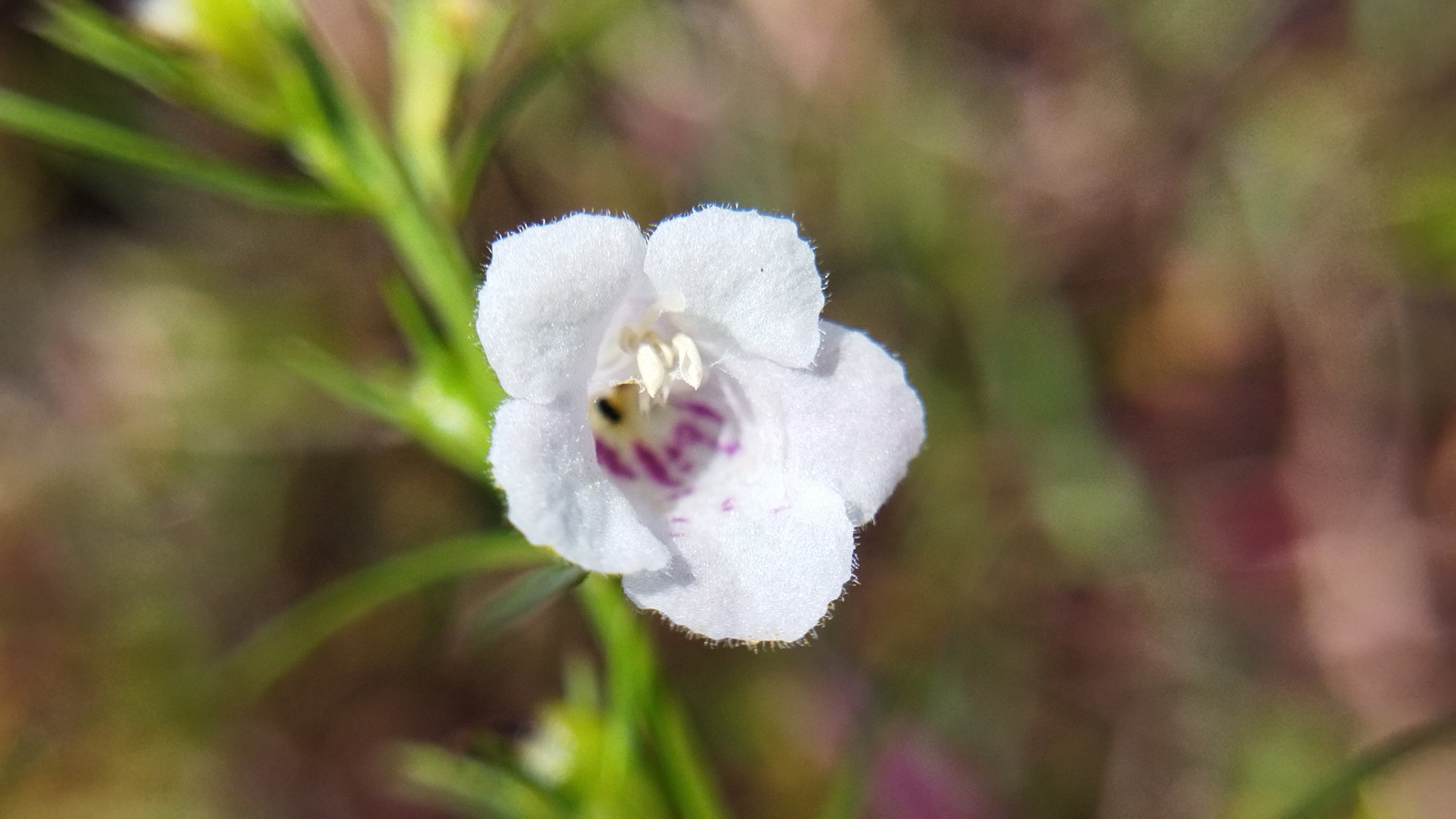
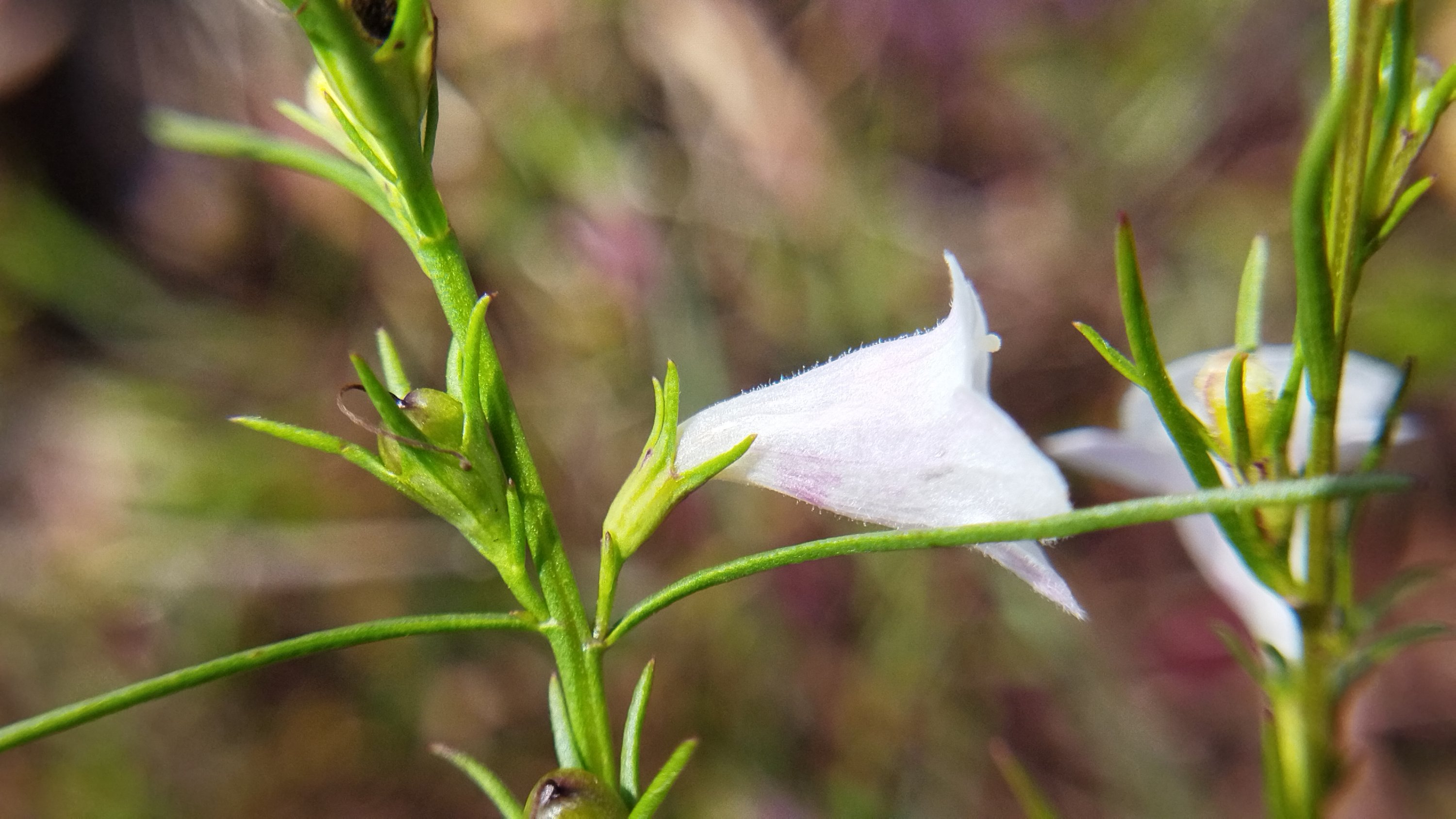
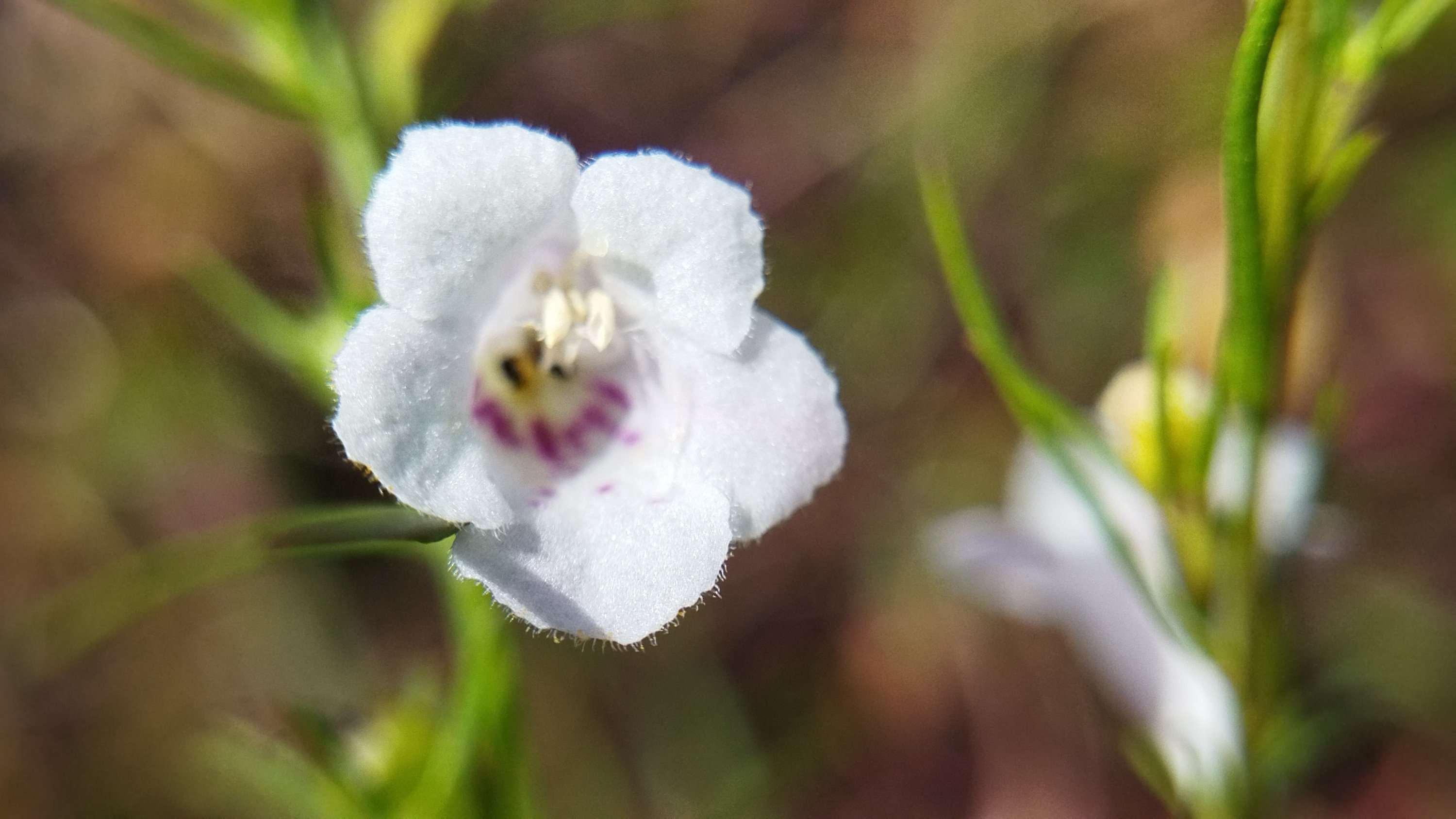
ചെങ്കൽപ്പാറകളിൽ കാണപ്പെടുന്ന ഒരു പരാദസസ്യമാണ് കുഞ്ഞിക്കോളാമ്പി. ചെറിയൊരു ഓഷധിയാണിത്. ഇലകൾ നേർത്തതാണ്. Axillary bud ൽ നിന്നും പൂക്കൾ ഉണ്ടാവുന്നു. പൂവ് ചോർപ്പ് ആകൃതി.അഞ്ച് ഇതളുകൾ twisted രീതിയിൽ ക്രമീകരിച്ചിരിക്കുന്നു.
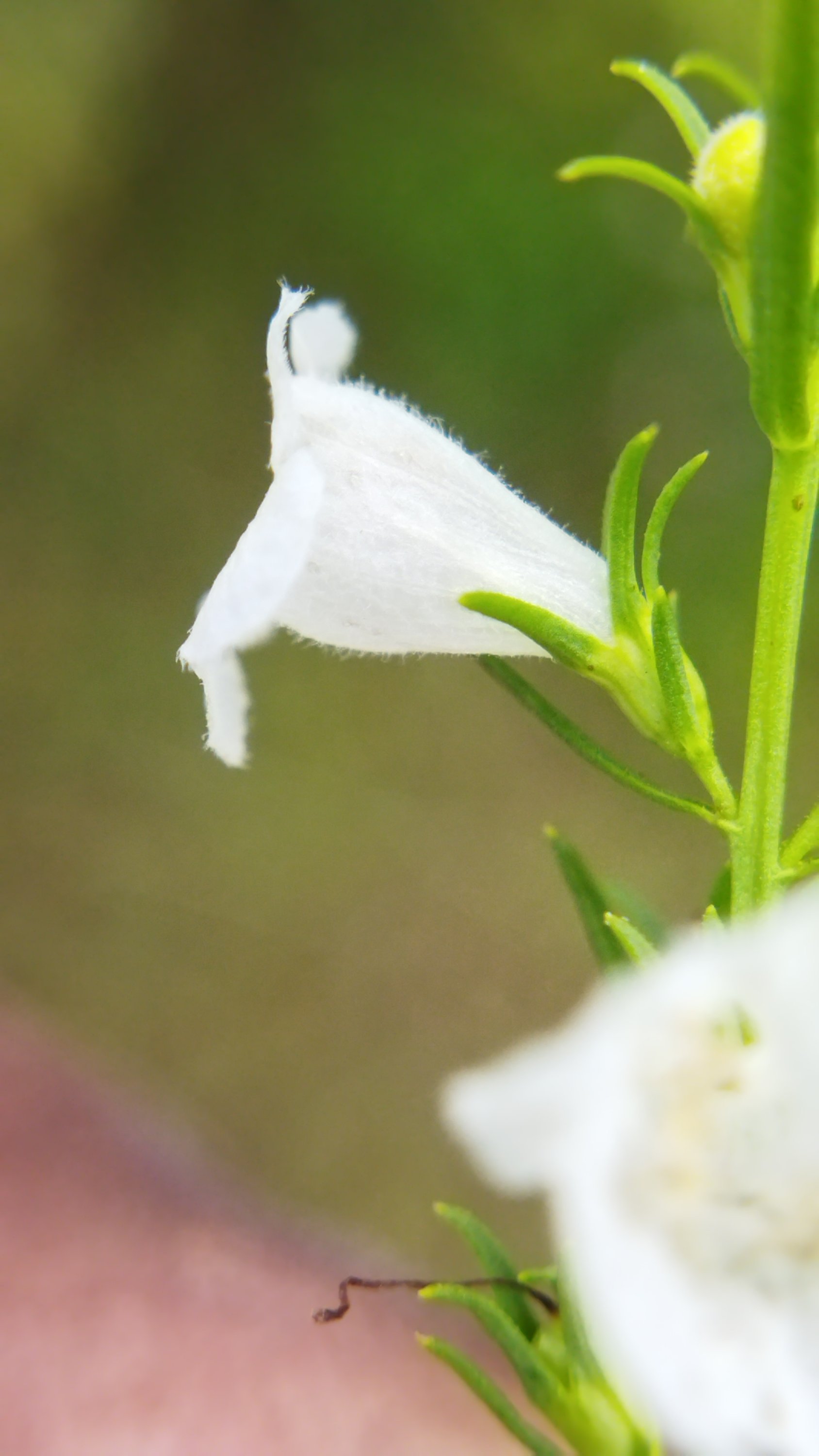
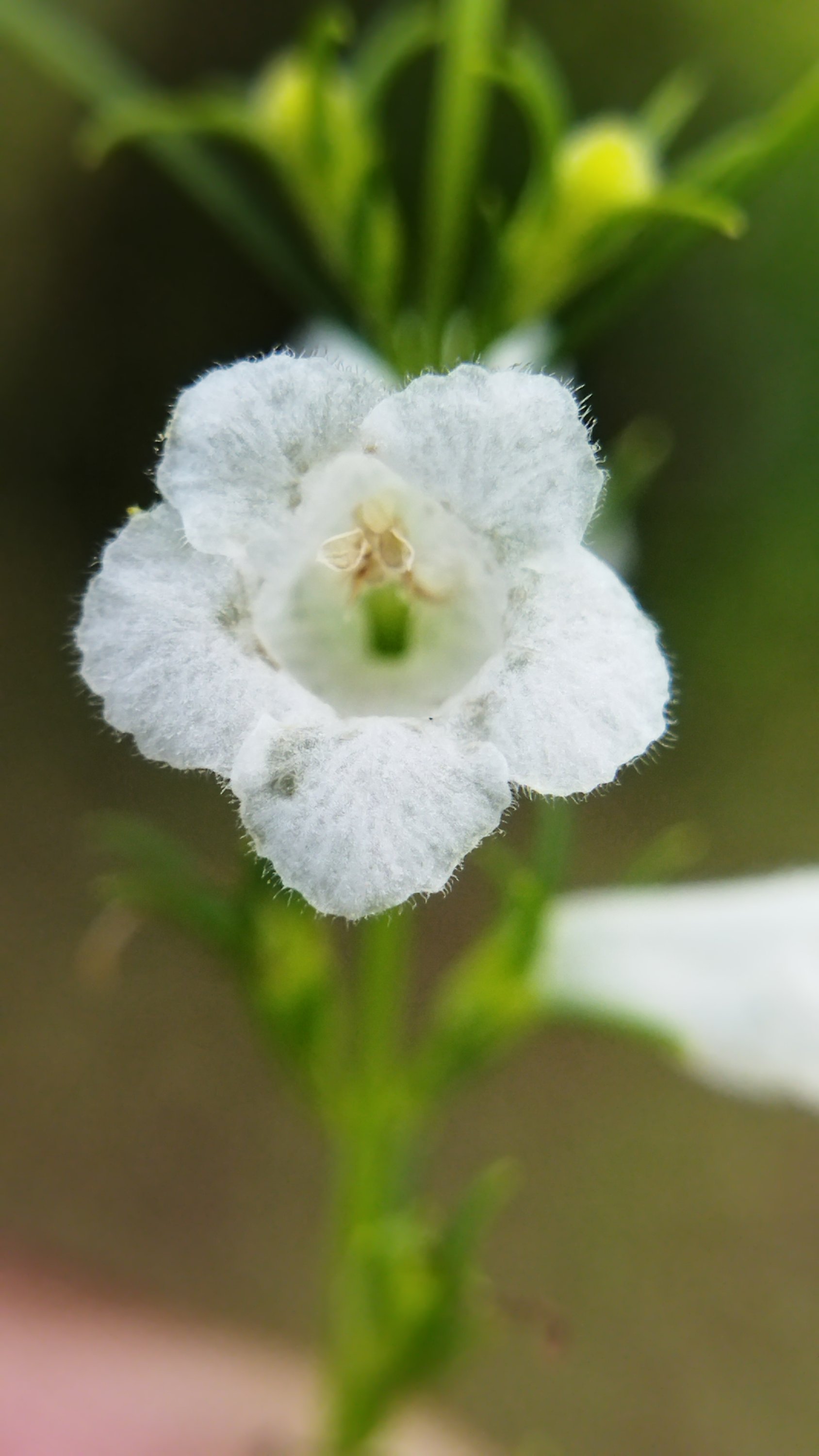

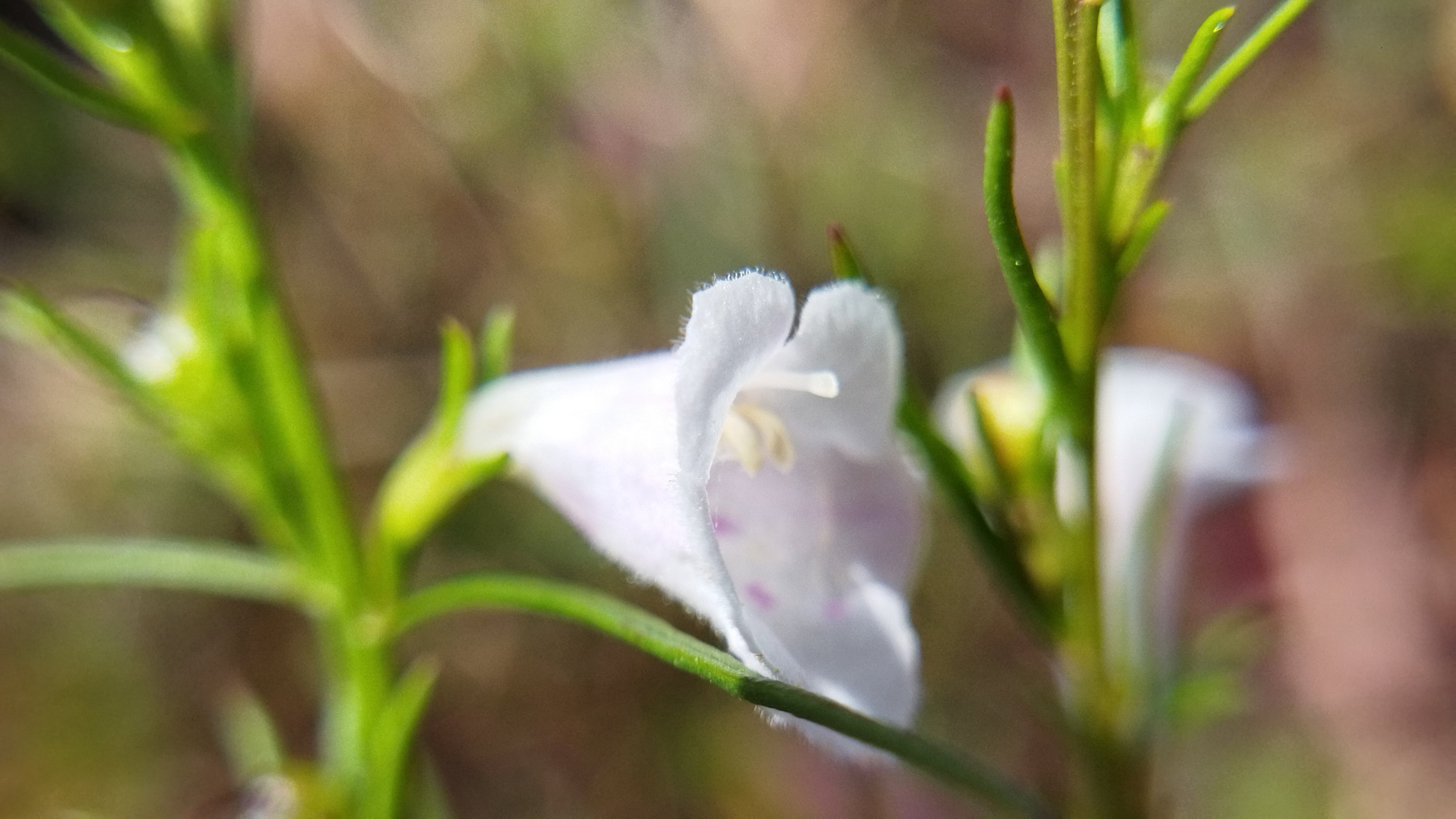
മേന്തോന്നി
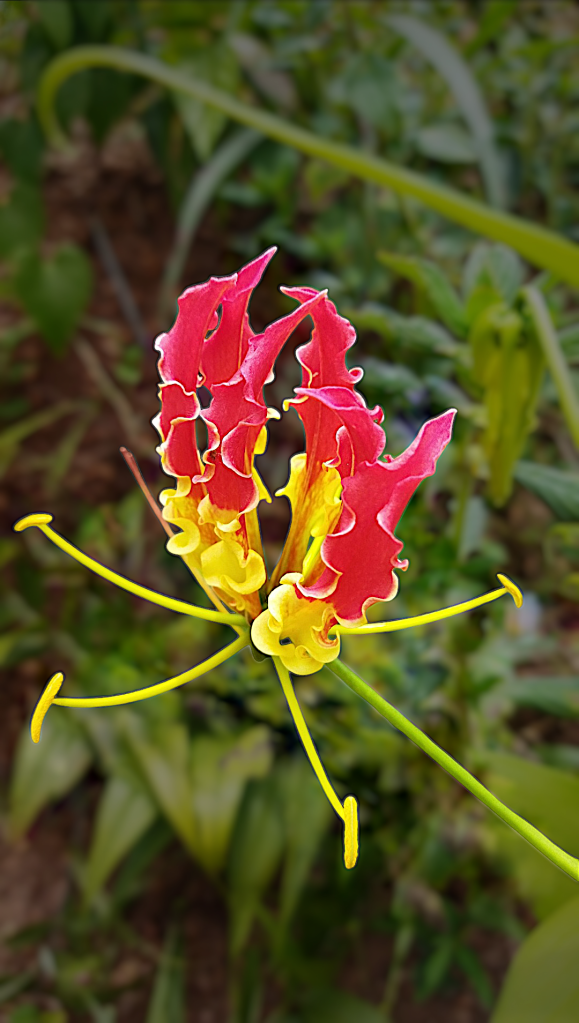
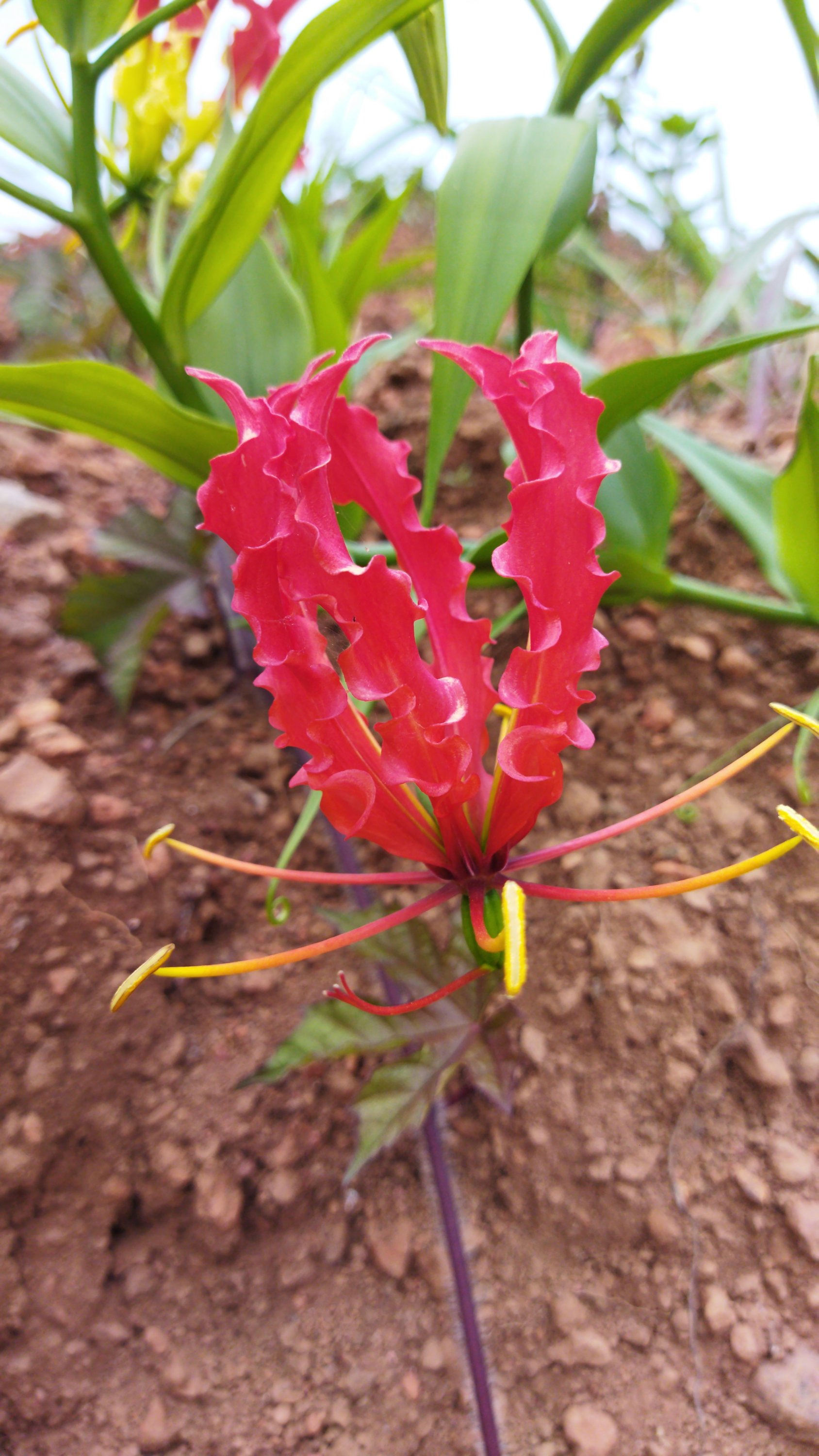
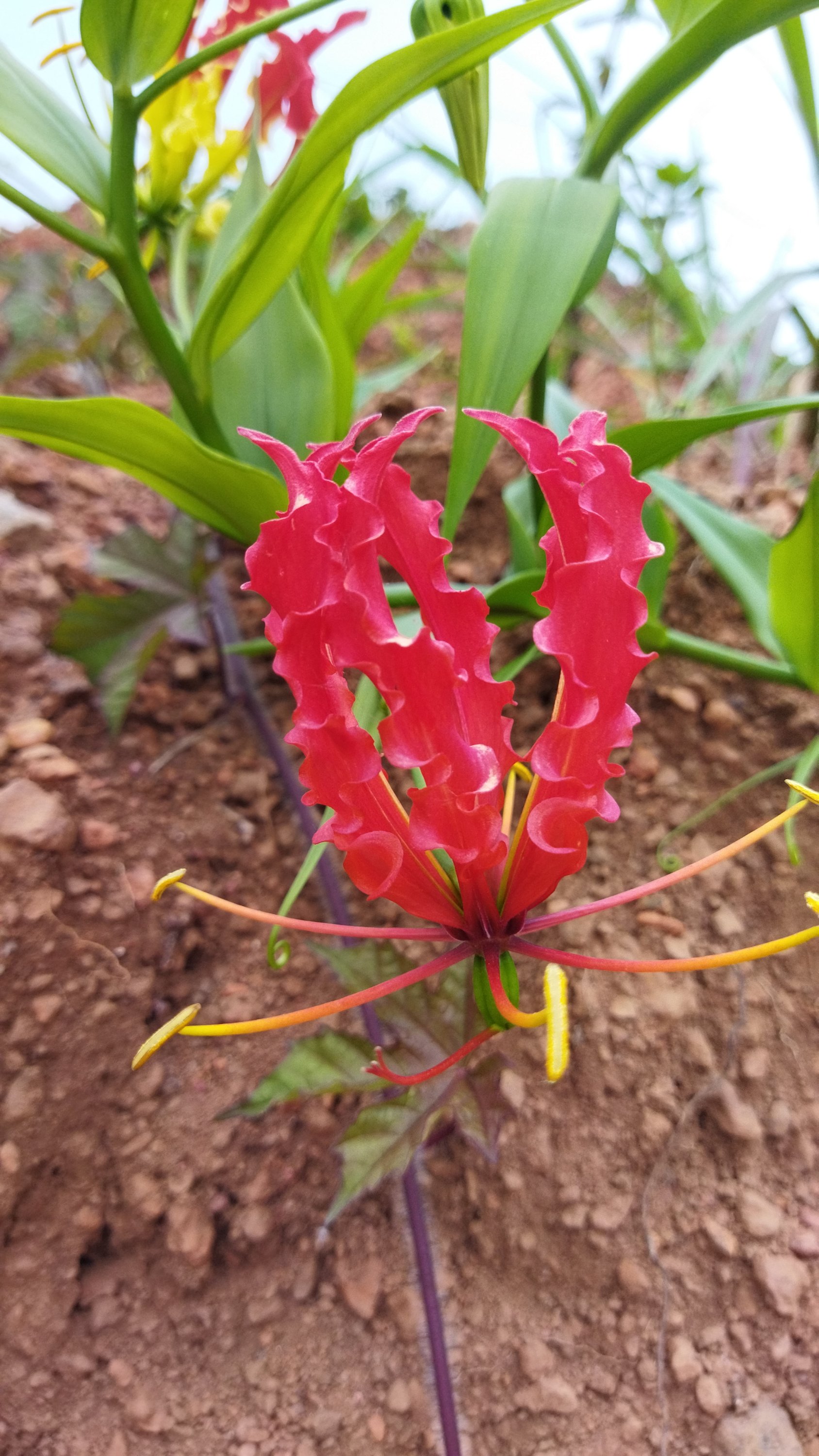
Gloriosa superba, commonly known as the flame lily, glory lily, or climbing lily, is a striking flowering plant belonging to the Colchicaceae family. It is native to tropical Asia and Africa and is widely cultivated for its ornamental beauty and medicinal properties. Despite its attractive appearance, the plant is highly toxic due to the presence of colchicine and other alkaloids.
Morphology
1. Root System:
Type: The plant possesses underground tuberous roots.
Structure: The tubers are slender, elongated, and V- or L-shaped, with each tuber having a pointed growing tip.
Function: These tubers store nutrients and help in vegetative propagation.
2. Stem:
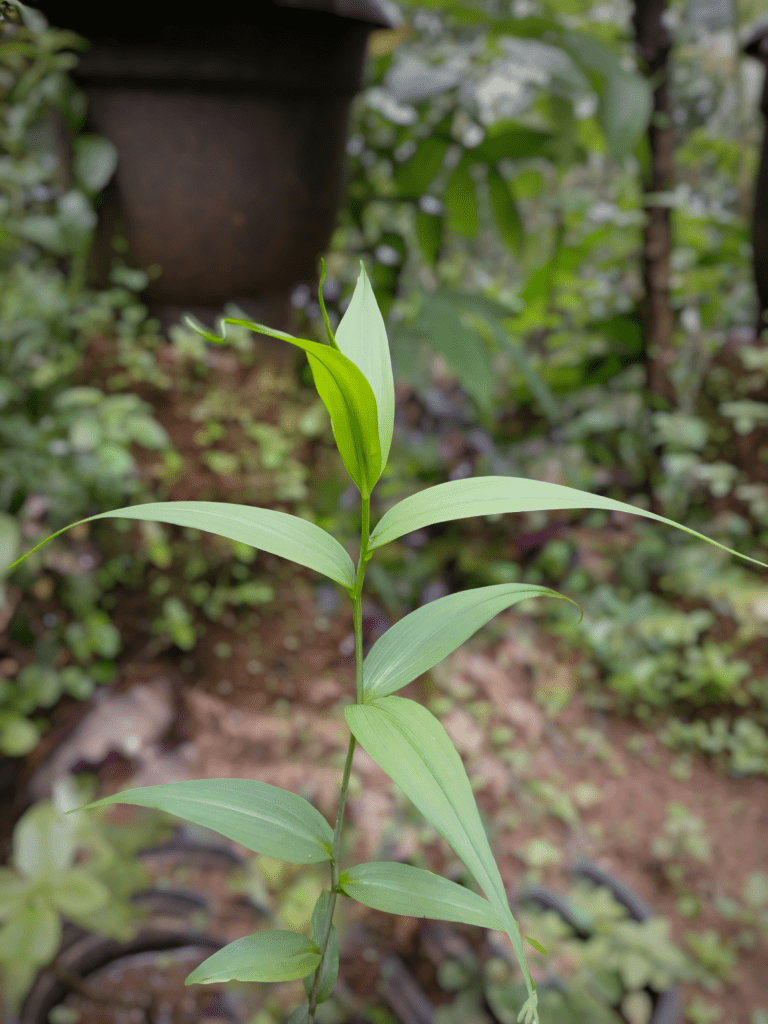
Type: The stem is herbaceous, slender, and weak, which aids in climbing.
Climbing Mechanism: It climbs using tendrils formed from modified leaf tips.
Growth Habit: It can grow up to 3-4 meters in length.
3. Leaves:
Arrangement: Leaves are simple, alternate, or sometimes opposite.
Shape: They are lanceolate to ovate with pointed tips.
Size: Leaves are approximately 8-15 cm long and 2-5 cm wide.
Special Feature: The tips of the leaves are modified into tendrils, which help the plant cling to nearby structures for support.
4. Flowers:
Structure: The flowers are large, showy, and bisexual.
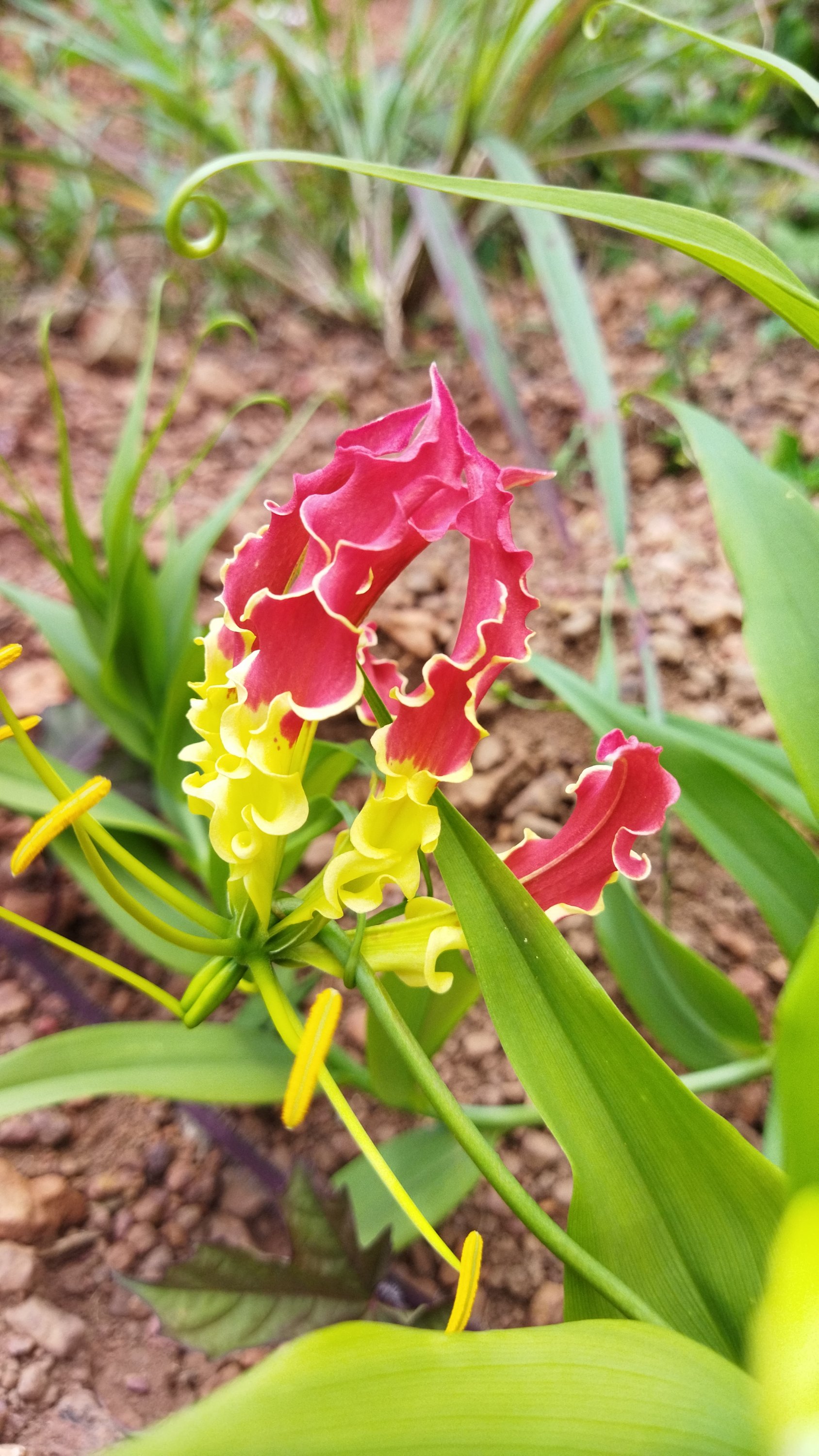
Color: They exhibit vibrant colors ranging from yellow, orange to crimson-red, often with a gradient effect.
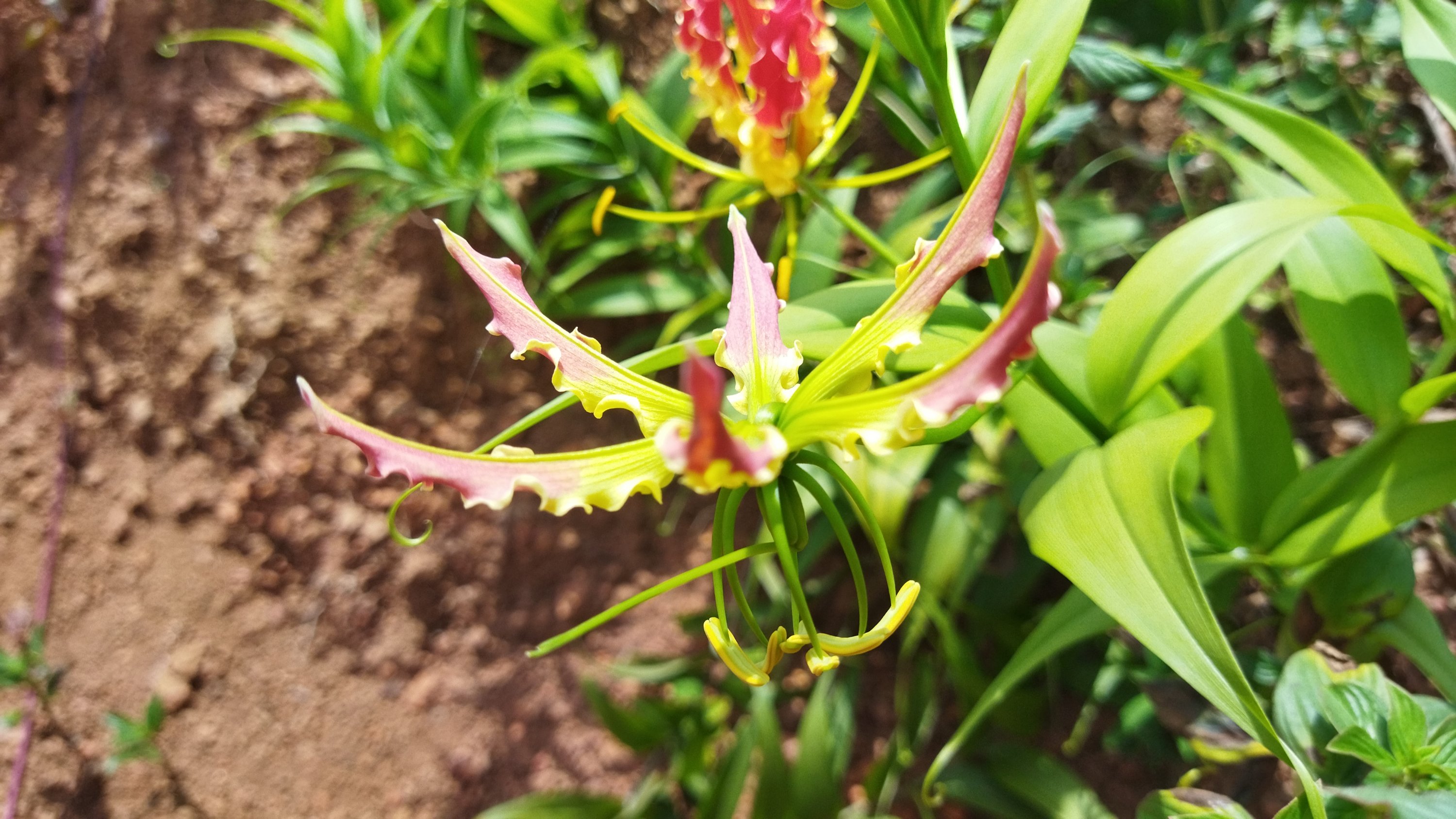
Shape: The flowers are characterized by their reflexed (backward-curving) petals and wavy margins.
Petals: There are six tepals (petals and sepals that are similar in appearance), each about 5-7 cm long.
Stamens: The plant has six prominent stamens with long, versatile anthers.
Ovary: The ovary is superior, with a long style and a three-lobed stigma.
5. Fruit:
Type: The fruit is a capsule.
Shape: It is cylindrical to ovoid.
Size: Approximately 6-12 cm in length.
Content: The capsule contains numerous reddish seeds.
6. Seeds:
Appearance: Seeds are round and reddish-brown.
Size: They are approximately 5-8 mm in diameter.
7. Ecological Adaptations:
Climbing Ability: The tendrils at leaf tips help it climb and access sunlight.
Vibrant Flowers: The bright colors attract pollinators such as insects.
8. Medicinal and Toxic Aspects:
Medicinal Use: The plant contains colchicine, which is used in medicine, especially for gout treatment.
Toxicity: All parts of the plant, especially the tubers, are highly toxic if ingested due to alkaloids like colchicine and gloriosine.
Range

Native to:
Andaman Is., Angola, Assam, Bangladesh, Benin, Borneo, Botswana, Burkina, Burundi, Cabinda, Cambodia, Cameroon, Cape Provinces, Caprivi Strip, Central African Republic, Chad, China South-Central, Congo, East Himalaya, Equatorial Guinea, Ethiopia, Gabon, Ghana, Guinea, Guinea-Bissau, Gulf of Guinea Is., India, Ivory Coast, Jawa, Kenya, Laccadive Is., Laos, Lesser Sunda Is., Liberia, Madagascar, Malawi, Malaya, Maldives, Mozambique, Myanmar, Nepal, Nigeria, Northern Provinces, Pakistan, Rwanda, Senegal, Seychelles, Sierra Leone, Sri Lanka, Sudan, Sulawesi, Sumatera, Tanzania, Thailand, Togo, Uganda, Vietnam, West Himalaya, Zambia, Zaïre, Zimbabwe
Introduced into:
Alabama, Cook Is., Fiji, Gilbert Is., Line Is., Nauru, New South Wales, Norfolk Is., Queensland, Réunion, Santa Cruz Is., Society Is., Solomon Is., Suriname, Tokelau-Manihiki, Trinidad-Tobago, Vanuatu, Windward Is.
Images


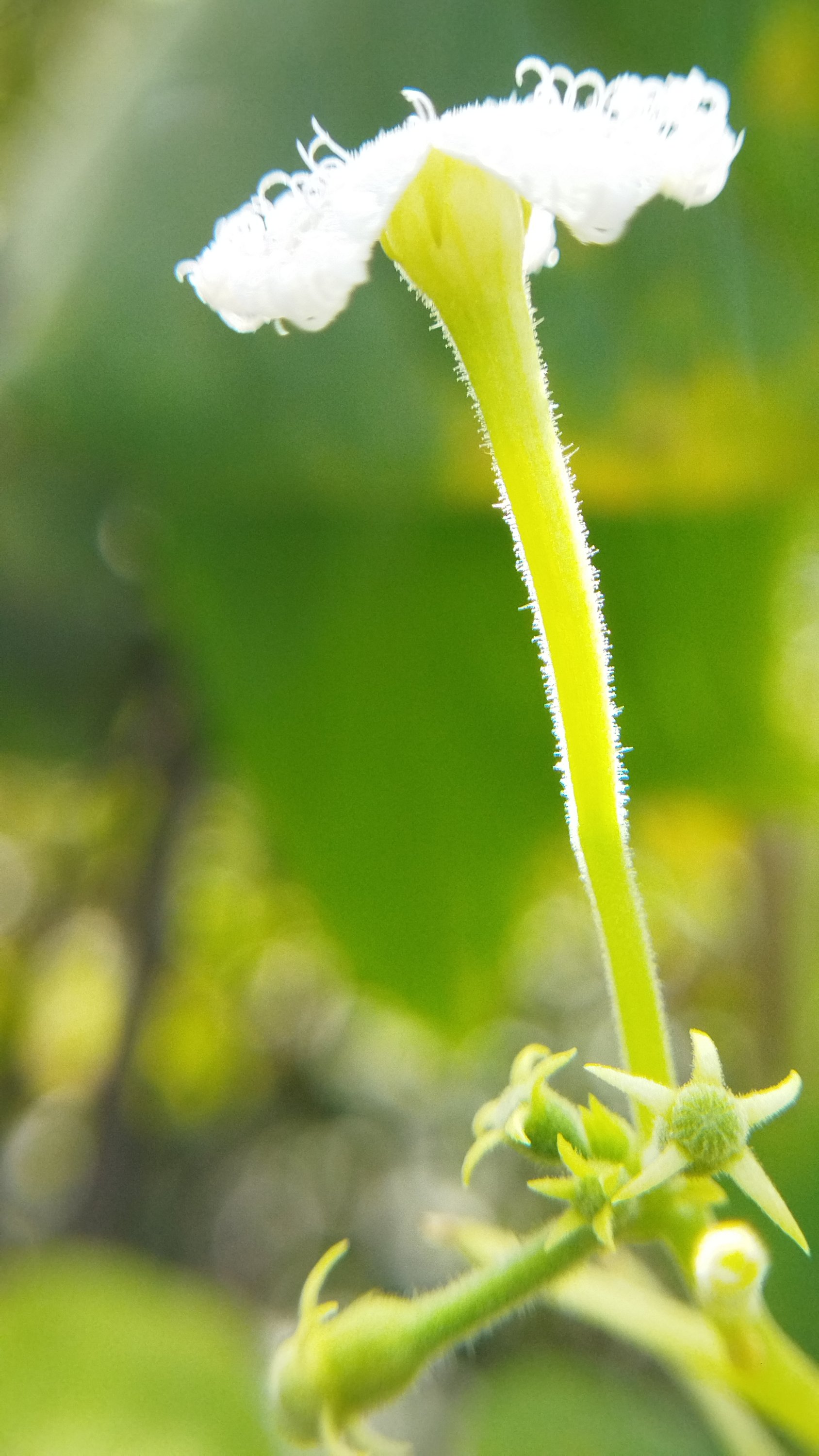
Scientific name : Trichosanthes dioica
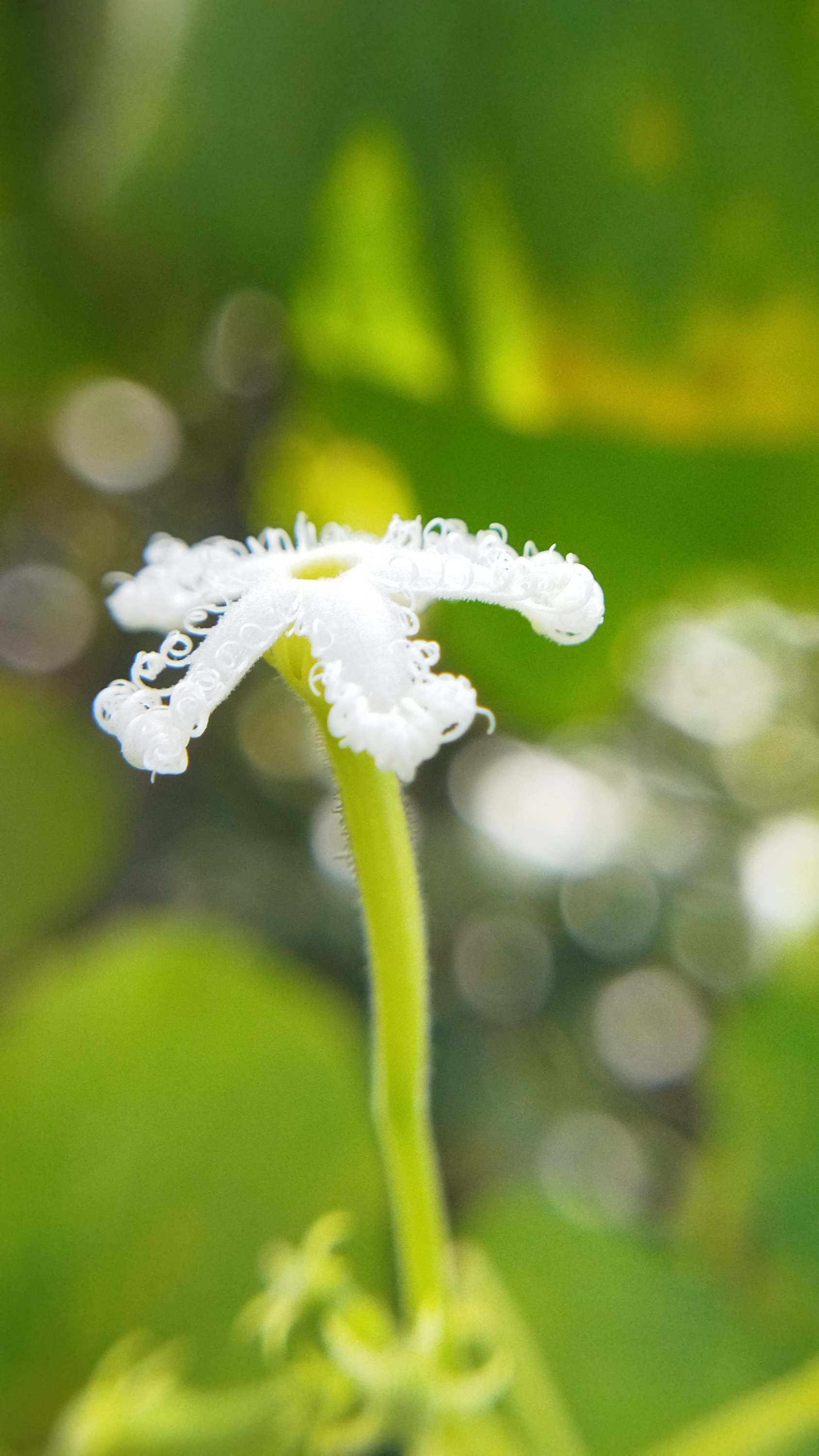
വെള്ളരി വർഗ്ഗത്തിൽപ്പെട്ട ഒരു വള്ളിച്ചെടിയാണ്. കാട്ടുപടവലം.
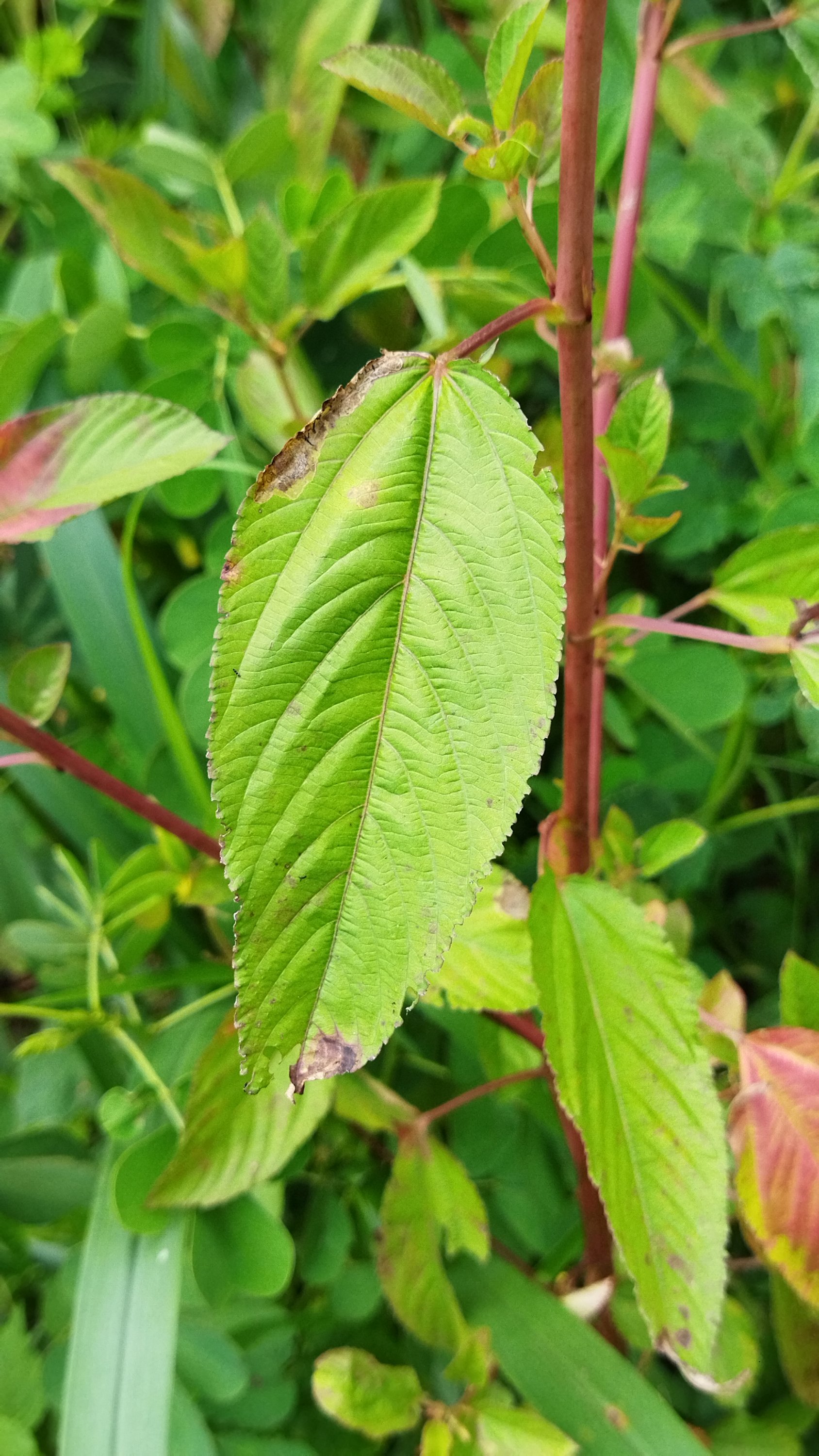
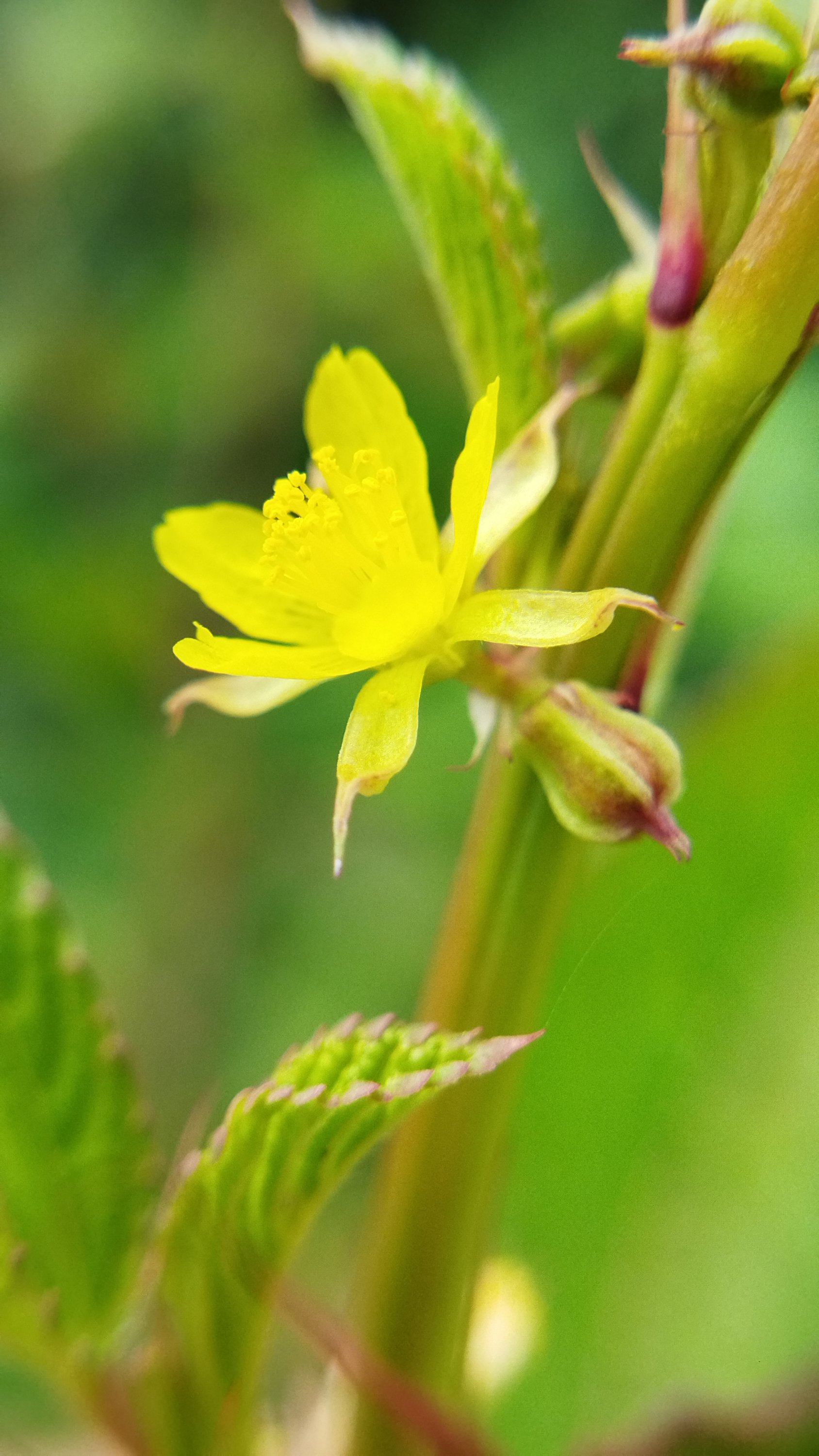
Scientific name : Corchorus aestuans
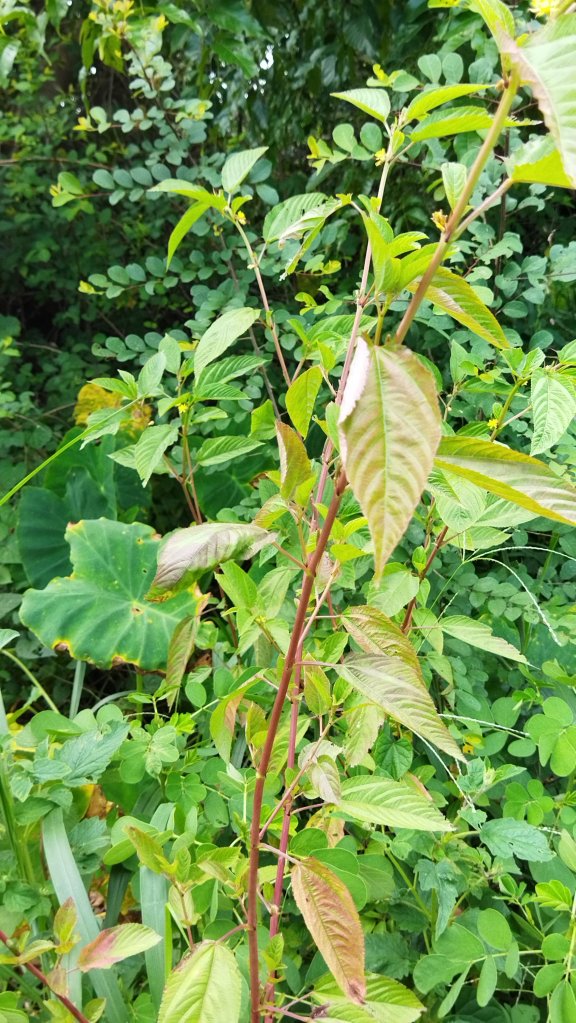
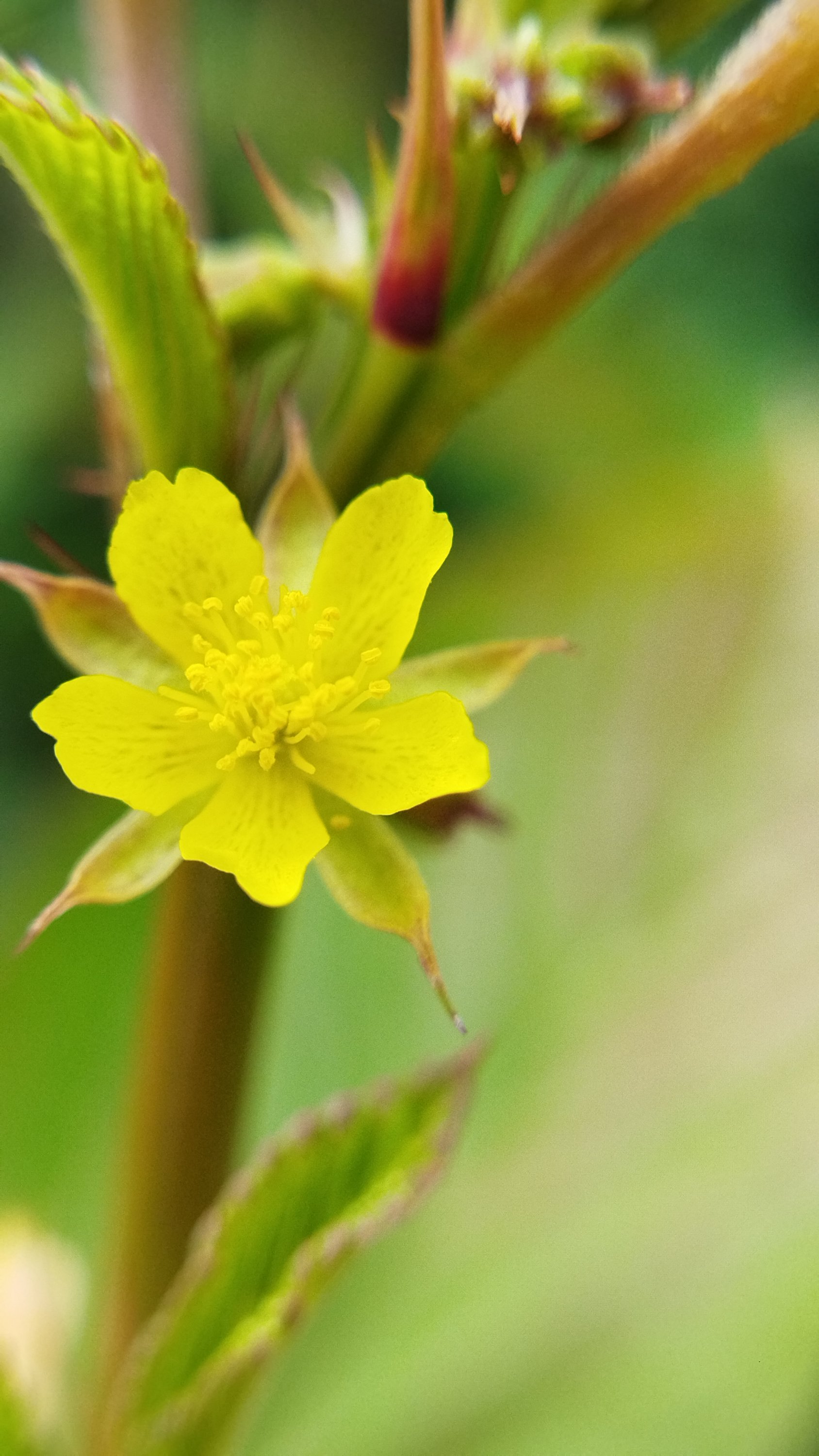
ചണത്തിന്റെ ജനുസിൽ പെടുന്ന ആഫ്രിക്കൻ വംശജനായ ഒരു ഓഷദിയാണ് ഇത്. ചുവന്ന തണ്ടിൽ ഇലകൾ ഏകാന്തരമായി കാണപ്പെടുന്നു. പൂവിന് മഞ്ഞ നിറം.അഞ്ച് ഇതളുകൾ.മഞ്ഞ കേസരങ്ങൾ അനേകം കാണാം.വിദളങ്ങളും മഞ്ഞയാണ്.
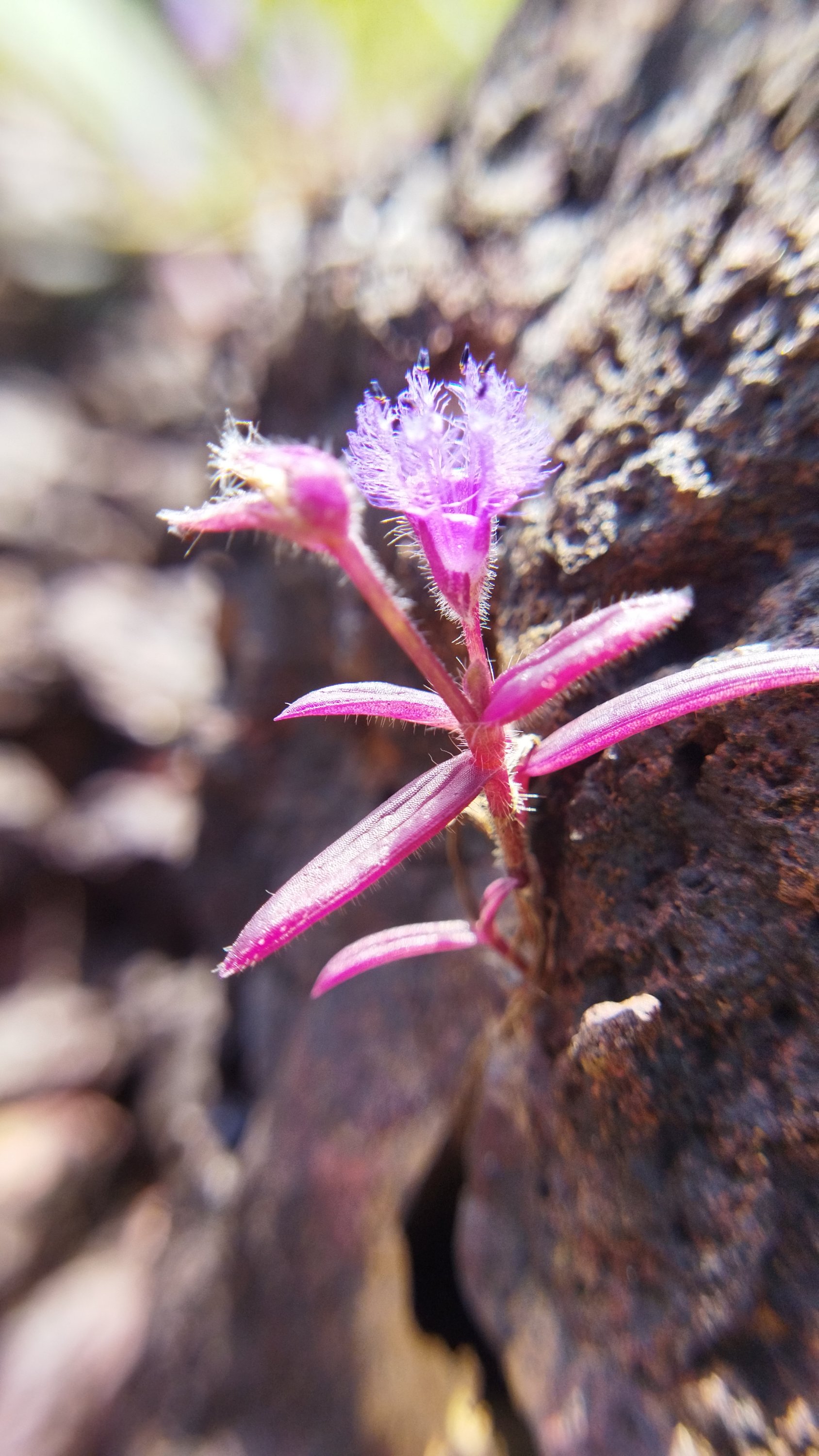
Scientific name : Cyanotis papilionacea
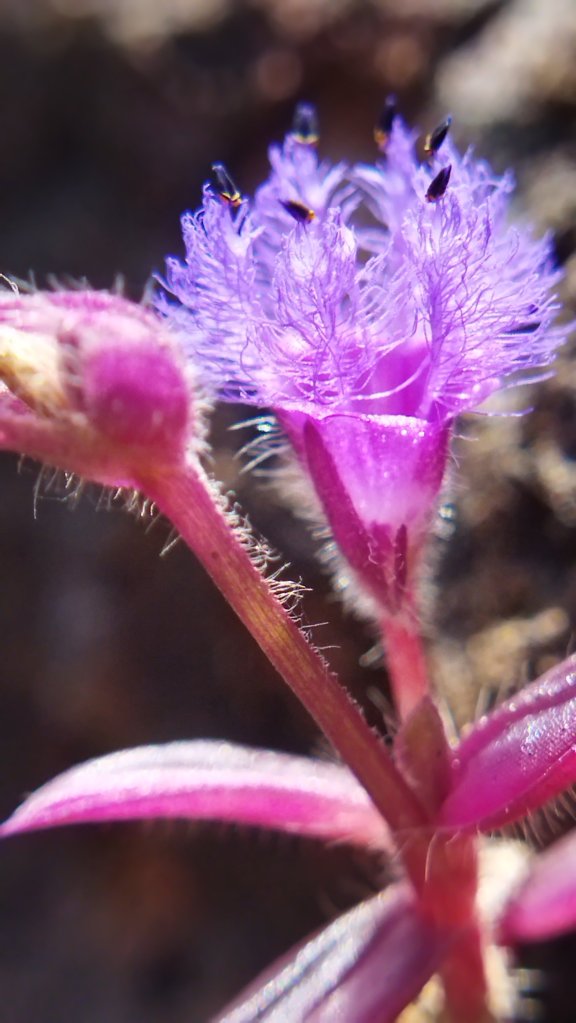
ചെങ്കൽപ്പാറകളിൽ കാണപ്പെടുന്ന ഒരു ഓഷദിയാണ് പീലിനീലി.പർപ്പിൾ നിറമുള്ള ഇലയും തണ്ടുമാണ് ഇതിനുള്ളത്.പൂവിന് വയലറ്റ് നിറം.
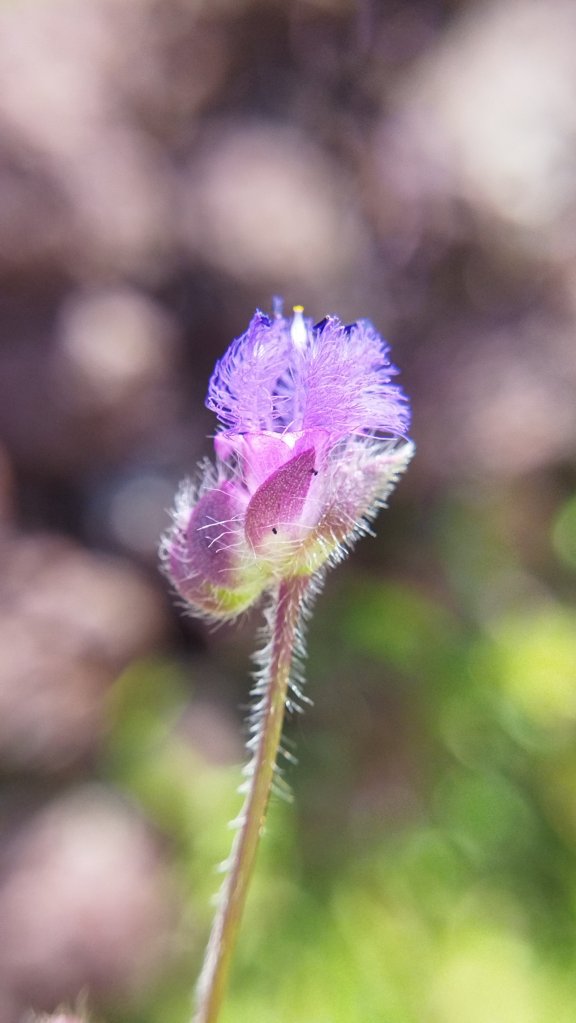
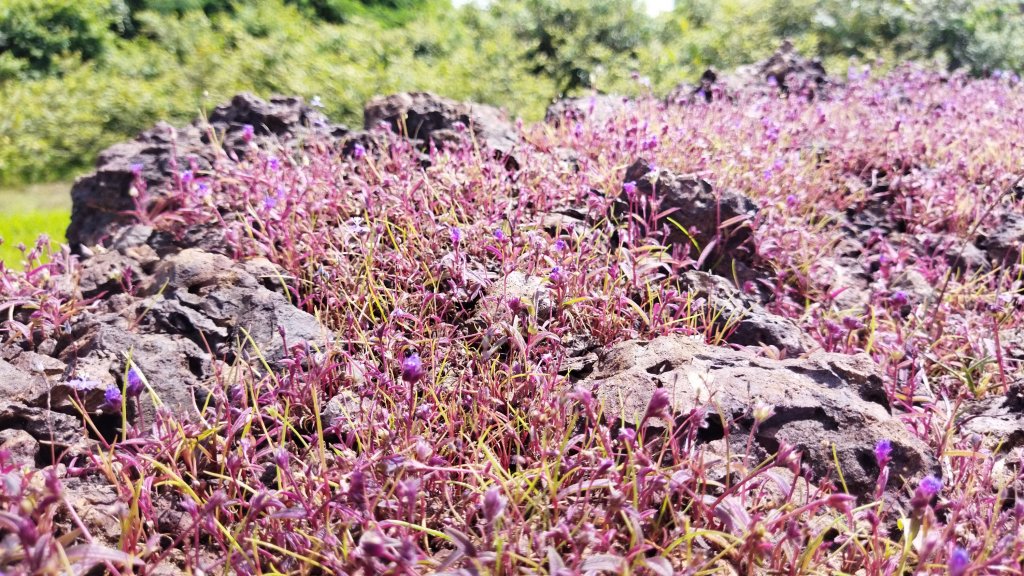
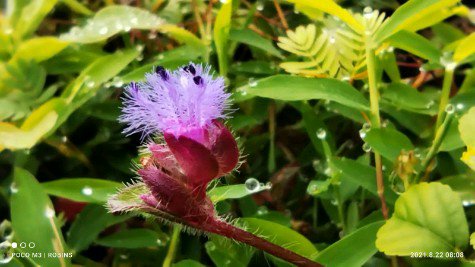
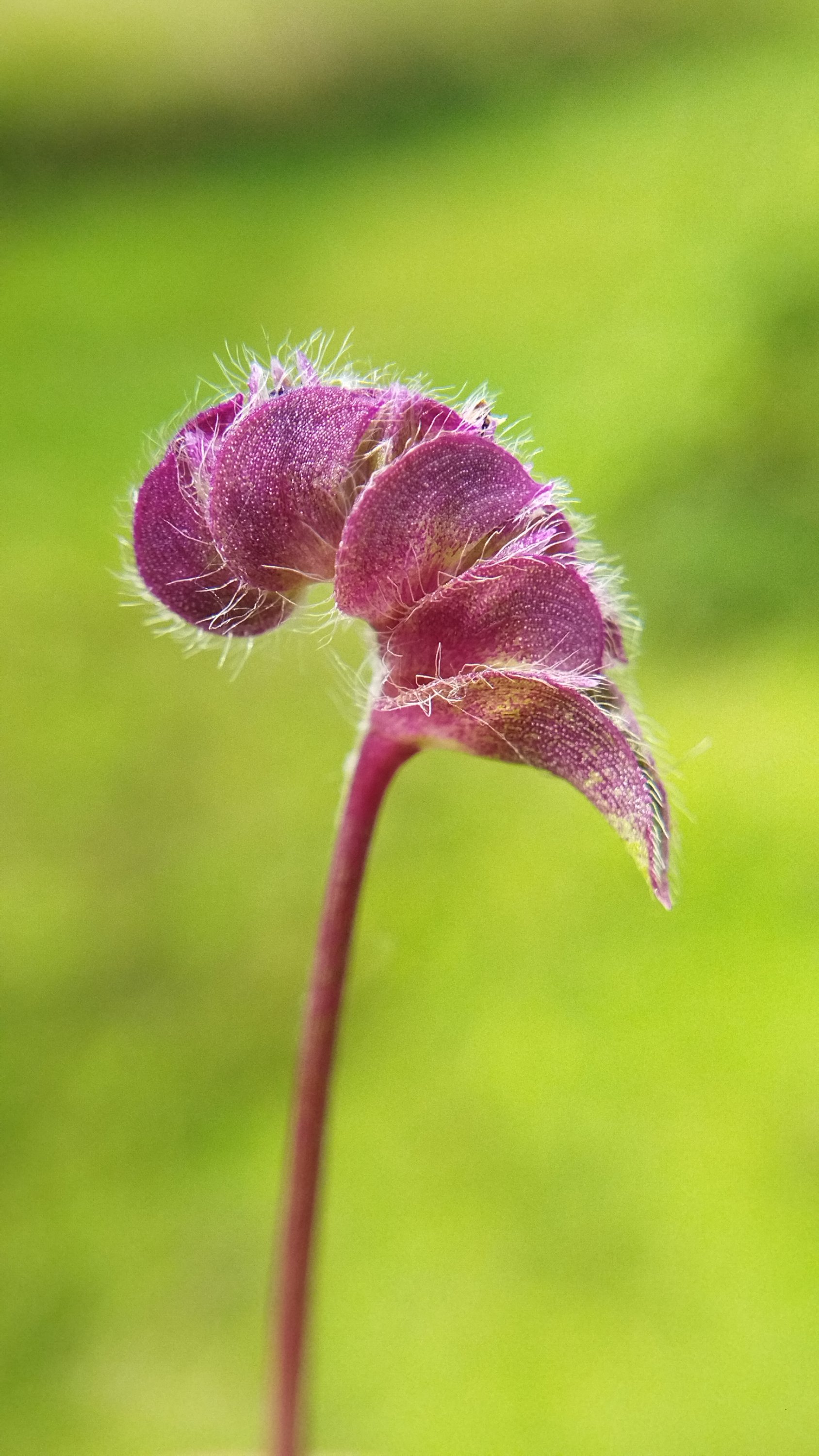
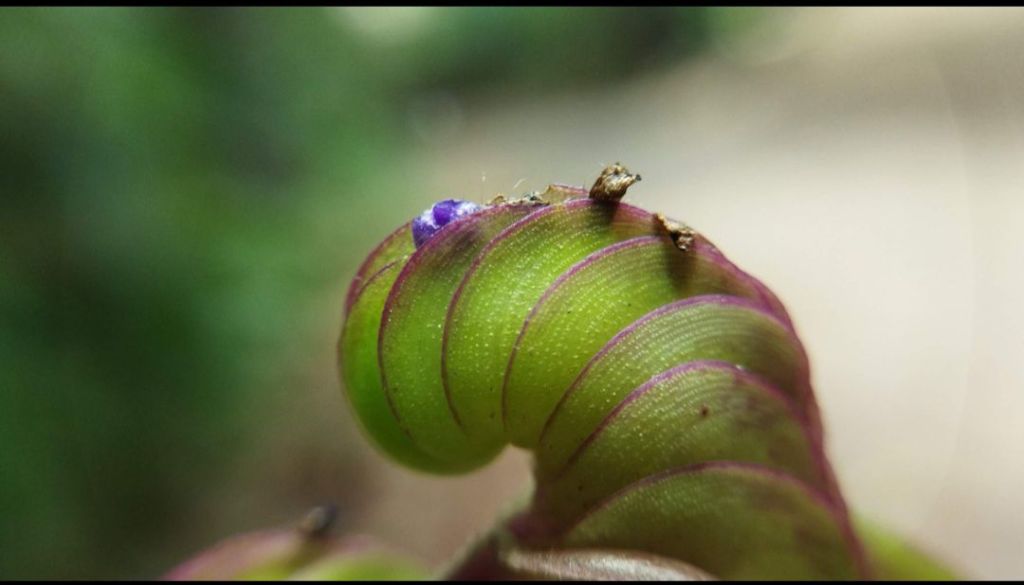
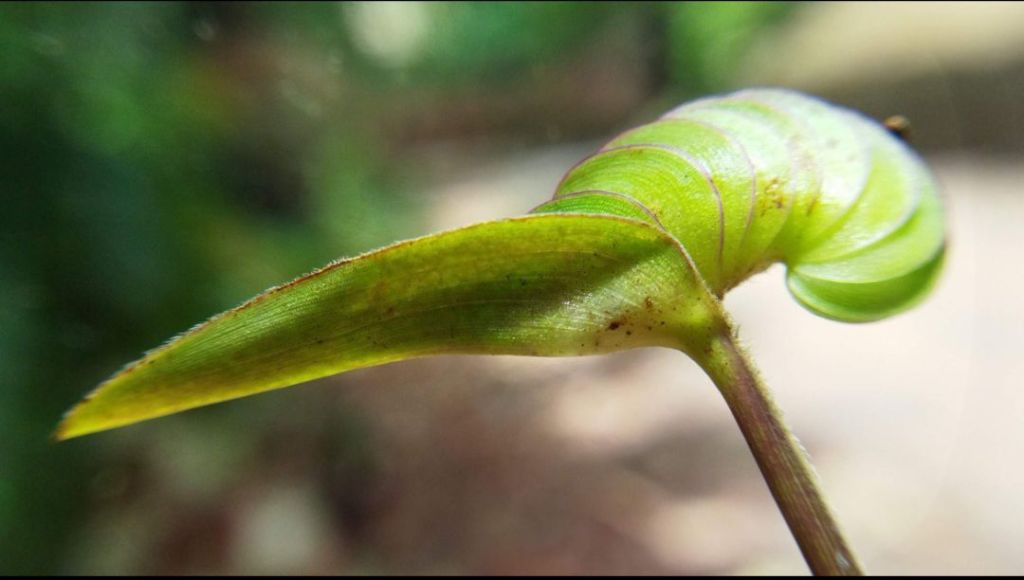
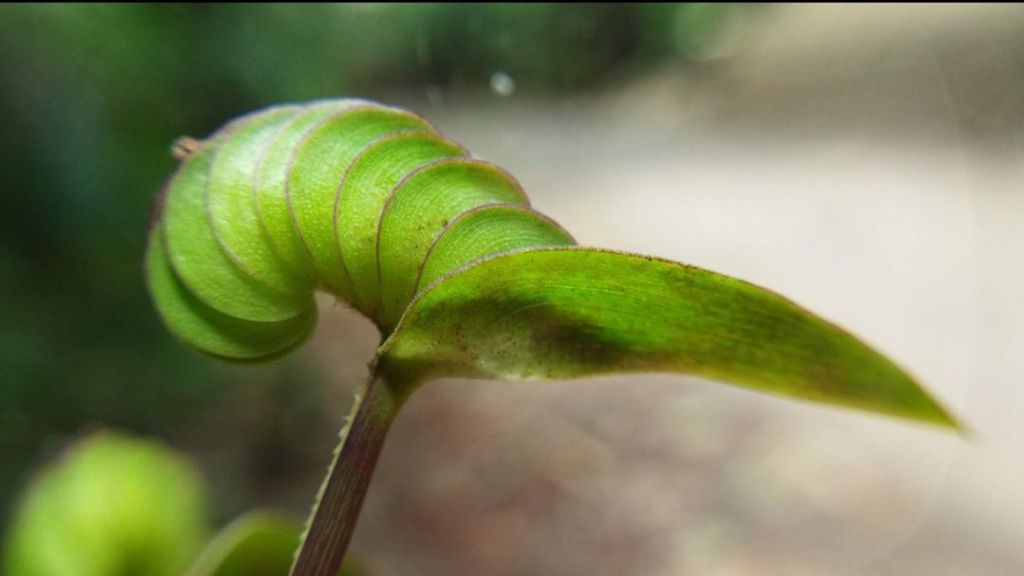
കുടുമനീലി
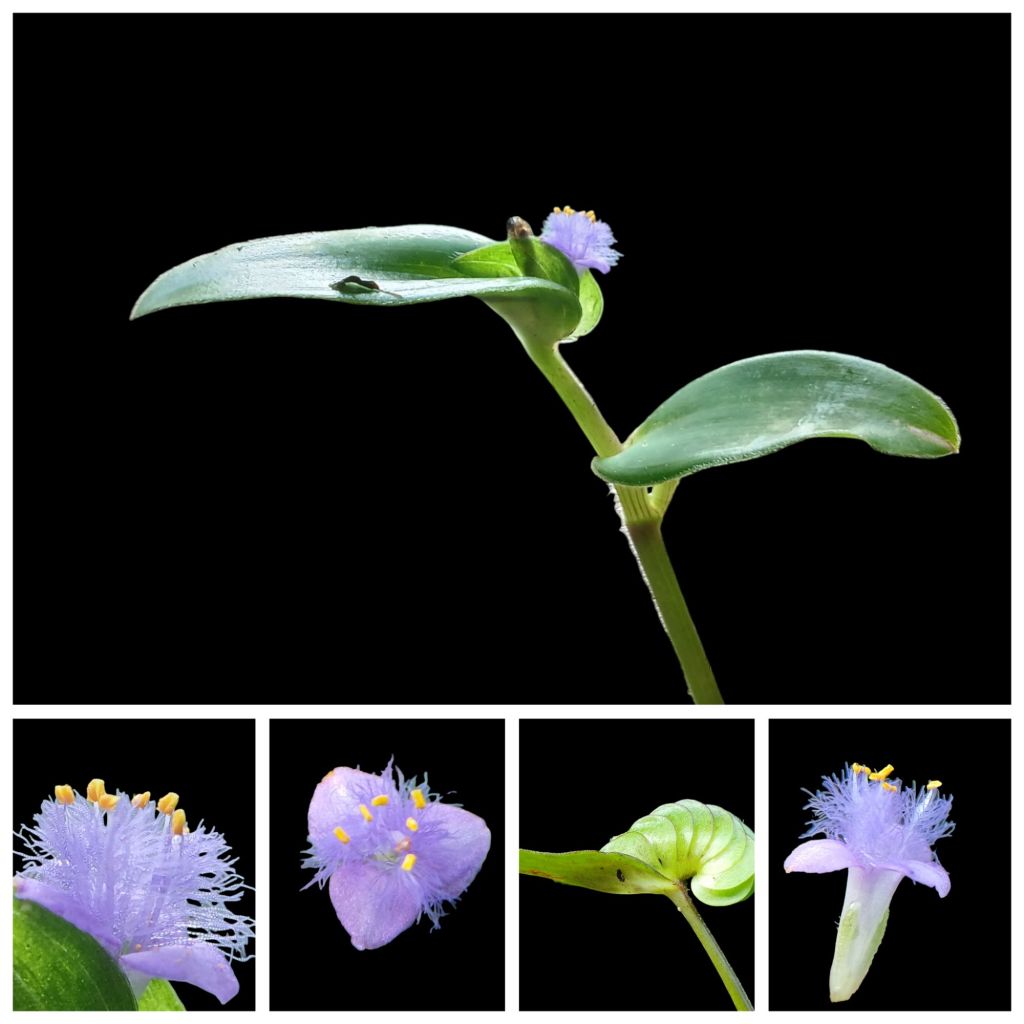
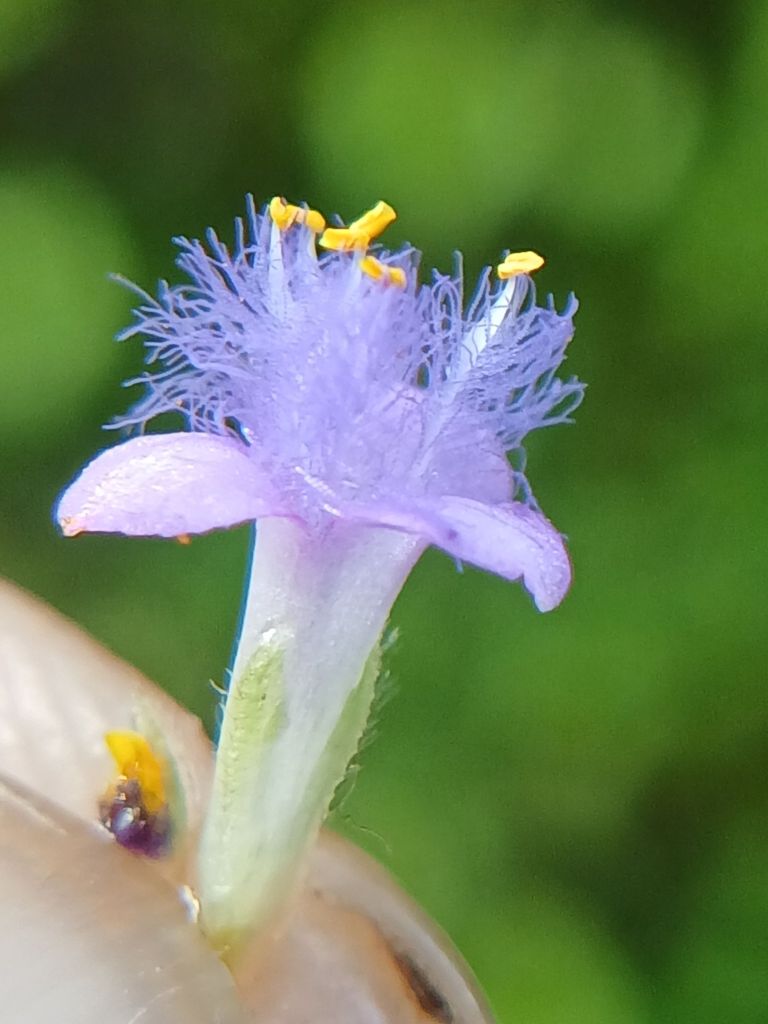
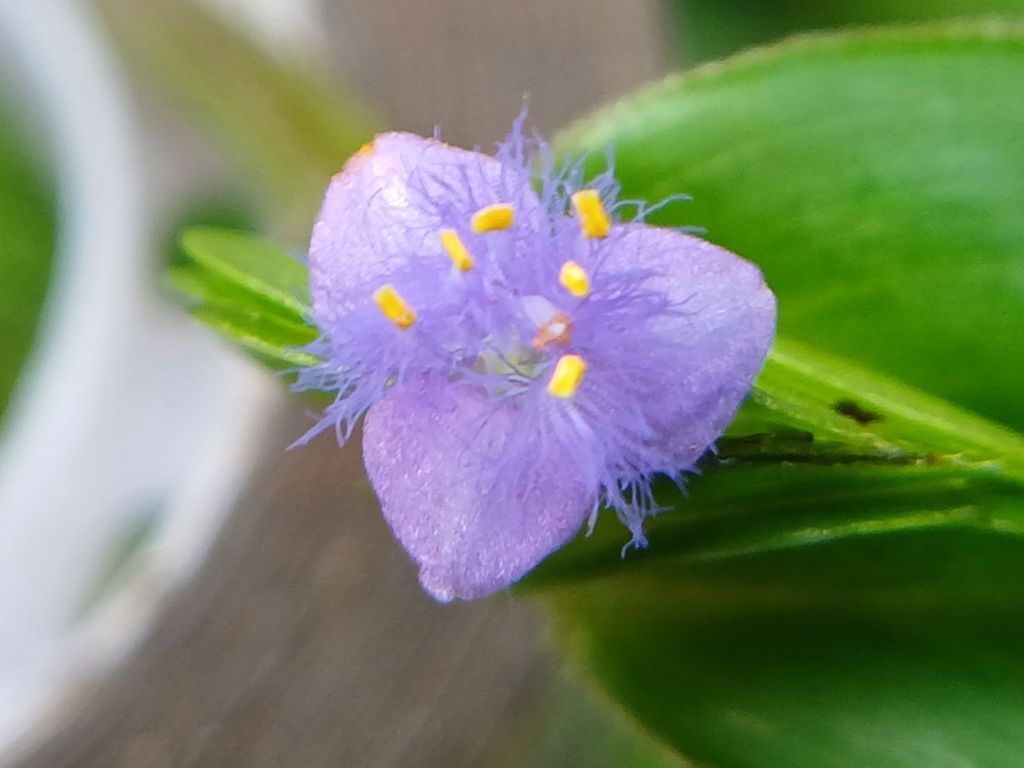
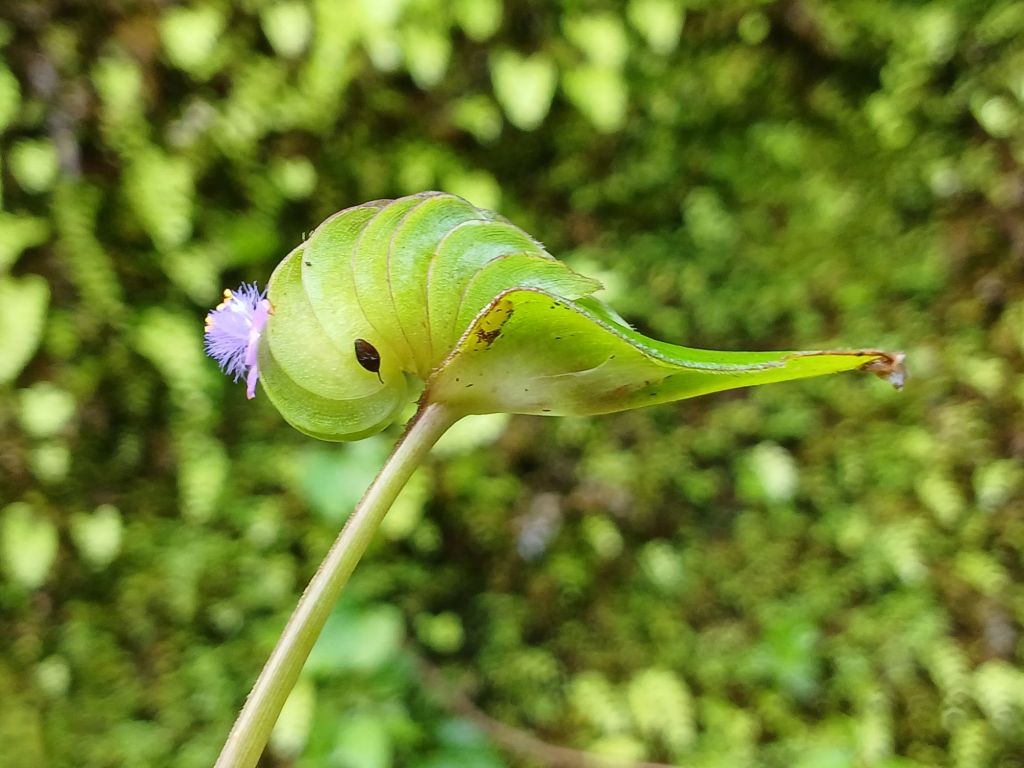
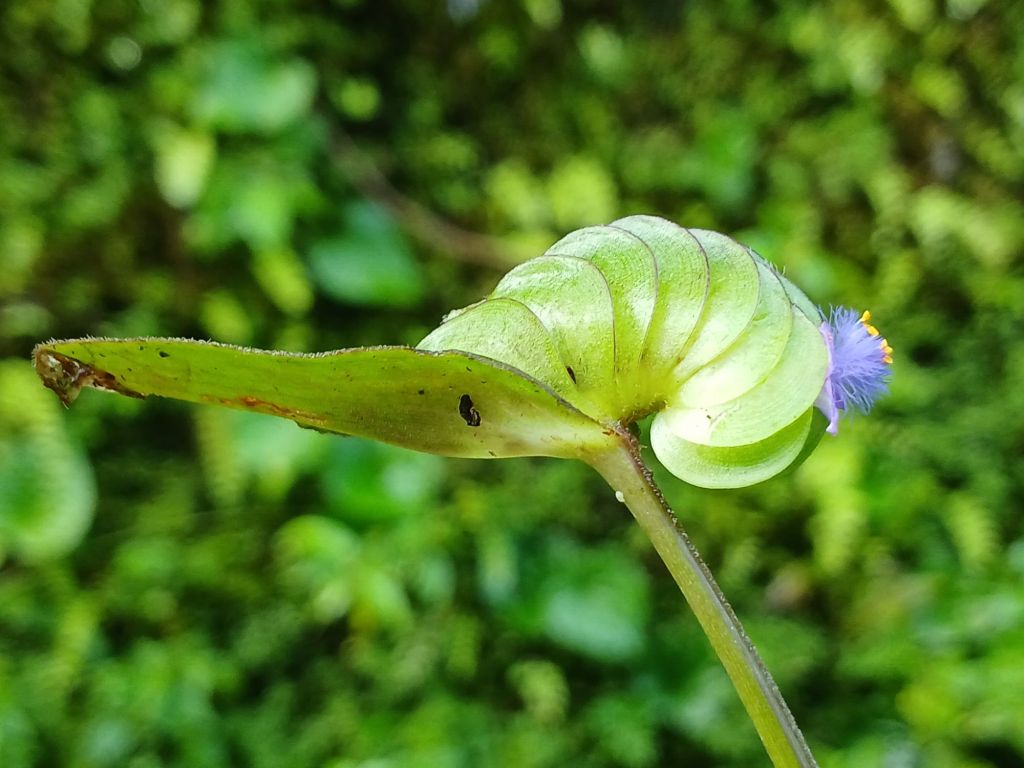
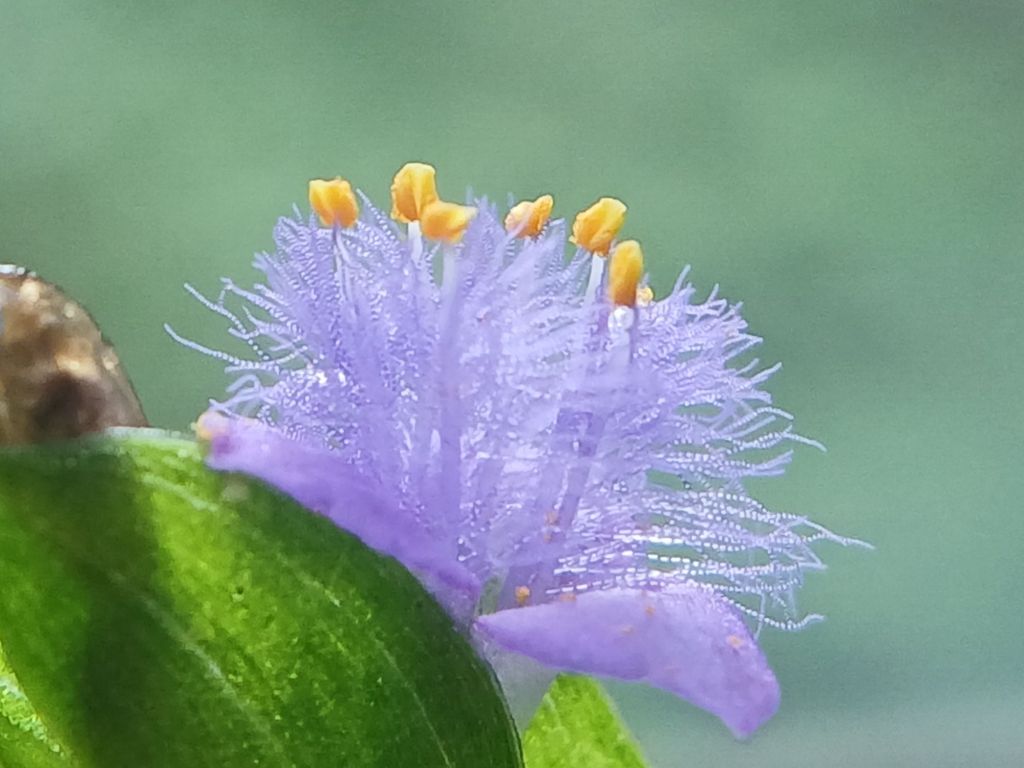
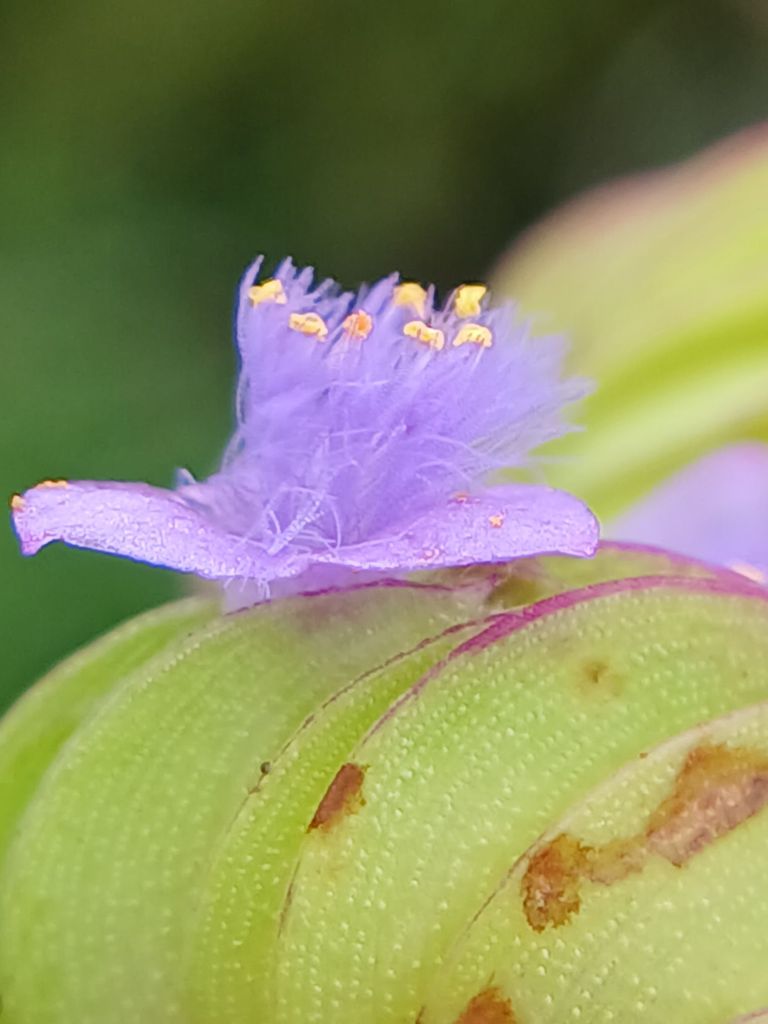
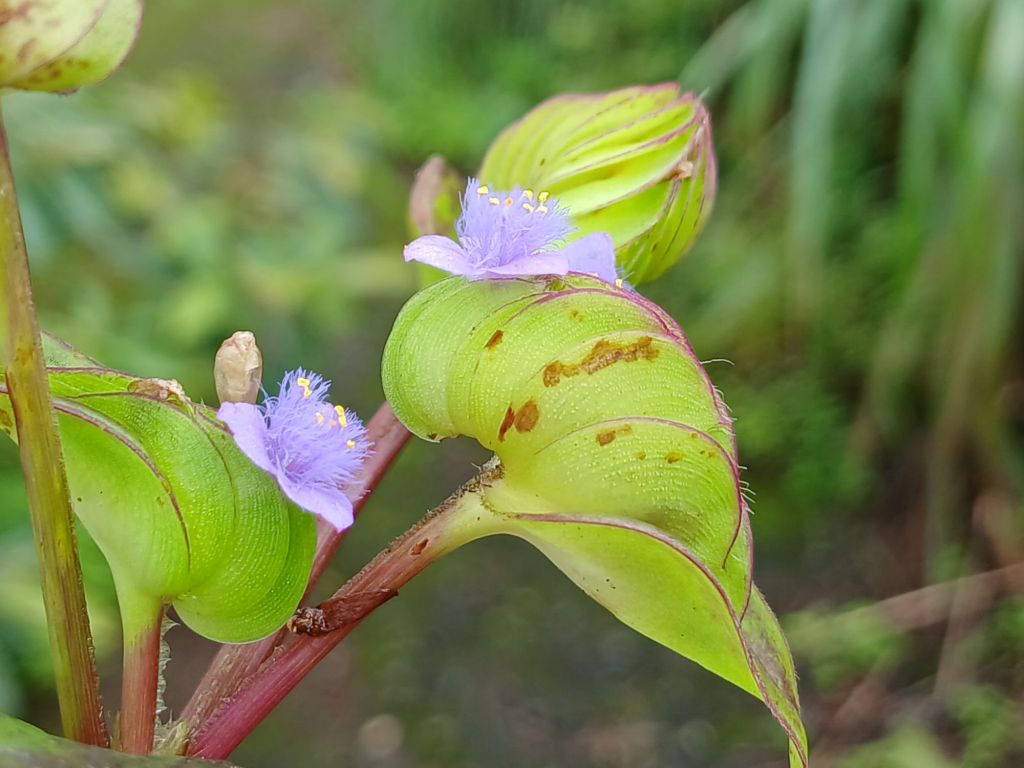
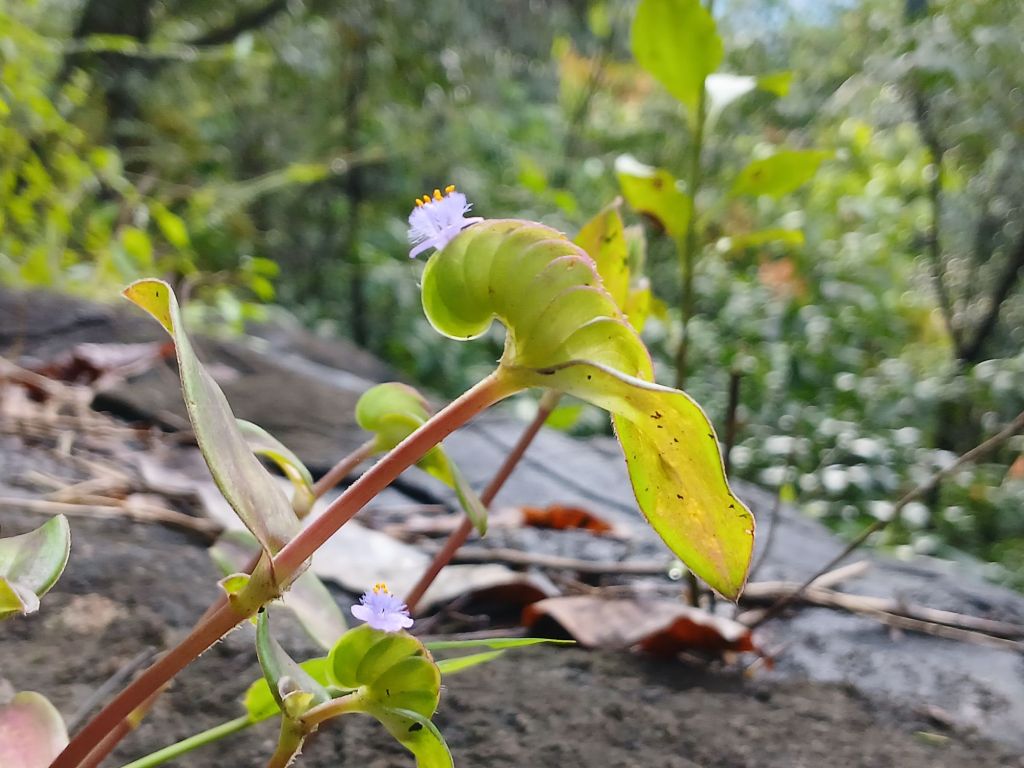
നനവാർന്ന പാറപ്രദേശങ്ങൾ, പുൽമേടുകൾ, തുറസ്സാർന്ന ഇടങ്ങൾ എന്നിവിടങ്ങളിലെല്ലാം ധാരാളം കാണപ്പെടുന്ന ഏകവർഷിയായ ഒരു കുറ്റിച്ചെടിയാണ് കുടുമനീലി.ഇവ പച്ച, മെറൂൺ നിറങ്ങളിൽ കാണപ്പെടുന്നു.ഇലകൾ ഏകാന്തരം. തണ്ടും ഇലയും ഫ്ലഷിയാണ്. പൂവ് ഒറ്റയായിട്ട് ഉണ്ടാവുന്നു. ബ്രാക്റ്റുകളുടെ വലിയൊരു അടുക്കിനുള്ളിൽ നിന്നാണ് പൂവ് വരുന്നത്. നീലനിറം, മൂന്ന് ദളങ്ങൾ, 6 കേസരങ്ങൾ, അനേകം രോമങ്ങൾ, മൂന്ന് വിദളങ്ങൾ, ഒരു സ്റ്റൈൽ എന്നിങ്ങനെയാണ് പൂവിന്റെ ഘടന.
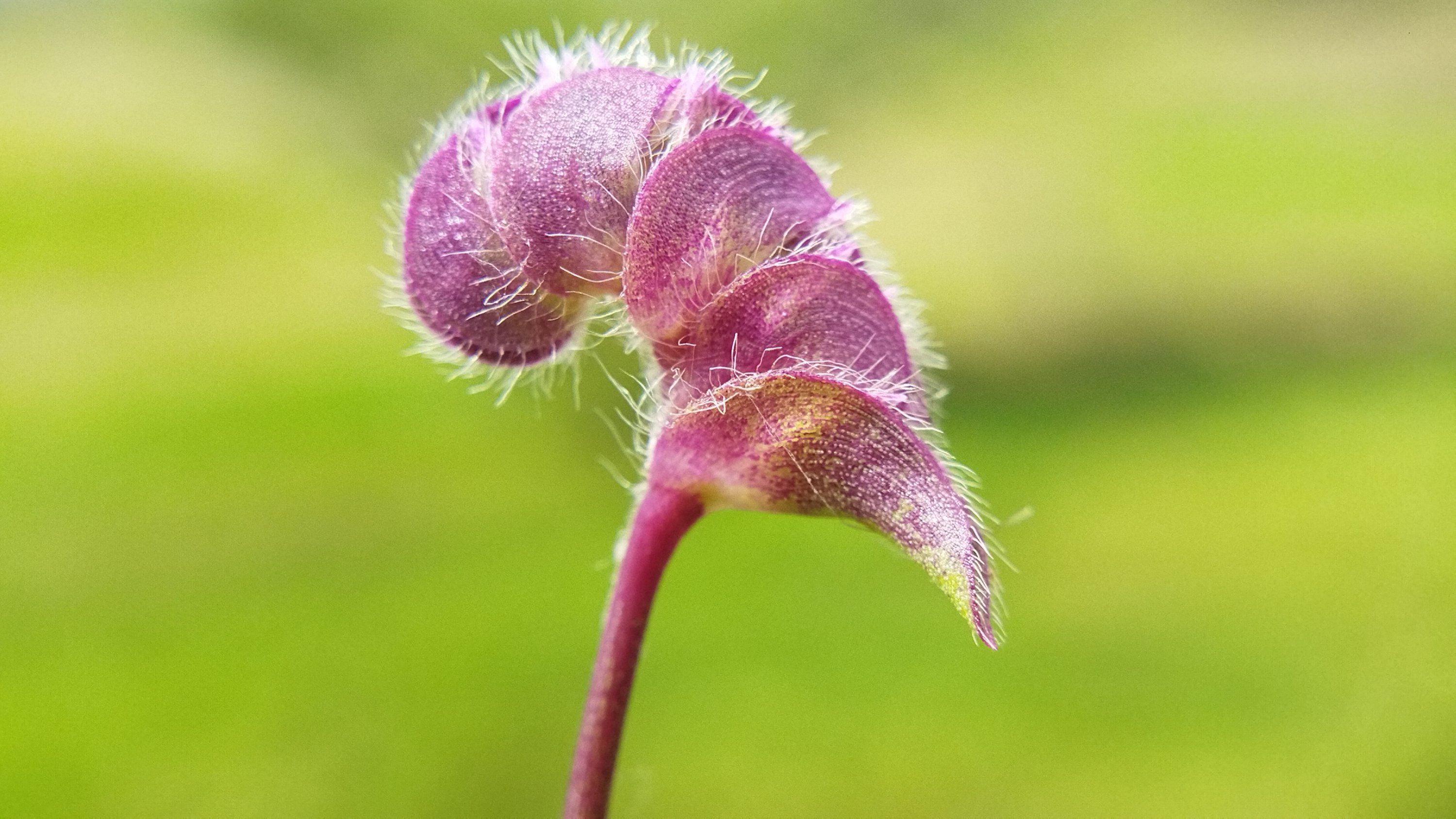
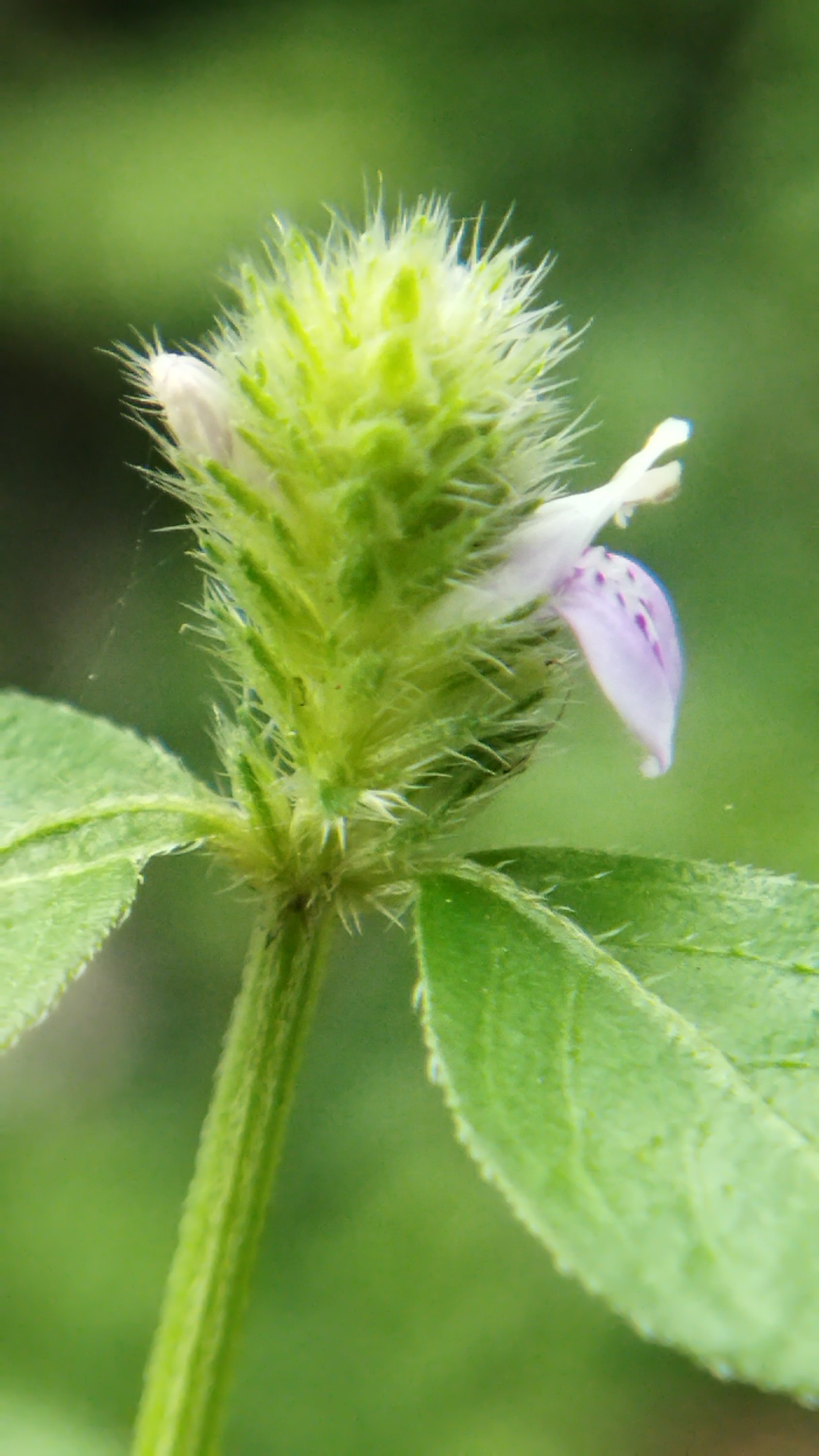
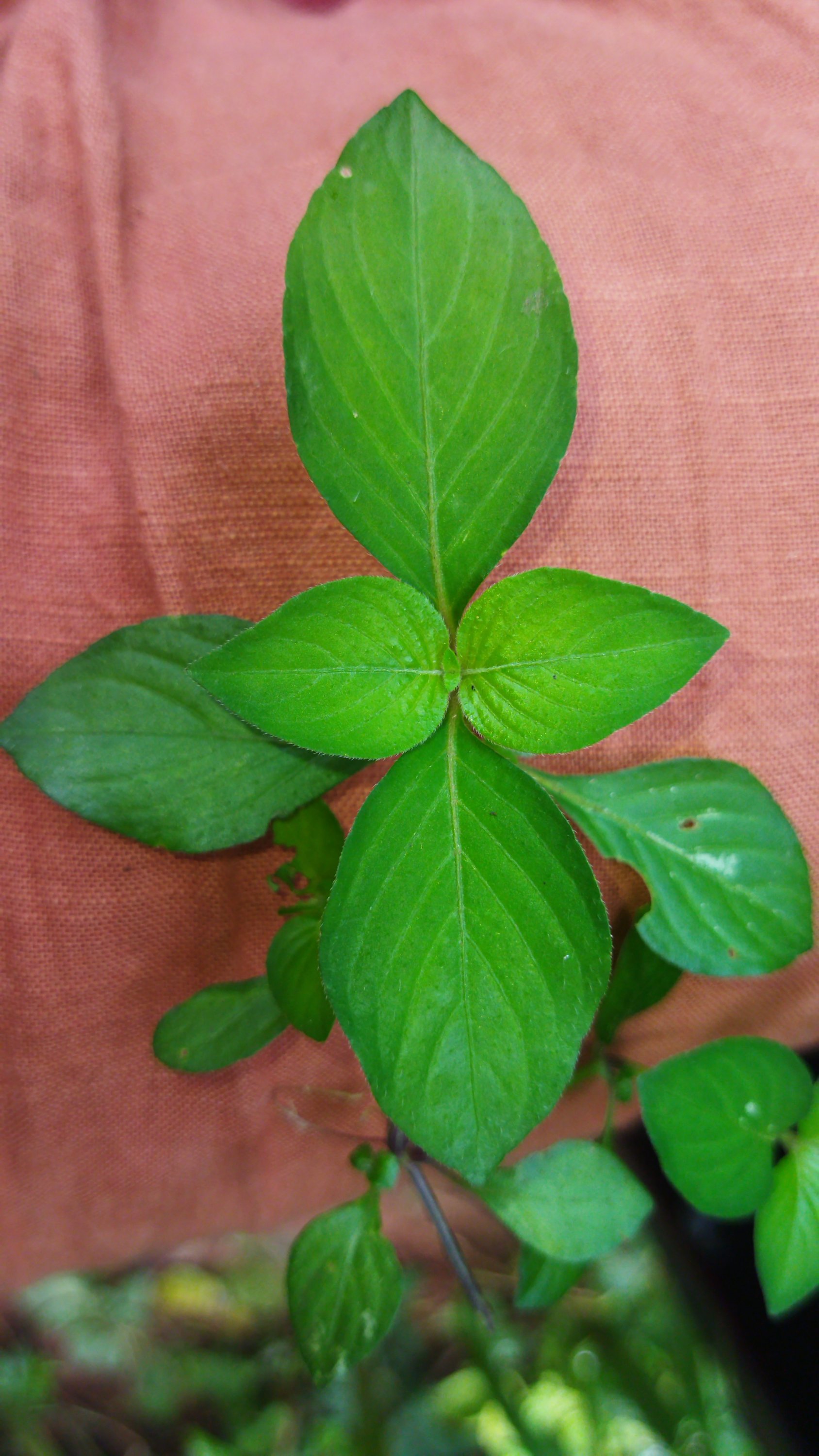
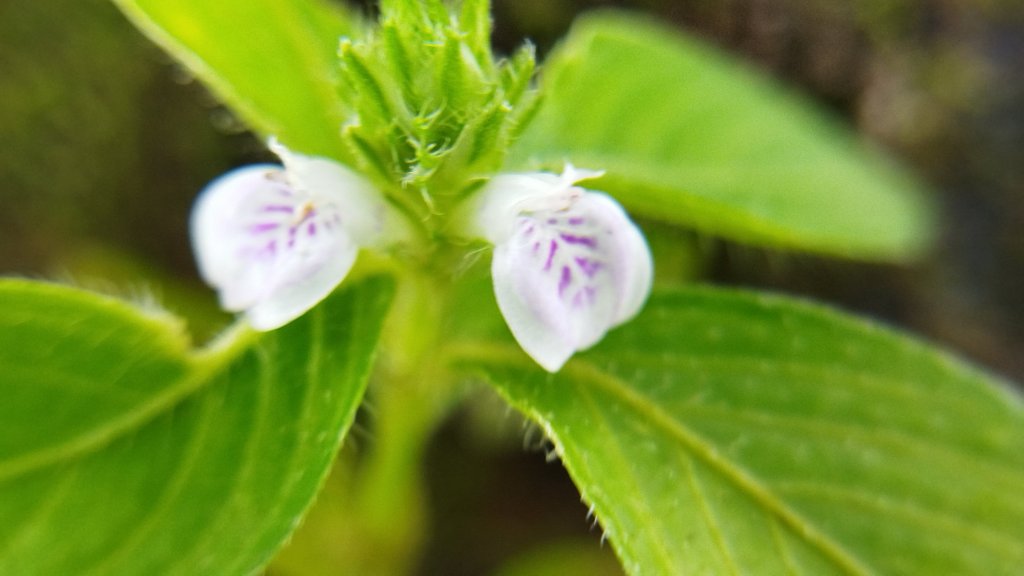
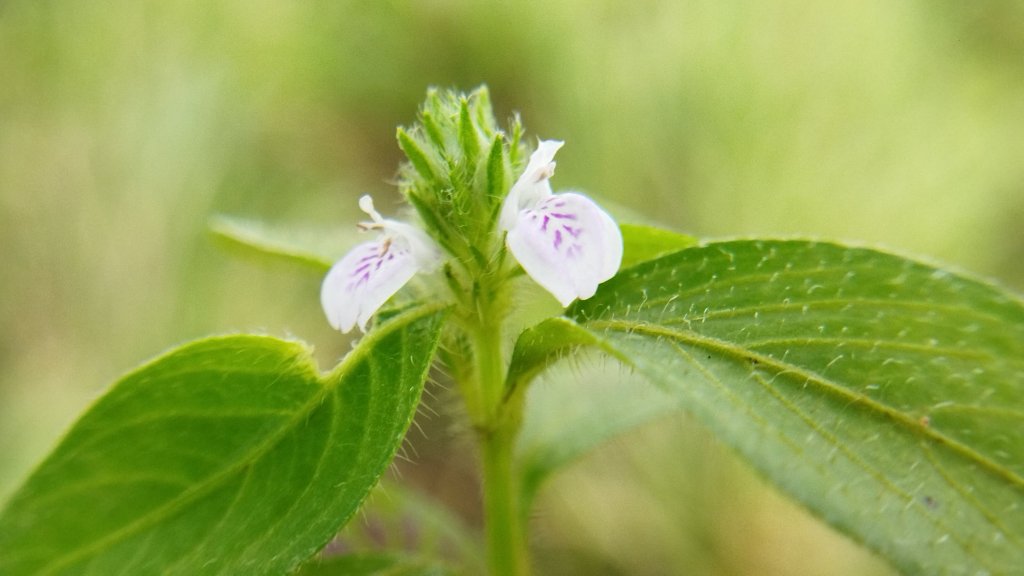
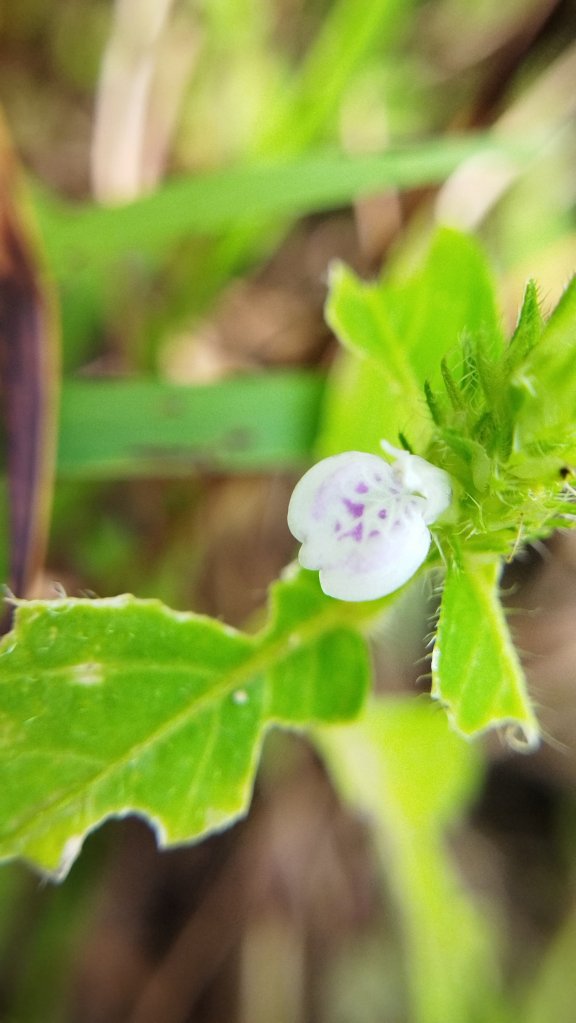
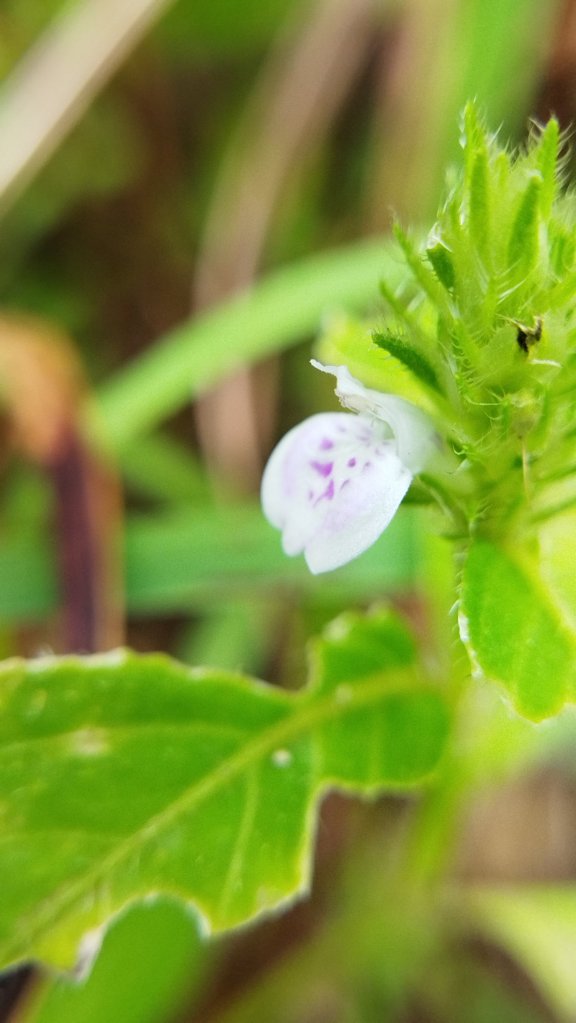
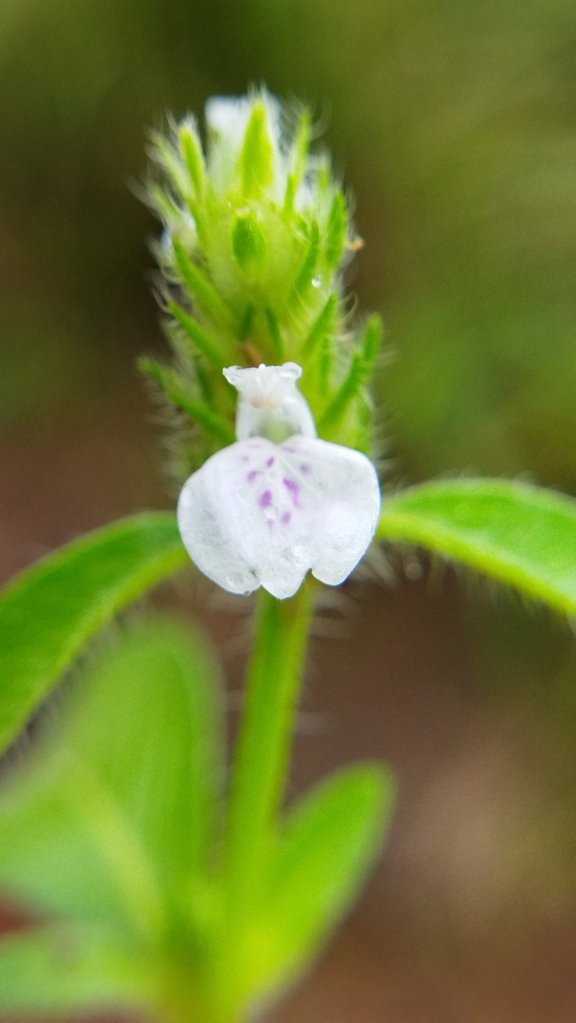
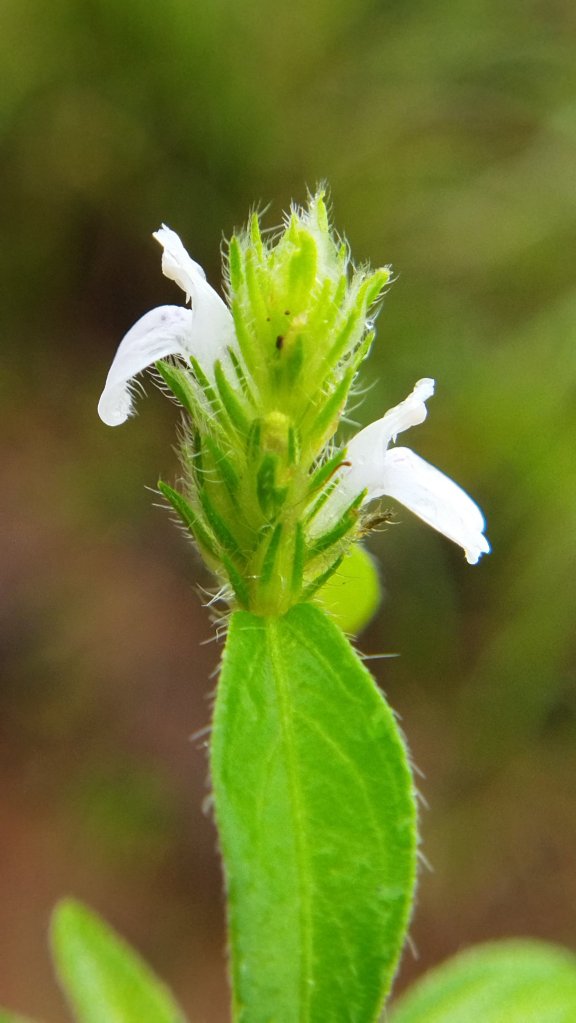
Scientific name : justica sp

 Native Plants